
Desserts
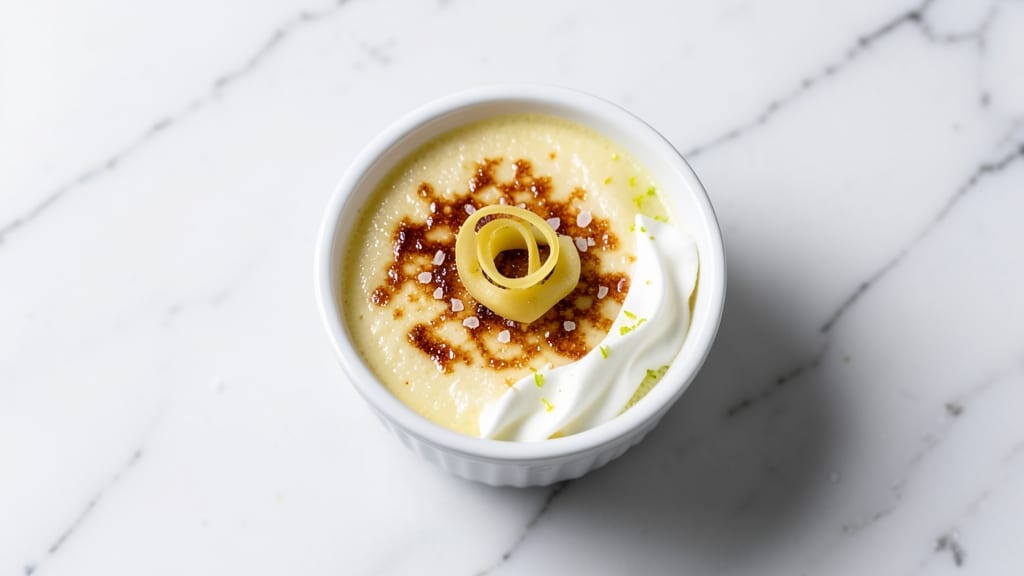
Mastering a stove top egg custard recipe transforms simple ingredients into a luxurious dessert with just a stovetop and patience. The secret lies in gentle heat and constant stirring—no fancy equipment needed.
I’ve perfected this method after years of testing, ensuring every batch turns out velvety smooth with a delicate, wobbly center. This recipe delivers restaurant-quality results in under 20 minutes, with minimal effort but maximum impact.
The foundation of a perfect custard is precise temperature control—too hot and it curdles; too cool and it never sets. I use a double boiler to maintain even heat, while a whisk keeps the mixture silky.
The key ingredients are eggs, cream, and sugar, balanced to create that signature creamy texture without overpowering sweetness. This method works equally well for classic vanilla custard or chocolate variations, making it versatile for any dessert menu.
What you’ll achieve is a dessert that’s impossibly smooth, with a glossy finish and that signature custard wobble. Chill it for an hour before serving to enhance the texture, then top with fresh berries or a drizzle of caramel for an elegant presentation.
The flavor is rich yet refined, perfect for special occasions or as a decadent treat after dinner. This recipe proves that professional-quality desserts are within reach for any home cook.
For those who love experimenting, try adding a swirl of chocolate or a hint of spice like cinnamon. The possibilities are endless, but the technique remains the same—precision and patience. Once you’ve mastered this method, you’ll never buy store-bought custard again. Let’s get started on creating your own silky-smooth masterpiece.
Ingredients for stove top egg custard
Precision ingredients for a flawless custard—eggs, cream, and sugar balanced to perfection.
| Ingredient | Amount | Notes |
|---|---|---|
| Large Egg Yolks 🥚 | 6 whole | Fresh, room temperature preferred |
| Heavy Whipping Cream 🥛 | 2 cups | Full-fat, 36% minimum |
| Granulated Sugar 🍚 | ¾ cup | Superfine preferred for smoothness |
| Vanilla Extract 🌿 | 1 tbsp | Pure, high-quality vanilla |
| Whole Eggs 🥚 | 2 whole | Separated for texture balance |
| Salt 🧂 | ¼ tsp | Diamond Crystal kosher preferred |
| Unsalted Butter 🧈 | 2 tbsp | Cold, cubed for double boiler |
| Vanilla Bean Paste 🌿 | ½ tsp | Optional, for premium flavor |
| Lemon Zest 🍋 | ½ tsp | Brightens flavor subtly |
The quality of your eggs and cream makes all the difference in this custard. Pasture-raised eggs from local farms yield richer yolks, while organic heavy cream from brands like Organic Valley ensures maximum fat content for that signature velvety texture. Sugar should be superfine—regular granulated works if pulsed in a food processor, but it won't dissolve as smoothly. For vanilla, Madagascar Bourbon extract delivers the deepest flavor profile. Store eggs in the fridge until use, but let them sit at room temperature for 30 minutes before separating to prevent curdling. The cream should be cold when measured—straight from the fridge ensures proper thickening during cooking.
No vanilla extract? Vanilla bean paste intensifies flavor dramatically, or almond extract at half the amount offers a different but equally rich profile. Substituting whole milk for cream? Add 1 extra tablespoon of sugar to compensate for the lower fat content. For a chocolate variation, replace 0.25 cup of sugar with 0.25 cup Dutch-process cocoa powder and reduce the cream by 0.25 cup to maintain balance. Diamond Crystal kosher salt is preferred for its fine grain, but any kosher salt works—measure carefully. Lemon zest can be omitted if you prefer a neutral vanilla flavor, but it adds a subtle brightness that elevates the dessert.
This custard must be served immediately after cooking—it doesn't reheat well. For make-ahead convenience, prepare the custard mixture in advance and refrigerate until ready to cook. The mixture will thicken slightly in the fridge, so whisk vigorously before heating. Store any unused ingredients: cream in an airtight container for 5 days, vanilla extract indefinitely, and eggs in their carton for 3 weeks. Leftover custard can be repurposed as a filling for pastries or trifles, but it won't have the same silky texture when reheated. For best results, use the entire batch fresh—this custard is truly a one-time creation.
Why You'll Love This Recipe
- Here’s what sold me: that first bite where the custard is still trembling slightly, the sugar perfectly balanced by the vanilla’s warmth without overpowering. The heavy cream makes it luxurious, but the whole eggs add structure—no graininess, just a smooth, almost pudding-like finish. Honestly, it’s the kind of dessert that makes me forget I’m not at a café.
- No Fuss, One Pot: I swear by this recipe because it’s the kind of dish that doesn’t demand your full attention—just a saucepan, a whisk, and 15 minutes of gentle stirring. No fancy equipment, no last-minute grocery runs for obscure ingredients. The yolks and whole eggs blend into a velvety texture while the cream and sugar caramelize just enough to give it that rich, golden hue. (Yes, even on a Tuesday night when you’re exhausted.)
- Silky Vanilla Dream: Here’s what sold me: that first bite where the custard is still trembling slightly, the sugar perfectly balanced by the vanilla’s warmth without overpowering. The heavy cream makes it luxurious, but the whole eggs add structure—no graininess, just a smooth, almost pudding-like finish. Honestly, it’s the kind of dessert that makes me forget I’m not at a café.
- Breakfast or Dessert?: Between us, this custard is my secret weapon for lazy mornings or unexpected guests. Serve it chilled with a sprinkle of cinnamon for a breakfast treat, or warm it slightly with a drizzle of honey for a cozy evening dessert. I’ve even used it as a filling for crepes—because why not? The versatility keeps it fresh, no matter the occasion.
Step-by-step instructions for stove top egg custard
Mastering this velvety custard requires precision—follow these steps to achieve flawless texture every time.
Prepare the Egg Mixture with Exact Precision
In a medium heatproof bowl, combine the 6 whole large egg yolks, 2 whole whole eggs, 0.75 cup granulated sugar, 1 tablespoon vanilla extract, 0.5 teaspoon vanilla bean paste, and 0.5 teaspoon lemon zest. Whisk vigorously for 3-4 minutes until the mixture triples in volume and becomes pale, thick, and ribbon-like when the whisk is lifted. This thorough blending ensures a perfectly emulsified custard with no graininess.
Here's the thing—superfine sugar dissolves more easily, but if you're using regular granulated, pulse it briefly in a food processor first. The mixture should be completely smooth, with no visible sugar crystals remaining. This step prevents lumps that would otherwise create a gritty texture in your final custard.
Heat the Cream and Butter for the Double Boiler
In a separate saucepan, combine the 2 cups heavy whipping cream and 2 tablespoons unsalted butter over medium-low heat. Warm until small bubbles form around the edges and the mixture reaches 170°F—this takes about 8-10 minutes. The butter should melt completely, and you'll notice tiny steam bubbles forming along the sides of the pan.
While heating, add the 0.25 teaspoon salt to the cream mixture. Stir occasionally to prevent scorching, but avoid vigorous stirring that could create too many bubbles. The cream should never boil—just simmer gently. This controlled heating is what creates the silky texture without curdling the eggs later.
Temper the Egg Mixture Gradually
Carefully pour about ½ cup of the warm cream mixture into the egg bowl while whisking constantly. This gradual introduction of heat—called tempering—prevents the eggs from scrambling. Continue whisking until the mixture in the bowl reaches 110-115°F, then slowly pour in another ½ cup of cream while whisking vigorously.
This is the moment that matters: The egg mixture should thicken noticeably but remain pourable. If it becomes too stiff, whisk in 1 tablespoon of hot cream at a time until it reaches a smooth, custard-like consistency. The goal is to create a stable emulsion that won't separate when we combine everything.
Combine and Cook to Perfect Texture
Pour the tempered egg mixture back into the saucepan with the remaining warm cream. Stir constantly over low heat until the custard thickens enough to coat the back of a spoon—this should take about 5-7 minutes. You'll notice the mixture will go from thin to thick and glossy, almost like pudding. The custard is ready when it reaches 175°F and leaves a distinct trail when the spoon is lifted.
Real talk: If the custard starts to curdle or separate, immediately remove it from heat and whisk vigorously. In most cases, it will still salvage with continued whisking, but this is why we tempered so carefully earlier. The key is patience—don't rush the thickening process or you'll risk graininess.
Strain and Chill for Ultimate Smoothness
Once thickened, immediately strain the custard through a fine-mesh sieve into a clean bowl. This removes any potential lumps and ensures an ultra-smooth texture. Press the mixture through with a rubber spatula to extract every last drop. Let it cool to room temperature while stirring occasionally to prevent skin formation.
For best results, refrigerate the custard for at least 4 hours or until completely chilled. This step allows the flavors to meld perfectly and the texture to set into its signature velvety consistency. When ready to serve, give it one final whisk to restore its silky smoothness before pouring into glasses or ramekins.
Pro Tips For Making Stove Top Egg Custard
- Whisk Until Ribbon Stage: The yolks and whole eggs need to be whipped smooth—no streaks—before adding cream. I used to stop when it looked "blended," but that custard turned grainy. Keep going until the mixture coats the whisk in a slow ribbon when you lift it out.
- Temper the Cream Slowly: Pour the hot cream into the egg mixture gradually while whisking constantly. I learned this the hard way—dumping it all at once curdles the eggs faster than you can say "disaster." A ladle works best; no, a stream won’t cut it.
- Strain the Mixture: After whisking everything together, strain it through a fine-mesh sieve into your pot. Yes, it’s an extra step, but it removes any stubborn lumps or cooked egg bits that’ll ruin the silky texture. Skip it, and you’ll taste the difference.
- Use a Heavy-Bottomed Pot: Thin pots heat unevenly and scorch custards before they set. Grab a stainless steel or enameled Dutch oven—it distributes heat better and keeps the base from sticking. My first custard stuck like glue; this fixed it.
Regional styles of this dish
French Crème Anglaise
This elegant variation comes from classic French pastry traditions, where crème anglaise serves as the base for many desserts. The key difference is using equal parts whole milk and heavy cream (1 cup each) instead of all cream, creating a lighter but still rich texture.
I replace the vanilla with ½ vanilla bean scraped for deeper flavor, and add 1 tbsp cornstarch to help stabilize the thinner milk mixture. The result is a custard with perfect body that works beautifully as a sauce for fruit tarts or ice cream. 🍷
Italian Panna Cotta
For an Italian twist, transform this recipe into panna cotta by adding 1 tsp unflavored gelatin dissolved in 2 tbsp cold water to the warm cream before combining with eggs. This creates a firm, creamy dessert that sets beautifully in ramekins.
I use ½ cup mascarpone cheese mixed into the finished custard for extra richness, then chill until set. Serve with berry compote or a drizzle of honey. The texture becomes almost jelly-like but still silky when cut. 🍓
Spanish Crema Catalana
Spain's answer to custard, crema catalana, takes this recipe to new heights with a caramelized sugar topping. After preparing the basic custard, I fold in ½ cup canned mandarin orange segments and 1 tsp orange zest for citrus brightness.
For the signature crust, melt ½ cup sugar in a dry pan until amber-colored, then spread over chilled custard. The contrast of creamy custard with crispy caramel is pure magic. This version is perfect for festive occasions. 🍊
German Vanillepudding
German custards often feature a slightly denser texture and warm spices. For vanillepudding, I reduce the sugar to ½ cup and add ½ tsp ground cinnamon plus ¼ tsp cardamom to the egg mixture.
The cream is heated with 2 tbsp brown butter instead of regular butter for nutty depth. This version pairs wonderfully with apfelstrudel or warm spiced applesauce. The spices give it a comforting, almost cake-like warmth. 🌟
American Eggnog Custard
Perfect for holiday celebrations, this variation transforms custard into a boozy dessert. After preparing the base, I stir in ½ cup bourbon or rum (like Maker's Mark) and 1 tsp nutmeg. For extra richness, I fold in ¼ cup whipped cream before chilling.
Serve warm with a sprinkle of cinnamon or as a creamy topping for pecan pie. The alcohol cooks off slightly, leaving just enough warmth to complement the vanilla. 🎄
Japanese Matcha Custard
For a vibrant green twist, replace vanilla with 1 tbsp high-quality matcha powder (like Ippodo Tea) and reduce the sugar slightly to ½ cup. The custard develops a delicate earthy flavor that pairs beautifully with red bean paste or fresh berries.
I often dust the top with matcha powder before serving. This version is perfect for tea ceremonies or as a modern dessert presentation. The matcha adds an unexpected but refreshing dimension. 🌿
Nutrition facts
Frequently asked questions
Why does my custard turn grainy or curdle?
This usually happens when eggs cook too quickly or aren't tempered properly. Always whisk constantly while adding warm cream to the egg mixture, and never let it boil. If curdling starts, remove from heat immediately and whisk vigorously—it often recovers! The key is patience during the 110-115°F tempering stage.
Can I make this custard without a double boiler?
Use a heatproof bowl placed over a saucepan of simmering water (not boiling). The water should never touch the bowl—just create steam. This indirect heat mimics a double boiler perfectly. For extra safety, keep the heat at medium-low and stir frequently to prevent scorching.
How do I know when the custard is fully cooked?
It's ready when it coats the back of a spoon smoothly and reaches 175°F. You'll also see it thicken dramatically and leave a distinct trail when you run your finger through it. A quick test: Tilt the pan—if the custard moves slowly but holds its shape, it's perfect. Overcooking by even 30 seconds can make it grainy.
What's the best way to serve this custard?
Chill it completely for 4 hours before serving to enhance the silky texture. Pour into elegant glasses or ramekins and top with fresh berries, a drizzle of caramel, or a sprinkle of toasted nuts. For a classic touch, add a vanilla bean slice on top. It's perfect for dessert parties or as a creamy topping for pancakes or waffles.
Can I substitute whole milk for the heavy cream?
You can try, but the texture will be lighter and less rich. If substituting, reduce the cream to 1.5 cups and add 1 tbsp cornstarch to the egg mixture to help thicken it. The fat content in heavy cream is what creates that signature velvety mouthfeel. For best results, stick with the full-fat version—it's worth the difference!