
Beverages
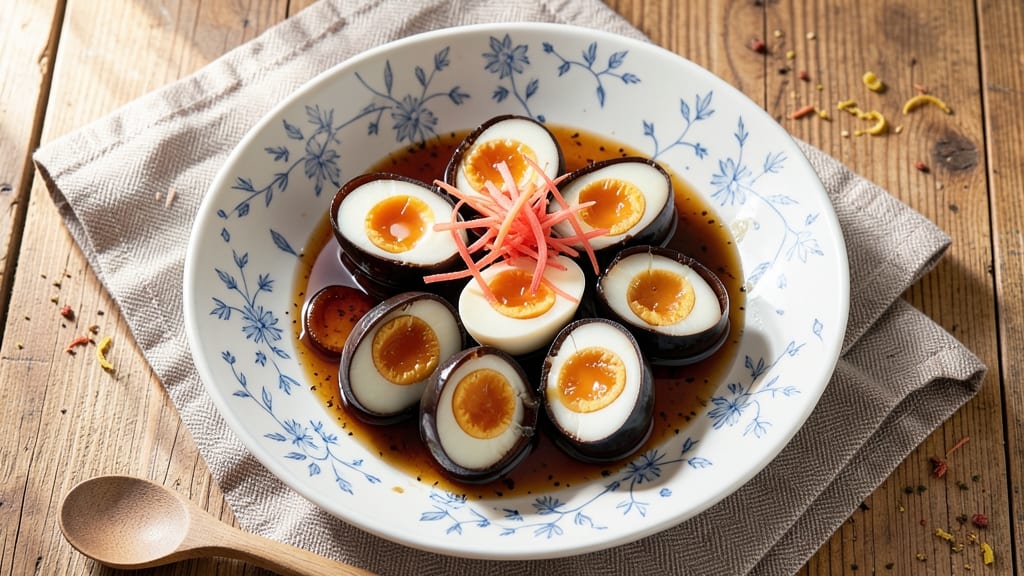
This steam egg with century egg recipe transforms two iconic Chinese delicacies into a harmonious dish where delicate steamed eggs meet the bold, earthy depth of century eggs.
The contrast between the silky, jade-green steamed yolks and the dark, marbled century egg creates a visual and textural masterpiece that's as impressive as it is delicious.
The secret lies in precise technique: steaming eggs to achieve that signature tender, firm-yet-silky texture while properly preparing century eggs—whether you're curing them at home or using store-bought ones. I've refined this method over years of testing, balancing traditional authenticity with approachable steps for home cooks.
What you'll achieve is a plate that marries two legendary Chinese ingredients—the bright, clean flavor of steamed eggs and the rich, umami complexity of century eggs—creating a dish that's both elegant and deeply satisfying. The presentation alone makes it perfect for special occasions or when you want to impress.
This recipe works equally well as a standalone dish or paired with delicate greens and a light soy-based sauce. Let's bring this celestial yolk fusion to your table with confidence and precision.
Ingredients for steam egg with century egg
Eight delicate eggs meet four bold century eggs for a dish that balances tradition with modern elegance.
| Ingredient | Amount | Notes |
|---|---|---|
| Fresh Eggs 🥚 | 8 whole | Large, room temperature preferred |
| Century Eggs 🥚 | 4 whole | Store-bought or homemade, peeled |
| Fresh Ginger 🧅 | 1 inch | Thinly sliced, peel removed |
| Light Soy Sauce 🍶 | ¼ cup | High-quality, preferably Japanese |
| Dark Soy Sauce 🍶 | 1 tbsp | For depth of flavor |
| Rice Vinegar 🍶 | 2 tbsp | Seasoned preferred |
| Sesame Oil 🫒 | 1 tbsp | Toasted, for aroma |
| Green Onions 🧅 | 3 whole | Thinly sliced, for garnish |
| Rock Sugar 🍬 | 2 tbsp | Or granulated sugar substitute |
| Shaoxing Wine 🍷 | 2 tbsp | Dry, for steaming |
| Cornstarch 🌾 | 1 tbsp | For egg mixture |
| Water 💧 | 3 cups | For steaming |
| Salt 🧂 | ½ tsp | Kosher or sea salt |
| White Pepper 🌶️ | ¼ tsp | Freshly ground |
Century eggs are the heart of this dish—authentic ones have a distinctive dark, marbled exterior and a rich, creamy yolk with an earthy, umami depth. For the best quality, specialty Asian markets like H Mart or 99 Ranch Market carry them pre-packaged. Freshness is key: look for eggs that are firm to the touch and have that signature deep purple hue. If you're curing your own, the process takes at least 3 weeks, so plan ahead. The steamed eggs require large, fresh eggs—room temperature eggs steam more evenly. Trader Joe's or Whole Foods are reliable sources for high-quality eggs, but any reputable grocery store will do.
No century eggs available? Black garlic or fermented tofu can add a similar depth, though the texture won't be identical. For the ginger, fresh is non-negotiable—dried won't provide the same bright, peppery kick. The soy sauces should be Japanese brands like Kikkoman or Yamasa for authentic flavor. If you're short on Shaoxing wine, dry sherry at half the amount works in a pinch. The rice vinegar can be substituted with apple cider vinegar, but seasoned rice vinegar has a more complex flavor. For the steaming process, ensure your bamboo steamer is clean and dry—moisture can affect the texture of the eggs.
Century eggs keep for up to 2 weeks in the fridge once peeled, stored in a sealed container with a little soy sauce to maintain moisture. Steamed eggs are best enjoyed immediately, but they'll hold for 2 days in the fridge if wrapped tightly in plastic. For long-term storage, freeze the steamed eggs in their shells—up to 3 months. The sauce components (soy, vinegar, sesame oil) can be prepped a day ahead and stored in airtight containers. When reheating, warm gently over low heat to preserve the delicate textures—this dish is all about the contrast, so don't overcook.
Why You'll Love This Recipe
- Five-Ingredient Magic: I swear by this recipe—just eggs, century eggs, a thumb of ginger, and two soy sauces. That’s it. No chopping mountains of veggies or hunting for obscure spices. Honestly, if you can boil water, you can nail this.
- Umami Bomb: The dark soy gives it that glossy, caramelized sheen, while the century egg’s creamy, funky center cuts through the fresh egg’s simplicity. Between us, the first bite is dangerously satisfying—like a tiny flavor explosion in your mouth.
- Lunchbox Hero: I pack these cold the next day, and they’re still perfect—no reheating needed. The century egg stays intact, the fresh egg holds its shape, and the soy-ginger dressing keeps everything cohesive. My kids grab them before school; I eat them at my desk. Reliable, every time.
- Budget Flex: Century eggs might sound fancy, but they’re cheaper than you’d think—especially if you buy them in bulk. Fresh eggs? Always affordable. A little ginger and soy sauce stretch this into multiple meals. I’ll be real: this is my go-to when groceries are tight but I still want something that feels special.
Step-by-step instructions for steaming eggs with century eggs
Master this delicate balance of textures and flavors through precise technique and timing.
Prepare the Fresh Egg Mixture
In a medium bowl, gently whisk together the 8 whole fresh eggs until just combined—no need to overbeat. Add the 1 tbsp cornstarch, 2 tbsp rock sugar, and 0.5 tsp salt to the eggs. Mix until the cornstarch is fully dissolved and the mixture is smooth and homogeneous. I like to use a whisk for this step to avoid creating too many air bubbles that could affect the final texture.
In a separate small bowl, combine the 0.25 cup light soy sauce, 1 tbsp dark soy sauce, 2 tbsp rice vinegar, 2 tbsp shaoxing wine, and 0.25 tsp white pepper. Whisk this marinade until fully integrated. The mixture should be vibrant and aromatic—this will infuse the eggs with depth of flavor during steaming.
Assemble the Steaming Components
Fill a clean steamer basket with the 3 cups water and bring it to a gentle simmer over medium heat. While the water heats, peel the 4 whole century eggs if they aren't already peeled, and place them in a small heatproof bowl. Add the 1 inch fresh ginger (thinly sliced) and the prepared soy sauce marinade to the bowl with the century eggs.
Pour the egg mixture into a separate heatproof ramekin or small bowl that fits comfortably in your steamer. The key here is to use containers with similar dimensions so they steam evenly. Place both bowls in the steamer basket, ensuring they're not touching each other or the sides of the basket.
Steam to Perfect Texture
Once the water reaches a gentle simmer (small bubbles forming continuously but not vigorously boiling), carefully place the steamer basket over the pot. Cover with a tight-fitting lid and steam for 12-14 minutes. The eggs should be set but still slightly jiggly in the center—this ensures a silky texture rather than a rubbery one.
Here's the critical checkpoint: The fresh egg mixture should reach an internal temperature of 150-155°F when done. Use an instant-read thermometer to verify—this temperature range gives you that perfect custard-like consistency. If you don't have a thermometer, cut into one egg to check: It should be fully set but still slightly translucent in the center.
Finish with Sesame Oil and Garnish
Remove the steamer from heat and let the eggs rest for 2-3 minutes before serving. This resting period allows the heat to distribute evenly. While they rest, carefully drizzle 1 tbsp sesame oil over both the fresh egg and century egg preparations. The sesame oil should be warmed but not smoking—just enough to release its nutty aroma.
Gently slice the 3 whole green onions and arrange them artfully on top of both egg preparations. The green onions add a fresh contrast to the rich, umami flavors. Serve immediately while the eggs are still warm, as the textures and flavors are at their peak. Each bite should offer a perfect harmony of creamy fresh egg, funky century egg, and aromatic seasonings.
Pro Tips For Making Steam Egg With Century Egg
- Crack Eggs First: Pop the fresh eggs into the steamer basket before adding century eggs—this keeps the whites from overcooking while waiting for the century eggs to heat through. I learned this the hard way after ending up with rubbery whites because I added everything at once.
- Peel Century Eggs Right: Score the century egg shells with a knife before peeling—it’s messy, but it guarantees clean removal of that stubborn black membrane. Skip this, and you’ll end up with bits of shell in your dish (trust me, it’s worse than it sounds).
- Balance the Soy Sauces: Use twice as much light soy as dark—century eggs are already intense, and dark soy can overpower the delicate fresh egg flavor. Start with 1 tsp dark, 2 tsp light, and adjust to taste (your future self will thank you).
- Steam Over High Heat: Blast the steamer to maximum heat for the first 2 minutes—this sears the ginger and eggs slightly, locking in flavor before you reduce to a gentle simmer. After burning three batches, I finally figured out that patience here means better texture later.
Flavor customization for this recipe
Sweet Heat Fusion
Add 1 tsp chili crisp or ½ tsp gochujang paste to the soy sauce marinade for a sweet-spicy kick. The heat from the chili crisp cuts through the richness of the century egg while the sugar in the rock sugar balances it beautifully.
I love using Lao Gan Ma chili crisp—it adds a smoky depth that elevates the dish. For extra heat, sprinkle ½ tsp crushed Sichuan peppercorns over the century eggs before serving. 🌶️
Herbal Infusion
Swap the ginger for ½ tsp dried shiitake powder or 1 tsp fresh shiitake mushrooms (finely minced) in the century egg marinade. This adds an earthy umami that pairs perfectly with the funky century egg.
For a brighter twist, add 1 tsp fresh cilantro or Thai basil to the fresh egg mixture before steaming. The herbal notes complement the creamy texture beautifully.
Citrus Brightness
Brighten the dish with 1 tbsp fresh lemon juice or yuzu juice in the soy sauce marinade. The acidity cuts through the richness and enhances the freshness of the steamed eggs. I also like adding 1 tsp grated lemon zest to the fresh egg mixture for a subtle citrus aroma.
For garnish, serve with thinly sliced kumquats or a sprinkle of citrus salt to keep the flavors vibrant.
Smoky Depth
Infuse the steamed eggs with smoky flavor by adding ½ tsp smoked salt or 1 tsp liquid smoke (just a drop!) to the egg mixture. For the century eggs, add ½ tsp toasted sesame seeds and a pinch of smoked paprika to the marinade.
The smokiness adds complexity that bridges the two textures perfectly. If you have charred shallots from another dish, sprinkle them over the top for extra depth.
Creamy Twist
Add a luxurious creaminess by stirring 1 tbsp coconut cream or 1 tsp mascarpone cheese into the fresh egg mixture before steaming. The subtle richness enhances the silky texture while keeping the dish light.
For the century eggs, a drizzle of white miso cream sauce (mix 1 tsp white miso paste with 1 tsp heavy cream) adds a velvety contrast. This works especially well if you're serving the dish as part of a multi-course meal.
Spiced Nuts Crunch
Top the finished dish with crushed peanuts or candied pecans for a delightful crunch. Toss 2 tbsp peanuts with ½ tsp cinnamon and ½ tsp sugar, then toast in a dry pan until golden.
The nutty crunch contrasts the creamy eggs perfectly, adding texture and a touch of sweetness. For extra flair, garnish with edible gold leaf or a sprinkle of poppy seeds for a festive touch.
Nutrition facts
Frequently asked questions
Can I substitute store-bought century eggs for homemade?
Store-bought century eggs work perfectly—they're pre-cured and ready to use. Look for ones with a deep purple-black exterior and firm texture. Just peel them carefully before adding to the recipe. For best results, choose eggs that have been cured for at least 3 weeks for optimal flavor and texture.
Why do my steamed eggs turn out rubbery instead of silky?
Rubbery texture usually means overcooking. The eggs should reach 150-155°F internally and still have a slight jiggle in the center. Check your steaming time—12-14 minutes is ideal. Also ensure your water is at a gentle simmer (not boiling vigorously) and the eggs aren't touching the steamer basket.
How do I make this dish vegetarian?
Replace century eggs with 4 marinated tofu eggs (silken tofu marinated in soy sauce, vinegar, and sesame oil) or 4 black garlic cloves (sliced). For the steamed component, use 8 silken tofu cubes mixed with the same egg marinade. The texture contrast will still shine!
Can I prepare the century egg marinade ahead?
Yes! The century egg marinade (soy sauce, vinegar, wine, and ginger) can be made 1 day ahead and stored in an airtight container. Keep the century eggs separate until ready to steam. The fresh egg mixture should be prepared just before steaming for best texture. This saves time while ensuring perfect results.
What's the best way to serve this dish?
This elegant pairing works beautifully as a standalone dim sum dish or alongside jasmine rice and steamed bok choy. For extra presentation, serve on a lily leaf platter with a side of chili oil for dipping. The contrast of textures makes it perfect for special occasions!