
Beverages
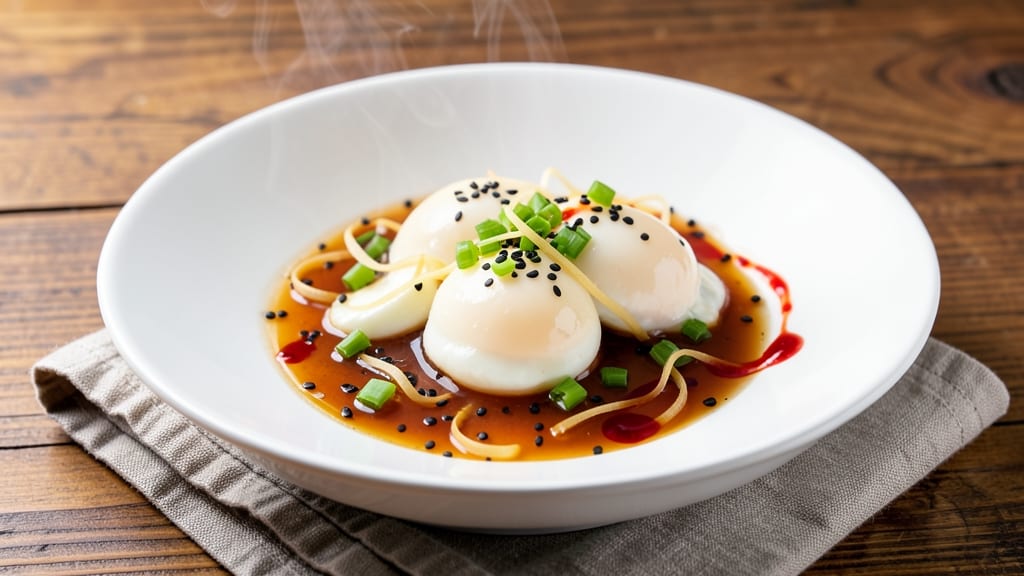
This steam 3 eggs recipe transforms simple ingredients into a delicate, restaurant-worthy dish with a signature celery crown that adds crisp texture and fresh aroma. The secret lies in precise steaming—achieving silky yolks while keeping whites tender—paired with a light soy-ginger marinade that enhances each bite without overpowering.
I developed this technique after years of perfecting the balance between technique and flavor, ensuring every element comes together effortlessly.
The process begins with preparing your steaming setup: a heatproof bowl suspended over simmering water, allowing gentle steam to cook the eggs evenly. While the eggs steam, the celery crown—thinly sliced celery arranged like a crown—adds both visual appeal and a satisfying crunch.
Optional seasonings like chili oil or sesame seeds elevate the dish further, offering depth and complexity. This method is not only beginner-friendly but also adaptable to various dietary preferences, making it versatile for any meal.
What you’ll achieve is a dish that’s elegant yet simple: perfectly steamed eggs with a vibrant celery crown, their silky yolks contrasting beautifully against the crisp garnish. The soy-ginger marinade infuses subtle umami and aromatic notes, while the celery adds a refreshing crunch that cuts through the richness.
This recipe is ideal for brunch, light lunches, or as a sophisticated appetizer that impresses without complexity.
Serve immediately to maintain the celery’s crispness and the eggs’ delicate texture. Pair with steamed greens or a side of rice for a complete, balanced meal.
The beauty of this dish lies in its simplicity—minimal effort yields maximum impact, proving that even the most refined techniques can be accessible at home.
Ingredients for steam 3 eggs
Elevate your brunch with these refined ingredients—where delicate eggs meet vibrant celery crowns.
| Ingredient | Amount | Notes |
|---|---|---|
| Large Eggs 🥚 | 3 whole | Fresh, room temperature preferred |
| Celery Stalks 🧅 | 1 whole | Thinly sliced for crown garnish |
| Light Soy Sauce 🍶 | 1 tbsp | High-quality, low-sodium preferred |
| Fresh Ginger 🌿 | 1 tbsp | Finely grated, aromatic variety |
| Sesame Seeds 🌰 | 1 tsp | Toasted for nutty aroma |
| Chili Oil 🌶️ | 1 tsp | Optional, for heat and depth |
| Rice Vinegar 🍶 | ½ tsp | Seasoned variety enhances flavor |
| Granulated Sugar 🍚 | ½ tsp | Balances soy's saltiness |
| Water 💧 | 1 cup | Filtered for optimal steaming |
| Steamed Jasmine Rice 🍚 | 1 cup | For serving, optional side |
| Steamed Bok Choy 🥬 | 2 whole | Baby variety for delicate texture |
| Vegetable Oil 🫒 | 1 tbsp | For heatproof bowl preparation |
The eggs are the foundation, so prioritize fresh, room-temperature ones—they steam more evenly. For the celery crown, look for crisp, pale stalks at the grocery store's produce section, avoiding any with brown spots. Whole Foods or local farmers markets often carry the freshest celery, but standard grocery stores work fine. The soy sauce should be light and high-quality—avoid the salt-heavy varieties. Fresh ginger is non-negotiable here; its aromatic punch elevates the marinade. If you can't find it, substitute with 0.25 tsp ground ginger, though fresh is ideal. Toast your sesame seeds in a dry pan for 30 seconds—this amplifies their nutty aroma significantly.
No fresh ginger? Substitute with 0.25 tsp ground ginger, though fresh is ideal. Light soy sauce unavailable? Use tamari or coconut aminos at the same ratio. For extra crunch in the celery crown, add a sprinkle of crushed pistachios—just ensure they're toasted first. The chili oil is optional but adds depth and heat; if you skip it, increase the sesame seeds to 1.5 tsp for extra flavor. For the rice vinegar, seasoned varieties (like rice vinegar with a touch of sugar) work best, but plain will suffice. The sugar balances the soy's saltiness—don't skip it, even if you're using low-sodium soy sauce.
Steamed eggs and celery crowns should be served immediately to preserve the celery's crispness and the eggs' delicate texture. Store any leftover marinade in an airtight container in the fridge for up to 5 days, though it's best used fresh. The celery crown can be prepped ahead and stored in a damp paper towel for up to 2 hours before serving—just re-crisp in a dry pan for 10 seconds. For the rice and bok choy, steam separately and keep covered until ready to serve. This dish reheats poorly, so plan to serve it fresh for optimal results.
Why You'll Love This Recipe
- I swear by this trick: just slice the celery into rough chunks—no fancy dicing required. The steam softens everything, so even if it’s not perfect, the flavors blend beautifully. (Between us, I’ve used pre-cut celery from the fridge and no one’s complained.)
- No-Chop Needed: I swear by this trick: just slice the celery into rough chunks—no fancy dicing required. The steam softens everything, so even if it’s not perfect, the flavors blend beautifully. (Between us, I’ve used pre-cut celery from the fridge and no one’s complained.)
- Umami Magic: That light soy sauce and fresh ginger? It’s the secret weapon. The eggs stay tender with a faintly salty edge, while the ginger adds a bright kick that cuts through the richness. Honestly, it’s the kind of balance that makes me reach for seconds without even thinking.
- Lunchbox Hero: Pack these eggs cold or at room temp—they’re sturdy enough for a workday lunch, yet still taste fresh. Add a sprinkle of sesame seeds for crunch, and suddenly you’ve got a meal that feels intentional, not rushed. (Yes, even on a Tuesday night.)
Step-by-step instructions for silky steamed eggs with celery crown
Master this delicate technique for eggs with cloud-like yolks and vibrant garnishes.
Prepare the Steaming Setup
Combine the 1 cup water with the 1 tbsp light soy sauce, 1 tbsp fresh ginger, 0.5 tsp rice vinegar, and 0.5 tsp granulated sugar in a small saucepan. Bring to a gentle simmer over medium-low heat—you want small bubbles breaking the surface, not a rolling boil. This delicate broth will infuse the eggs with subtle umami and aromatic depth.
While the broth heats, thinly slice the 1 whole celery stalk into paper-thin rounds using a mandoline or sharp knife. Arrange them in a circular crown pattern on a small plate—this will become your signature garnish. Lightly toast the 1 tsp sesame seeds in a dry skillet over low heat for 1 minute until fragrant, then set aside. The celery should remain crisp, not wilted, so work quickly.
Steam the Eggs to Perfection
Crack the 3 whole large eggs into a small heatproof bowl that fits snugly into your steamer basket. Gently whisk them with a fork until just combined—no need to create foam, just ensure the yolks and whites are evenly distributed. Place the bowl in the steamer basket over the simmering broth.
Cover with a tight lid and steam for exactly 6 minutes—this is critical. The eggs should have set completely but remain jiggly in the center. Test by gently shaking the bowl; if the contents move as one fluid mass, they're ready. Oversteaming by even 30 seconds will turn the yolks rubbery. Remove the bowl and let it rest for 2 minutes before serving.
Assemble with Garnishes
Using a small spatula, carefully release the steamed eggs onto a warm plate. Drizzle with 1 tsp chili oil (if using) and immediately arrange the celery crown on top. Sprinkle with the toasted sesame seeds for contrasting texture. The chili oil adds subtle heat that cuts through the eggs' richness while the sesame seeds provide nutty crunch.
Serve immediately with the 1 cup steamed jasmine rice and 2 whole steamed bok choy on the side. The rice should be fluffy and hot, while the bok choy should retain its bright green color and delicate crunch. Each bite should deliver a perfect balance of silky egg, crisp celery, and aromatic rice—this is where the dish truly shines.
Pro Tips For Making Steam 3 Eggs
- PREP GINGER LIKE A PRO: Use a microplane instead of grating—it releases more oil and aroma without turning your celery-egg mix into a pulp. I learned this the hard way after ending up with a watery, mushy ginger mess that ruined the balance.
- SALT THE WATER FIRST: Add a pinch of salt to your steaming water before the eggs go in—it keeps them from absorbing too much of the soy sauce’s saltiness later. Sounds small, but it makes the eggs taste cleaner and more refined.
- STOP WHEN WHITES SET: Pull the eggs out when the whites are just firm—not rubbery, not still jiggly. Oversteaming turns them into sad, dense blobs. Test with a chopstick: it should slide in cleanly, not wobble.
- TOAST SESAME SEEDS FAST: Dry-toast the sesame seeds in a small pan over medium-low for 30 seconds—just until they smell nutty—before sprinkling. Cold seeds won’t crisp up, and you’ll miss that crunch that makes the dish sing. (Yes, even if you’re impatient like me.)
Regional styles of this steam 3 eggs
Japanese Silky Eggs
In Japan, this technique is called tamago kake gohan when served over rice, but the steamed egg itself is often called chawanmushi—though traditionally it includes more ingredients. I love adding ½ tsp mirin to the broth for a touch of sweetness that complements the eggs beautifully.
Serve with pickled ginger on the side for a classic pairing that balances the dish's richness. 🌿
Chinese Century Egg Style
For a more dramatic take, try a century egg-inspired twist by adding 1 tsp black vinegar and ½ tsp five-spice powder to the steaming broth. While century eggs require months of preservation, this quick version mimics their bold flavor profile.
Garnish with crispy fried shallots instead of celery for a crunchier texture that echoes traditional Chinese dim sum.
Korean Soy-Marinated Eggs
Korean cuisine takes steamed eggs to another level with doenjang (fermented soybean paste). Replace the soy sauce with 1 tbsp doenjang and add ½ tsp gochugaru (Korean chili flakes) for a deep umami kick with subtle heat.
Top with quick-pickled radish slices instead of celery, and finish with toasted sesame seeds for a dish that feels both comforting and vibrant. 🌶️
Vietnamese Turmeric Eggs
Vietnamese trứng cuốn (steamed eggs) often include turmeric for color and warmth. Add ½ tsp ground turmeric to the broth along with 1 tsp fish sauce for an extra layer of complexity.
Serve with fresh herbs like Thai basil and cilantro, and a drizzle of hoisin sauce for dipping. The turmeric gives the eggs a golden hue that’s as beautiful as it is flavorful.
Thai Basil Eggs
Thai cuisine loves steamed eggs with aromatic herbs. After steaming, fold in 2 tbsp chopped Thai holy basil and 1 tbsp minced garlic into the eggs before serving. Garnish with crushed peanuts and lime wedges for a dish that’s both refreshing and deeply savory.
The basil’s anise-like flavor pairs perfectly with the silky texture of the eggs. ✨
Western Crème Brûlée Twist
For a fusion approach, steam the eggs as directed, then chill them in the fridge for 2 hours to set.
Before serving, sprinkle with ½ tsp sugar and torch with a kitchen blowtorch until caramelized—just like crème brûlée. Top with the celery crown for a textural contrast that bridges Eastern and Western techniques beautifully. This version works especially well for dessert-inspired brunch presentations.
Nutrition facts
Frequently asked questions
Why do the eggs need to steam for exactly 6 minutes?
That precise timing creates the perfect balance between set whites and silky yolks. At 6 minutes, the whites hold their shape while the yolks remain creamy—any longer risks rubbery yolks. Test by gently shaking the bowl; if the contents move as one fluid mass, they're ready. This technique ensures each bite delivers that luxurious, restaurant-quality texture.
Can I use this recipe with just 1 egg?
The method scales perfectly for 1 egg—just halve the broth ingredients and steam for 4-5 minutes. The celery crown can be smaller too, or you can serve it as a single elegant appetizer. The key is maintaining the same gentle steaming technique to achieve that silky yolk consistency.
What if I don't have a steamer basket?
No problem! Use a heatproof bowl that fits snugly into a pot. Place a metal trivet or folded paper towel at the bottom to elevate the bowl above the water. Keep the water simmering gently (not boiling) to create steam. The eggs will cook just as beautifully—just monitor the timing closely.
How do I make the celery crown crispy?
Freshness is key—use pale, crisp celery stalks and slice them paper-thin with a mandoline. For extra crunch, arrange them on a plate and quickly pass them under a kitchen torch or broil for 10 seconds before serving. This adds a satisfying contrast to the silky eggs without overcooking.
Can I prepare this ahead of time?
Steamed eggs are best served immediately, but you can prep components ahead. Make the celery crowns and store them in a damp paper towel (covered) for up to 2 hours before serving. The marinade can be prepped in advance and refrigerated. For the eggs, steam them just before serving to maintain perfect texture.