
Sauces & Condiments
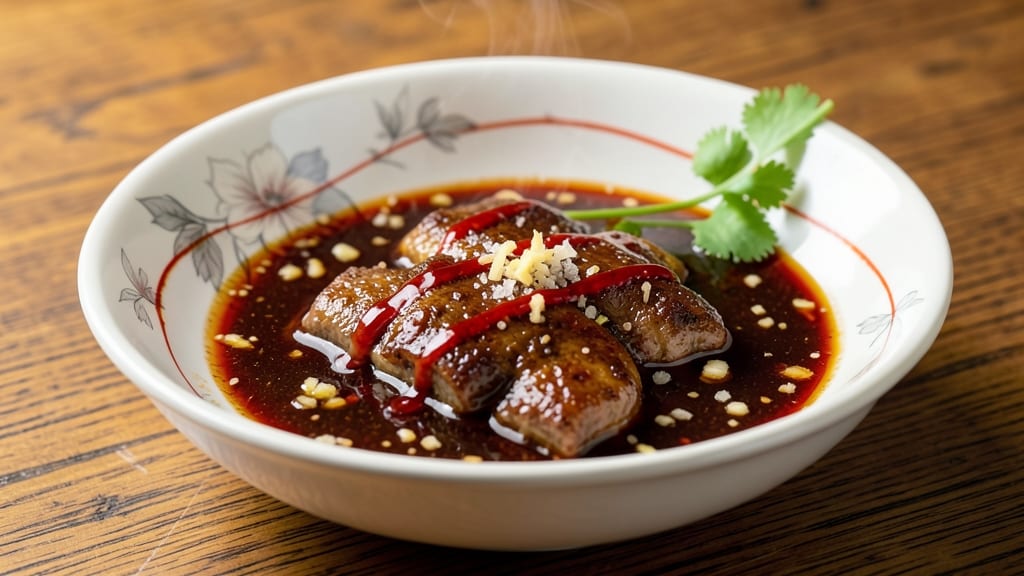
This steak egg roll dipping sauce recipe transforms ordinary bites into an umami explosion with its perfect balance of soy, ginger, and chili heat. The secret lies in simmering soy sauce, hoisin, and vinegar until flavors meld into a glossy, velvety sauce that clings to every crispy edge.
I developed this after years of testing—it's the one sauce that makes even store-bought egg rolls taste like a restaurant special. What sets this recipe apart is the fusion of bold flavors: tangy rice vinegar brightens the deep umami of soy and hoisin, while fresh ginger adds warmth without overpowering.
A touch of sugar caramelizes slightly during simmering, creating natural sweetness that rounds out the heat from chili oil. The sauce thickens just enough to coat without being gluey, making every dip satisfyingly rich.
By the time you're done, you'll have a sauce that's restaurant-quality yet simple to make—just 10 minutes of active time with 30 minutes of resting for maximum flavor development. The aroma alone will have everyone anticipating the first bite, and the taste? Pure comfort in every drop.
This is the sauce that turns a simple appetizer into a showstopper. Perfect for pairing with steak egg rolls, spring rolls, or even as a marinade for proteins.
Once made, it keeps beautifully in the fridge for up to 2 weeks, so you can enjoy this flavor-packed sauce again and again—no leftovers wasted here.
Ingredients for steak egg roll dipping sauce
Eight simple ingredients for a sauce that tastes like a restaurant special.
| Ingredient | Amount | Notes |
|---|---|---|
| Light Soy Sauce 🍶 | ½ cup | Use high-quality brand for depth |
| Hoisin Sauce 🍶 | ¼ cup | Thick, sweet-savory sauce |
| Rice Vinegar 🍶 | ¼ cup | White or seasoned variety |
| Fresh Ginger 🧄 | 1 tbsp | Finely grated, aromatic |
| Granulated Sugar 🍚 | 1 tbsp | White or brown sugar |
| Chili Oil 🌶️ | 1 ½ tbsp | Adjust for desired heat |
| Sesame Oil 🫒 | 1 tbsp | Toasted sesame flavor |
| Garlic Cloves 🧄 | 2 cloves | Minced for aromatic punch |
The soy sauce is the backbone—Kikkoman or La Choy are my go-tos for that perfect balance of saltiness and depth. Hoisin sauce? Lee Kum Kee is the gold standard, but any brand with a thick, glossy texture works. Fresh ginger is non-negotiable here; pre-grated from the jar lacks that bright zing. Trader Joe's sells pre-grated ginger in tubes, which is a lifesaver for quick prep. If you're using a whole knob, peel and grate it yourself—it makes all the difference. The chili oil can be store-bought or homemade; just make sure it's labeled as chili oil, not chili crisp (which is way too dry).
No hoisin sauce? Substitute with 1 tbsp soy sauce plus 1 tsp honey—it won't be identical, but it'll get you close. Running low on rice vinegar? Apple cider vinegar works in a pinch, though it adds a slightly fruity note. Skip the sesame oil? Toast sesame seeds and blend with 1 tsp neutral oil for a quick fix. The garlic can be minced with a knife or pulsed in a food processor—just don't overdo it, or you'll end up with a paste. For extra heat, add a pinch of red pepper flakes or a dash of sriracha. If you're making this ahead, the flavors actually improve after sitting overnight—trust me on that one.
This sauce keeps beautifully in the fridge for up to 2 weeks, sealed in an airtight container. The flavors meld and deepen over time, so it's perfect for making a big batch. If you're prepping for a party, double the recipe—it disappears fast. For leftovers, reheat gently in a small saucepan over low heat, stirring until warm. Store any unused chili oil separately in the fridge to preserve its potency. Freezing isn't recommended, as the texture can separate, but if you must, use it within 3 months.
Why You'll Love This Recipe
- Five-Ingredient Magic: I swear by this combo—just heat, stir, and taste. No peeling garlic, no mincing over a million herbs, just those five pantry staples blending into something that tastes like a restaurant took the time.
- Sweet-Savory Balance: That hoisin and ginger? It’s the perfect push—salty, sticky, with just enough tang to cut through grease. Honestly, I’ve tried store-bought sauces, but this one actually tastes like it was made with intention.
- Game for Any Bite: Drizzle it over steak egg rolls, use it as a quick marinade for stir-fry, or even toss it with cold noodles when you’re lazy. Between us, I’ve even slathered it on grilled cheese when I was desperate.
- Lasts All Week: Make a double batch—it keeps in the fridge for days without separating or tasting sad. I’ll be real: I’ve had this sauce clinging to the back of my fridge for almost two weeks, and it’s still better than takeout.
Step-by-step instructions for steak egg roll dipping sauce
This sauce comes together in minutes with bold flavors that cut through fried richness perfectly.
Grate and Mince the Aromatics
Use a fine grater for the 1 tablespoon fresh ginger—you want it so finely textured it nearly disappears when mixed. The goal is to release all that zesty punch without any visible bits. Meanwhile, peel the 2 cloves garlic and mince them into a paste using the flat side of your knife. I press down firmly with the heel of my knife for even mincing—this prevents any large chunks that would overpower the sauce.
Set both aside in separate small bowls. The ginger should smell bright and citrusy, while the garlic should look like a smooth, pale green paste. This prep work ensures your sauce develops maximum flavor without any texture surprises later.
Combine the Base Ingredients
In a small saucepan, whisk together the 0.5 cup light soy sauce, 0.25 cup hoisin sauce, and 0.25 cup rice vinegar. I use a fork for this step because it creates tiny bubbles that help distribute flavors evenly. Add the 1 tablespoon granulated sugar and stir until completely dissolved—this prevents any grainy texture in your finished sauce.
Place the saucepan over medium-low heat and let it simmer gently for 3-4 minutes. You're not trying to reduce this—just warm everything together so the hoisin sauce melts smoothly into the soy-vinegar base. The mixture should smell rich and slightly sweet with a tangy edge from the vinegar.
Add the Aromatics and Simmer
Remove the saucepan from heat and stir in the minced garlic and grated ginger. Let the mixture sit off the heat for 2 minutes—this allows the aromatics to bloom without cooking away. Then return to low heat and simmer for another 2-3 minutes, stirring occasionally. The sauce should thicken slightly but remain pourable.
Here's where it gets good: Taste and adjust the balance. If it needs more depth, add another ½ teaspoon light soy sauce. If it's too sharp, a pinch more sugar helps. I like mine with a noticeable but not overpowering ginger kick—this sauce should complement, not compete with, your egg rolls.
Finish with Oils and Rest
Remove from heat completely and let cool for 1 minute. Then stir in the 1.5 tablespoons chili oil and 1 tablespoon sesame oil. The chili oil adds heat and color, while the sesame oil brings that nutty aroma that ties everything together. Stir well—you want those oils evenly distributed so every dip delivers the same bold punch.
For best flavor, let the sauce rest for 10 minutes before serving. This allows all the components to meld together perfectly. The sauce should be glossy with a smooth, velvety texture—thick enough to coat the back of a spoon but still pourable. If it thickens too much while resting, simply whisk in 1 teaspoon warm water to loosen it.
Serve Warm or Cold
Transfer the sauce to a small bowl or serving dish. I like to drizzle the chili oil in a decorative pattern on top for visual appeal—it also tells your guests exactly what to expect in terms of heat. This sauce works equally well warm or at room temperature, so you can prepare it ahead and keep it covered in the fridge for up to 5 days. Just give it a quick whisk before serving to restore that perfect consistency.
The first time I made this sauce, I skipped the resting step and served it immediately—big mistake. The flavors needed time to marry. Now I always let it sit, and the difference is night and day. Serve with your egg rolls while still warm for that classic takeout experience, or drizzle over steak bites for an instant umami upgrade.
Pro Tips For Making Steak Egg Roll Dipping Sauce
- Grate Ginger Fine: I learned this the hard way—chunky ginger pieces just sit there like awkward guests. Use a microplane or the smallest holes on a box grater to get it into a paste. This dissolves smoothly into the sauce and adds real brightness without texture.
- Simmer Slowly: After burning the first batch, I finally realized: this isn’t a race. Bring the sauce to a gentle simmer (not a rolling boil) and let it cook for 5-7 minutes. That’s when the flavors meld—no more raw vinegar taste or underdeveloped hoisin.
- Balance Sugar First: Toss in the sugar before the vinegar. Stir it into the warm soy-hoisin base until fully dissolved, then add the vinegar. This prevents clumping and ensures the sauce stays silky, not grainy. (Yes, even if you’re impatient like me.)
- Use Dark Soy Too: Skip the shortcut and grab a splash of dark soy sauce—just ½ teaspoon. It deepens the color and adds a subtle smoky note that makes the sauce taste like it was made by someone who actually cares. (Your future self will notice.)
Wine and beer pairings for these flavors
Asian-Inspired Beer Pairings
For this umami-packed dipping sauce, I reach for crisp, refreshing beers that cut through the richness without overpowering. A Japanese lager like Asahi Super Dry is my top pick—its clean, slightly sweet profile balances the sauce's bold flavors beautifully.
The subtle maltiness complements the soy and hoisin, while the effervescence cleanses your palate between bites. 🍺
If you prefer something with a little more character, try a Korean hoppy lager like Hite Craft Beer's Hoppy Lager. The citrusy hop notes play surprisingly well with the ginger and chili, creating an unexpected but delightful contrast.
For a local option, Sapporo Premium works perfectly—it's widely available and has just enough body to stand up to the sauce's depth.
Light White Wine Options
When it comes to wine, I always recommend something light and acidic that won't get lost in the sauce's complexity. A dry Riesling from Germany or Washington State is ideal—its crisp acidity and subtle stone fruit notes mirror the sauce's bright ginger and vinegar elements.
Look for a Keller or Dr. Loosen Riesling for that perfect balance. 🍷
For a budget-friendly alternative, Pinot Grigio from Italy's Alto Adige region delivers excellent results. The mineral notes in these wines complement the sauce's umami depth without competing. Avoid oaky Chardonnays or heavy whites—they'll make the sauce taste even richer than it already is.
Unexpected Cocktail Pairings
If you're serving this sauce at a gathering, consider pairing it with a Gin & Tonic infused with cucumber and mint. The herbal notes enhance the ginger in the sauce while the gin's botanicals create a harmonious bridge between the two.
I like to add a splash of Plymouth Gin and Fever-Tree cucumber tonic for that perfect refreshing contrast. 🍸
For a non-alcoholic option, try a sparkling yuzu lemonade—the citrus notes complement the sauce's tangy vinegar while the effervescence cleanses the palate. Mix equal parts sparkling water with yuzu juice (available at Asian markets) and a touch of honey for sweetness.
The bright acidity makes every bite of egg roll taste even more vibrant.
Craft Beer for Adventurous Palates
If you're feeling experimental, a Belgian witbier like Stella Artois Wit brings an interesting twist. The coriander and orange peel notes in these beers create a lovely contrast with the sauce's ginger and chili. The slight sweetness from the orange peel actually enhances the sauce's caramelized sugar elements. 🍺
For those who love a challenge, try pairing with a lightly hopped IPA like New Belgium's Fat Tire Amber Ale. The subtle hop bitterness helps balance the sauce's richness, while the malt sweetness complements the hoisin.
It's a match that might surprise your guests but works beautifully when done right.
Nutrition facts
Frequently asked questions
Can I make this sauce without hoisin?
Substitute 1 tablespoon soy sauce plus 1 teaspoon honey for the 0.25 cup hoisin. While it won't be identical, the extra soy adds depth and the honey mimics hoisin's slight sweetness. For best results, simmer the sauce an extra 1-2 minutes to let flavors meld.
How spicy should the chili oil be?
Start with 1.5 tablespoons of mild chili oil and adjust to taste. For a subtle kick, use 1 tablespoon of mild oil plus ½ teaspoon red pepper flakes. If you love heat, swap for 1 tablespoon of spicy chili oil and add an extra ½ teaspoon. Always taste before serving!
Can I use this sauce for other foods besides egg rolls?
This versatile sauce works beautifully with steak bites, spring rolls, fried dumplings, or even as a marinade for proteins like chicken or tofu. For extra richness, drizzle over grilled meats or noodle dishes. The balance of sweet, tangy, and umami makes it a crowd-pleaser for any Asian-inspired meal.
Why does my sauce look too thin?
If your sauce is too thin, simmer it uncovered for 2-3 extra minutes on low heat to reduce slightly. For an instant fix, whisk in ½ teaspoon cornstarch mixed with 1 teaspoon water until thickened. Avoid over-simmering, as it can make the sauce gluey. The ideal texture should coat the back of a spoon but remain pourable.
How long will this sauce keep in the fridge?
This sauce stays fresh in an airtight container in the fridge for up to 2 weeks. The flavors actually deepen over time, so it's perfect for making ahead. For longer storage, freeze for up to 3 months (though texture may separate slightly). Always store chili oil separately to preserve its potency.