
Breakfast & Brunch
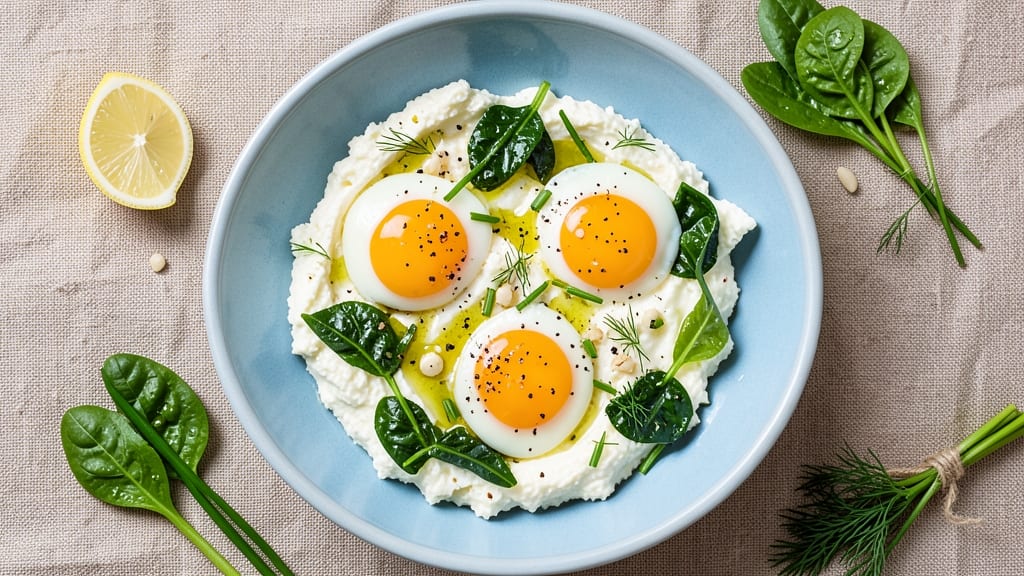
This spinach ricotta eggs recipe transforms a simple breakfast into a restaurant-worthy dish with creamy yolk centers and vibrant herb-infused flavors. The secret lies in blending ricotta with sautéed spinach and fresh herbs, creating a velvety filling that pairs perfectly with perfectly cooked eggs—whether scrambled, baked, or poached.
I developed this recipe during a busy week when I needed something elegant yet quick, and it quickly became a weekend staple.
The magic happens in the preparation: wilted spinach and finely chopped herbs blend seamlessly with ricotta, creating a rich, slightly tangy filling that contrasts beautifully with the eggs' custardy texture.
This dish is vegetarian-friendly, packed with protein, and ready in just 15 minutes, making it ideal for brunch or a leisurely weekend morning. The combination of creamy ricotta, earthy spinach, and bright herbs delivers a harmonious balance of flavors that feels both indulgent and balanced.
What makes this recipe stand out is its versatility—you can serve it as a standalone dish or pair it with toasted sourdough, a fresh arugula salad, or roasted cherry tomatoes for added depth.
The eggs remain tender and rich, while the spinach-ricotta mixture adds a subtle earthiness that elevates the dish without overpowering it. Each bite is a perfect marriage of textures and flavors, proving that breakfast can be both nutritious and luxurious.
The key to success is using room-temperature eggs and gently folding the ricotta-spinach mixture into the eggs just before serving to maintain its creamy consistency. Whether you're hosting a brunch or treating yourself to a special morning, this recipe delivers a dish that feels like a celebration—without the fuss.
Let’s get cooking!
Ingredients for spinach ricotta eggs
Creamy ricotta, vibrant herbs, and perfectly cooked eggs create a brunch-worthy vegetarian dish in minutes.
| Ingredient | Amount | Notes |
|---|---|---|
| Large Eggs 🥚 | 8 whole | Room temperature for even cooking |
| Whole Milk Ricotta Cheese 🧀 | 1 cup | Full-fat for creaminess, drained if watery |
| Fresh Baby Spinach 🌿 | 2 cups | Packed, stems removed, lightly wilted |
| Fresh Chives 🌱 | ¼ cup | Finely chopped, mild onion flavor |
| Fresh Dill 🌿 | ¼ cup | Chopped, bright herbal note |
| Extra-Virgin Olive Oil 🫒 | 2 tbsp | High quality, fruity variety |
| Garlic Cloves 🧄 | 2 cloves | Minced, for subtle aromatic depth |
| Lemon Juice 🍋 | 1 tbsp | Freshly squeezed, brightens flavors |
| Salt 🧂 | ½ tsp | Diamond Crystal kosher salt |
| Freshly Ground Black Pepper 🌶️ | ¼ tsp | Cracked peppercorns preferred |
| Unsalted Butter 🧈 | 1 tbsp | For egg cooking, softened |
| Toasted Sourdough Bread 🍞 | 4 slices | Optional serving base, lightly toasted |
The ricotta is the heart of this dish—whole milk, full-fat gives the richest texture. Whole Foods or Trader Joe's carry excellent quality, but any well-drained ricotta works. Avoid pre-shredded spinach (it's waterlogged)—baby spinach wilts beautifully in seconds. For the herbs, fresh is non-negotiable here: chives and dill should be bright green with no wilting. If you're short on time, pre-chopped herb blends from the grocery store work, but fresh always wins. The eggs? Room temperature is critical for even cooking—take them out 20 minutes before starting.
No fresh dill? Substitute with parsley at double the amount, though it'll lack that signature brightness. The spinach can be swapped for wilted kale or Swiss chard if you prefer. For a tangier profile, add 1 tsp lemon zest to the ricotta mixture. The olive oil matters—avoid light or refined oils; they won't have the fruity depth. If you're making this ahead, prep the ricotta-spinach mixture the night before and store it covered in the fridge—it keeps for 2 days and actually tastes better after flavors meld.
This dish shines when served immediately, but the ricotta-spinach filling can be prepped 1 day ahead—store it in an airtight container with plastic wrap pressed directly on the surface to prevent drying. The eggs should be cooked to order for perfect yolks. For make-ahead brunch hosting, pre-wilt the spinach and chop herbs the day before; assemble everything just before serving. Leftovers? The ricotta mixture keeps for 3 days in the fridge—great for quick omelets later in the week. The toasted sourdough can be prepped ahead too, just reheat it in a 200°F oven for 5 minutes before serving.
Why You'll Love This Recipe
- No-Chop Needed: I swear by this—just wilt the spinach in the same pan you’ll cook the eggs. No knife skills required, no prep mess. Toss in the ricotta and herbs right from the fridge, and you’re golden.
- Creamy-Green Magic: That first bite? Rich ricotta melts into the eggs while the spinach adds a bright, herby punch. The chives and dill finish it with a freshness that makes it taste like a fancy brunch dish—without the fuss.
- Lunch or Dinner: Make a batch on Sunday and reheat for breakfast, lunch, or even a light dinner. It’s the kind of dish that works for brunch with coffee or a quick weeknight meal when you’re starving but don’t want to cook.
- Budget Brunch Winner: Ricotta and eggs stretch farther than you’d think, and baby spinach stays fresh longer than kale. Honestly, it’s my go-to when I’m broke but still want to eat well—no sad leftovers here.
Step-by-step instructions for spinach ricotta eggs
Here's how to create silky herb-infused yolks with perfectly set whites in record time.
Prepare the Herb-Spinach Mixture
In a medium bowl, combine the 2 cups fresh baby spinach, 0.25 cup finely chopped fresh chives, and 0.25 cup chopped fresh dill. Add the 2 cloves minced garlic cloves, 1 tablespoon lemon juice, 0.5 teaspoon salt, and 0.25 teaspoon freshly ground black pepper. Gently fold everything together until the spinach is just wilted but still vibrant green.
This mixture should look bright and fresh—almost like a pesto. If the spinach appears too wet after chopping, squeeze out any excess moisture with paper towels. The ricotta will absorb flavors better when the mixture isn't overly damp. Set this aside while you prepare the eggs.
Create the Ricotta-Yolk Base
In a separate bowl, take 1 cup whole milk ricotta cheese and mash it lightly with a fork until smooth. Stir in the spinach-herb mixture until fully incorporated. The ricotta should transform into a vibrant green, herby paste. This is your flavor foundation—don't skip mixing thoroughly, as even distribution ensures every bite is packed with flavor.
Next, create small wells in the ricotta mixture using the back of a spoon. Crack 8 large eggs directly into these wells, allowing each yolk to nestle into the ricotta. The yolks should be fully submerged but still visible at the surface. This technique creates those signature creamy pockets when cooked.
Cook the Eggs in Olive Oil
Heat 2 tablespoons extra-virgin olive oil in a nonstick skillet over medium-low heat. The oil should be hot enough to shimmer but not smoke. Arrange the ricotta-filled egg cups in the skillet, spacing them about 2 inches apart. Cook undisturbed for 4-5 minutes until the edges begin to set but the centers remain soft and jiggly.
Here's where precision matters: the eggs should look like custard-filled puddles with slightly browned edges. If they brown too quickly, reduce the heat slightly. The ricotta should be gently bubbling around the edges but not boiling. This indicates the perfect cooking temperature for creamy, not scrambled, yolks.
Finish with Butter and Serve
Add 1 tablespoon softened unsalted butter to the skillet and tilt to coat the bottom evenly. Spoon any accumulated juices from the ricotta mixture over the eggs. Increase heat to medium and cook for another 3-4 minutes until the tops are just set but the centers remain tender.
Transfer the eggs to a serving platter and immediately serve over 4 slices toasted sourdough bread. The eggs should have a delicate, almost custard-like texture with vibrant green flecks throughout. Each bite should deliver a perfect balance of creamy ricotta, herby spinach, and rich egg yolk—no dryness, no rubberiness, just velvety perfection.
Pro Tips For Making Spinach Ricotta Eggs
- Salt the Ricotta First: I learned this the hard way—adding salt to ricotta after mixing it with spinach makes it watery. Sprinkle ¼ teaspoon of salt per 8 oz of ricotta before folding in the spinach, then mix gently. The cheese will absorb it evenly, and you won’t end up with a sad, diluted filling.
- Wilt Spinach Dry: Fresh baby spinach wilts best when it’s bone-dry—no soggy patches. After sautéing, drain it in a colander and press out excess moisture with a clean kitchen towel. This keeps your egg mixture from turning into a watery mess when baked or poached.
- Poach Eggs in Room-Temp Water: Cold water shocks eggs and makes them seize up. Fill your pot with water at room temperature (or warm it to about 160°F) and add a splash of vinegar. The whites will set smoothly around the ricotta-spinach center without turning rubbery.
- Toast Chives and Dill Together: Skip the chopping if you’re short on time—just tear the chives and dill into rough pieces and toast them in a dry pan for 30 seconds until fragrant. Their flavor intensifies, and you save cleanup. Sprinkle over the finished dish right before serving.
Pro cooking tips for great spinach ricotta eggs
Ricotta Texture Secrets
For that ultra-creamy texture, use whole milk ricotta straight from the fridge—I prefer Whole Foods 365 or Trader Joe's brands. If your ricotta is watery, drain it through a fine-mesh sieve lined with cheesecloth for 10 minutes before using.
The goal is a thick, spreadable consistency that clings beautifully to the eggs. 🧀
Pro tip: Lightly mash the ricotta with a fork before mixing—this creates tiny air pockets that help the eggs cook evenly. Avoid overmixing, as you want visible flecks of spinach and herbs in every bite.
If you're short on time, microwave the ricotta for 10 seconds to soften it slightly before mashing.
Spinach Prep Matters
Never use pre-washed bagged spinach—it’s too wet and will make your ricotta mixture soggy. Instead, wash and dry fresh baby spinach thoroughly, then chop it finely (about ¼-inch pieces). The spinach should wilt just enough to release its flavors without losing color.
I like to blanch the spinach for 10 seconds in boiling water, then shock it in ice water before mixing—this preserves its vibrant green hue.
For extra brightness, add 1 teaspoon lemon zest to the spinach-herb mixture. The acidity cuts through the richness of the ricotta and eggs, balancing the dish perfectly. If you’re using frozen spinach, thaw and squeeze out all excess water—this is non-negotiable for a creamy texture.
Egg Cooking Precision
Room-temperature eggs are non-negotiable—they cook more evenly and prevent the whites from turning rubbery. If your eggs are straight from the fridge, let them sit in warm water for 5 minutes before cracking.
Use a nonstick skillet (I swear by All-Clad) and heat the olive oil to 325°F—just below medium-low—so the eggs cook gently and develop a silky texture rather than a scrambled one.
Watch the edges closely: they should set in 4-5 minutes while the centers remain jiggly. If the bottoms brown too quickly, reduce the heat or add a splash of water to the pan.
The ricotta should bubble gently around the edges—this tells me the eggs are cooking at the perfect temperature for that custard-like center.
Herb Freshness Boost
Fresh herbs make all the difference—chives and dill should be bright green with no wilting. If you’re using dried herbs, reduce the amount by half (e.g., ¼ teaspoon dried dill instead of ¼ cup fresh).
For a deeper flavor, pulse the herbs in a food processor for 5 seconds before mixing—they’ll release more aroma and blend seamlessly into the ricotta.
No fresh dill? Swap in flat-leaf parsley at double the amount, but add ½ teaspoon fennel seeds toasted in the olive oil for a similar anise-like note. The herbs should be finely chopped—no larger than ¼-inch pieces—so they distribute evenly throughout the ricotta without overpowering the eggs.
Nutrition facts
Frequently asked questions
Can I make this recipe with store-bought ricotta instead of fresh?
Yes, but choose whole milk ricotta with minimal additives for the best texture. Brands like Whole Foods 365 or Trader Joe's work perfectly. If your ricotta is watery, drain it through a fine-mesh sieve lined with cheesecloth for 10 minutes before using to achieve that creamy consistency. The fresher the ricotta, the better it will blend with the spinach and herbs!
What if I don't have fresh dill or chives?
No problem! For dill, substitute with flat-leaf parsley at double the amount, but add ½ teaspoon toasted fennel seeds to the olive oil for a similar anise-like note. For chives, use green onion tops or extra parsley—just chop them finely so they distribute evenly. The key is keeping the herb flavor bright and fresh, even if it's not identical.
Can I prepare the spinach-ricotta mixture ahead of time?
The ricotta-spinach filling keeps well in an airtight container for up to 2 days in the fridge. It actually tastes better after flavors meld overnight. Just store it with plastic wrap pressed directly on the surface to prevent drying. For the eggs, cook them fresh to order—they're best served immediately with that perfect custard-like texture.
Why did my eggs turn out rubbery instead of creamy?
This usually happens when eggs are cooked too hot or not at room temperature. Use room-temperature eggs (take them out 20 minutes before cooking) and maintain medium-low heat in your nonstick skillet. The oil should shimmer but not smoke. If the bottoms brown too quickly, reduce heat or add a splash of water to the pan to create steam and keep the centers tender.
What are the best sides to serve with this dish?
This elegant dish pairs beautifully with toasted sourdough bread, a simple arugula salad with lemon vinaigrette, or roasted cherry tomatoes. For extra flair, add crispy prosciutto (if not vegetarian) or toasted pine nuts to the salad. The creamy eggs contrast perfectly with acidic or crunchy elements, balancing the rich flavors.