
Breakfast & Brunch
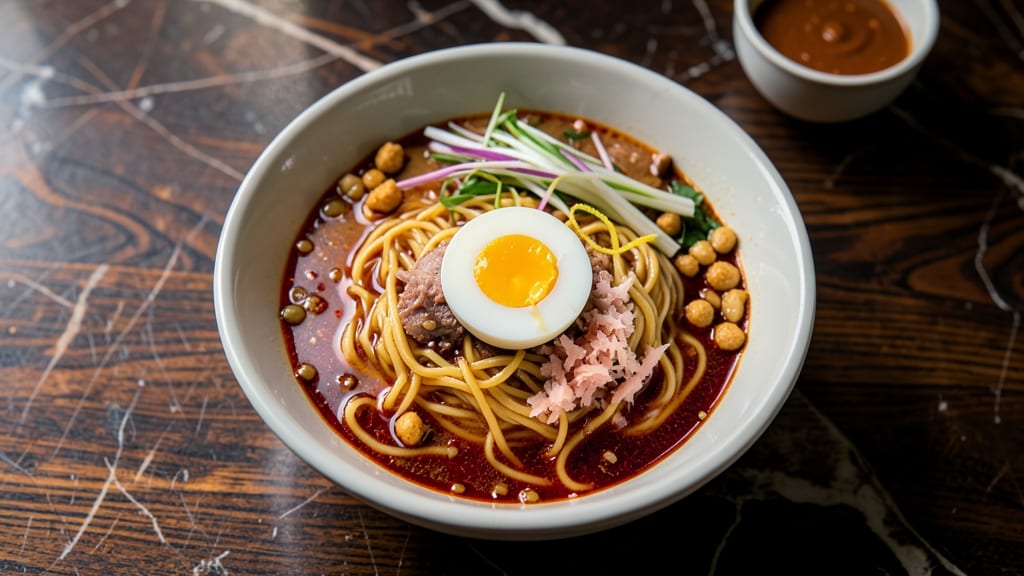
This spicy ramen with egg recipe delivers the perfect balance of fiery heat and silky richness in every bowl—just like your favorite ramen shop, but with a homemade twist.
The secret lies in a deeply flavorful broth infused with chili oil and aromatic spices, paired with a perfectly cooked egg that transforms from runny to creamy with every bite. I’ve refined this recipe over countless late-night cravings, ensuring each component—from the umami-packed broth to the marinated egg—comes together seamlessly.
The foundation starts with a bold, spicy broth built on a simple but powerful base: chicken or pork stock simmered with garlic, ginger, and a blend of chili pastes for heat. Meanwhile, the egg—whether soft-boiled or marinated in soy sauce—adds a luxurious texture that ties the dish together.
Garnishes like green onions, sesame seeds, and a drizzle of chili oil elevate the dish without overpowering the flavors, making it both restaurant-quality and adaptable to your spice preferences.
What sets this recipe apart is the harmony of techniques: a slow-simmered broth for depth, a high-heat sear for noodles to achieve that signature chew, and a perfectly timed egg that stays silky and vibrant.
The result is a bowl that’s as satisfying to eat as it is to make, with every spoonful packed with layers of spice, umami, and creaminess. Whether you’re cooking for one or a crowd, this ramen is a game-changer for weeknight dinners.
Ready to master the art of homemade ramen? The process is simpler than you think—just a few key steps separate you from a bowl that tastes like it came from a bustling Tokyo izakaya.
Let’s get started with the ingredients and techniques that will transform your kitchen into a spice-infused ramen haven.
Ingredients for spicy ramen with egg
These bold, aromatic ingredients transform simple pantry staples into restaurant-quality spicy ramen.
| Ingredient | Amount | Notes |
|---|---|---|
| Ramen Noodles 🍜 | 8 oz | Fresh or dried, any brand |
| Chicken Stock 🍗 | 4 cups | Homemade or quality store-bought |
| Pork Stock 🐷 | 2 cups | For deeper umami flavor |
| Garlic Cloves 🧄 | 6 cloves | Minced for aromatic base |
| Fresh Ginger 🌿 | 1 ½ tbsp | Grated, for zesty kick |
| Chili Oil 🌶️ | 2 tbsp | Store-bought or homemade |
| Chili Paste 🌶️ | 1 tbsp | Gochujang or sambal oelek |
| Soy Sauce 🥢 | 2 tbsp | For umami depth |
| Sesame Oil 🌰 | 1 tbsp | Toasted for nutty aroma |
| Eggs 🥚 | 4 whole | Fresh, room temperature |
| Green Onions 🧅 | 4 whole | Thinly sliced for garnish |
| Sesame Seeds 🌰 | 1 tbsp | Toasted for crunch |
| Salt 🧂 | 1 tsp | Kosher or sea salt |
| White Pepper 🌶️ | ½ tsp | Freshly ground preferred |
The broth is where the magic happens—chicken and pork stock create that rich umami foundation, while fresh ginger and minced garlic add layers of warmth. For the best stock, I grab Kitchen Basics or Imagine brands from Costco—they’ve got the depth you can’t get from bouillon cubes. Gochujang chili paste is non-negotiable here; Maesil Gochujang from Asian markets brings that authentic sweet-spicy balance. If you’re short on time, Lee Kum Kee chili paste works in a pinch, but it’s not the same. Toast your sesame seeds in a dry pan for 30 seconds—they’ll smell amazing and add that nutty crunch to every bowl.
No chili oil? Mix 1 tbsp of neutral oil with 1 tsp of chili flakes—it’s not identical, but it’ll get you close. Swapping stocks? Vegetable stock works if you’re vegetarian, but the flavor won’t be as deep. For the eggs, room temperature is key—cold eggs turn rubbery. If you’re feeling fancy, marinate them in 1 tbsp soy sauce + 1 tsp sugar for 30 minutes before cooking. Green onions can be subbed with chives if that’s what you’ve got, but they won’t have the same fresh bite. And if you’re worried about the heat level, reduce the chili paste to 0.5 tbsp—you can always add more later.
Broth keeps for 4 days in the fridge or 3 months frozen—make a double batch, it’s worth it. Toast your sesame seeds right before serving so they stay crisp. The noodles? Cook them al dente—they’ll finish in the hot broth. Store leftover ramen in airtight containers with a thin layer of broth on top to keep everything moist. Pro tip: Save your egg whites—whisk them with a pinch of salt and microwave for 30 seconds to make quick cloud eggs for the next bowl.
Why You'll Love This Recipe
- Pantry to Plate: I swear by this one—just stock, noodles, and a knife’s work for garlic. No fancy prep, no last-minute grocery runs. The real magic? That first bite of spicy broth cutting through the egg’s silkiness while the noodles soak up every drop.
- Spice & Depth: Between us, the pork and chicken stock combo is where this dish really shines. The ginger and garlic? They’re the unsung heroes—fresh, bright, and lingering in a way that makes you reach for seconds. Honestly, the chili oil finish is the cherry on top.
- Weeknight Workhorse: This is my go-to when I’ve got friends over or just need something hearty. Double the batch, store the leftovers, and reheat with a splash of water—same rich flavor, zero fuss. (Yes, even on a Tuesday night when you’re exhausted.)
- Budget-Friendly Feast: I feed four for under $10 with this. Stock is cheap, noodles are cheap, and the egg adds that luxurious touch without breaking the bank. Plus, the leftovers? Just as good cold the next day—perfect for lunches.
Step-by-step instructions for spicy ramen with egg
Here's how to craft a bowl of fiery ramen where silky egg yolks meet bold spice in perfect harmony.
Build the Spicy Broth Foundation
In a large pot, combine the 4 cups chicken stock and 2 cups pork stock over medium-high heat. Bring to a rolling boil, then reduce to a gentle simmer. While waiting, mince the 6 cloves garlic cloves and grate the 1.5 tablespoons fresh ginger using a fine grater or microplane. Add these aromatics to the simmering broth along with the 1 tablespoon chili paste and 2 tablespoons soy sauce. Let it steep for 5 minutes—this infuses the broth with deep umami and fiery warmth.
Here's the thing—don't rush this step. The chili paste needs time to bloom and meld with the stock. You'll smell the aroma intensify as the garlic and ginger release their essential oils. The broth should develop a rich, slightly cloudy appearance with a deep reddish hue from the chili. Taste and adjust seasoning with the 1 teaspoon salt and 0.5 teaspoon white pepper if needed, remembering that the eggs and chili oil will add more flavor later.
Infuse the Chili Oil and Prepare Noodles
While the broth simmers, heat a small skillet over low heat and add the 2 tablespoons chili oil. Let it warm through—this step is crucial for activating the chili flavors without burning them. Remove from heat and set aside. In a separate pot, bring 6 cups water to a boil and cook the 8 ounces ramen noodles according to package instructions until al dente. Drain and set aside, reserving 1 cup of pasta water for later.
Here's where it gets fun—the chili oil should be vibrant red with visible chili flakes suspended throughout. If you're using store-bought chili oil, you might want to strain it lightly to remove any large pieces that could make your broth too thick. Keep this oil warm as you'll add it to the broth just before serving. The noodles should be cooked just shy of perfect—they'll finish cooking in the hot broth.
Assemble the Perfect Ramen Bowl
Divide the cooked noodles evenly among 4 bowls. Ladle the hot broth over the noodles, filling each bowl about ¾ full. The broth should be steaming hot—this is essential for creating those perfect silky egg yolks. Add 1 tablespoon toasted sesame oil to each bowl and swirl gently to combine. The oil should create a beautiful sheen on the surface of the broth, carrying nutty aroma throughout.
Here's the moment that matters: crack 1 whole egg into each bowl. The eggs should be at room temperature for the best texture. Watch as the eggs begin to poach gently in the hot broth. Let them cook for about 3 minutes—you want the whites to set just enough to hold their shape while keeping the yolks gloriously runny in the center. The heat from the broth will create a delicate custard around each egg.
Finish with Fresh Garnishes
While the eggs cook, slice the 4 whole green onions thinly on the bias and toast the 1 tablespoon sesame seeds in a dry skillet over low heat until golden and fragrant—about 2 minutes. Remove from heat immediately to prevent burning. When the eggs are perfectly poached, spoon them into the bowls. The yolks should be vibrant yellow and still slightly wobbly in the center.
Garnish each bowl generously with the toasted sesame seeds and green onions. The contrast of the crisp seeds and fresh green onions against the rich, spicy broth creates a visual and textural masterpiece. Serve immediately while the broth is steaming and the eggs are at their peak silky texture. Each bite should deliver a perfect balance of heat from the chili oil, umami from the broth, and creamy richness from the eggs.
Pro Tips For Making Spicy Ramen With Egg
- Bloom the Ginger First: I learned this the hard way—peeling and slicing ginger right before tossing it into the broth means you’re just chewing on raw, sharp edges. Instead, slice it thin (about 1/8-inch) and let it sit in warm water for 5 minutes before using. The heat softens it, and the flavor infuses deeper into the stock.
- Simmer Stocks Separately: Mixing chicken and pork stock too early turns your broth into a muddy compromise. Simmer them separately—chicken at a gentle boil for 20 minutes, pork at a low simmer for 30—then combine. The pork adds richness without overpowering, and the chicken keeps its clarity.
- Salt the Egg Water: Your egg will taste like a science experiment if you skip this. Add 1 teaspoon of salt to the water when poaching the egg—it seasons the white evenly and keeps the yolk from getting rubbery. Trust me, the difference is noticeable.
- Strain the Broth Twice: Ramen broth is forgiving, but a double strain makes a real difference. First pass removes big chunks; second pass through a fine-mesh sieve catches the fine bits that dull the spice. Sounds tedious, but the result is cleaner, brighter flavor—especially when you’re adding chili oil later.
Dietary considerations for this recipe
Gluten-Free Adaptations
For a gluten-free version, swap traditional ramen noodles for 12 ounces of gluten-free ramen noodles like Nongshim Shin Ramyun GF or House Foods Udon. These noodles mimic the chewy texture while avoiding gluten.
Double-check labels—some brands process in shared facilities with wheat. The broth and egg components remain unchanged, so the flavor profile stays intact. 🌱
Vegetarian Options
Transform this recipe into a vegetarian powerhouse by replacing the pork stock with 4 cups of vegetable stock (I recommend Pacific Foods or Imagine brands). Boost umami with 1 tablespoon of soy sauce and 1 teaspoon of miso paste in the broth.
For extra depth, add 1 cup of shiitake mushrooms (sautéed) or 1 tablespoon of fish sauce substitute like Veggie Fish Sauce by Red Boat. The egg and chili oil remain the same, keeping the dish rich and satisfying.
Spice Level Control
Adjust the heat to your preference by modifying the chili paste and chili oil. For a mild bowl, reduce the chili paste to ½ tablespoon and use 1 tablespoon of regular oil mixed with ½ teaspoon of chili flakes instead of chili oil.
For extra heat, add ½ teaspoon of gochugaru (Korean chili flakes) directly to the broth or serve an extra drizzle of chili oil on the side. I keep a small bowl of chili oil at the table for customization—it’s a game-changer for spice lovers. 🌶️
Egg Allergies
If you or someone at your table has an egg allergy, skip the egg entirely and focus on the broth and noodles for a hearty base. Garnish with extra sesame seeds, crispy fried shallots, and pickled vegetables (like quick-pickled cucumbers) for texture and acidity.
For a protein alternative, add 1 cup of soft tofu (pan-fried in sesame oil) or sliced mushrooms (sautéed with garlic and ginger). The dish will still be packed with flavor—just without the silky yolk center.
Nut-Free Considerations
Sesame seeds and sesame oil are common allergens, so omit them if needed. Replace the 1 tablespoon of toasted sesame seeds with crispy fried shallots or extra green onions for crunch.
For the sesame oil, use 1 tablespoon of neutral oil (like avocado or vegetable oil) in the broth and garnish with extra chili oil or a sprinkle of nori flakes for umami. Always check labels—some chili oils contain sesame.
The dish will still be bold and flavorful without nuts. 💡
Nutrition facts
Frequently asked questions
Can I use store-bought chili oil instead of making my own?
Store-bought chili oil works perfectly and saves time. Look for brands with visible chili flakes for authentic flavor. If it's too thick, strain it lightly before adding to the broth. For extra heat, keep a small bowl at the table for customization—this is my go-to trick for spice lovers!
How do I get the egg perfectly silky in my spicy ramen?
The secret is using room-temperature eggs and hot broth. Crack the egg directly into the steaming bowl, then let it cook for exactly 3 minutes. The whites should set slightly while keeping the yolk gloriously runny. For extra richness, marinate the eggs in 1 tbsp soy sauce + 1 tsp sugar for 30 minutes before cooking.
What's the best way to make this recipe vegetarian?
Replace pork stock with 4 cups vegetable stock and add 1 tbsp soy sauce + 1 tsp miso paste to the broth for umami depth. For protein, pan-fry 1 cup shiitake mushrooms with garlic and ginger. Keep the egg and chili oil—they're vegetarian-friendly and add incredible texture. The flavor stays bold without meat!
Can I make this ramen ahead of time?
Yes, but with smart timing! Prepare the broth and cook the noodles separately, then store them in airtight containers. When ready to serve, reheat the broth and noodles separately—never together—to prevent sogginess. Assemble the bowl fresh, adding the egg last minute for that perfect silky texture. Garnishes like sesame seeds should always go on fresh.
What if my broth isn't spicy enough?
Adjust the heat by adding ½ tsp gochugaru (Korean chili flakes) directly to the broth or serve extra chili oil on the side. For deeper flavor, simmer the broth longer with the aromatics. If you want smokiness, add a pinch of smoked paprika. Remember—you can always add more heat, but you can't take it away!