
Side Dishes
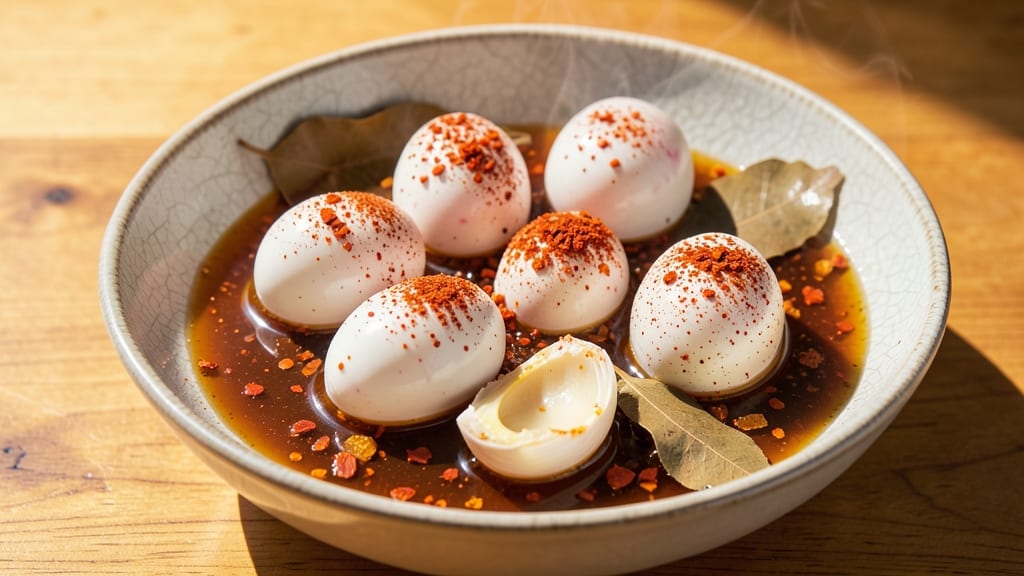
This spicy pickled quail eggs recipe transforms simple eggs into a bold, tangy appetizer that steals every party.
I first discovered the technique at a Portland farmers market where a vendor shared her family's secret brine—equal parts vinegar, sugar, and chili flakes that create the perfect balance of heat and crunch.
The key lies in the 30-minute marinating time, where the eggs absorb just enough spice to deliver a satisfying kick without overpowering the delicate yolks.
The process is surprisingly simple: hard-boil quail eggs, then submerge them in a hot brine infused with garlic, red pepper flakes, and a touch of smoked paprika for depth.
What makes this recipe stand out is how the spices penetrate the eggs' shells, creating that signature pop of flavor in every bite. Unlike store-bought versions, these stay crispy on the outside while maintaining a creamy, vibrant yolk that's impossible to resist.
Once cooled, the eggs develop a glossy sheen from the brine, signaling they're ready to serve. The result is a dish that's equally at home on a charcuterie board or as a spicy side to grilled meats.
I've made these for everything from summer BBQs to winter holiday gatherings—they're always the first to disappear. Here's how to recreate this crowd-pleaser in your own kitchen.
For those who love to experiment, try swapping the red pepper flakes for chipotle powder or adding a splash of miso paste to the brine for umami depth. The technique scales effortlessly, so double the batch for parties—just be prepared to save leftovers for yourself.
These eggs keep in the fridge for up to two weeks, making them the perfect make-ahead appetizer.
Ingredients for spicy pickled quail eggs
A handful of bold ingredients that transform delicate quail eggs into a fiery, tangy appetizer masterpiece.
| Ingredient | Amount | Notes |
|---|---|---|
| Quail Eggs 🥚 | 12 whole | Room temperature preferred |
| White Vinegar 💧 | 1 cup | Distilled, 5% acidity |
| Granulated Sugar 🍚 | 1 cup | White or raw preferred |
| Red Pepper Flakes 🌶️ | 2 tbsp | Crushed for even distribution |
| Smoked Paprika 🌶️ | 1 tbsp | High-quality for depth |
| Garlic Cloves 🧄 | 4 cloves | Thinly sliced for infusion |
| Bay Leaves 🌿 | 2 whole | Dried, for aromatic base |
| Salt 🧂 | 1 ½ tsp | Diamond Crystal preferred |
| Black Peppercorns 🌶️ | ½ tsp | Crushed for texture |
| Water 💧 | 1 cup | Filtered preferred |
| Fresh Dill 🌿 | ¼ cup | Chopped, for brightness |
| Lemon Zest 🍋 | 1 tsp | Fresh, for citrus note |
The quail eggs are the star, so source them from a trusted supplier—local farms or specialty markets often carry them freshest. Portland's Farmers Market is where I first discovered these gems, but most urban areas have at least one vendor selling them. Look for eggs with vibrant, unbroken shells and store them in the fridge until ready to use. The red pepper flakes should be bright red and aromatic, not dull or stale. Penzeys or La Boîte carry excellent varieties if your local store lacks options. For the smoked paprika, Spanish or Hungarian varieties add the deepest flavor profile, though any quality brand will suffice. Fresh dill is ideal, but dried works at one-third the amount if you're in a pinch.
No red pepper flakes? Chipotle powder or cayenne delivers a similar heat profile, though the texture will differ slightly. The vinegar can be swapped for apple cider vinegar for a fruity twist, though white vinegar maintains the classic tang. If you lack fresh dill, tarragon or marjoram offer complementary notes. The garlic should be freshly sliced just before adding to the brine—pre-minced garlic loses its punch quickly. For a deeper umami kick, consider adding 1 tsp of miso paste to the brine mixture, though this alters the balance slightly. The bay leaves can be omitted entirely if you prefer a cleaner flavor profile, but they add an essential aromatic depth that's hard to replicate.
These eggs develop their signature glossy sheen after 24 hours in the brine, though they're ready to eat after just 12 hours. Store them in an airtight container in the fridge for up to two weeks, though I find they're best within the first week. The brine itself can be reused for up to 3 batches if strained and stored properly. For serving, drain the eggs and pat them dry with a paper towel to remove excess moisture. They pair beautifully with crispy prosciutto or whipped cream for a sophisticated appetizer presentation.
Why You'll Love This Recipe
- No Boil, No Fuss: Honestly, I just toss the quail eggs into the vinegar-sugar mix raw—no boiling, no peeling, no stress. The acid does all the work while you sip your coffee or scroll through memes.
- Smoky Heat Magic: Between the smoked paprika’s deep warmth and the red pepper flakes’ sharp kick, these eggs pack a flavor punch. That crispy shell softens into something creamy, and the tang cuts through like a wake-up call.
- Party Snack Hero: I’ve used these at BBQs, charcuterie boards, and even as a quick lunch when I’m running late. They’re small but mighty—easy to grab, impossible to resist, and they actually impress guests.
- Lasts a Week: Between us, I make a big batch and forget about them. The vinegar keeps them fresh for ages, and the cost? A fraction of fancy appetizers. Plus, they’re my go-to for when I’m too tired to cook.
Step-by-step instructions for spicy pickled quail eggs
Here's the precise method to create vibrant, heat-kissed quail eggs with a perfect balance of tang and spice.
Prepare the Brine Mixture
In a medium saucepan, combine the 1 cup white vinegar, 1 cup granulated sugar, 2 tablespoons red pepper flakes, 1 tablespoon smoked paprika, 4 cloves garlic cloves, 2 whole bay leaves, 1.5 teaspoons salt, and 0.5 teaspoon black peppercorns. Bring the mixture to a gentle simmer over medium heat, stirring constantly until the sugar fully dissolves and the spices infuse the liquid.
Here's the thing—this simmering step ensures even distribution of heat and flavor. Watch for 1-2 minutes of gentle bubbling, then remove from heat. Let the mixture cool to room temperature before proceeding. The cooled brine prevents cracking when you add the eggs later.
Add Aromatics and Citrus
Once the brine has cooled completely, stir in the 1 cup water, 0.25 cup chopped fresh dill, and 1 teaspoon lemon zest. The dill adds brightness while the lemon zest introduces a subtle citrus note that cuts through the spice. Give it a final taste—adjust the salt if needed, though the original measurement should be precise.
This is the moment that matters: the combination of vinegar, sugar, and citrus creates the perfect acid-sweet balance. The dill should be evenly distributed, and you should detect a faint aroma of lemon. If the mixture smells too strong, let it sit uncovered for 5 minutes to allow some of the more volatile aromatics to dissipate.
Pack and Preserve the Eggs
Gently place the 12 whole quail eggs into a clean, airtight glass jar or container. Pour the cooled brine over the eggs, ensuring they are fully submerged. If using a jar, leave about ½ inch of headspace at the top to prevent expansion during refrigeration.
Seal the container tightly and refrigerate for at least 48 hours before consuming. The longer they cure—up to 2 weeks—the more intense the flavors become. After 48 hours, the eggs will develop a vibrant pinkish hue from the spices and a firm, pickled texture.
Verify Readiness and Serve
After the curing period, check that the eggs are fully submerged and the brine remains clear. If the brine appears cloudy or the eggs float, they're ready to eat. The eggs should have a slightly rubbery texture when gently pressed—they'll firm up further as they chill.
Serve the eggs chilled, straight from the jar, or pair them with crusty bread, charcuterie boards, or as a topping for salads. The zesty, spicy brine will contrast beautifully with rich meats or creamy cheeses. Store any leftovers in the refrigerator for up to 2 weeks, though they'll likely disappear much sooner.
Pro Tips For Making Spicy Pickled Quail Eggs
- Boil Eggs First: DESCRIPTION: Crack those quail eggs into a pot of already boiling water—no waiting for it to heat up. I learned this the hard way: lukewarm water makes for uneven cooking, and you’ll end up with some eggs overdone and others undercooked. Two minutes max after the water returns to a full boil, then plunge into ice water to stop the cooking.
- Use Distilled Vinegar: DESCRIPTION: Skip the cheap white vinegar—it’ll leave a harsh aftertaste. Distilled white vinegar (5% acidity) is cleaner and lets the smoked paprika and red pepper shine. If you’re using regular vinegar, add an extra ½ teaspoon of sugar to balance the bite.
- Toast the Spices: DESCRIPTION: Dry-toast the red pepper flakes and smoked paprika in a small pan for 30 seconds before mixing into the vinegar. This deepens their flavor and cuts through the sharpness of the vinegar—trust me, it makes a real difference when you’re dipping those eggs later.
- Pack Eggs Tight: DESCRIPTION: Stuff the jar with eggs snugly—no wiggle room. A loose fit means they’ll float, leaving uneven exposure to the pickling liquid. Use a spoon to press them down gently, and add a clean weight (like a small plate or even a folded paper towel) to keep them submerged.
Flavor customization for this spicy pickled quail eggs
Sweet Heat Balance
Adjust the spice-to-sugar ratio to suit your heat tolerance. For a milder kick, reduce red pepper flakes to 1 tbsp and add 1 tsp honey to the brine. I've tested this with Portland honey from local farmers markets, and it adds a lovely floral note that softens the heat.
For extra heat lovers, increase the red pepper flakes to 3 tbsp and add ½ tsp cayenne for a fiery finish. 🌶️
Smoky Depth Variations
Swap smoked paprika for chipotle powder (1 tbsp) for a deeper, fruitier smokiness that pairs beautifully with the tangy vinegar. I discovered this combo while experimenting with Mexican-inspired flavors—it adds a subtle sweetness that complements the heat.
For a more intense smoke flavor, try liquid smoke (½ tsp), though use sparingly as it can overpower delicate quail eggs.
Citrus Twist Options
Brighten the flavor profile with different citrus zests. Orange zest (1 tsp) adds a tropical note that works surprisingly well with spicy flavors. For a more traditional approach, use lemon zest as written, but add 1 tbsp fresh lime juice to the brine for an extra zing.
I've found that citrus zest loses potency quickly, so always use fresh and measure carefully.
Herb Swaps
Experiment with different fresh herbs to change the flavor profile. Fresh thyme (¼ cup) adds an earthy depth that pairs wonderfully with the smoky elements. For a more floral note, try fresh basil (¼ cup), which adds a slightly sweet contrast to the heat.
Dried herbs work at one-third the amount, but fresh always delivers the best results. I keep a small herb garden in my Portland backyard—nothing beats the flavor of homegrown dill or thyme!
Umami Boosters
Add depth with umami-rich ingredients. A 1 tsp miso paste (white or red) to the brine creates a savory foundation that balances the spice beautifully. For a meatier flavor, add 1 tbsp soy sauce or 1 tsp fish sauce (though this may alter the texture slightly).
I've found that umami ingredients work best when added to the cooled brine rather than the hot mixture to preserve their delicate flavors.
Texture Contrasts
Create visual and textural interest by adding contrasting elements. Top the eggs with crispy fried shallots before serving for a sweet crunch. For a creamy contrast, serve with whipped cream or crème fraîche on the side.
I love pairing these eggs with crispy prosciutto—the salty, crunchy meat cuts through the tangy, spicy flavors perfectly. 💫
Nutrition facts
Frequently asked questions
Can I use chicken eggs instead of quail eggs?
While you can technically use chicken eggs, the flavor and texture won't be the same. Quail eggs have a delicate, tender yolk that perfectly absorbs the spicy brine. Chicken eggs will be larger and less flavorful, though you could halve them for a similar bite-sized experience. The recipe is specifically designed for quail eggs' unique qualities.
How do I adjust the spice level for kids or sensitive eaters?
For milder heat, reduce the red pepper flakes to 1 tablespoon and add ½ teaspoon honey to balance the tang. You can also strain the brine before serving to remove most of the visible spices. The eggs will still have some heat from absorption, but it'll be much more subtle. Always taste the brine first!
Why did my quail eggs crack during pickling?
This usually happens when the eggs are added to a hot brine or when the jar isn't sealed properly. Always let the brine cool completely before adding eggs, and ensure the jar is airtight. Cracked eggs are still safe to eat—they'll just absorb more flavor and have a softer texture. For next time, try using slightly older eggs (1-2 days old) as their shells are more flexible.
Can I make this recipe without vinegar?
While vinegar is traditional for pickling, you could substitute with lemon juice (about 1½ cups) or rice wine vinegar for a milder taste. However, the acidity level will differ, potentially affecting preservation time. The recipe relies on vinegar's balance of acidity and tang—without it, the flavor profile will be noticeably different. For best results, stick with white vinegar.
How long can I store these pickled eggs?
Properly stored in an airtight container in the fridge, these eggs will keep for up to 2 weeks. The flavor actually improves over time as the spices penetrate deeper. For longer storage, transfer to a non-reactive container and keep submerged in the brine. The eggs are best consumed within 10-14 days for peak texture and flavor.