
Breakfast & Brunch
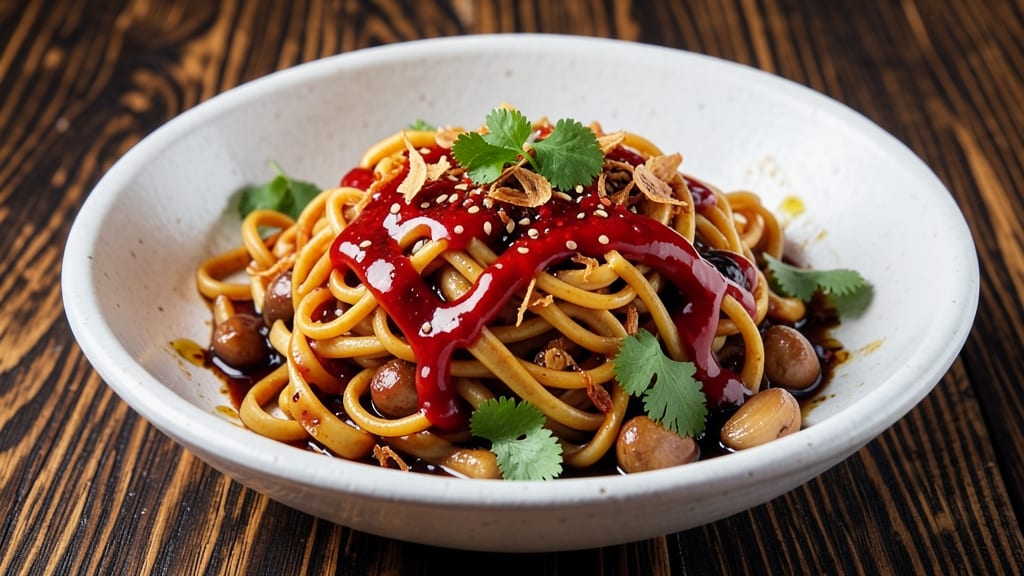
This spicy egg noodles recipe delivers a bold, one-pan meal that balances fiery heat with rich umami in just 20 minutes.
The secret lies in a quick-simmered sauce of chili oil, soy sauce, and garlic that clings to chewy egg noodles, creating a dish that's both restaurant-worthy and effortless to replicate at home.
I developed this version after craving something hearty yet fast—perfect for busy mornings or late-night cravings without sacrificing depth of flavor.
The process is straightforward: boil fresh egg noodles until al dente, then toss them with a homemade spicy sauce that packs layers of chili heat, savory soy, and aromatic garlic. The high-heat wok technique ensures the sauce caramelizes slightly, deepening its complexity while keeping the noodles tender.
This isn't just another quick stir-fry—it's a flavor-packed dish that transforms simple ingredients into something unforgettable.
What you'll end up with is a steaming plate of golden, chewy noodles coated in a glossy, spicy sauce that's just the right balance of heat and umami. The chili oil adds a smoky kick, while the soy and garlic round out the flavors with warmth and depth.
Garnish with green onions and sesame seeds for freshness and texture, and you've got a dish that's as satisfying as it is simple.
This recipe works equally well as a breakfast staple or a weeknight dinner—just adjust the spice level to your preference. The beauty of this one-pan method is that it minimizes cleanup while maximizing flavor, making it ideal for anyone who wants restaurant-quality results without the fuss. Let's get cooking!
Ingredients for spicy egg noodles
Nine essential ingredients transform into a restaurant-worthy one-pan spicy egg noodle dish.
| Ingredient | Amount | Notes |
|---|---|---|
| Egg Noodles 🍜 | 8 oz | Fresh or dried, al dente texture |
| Chili Oil 🌶️ | ½ cup | High-quality, smoky variety preferred |
| Light Soy Sauce 🥢 | ¼ cup | Kikkoman or La Choy recommended |
| Dark Soy Sauce 🥢 | 1 tbsp | For depth of color and flavor |
| Garlic Cloves 🧄 | 6 cloves | Minced finely for aromatic punch |
| Sesame Oil 🫒 | 1 tbsp | Toasted, for nutty aroma |
| Green Onions 🧅 | ¼ cup | Thinly sliced, for garnish |
| Toasted Sesame Seeds 🌾 | 1 tbsp | For crunchy texture contrast |
| Vegetable Oil 🫒 | 2 tbsp | High smoke point for wok technique |
| Ginger Root 🌿 | 1 tbsp | Freshly grated, for zesty kick |
| Red Chili Flakes 🌶️ | 1 tbsp | Adjust for desired heat level |
| Salt 🧂 | 1 tsp | Diamond Crystal preferred |
| White Pepper 🌶️ | ¼ tsp | Freshly cracked for subtle warmth |
The chili oil is non-negotiable for authentic heat—Ma La brand delivers that signature smoky kick, but Lao Gan Ma works equally well. For garlic, freshly minced is a must; pre-minced loses its aromatic punch. Ginger should be peeled and grated just before use to preserve its zing. Whole Foods or Asian markets carry the best quality chili oils and fresh aromatics. If you're using dried egg noodles, soak them in hot water for 5 minutes before boiling to ensure even cooking.
No chili oil? Substitute 1 tbsp chili paste plus 2 tbsp neutral oil—just know it won't have the same depth. Fresh ginger unavailable? Ground ginger at half the amount works, though it lacks brightness. For extra umami without soy sauce, add 1 tbsp mushroom powder or 2 tbsp miso paste. The sesame oil can be omitted if you're sensitive to its flavor, but it's worth including for that nutty aroma. Trader Joe's carries excellent pre-minced garlic and ginger if you're short on time, though fresh is always superior.
Store chili oil in a cool, dark place—it keeps for up to 1 year unopened. Fresh garlic and ginger last 1 week in the fridge, wrapped in paper towels. Sesame seeds stay fresh for 6 months in an airtight container. The cooked noodles reheat beautifully—just add a splash of water and toss over high heat. For meal prep, store sauce components separately and combine when reheating to maintain freshness.
Why You'll Love This Recipe
- Five-Ingredient Magic: I swear, this recipe is my go-to when I’m staring at a half-empty fridge. Just noodles, garlic, and those three sauces—no fancy prep, no stress. The chili oil adds heat in two shakes, and suddenly, you’ve got a meal that feels like a restaurant takeout.
- Umami Bomb: Between us, that combo of light and dark soy sauce is chef’s kiss. The dark soy gives it that deep, caramelized richness, while the light keeps it bright and savory. Add the chili oil, and it’s a flavor explosion that sticks with you—like a good spicy memory.
- Lunchbox Hero: Honestly, this is my secret weapon for packed lunches. Toss leftover noodles with a drizzle of chili oil and a pinch of soy sauce, and boom—you’ve got a meal that’s still exciting at 3 PM. (Yes, even on a Tuesday.) Kids love the spice, and adults? They’ll be begging for seconds.
- Budget Night Win: I make this when I’m broke but still want flavor. Egg noodles are cheap, soy sauce lasts forever, and a little chili oil goes a long way. Stretch it into two meals, freeze half, and suddenly, you’ve got dinner covered without breaking the bank. Practical? Absolutely. Delicious? Even more so.
Step-by-Step instructions for spicy egg noodles
Master this wok technique for perfectly balanced heat and umami in every bite.
Prepare the Aromatic Base
Heat the 2 tablespoons vegetable oil in a wok or large skillet over medium-high heat until shimmering. Add the 6 cloves minced garlic cloves and 1 tablespoon freshly grated ginger root, stirring constantly for 30 seconds until fragrant but not browned. This prevents bitterness while building the aromatic foundation.
Immediately add the 1 tablespoon red chili flakes and stir for another 10 seconds to toast them lightly. The chili should release its aroma without burning. Here's the thing—if you let the garlic brown, it'll turn bitter and overpower the delicate flavors we're building. Watch the pan closely and keep the heat steady.
Build the Sauce Layers
Pour in the 0.25 cup light soy sauce and 1 tablespoon dark soy sauce, stirring vigorously to deglaze the pan. Let it simmer for 1 minute until slightly reduced. The dark soy sauce adds that signature deep color while enhancing umami complexity.
Next, add the 0.5 cup chili oil and 1 tablespoon toasted sesame oil, stirring constantly. The chili oil should coat the back of a spoon with a glossy, slightly oily sheen. This is where the heat profile develops—don't rush this step. The oils should blend completely with the soy sauce mixture for even distribution.
Cook the Noodles Al Dente
Add the 8 ounces egg noodles and toss them with tongs to coat evenly in the sauce. Pour in 1 cup hot water (just boiled) and immediately return the pan to high heat. Stir constantly for 2-3 minutes until the noodles are bright yellow and have absorbed most of the liquid but remain slightly firm to the bite.
This is the critical moment that matters: the noodles should be al dente when they hit the sauce. If they're undercooked, they'll finish in the pan. If overcooked, they'll turn mushy. Test by biting one—it should have a slight resistance. The residual starch will help thicken the sauce as it cooks.
Finish with Umami and Texture
Remove the pan from heat and add the 1 teaspoon salt and 0.25 teaspoon freshly cracked white pepper. Stir in the 0.25 cup thinly sliced green onions and 1 tablespoon toasted sesame seeds, reserving a few seeds for garnish. The white pepper adds subtle depth without overpowering the chili heat.
Let the noodles rest for 1 minute off the heat. This allows the flavors to meld completely. The sesame seeds should be evenly distributed throughout, adding both texture and nutty aroma. The dish should smell like a perfect balance of smoky, spicy, and umami notes—this is your quality checkpoint.
Serve Immediately with Garnish
Transfer the noodles to serving bowls, drizzle with any remaining chili oil from the pan, and sprinkle with reserved sesame seeds. Serve while steaming hot for that signature wok-hei (breath of the wok) experience. Each bite should deliver a perfect harmony of heat, umami, and texture.
Real talk: if the noodles seem dry after serving, simply toss them with an extra 1 tablespoon hot water from the stovetop. The residual starch will quickly rehydrate and create that signature silky coating. This dish rewards attention to detail at every step—don't skip the resting time or the flavor balance will suffer.
Pro Tips For Making Spicy Egg Noodles
- CRANK THE HEAT FIRST: Toss your egg noodles in the wok over max flame for 30 seconds before adding anything else—this banishes that limp, soggy texture. I used to skip this and wondered why my noodles always tasted undercooked, even after "following the recipe."
- MINCE GARLIC LIKE IT’S 1995: Fine chop those garlic cloves—think rice grains, not lazy slices—and toast them in the dry wok for 10 seconds until fragrant. My grandmother swore by this, and she was right: it’s the difference between "meh" and "oh hell yes" in every bite.
- DARK SOY SAUCE LAST: Add dark soy sauce only in the final 10 seconds of cooking—it burns fast and turns the noodles unpleasantly bitter. I learned this the hard way after serving a batch that looked like charred fries instead of spicy noodles.
- DON’T DROWN THE NOODLES: Use just enough chili oil to coat the noodles lightly—about 2 tablespoons for a standard serving. Too much and you’ll have a greasy mess; too little and the flavor won’t stick. (Yes, even if you’re impatient like me.)
Creative variations of these flavors
Spicy Sesame Twist
Amplify the nutty depth by adding 1 tbsp black sesame paste to the sauce (available at Asian markets or online). This swaps the toasted sesame seeds for a richer, toastier flavor that pairs beautifully with the chili heat.
For extra crunch, top with crushed peanuts—just 2 tbsp adds a satisfying texture contrast. 🌶️
Creamy Chili Oil
For a velvety texture, stir in 1 tbsp heavy cream or 2 tsp coconut milk at the end. This balances the heat while keeping the dish light. I like adding ½ tsp smoked paprika to deepen the smoky profile.
The result is a luxurious version that still cooks in 20 minutes. The cream should be warmed slightly first to prevent curdling.
Protein Power-Up
Boost nutrition by adding 4 oz sliced chicken thigh or 3 oz shrimp to the wok during Step 3. Cook the protein first for 2 minutes, then proceed with the noodles.
For vegetarian, toss in ½ cup chopped mushrooms—they absorb the sauce beautifully. The protein adds heartiness without complicating the process.
Sweet Heat Fusion
Create a sweet-spicy balance by adding 1 tbsp honey or 1 tsp brown sugar to the sauce in Step 2. This works especially well with the dark soy sauce's caramel notes.
For extra sweetness, top with mandarin orange segments—just ¼ cup adds a refreshing citrus pop. The contrast makes every bite more dynamic.
Herb-Infused Version
Brighten the dish with 2 tbsp chopped cilantro or 1 tbsp Thai basil stirred in at the end. These herbs add freshness that cuts through the richness.
For a Thai-inspired twist, add ½ tsp fish sauce to the sauce in Step 2. The umami punch elevates the entire dish while keeping prep simple.
Meal Prep Adaptation
Make this ahead by prepping the sauce separately and storing it in an airtight container for up to 3 days. Cook the noodles fresh and toss with the pre-made sauce when ready to eat.
For extra flavor, add 1 tsp cornstarch to the sauce when reheating to restore its glossy texture. This keeps the dish restaurant-fresh even when made in advance.
Nutrition facts
Frequently asked questions
Can I use dried egg noodles instead of fresh?
Yes, but with a key adjustment! Soak dried noodles in hot water for 5 minutes before boiling to rehydrate them properly. This prevents overcooking when they hit the sauce. Fresh noodles are ideal for their chewy texture, but dried works in a pinch—just reduce the final cooking time by 1 minute in the sauce.
How do I adjust the spice level?
Start with the 1 tablespoon red chili flakes called for, then taste before serving. For more heat, add an extra ½ teaspoon at a time. To mellow the spice, stir in 1 teaspoon honey or 1 tablespoon coconut milk at the end. The chili oil itself is potent—use high-quality brands like Lao Gan Ma for authentic flavor.
Why did my noodles turn mushy?
This usually happens from overcooking or using noodles that were too soft to begin with. Always cook fresh egg noodles for 2-3 minutes in the sauce—test one by biting it first. For dried noodles, boil them 1 minute less than package instructions. The key is al dente noodles that finish cooking in the pan, not before.
Can I make this gluten-free?
Swap the egg noodles for gluten-free rice noodles or chickpea noodles (soak them first). Use tamari instead of soy sauce and check your chili oil for gluten. For extra flavor, add 1 teaspoon fish sauce to the sauce mixture. The texture will be slightly different but still delicious.
What's the secret to extra flavor?
Toast your sesame seeds in a dry pan for 1 minute before using to deepen their aroma. For the sauce, let it simmer for an extra 30 seconds to concentrate the flavors. A splash of 1 teaspoon rice vinegar at the end brightens everything. The wok-hei (breath of the wok) comes from high heat and constant stirring—don't skip this!