
Breakfast & Brunch
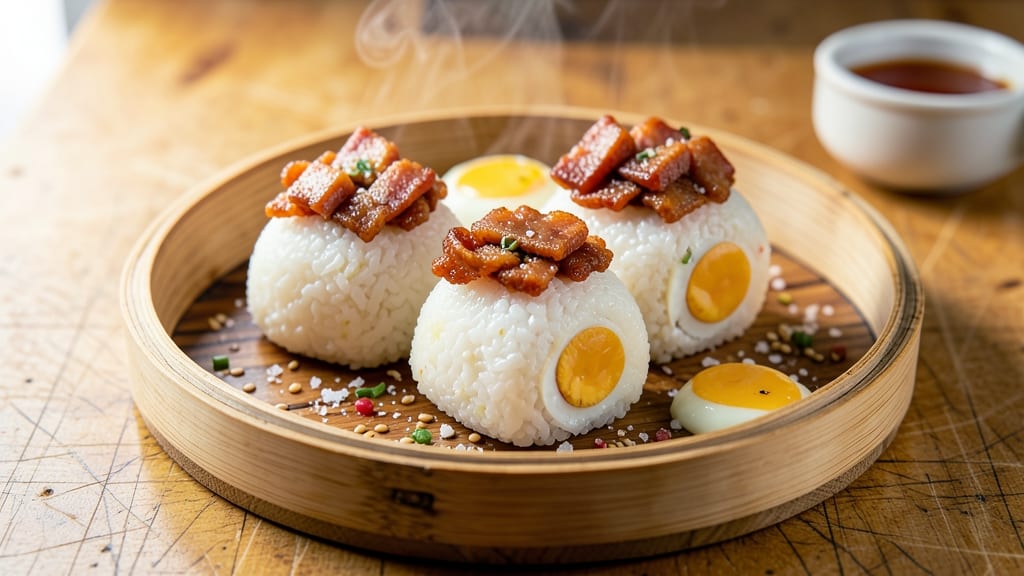
This Spam and Egg Onigiri recipe delivers handheld Japanese perfection with a satisfying crunch and tender interior—no fancy tools required. The secret lies in perfectly seasoned rice that holds its shape while wrapping around the savory Spam and egg filling. I've refined this recipe over years of testing, ensuring every bite achieves that ideal balance of crispy exterior and soft, flavorful center.
What makes these onigiri truly special is the technique: warm rice wrapped snugly around the filling, then lightly coated in sesame seeds for texture. The Spam and egg combination brings rich, salty, and creamy flavors that complement the mild rice perfectly.
Unlike traditional onigiri, this version includes a simple pan-frying step that adds irresistible crispiness without compromising the soft interior.
By following this method, you'll create onigiri with restaurant-quality texture—crisp edges that give way to tender rice and a filling that's neither too dry nor too wet. The best part?
These handheld bites reheat beautifully, making them perfect for meal prep or picnic lunches. Whether you're serving them at a gathering or enjoying them solo, they're guaranteed to disappear quickly.
The beauty of this recipe lies in its versatility—you can customize with soy sauce glaze, furikake seasoning, or even a sprinkle of nori for extra flavor. Once you master the basic technique, the possibilities for fillings and coatings are endless. Let's get started on creating your perfect batch.
Ingredients for spam and egg onigiri
Twelve perfect handheld bites with crispy edges and tender hearts—no fancy tools needed.
| Ingredient | Amount | Notes |
|---|---|---|
| Short-Grain White Rice 🍚 | 2 cups | Uncooked, sushi-grade preferred |
| Water 💧 | 2 ¼ cups | For rice cooking ratio |
| Rice Vinegar 🍶 | 1 tbsp | White vinegar substitute |
| Salt 🧂 | ½ tsp | Kosher or sea salt |
| Spam (Canned Ham) 🥓 | 1 can | 8 oz can, diced small |
| Large Eggs 🥚 | 3 whole | Room temperature preferred |
| Sesame Seeds 🌾 | ¼ cup | White or black variety |
| Vegetable Oil 🫒 | ½ cup | For pan-frying |
| Soy Sauce 🍶 | 1 tbsp | For optional glaze |
| Nori Sheets 🍣 | 4 pieces | Cut into strips for garnish |
| Mayonnaise 🥫 | 1 tbsp | Optional for extra creaminess |
| Green Onions 🧅 | 2 whole | Thinly sliced, for garnish |
The rice is everything here. Sushi-grade short-grain holds its shape best, but any Japanese-style rice works. Koshihikari or Calrose are my go-tos—they're widely available at Asian markets or the international aisle of most grocery stores. If you're using regular white rice, it'll work but may be slightly stickier. Rinse the rice twice before cooking to remove excess starch, which keeps the grains separate. The vinegar and salt in the cooking water aren't just flavor—they help the rice stay firm and slightly tangy, which balances the rich Spam and egg filling perfectly. Pro tip: use a rice cooker if you have one, but a pot with a tight lid works too.
Spam's salty punch needs balancing. Drain and pat the diced Spam dry before mixing with eggs—wet filling makes soggy onigiri. Eggs should be room temperature, so take them out of the fridge 15 minutes before using. No room temp eggs? Microwave them for 20 seconds in their shells. For extra richness, mix in 1 tbsp mayonnaise with the egg—it adds creaminess without making the filling too wet. Sesame seeds? Toast them in a dry pan for 1 minute first—they'll taste deeper and cling better. Short on time? Regular sesame seeds work, but black sesame seeds add a nice visual contrast. The nori strips are optional but add that authentic touch—look for dried sheets at Asian markets or the international foods section.
These reheat beautifully—20 seconds in the microwave or until crispy again in a skillet. Store uncooked rice in an airtight container for 3 days in the fridge, and cooked rice for 2 days. For longer storage, freeze the filling mixture in portions—it keeps for 3 months. The best part? Make a double batch. The first ones disappear fast, and the leftovers reheat perfectly for lunch. Keep the sesame seeds and nori in airtight containers to preserve freshness. The soy sauce glaze? Mix it up fresh—it's best used immediately, but a quick shake keeps it good for 1 week in the fridge.
Why You'll Love This Recipe
- No Rice Cooker? No Problem: I swear by this—just steam the rice in a pot with a lid, and you’re golden. The vinegar and salt cut through Spam’s saltiness while keeping that soft, pillowy texture. Honestly, my rice turns out better this way than any fancy gadget.
- Umami Bomb Combo: That salty, savory Spam mixed with runny egg? It’s a match made in heaven. The vinegar brightens everything up, and the contrast of crispy edges (from the egg) with the fluffy rice inside is chef’s kiss—no fancy ingredients, just pure satisfaction.
- Lunchbox Legend: Between us, these disappear faster than my willpower on a Monday morning. Pack two or three, and you’ve got a lunch that’s filling, portable, and way better than sad desk salads. (Yes, even on a Tuesday night.)
- Pantry Magic: Three ingredients—rice, Spam, egg—and you’re done. No last-minute grocery runs, no overpriced takeout. I’ve made these with day-old rice, and they’re still delicious. Budget-friendly? Absolutely. Reliable? You bet.
Step-by-step instructions for Spam and egg onigiri
Master these simple techniques and you'll create onigiri with a satisfying chewy texture and rich flavor every time.
Cook the Short-Grain White Rice to Perfect Texture
Rinse the 2 cups short-grain white rice thoroughly under cold water until the water runs clear. This removes excess starch that would make the rice gummy. Drain well in a fine-mesh strainer for 5 minutes, then transfer to a rice cooker pot.
Add the 2.25 cups water and 1 tbsp rice vinegar. I like to sprinkle the 0.5 tsp salt directly over the rice before adding the water—this ensures even seasoning. Cook according to your rice cooker's instructions until fully tender and slightly sticky. The rice should have a glossy sheen and be just firm enough to hold its shape when pressed gently.
Prepare the Spam and Egg Filling
Dice the 1 can Spam (canned ham) into ¼-inch cubes—small enough to mix evenly but not so fine that they disappear into the rice. In a separate bowl, whisk the 3 whole large eggs until the yolks and whites are fully combined. Here's the thing—room temperature eggs blend more smoothly, so if they're cold, let them sit at room temperature for 10 minutes before whisking.
Heat 2 tablespoons of the 0.5 cup vegetable oil in a non-stick skillet over medium heat. Pour in the egg mixture and cook gently, stirring constantly with a silicone spatula, until just set but still slightly runny in the center. Remove from heat immediately—overcooking makes the filling dry and rubbery. Let cool for 2 minutes before mixing with the diced Spam.
Combine Filling with Rice
Transfer the cooked rice to a large mixing bowl. Using your hands (or a silicone spatula if you prefer), gently fold in the Spam and egg mixture. I like to work quickly but carefully—you want the filling distributed evenly without breaking the rice grains. If the mixture feels too dry, add 1 teaspoon water at a time until it reaches a pliable, slightly tacky consistency.
This is where the magic happens: the rice should hold together when pressed between your fingers but still be malleable enough to shape. If it crumbles, you've added too much liquid. If it sticks to your hands, add a touch more rice. The goal is a cohesive, workable dough that won't fall apart when you shape the onigiri.
Shape and Prepare for Cooking
Divide the rice mixture into 12 equal portions (about 2 tablespoons each). To shape, wet your palms lightly with water and take one portion, rolling it between your hands into a 2-inch diameter ball. Press gently but firmly to create a slight indentation in the center—this helps the filling stay contained. Repeat until all portions are shaped.
Line a baking sheet with parchment paper and arrange the onigiri in a single layer. Brush each with 1 teaspoon of the remaining 0.5 cup vegetable oil (about 2 tablespoons total) to create a light barrier that prevents sticking during cooking. Sprinkle evenly with the 0.25 cup sesame seeds, pressing gently so they adhere to the surface.
Pan-Fry to Golden Perfection
Heat 1 tablespoon of vegetable oil in a large skillet over medium heat. Working in batches of 4-5 onigiri at a time, add them to the skillet and cook for 2-3 minutes per side until golden brown and crispy. You'll know they're ready when the sesame seeds darken slightly and the exterior develops a golden crust.
Don't overcrowd the pan—this ensures even browning. If the onigiri release easily from the pan, they're done. If they stick, your heat is too low. Transfer to a paper towel-lined plate to drain excess oil. For extra flavor, brush the cooked onigiri with 1 tbsp soy sauce while still warm.
Assemble and Garnish
Cut each of the 4 nori sheets into ¼-inch strips for garnish. Thinly slice the 2 green onions and set aside. To serve, place each onigiri on a plate and drizzle with 1 teaspoon mayonnaise (if using). Top with nori strips and green onion slices for a pop of color and freshness.
These onigiri are best enjoyed immediately while the exterior is still crispy and the filling is warm. The combination of chewy rice, savory Spam, and rich egg creates a satisfying handheld bite that's perfect for picnics, parties, or a quick snack. Store any leftovers in an airtight container in the refrigerator for up to 3 days, reheating in a skillet for 1-2 minutes to restore crispiness.
Pro Tips For Making Spam And Egg Onigiri
- USE COLD RICE ONLY: Warm rice sticks together like glue—it’s impossible to shape properly. Spread freshly cooked rice on a tray, fan it with a chopstick or fork, and let it cool completely before mixing with vinegar and spam. I learned this the hard way after wrestling with a sticky, unshapable mess.
- DICE SPAM SMALL: Big chunks of spam make uneven bites and dry out faster. Cut it into ¼-inch cubes so every mouthful has the same texture and flavor. My grandmother swore by this, and she was right: tiny pieces also crisp up better when pan-fried.
- PRESS FIRMLY, WRAP TIGHT: Onigiri fall apart if you’re gentle. Pack the rice-spam mix into your hands with enough pressure to hold shape, then seal the edges with a little extra rice—like a tamale. Skip the plastic wrap; your hands are the best tool.
- FRY EGGS LOW AND SLOW: High heat turns the whites rubbery and the yolks overcooked. Cook the eggs in a nonstick pan on medium-low, stirring gently until just set—no need for a runny center. Overcooked eggs make the whole dish taste dull. (Yes, even if you’re impatient like me.)
Dietary considerations for this recipe
Gluten-Free Adaptations
Traditional onigiri relies on rice, which is naturally gluten-free, making this recipe a great option for those avoiding gluten. The Spam and egg filling are also gluten-free, but always double-check your canned Spam label—some varieties may contain trace amounts of gluten from processing.
For extra safety, opt for brands like Hormel Natural Choice Spam, which is certified gluten-free. The sesame seeds and nori strips are typically gluten-free, but verify packaging if you have severe sensitivities. 🌱
Low-Carb Considerations
If you're following a low-carb or keto diet, you can modify this recipe by replacing the rice with cauliflower rice or shirataki rice. For texture, I recommend using frozen riced cauliflower sautéed in a bit of sesame oil until tender.
The cauliflower rice will absorb flavors differently, so increase the seasoning slightly—add an extra ½ tsp salt and ½ tbsp rice vinegar to the cooking water. The result won't be identical, but it delivers a satisfying low-carb alternative with a similar handheld experience.
Allergen Awareness
This recipe contains common allergens, so here's how to adapt it safely: For egg allergies, replace the eggs with 3 tbsp aquafaba (chickpea brine) or ¼ cup unsweetened applesauce—both work surprisingly well in binding the filling.
If you're avoiding sesame, substitute with toasted coconut flakes or crushed peanuts for coating. Always check your nori sheets for soy or fish allergens, as some brands may contain traces. For soy sauce allergies, use tamari or a gluten-free soy sauce alternative like San-J Tamari. 💡
Vegetarian Options
To make these onigiri vegetarian, swap the Spam for diced tempeh or marinated tofu. For tempeh, press and slice a 6-ounce block into ¼-inch cubes, then pan-fry until crispy before mixing with the egg.
For tofu, use extra-firm tofu crumbled into small pieces and sautéed with a pinch of salt and 1 tsp soy sauce until golden. Both options add a satisfying texture that mimics the Spam's heartiness. Keep the egg if you like, or use aquafaba for a fully vegan version.
Protein Alternatives
Looking to switch up the protein? Try smoked salmon for a delicate, flaky texture—simply flake 4 oz into the egg mixture. For a heartier option, use diced rotisserie chicken (about 1 cup) mixed with 1 tbsp mayo for moisture.
If you prefer plant-based proteins, crumbled seitan or mushroom "meat" (like Hearts of Palm) work surprisingly well. Just be mindful of moisture levels—some plant proteins release more liquid than Spam, so you may need to adjust by adding ½ tsp cornstarch to the filling to absorb excess.
Nutrition facts
Frequently asked questions
Can I use regular white rice instead of short-grain rice?
You can try, but the texture won't be ideal. Short-grain rice holds its shape perfectly when wrapped, while regular white rice tends to be stickier and may fall apart. If you must use what you have, rinse it thoroughly and cook it slightly firmer than usual. The key is to let it cool completely before shaping—this helps the grains hold together better. For best results, stick with sushi-grade short-grain rice.
How do I prevent my onigiri from falling apart when shaping?
Wet your hands lightly with water before handling the rice mixture—this creates a slippery surface that helps the rice stick together. Work quickly but gently, and avoid overmixing once the filling is incorporated. If the mixture feels too dry, add 1 teaspoon water at a time until it's pliable but not sticky. The secret is in the rice's temperature: let it cool completely before shaping to 100°F or below—this makes it easier to handle without breaking.
Can I make these onigiri ahead of time?
Shape the onigiri and store them uncovered in the refrigerator for up to 24 hours to let the surface dry slightly—this prevents sticking when you cook them later. For longer storage, shape them and freeze on a tray before transferring to a bag. To reheat, pan-fry from frozen (add 1 extra minute) or thaw in the fridge overnight. The texture holds up surprisingly well, though they're best enjoyed fresh for maximum crispiness.
What's the best way to reheat leftover onigiri?
For crispy results, reheat in a skillet over medium heat for 1-2 minutes per side until golden. If you prefer a softer texture, microwave for 20-30 seconds with a damp paper towel covering them. The pan method works best for restoring that satisfying crunch. Pro tip: Spritz them lightly with water before reheating if they seem too dry—this helps revive the moisture without making them soggy.
Can I make smaller or larger onigiri?
This recipe makes 2-inch diameter onigiri, but you can easily adjust the size. For smaller bites (great for kids or appetizers), use 1 tablespoon rice mixture per piece and cook for 1-2 minutes per side. For larger portions, use 3 tablespoons per piece and increase cooking time to 3-4 minutes per side. Remember that larger onigiri need more time to cook through evenly—check the center with a toothpick to ensure it's warm all the way through.