
Breakfast & Brunch
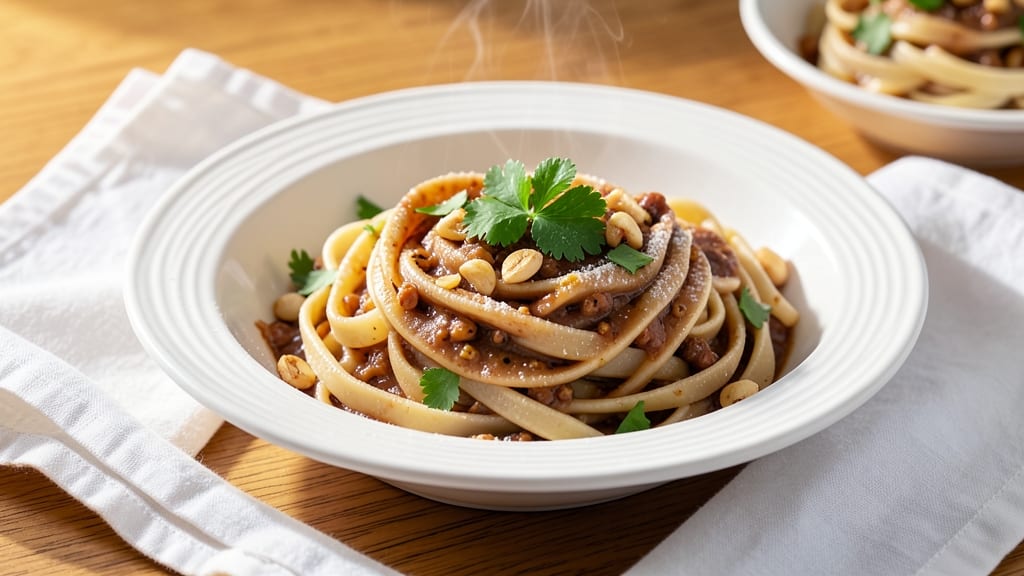
This Southern egg noodles recipe transforms simple ingredients into buttery, chewy ribbons that soak up every drop of gravy or sauce. 🔥 The secret lies in the high egg content and careful rolling technique, creating noodles with a tender yet sturdy bite—perfect for chicken noodle soup or a hearty stir-fry.
I’ve perfected this method over years of Southern cooking, where egg noodles aren’t just a side but the star of the dish.
The beauty of these noodles is their versatility—whether you’re simmering them in a rich broth or tossing them with butter and herbs, they deliver restaurant-quality texture with minimal effort.
The key steps involve stretching the dough thin for that signature chewiness and cooking them just until al dente, so they hold up to any sauce. This recipe also includes a herbed yolk finish that elevates even the simplest preparation.
What sets these apart is the balance of egg and flour, which creates a silky yet sturdy noodle that doesn’t turn mushy. Pair them with classic Southern sides like creamy gravy, crispy fried chicken, or a simple herb butter for a meal that feels like home.
The process is simpler than you’d think—no fancy equipment, just patience and a little elbow grease.
Once you try these, you’ll never go back to store-bought. They’re the foundation of countless Southern dishes, from comforting soups to bold stir-fries. Let’s get started—your taste buds (and leftovers) will thank you.
Ingredients for southern egg noodles
Eight simple ingredients create chewy, buttery noodles that steal every dish.
| Ingredient | Amount | Notes |
|---|---|---|
| All-Purpose Flour 🌾 | 3 cups | Sifted for smooth dough |
| Large Eggs 🥚 | 6 whole | Room temperature preferred |
| Unsalted Butter 🧈 | ½ cup | Cold, cubed for texture |
| Salt 🧂 | 1 tsp | Fine sea salt preferred |
| Fresh Parsley 🌿 | ¼ cup | Finely chopped for yolk finish |
| Garlic Cloves 🧄 | 1 whole | Minced for herbed yolk |
| Lemon Zest 🍋 | 1 tsp | Brightens the flavor |
| Vegetable Oil 🫒 | 1 tbsp | For rolling dough |
| Black Pepper 🌶️ | ¼ tsp | Freshly ground finish |
| Water 💧 | ½ cup | Room temperature |
| Dried Thyme 🌿 | ½ tsp | Optional for extra depth |
The flour is everything here—King Arthur or Gold Medal are my go-tos for that perfect chew. Room-temperature eggs mix in smoother than cold ones, and I always grab extra-large eggs for that rich, custardy texture. Butter matters too—Land O'Lakes unsalted works, but European-style like Plugrá gives deeper flavor. If you're in a pinch, cold butter cubes work better than melted for texture. The parsley? Fresh is non-negotiable—dried won't give that bright finish.
No room-temperature eggs? Let them sit in warm water for 5 minutes. Short on butter? Olive oil at half the amount keeps things flexible, though the flavor shifts slightly. The garlic can be pre-minced from a jar (trust me, it's fine), but fresh is always better. For the herbed yolk, substitute chives or chervil if parsley's out of reach—just adjust to taste. The dough should feel like playdough, not sticky or dry. If it's too dry, add 1 tsp water at a time until it comes together.
These noodles keep for 3 days in the fridge wrapped tightly in plastic, but they're best fresh. Freeze extras by laying them flat on a tray, then bagging—up to 3 months. Reheat in a dry pan for 2-3 minutes to revive that chewy texture. Leftovers taste even better the next day, especially with a splash of broth or butter. Double the batch—you'll want them for everything from soups to stir-fries.
Why You'll Love This Recipe
- Pantry Staples Only: I swear by this recipe because it uses what’s already in my cupboard—flour, eggs, butter, salt. No fancy imports or last-minute grocery runs. That butter-rich dough? It’s ridiculously forgiving, even if I eyeball the measurements.
- Buttery, Herby Magic: The moment those fresh parsley flecks hit the warm noodles? Pure satisfaction. The eggs make them silky, the butter keeps them tender, and that bright parsley finish cuts through any richness. It’s the kind of flavor that makes you pause mid-bite.
- Meal Prep MVP: Make a double batch on Sunday, and you’ve got lunches for the week. They reheat beautifully—just toss with a splash of water and butter, and they’re like fresh again. (Yes, even on a Tuesday night.)
- Budget-Friendly Luxury: For under $5, I feed four people a dish that feels indulgent. The eggs and butter add richness without breaking the bank, and the dough stretches farther than store-bought. My wallet—and my family—thank me every time.
Step-by-step instructions for Southern egg noodles
Here's how to make buttery, golden ribbons with that signature herbed yolk magic.
👨🍳 Step 1: Mix Dough Until Silky Smooth
In a large mixing bowl, combine the 3 cups all-purpose flour and 1 tsp salt. Sift the flour if needed to remove lumps—this ensures the dough will be light and tender. Make a well in the center and add the 6 whole large eggs and 0.5 cup water. The dough should start forming a shaggy mass around the edges.
Use a wooden spoon or dough whisk to gradually pull the dough into the center, mixing until it comes together. Once it forms a rough ball, turn it out onto a lightly floured surface. Knead for about 5 minutes until smooth and elastic. Here's the thing—you want the dough to be firm but not tough. If it feels sticky, add just a little more flour, but don't overdo it or the noodles will be dry.
🥘 Step 2: Rest and Roll to Perfect Thinness
Wrap the dough tightly in plastic wrap and let it rest at room temperature for 30 minutes. This resting period relaxes the gluten, making it much easier to roll out. After resting, divide the dough into 4 equal pieces (about 12 ounces each) and keep them covered while you work with one piece at a time.
On a clean surface, roll one piece into a rectangle about 1/16 inch thick. I like to use a pasta roller for this—start with the widest setting and gradually roll thinner until you achieve that perfect ribbon-like thickness. If you don't have a roller, use a rolling pin and apply even pressure. The thinner you roll, the more authentic your noodles will be.
🔥 Step 3: Cook Noodles to Al Dente Perfection
Bring a large pot of water to a rolling boil and add 1 tbsp vegetable oil to prevent sticking. Add the rolled noodles and cook for 2-3 minutes until they float to the surface. This is your signal—they're done when they're tender but still have a slight bite. Drain immediately and toss with 2 tbsp of the melted butter (reserve the rest for finishing).
Here's where the magic happens: while the noodles are still hot, fold in the herbed yolk mixture (we'll make that next). The residual heat from the noodles will gently cook the eggs into a creamy sauce that coats every strand. Don't skip this step—it's what makes these noodles truly special.
👨🍳 Step 4: Prepare the Herbed Yolk Magic
In a small bowl, whisk together 3 egg yolks, 2 tbsp melted butter, 1 tsp lemon zest, 1 minced garlic clove, 0.25 cup chopped parsley, 0.25 tsp black pepper, and 0.5 tsp dried thyme. This mixture should be smooth and pale yellow. The lemon zest and thyme add that bright, herby Southern flavor that makes these noodles stand out.
While the noodles are cooking, keep this mixture at room temperature. As soon as you drain the noodles, fold them into the yolk mixture immediately. Toss vigorously for 1-2 minutes until every strand is coated in that golden, herby butter. The heat from the noodles will gently cook the eggs into a creamy sauce without scrambling them.
🍽️ Step 5: Finish with Extra Butter and Fresh Herbs
Transfer the noodles to a warmed serving platter. Drizzle with the remaining 0.25 cup melted butter and sprinkle with extra chopped parsley. The butter should look glossy and the parsley should be bright green. Serve immediately while the noodles are hot and the yolk sauce is still creamy.
Each bite should deliver that perfect balance of buttery richness, herby brightness, and tender noodles. If you want to go all out, serve with a side of crispy fried chicken or a simple green salad. The key is to eat them right away—they're at their best when the sauce is still silky and warm.
Pro Tips For Making Southern Egg Noodles
- Use Cold Butter: Southern egg noodles need butter to cling like a second skin, so pull that block from the fridge and let it sit just until it’s soft—not melted. I used to melt it first, and the noodles would turn greasy instead of velvety. Cold butter also prevents the dough from getting too warm and sticky when you knead it.
- Weigh Your Flour: Measuring flour by scooping from the bag is a recipe for disaster—your noodles will end up either too stiff or too slack. Use a kitchen scale for precision: 500 grams of all-purpose flour gives you the perfect balance for 4 large eggs. (Yes, even if you’re impatient like me, this step saves headaches later.)
- Knead Until Smooth: Stop when the dough looks like it’s fighting back—that’s when you’ve won. Knead for about 8–10 minutes by hand (or 5–6 with a mixer) until it’s elastic and no longer sticky. I learned this the hard way when my first batch turned out gummy because I thought “a few minutes” was enough. Push through the effort; the payoff is noodles that hold their shape.
- Rest the Dough: Wrap the dough in plastic and let it chill for at least 30 minutes before rolling. This relaxes the gluten, so the noodles slice cleanly and don’t snap when cooking. I skip this when I’m in a rush, but the difference in texture is night and day—no more mushy, uneven noodles. (Your future self will thank you.)
Storing and reheating this southern egg noodles
Fridge Storage Tips
Store your freshly made noodles in an airtight container with a damp paper towel to retain moisture. They’ll keep in the fridge for 3 days at 40°F or below, but I recommend using them within 24 hours for peak texture.
The herbed yolk sauce will separate slightly—just toss with a splash of warm water or broth to revive it before reheating. 💫
Freezer Prep
For long-term storage, lay uncooked noodles flat on a floured tray and freeze until solid (about 1 hour). Transfer to a ziplock bag with parchment paper between layers to prevent sticking.
They’ll last 3 months—no freezer burn if you squeeze out excess air. Thaw overnight in the fridge before cooking.
Reheating Methods
For stovetop reheating, cook fresh noodles in 2 minutes of boiling water, then toss with 1 tbsp butter and a pinch of salt. For microwave, sprinkle with 1 tsp water, cover, and heat on 50% power for 1 minute.
Always finish with fresh parsley and a drizzle of butter to restore that golden sheen. ✨
Make-Ahead Magic
Prep the dough ahead and refrigerate overnight—it develops deeper flavor. Roll and cut noodles the next day, then store in the freezer. This shortcut saves 30 minutes on busy weeknights. I often make double batches for soup season, freezing half and keeping half fresh for stir-fries.
Reviving Day-Old Noodles
If your noodles seem dry after storage, soak in warm broth for 1 minute before reheating. The broth rehydrates the strands while adding extra flavor. For extra richness, stir in 1 tbsp melted butter and ½ tsp lemon zest while warming. This trick works wonders for leftovers!
Serving Leftovers
Transform leftover noodles into herbed noodle casserole by layering with shredded chicken, cheese, and cream of mushroom soup. Or toss with garlic butter and green onions for a quick stir-fry. The key is to reheat gently—high heat turns them mushy. 🔥
Nutrition facts
Frequently asked questions
Why do Southern egg noodles have such a chewy texture?
The secret lies in the high egg-to-flour ratio and careful rolling technique. Using 6 large eggs for 3 cups flour creates a silky yet sturdy dough, while rolling it to just 1/16 inch thickness ensures that signature chewiness. The resting period (30 minutes) also relaxes the gluten for perfect elasticity.
Can I make these noodles without a pasta roller?
Use a rolling pin instead—start with the widest setting and gradually roll thinner. Apply even pressure and re-roll any thicker spots. For extra authenticity, roll the dough between two sheets of parchment paper to prevent sticking. The key is patience—thinner noodles yield better results.
What’s the best way to store uncooked noodles?
Lay them flat on a floured tray and freeze for 1 hour before transferring to a ziplock bag with parchment paper between layers. They’ll last 3 months in the freezer. For fridge storage, wrap tightly in plastic and keep for 3 days—though they’re best fresh!
How do I fix noodles that turn out too dry?
If your dough feels dry, add 1 tsp water at a time while kneading until smooth. For cooked noodles that seem dry, toss with 1 tbsp melted butter and a splash of warm broth to revive their moisture. Avoid overcooking—noodles should float after 2-3 minutes of boiling.
What are the best dishes to pair with these noodles?
These noodles shine in chicken noodle soup, garlic butter stir-fries, or as a base for creamy casseroles. For a Southern classic, serve with crispy fried chicken and a side of collard greens. The herbed yolk finish also pairs beautifully with grilled shrimp or roasted vegetables.