
Breakfast & Brunch
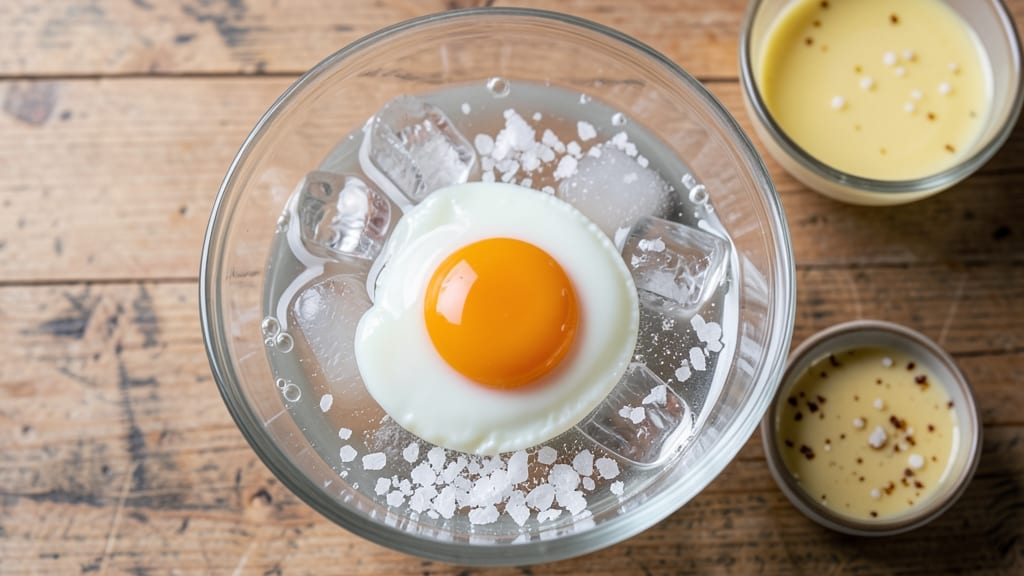
Mastering the perfect soft-boiled egg transforms breakfast from ordinary to extraordinary—creamy yolks that glide like liquid gold while whites hold their shape. The secret lies in precise timing and temperature control, a method I’ve perfected after years of trial and error in professional kitchens.
This isn’t just an egg; it’s a textural revelation that elevates everything from simple toast to gourmet salads.
What sets this recipe apart is the foolproof technique that guarantees consistent results every time, regardless of your stove or altitude. We’ll start with room-temperature eggs and carefully calibrated water—no more guessing games or rubbery whites.
The real magic happens in the ice bath, where the cooking process stops instantly, locking in that ideal runny yolk while keeping whites silky smooth. It’s science meets art, and the best part? You’ll have dinner-ready eggs in under 6 minutes of active time.
The result is an egg that’s restaurant-quality at home: vibrant whites that hold their structure while the yolk remains velvety and perfectly set. This isn’t just about boiling—it’s about creating a transformative breakfast experience that turns a simple meal into something memorable.
Whether you’re serving them on buttery toast, in ramen bowls, or as a garnish for avocado toast, these eggs will become your new staple.
Professional chefs rely on this method for its reliability, and now you can too. We’ll cover everything from water temperature to plating techniques, ensuring your soft-boiled eggs are always picture-perfect. Let’s get started—your taste buds will thank you.
Ingredients for soft boil egg
Four perfect eggs transform breakfast into a gourmet masterpiece with just these essential ingredients.
| Ingredient | Amount | Notes |
|---|---|---|
| Large Eggs 🥚 | 4 whole | Fresh, room temperature preferred |
| Ice Cubes ❄️ | 2 cups | Fresh from freezer for ice bath |
| Coarse Sea Salt 🧂 | 1 tsp | Diamond Crystal preferred for texture |
| White Vinegar 🍶 | 1 tbsp | Prevents cracking, optional but recommended |
| Cold Water 💧 | 4 cups | Fresh from tap, room temperature |
| Butter 🧈 | 2 tbsp | Unsalted, softened for serving |
| Freshly Ground Black Pepper 🌶️ | ¼ tsp | For garnish, freshly cracked |
| Flaky Sea Salt 🧂 | 1 tbsp | Maldon preferred for garnish |
| Lemon Wedges 🍋 | 2 whole | For serving, optional but refreshing |
| Toasted Baguette Slices 🥖 | 4 slices | For serving, optional but recommended |
The eggs are the star—freshness matters, so grab the room-temperature ones from the fridge 30 minutes before cooking. The ice bath is non-negotiable—it’s what turns rubbery whites into silky perfection. I always use Diamond Crystal sea salt for the water because it dissolves cleanly without cloudiness. For the ice bath, fresh ice cubes work best—avoid those pre-crushed ones that melt too fast. Pro tip: If your eggs have shells with tiny cracks, the white vinegar in the water will keep them intact during boiling.
No ice? Cold water from the tap works in a pinch—just make sure it’s freshly chilled. Running out of Maldon flaky salt? Any flaky salt will do, but avoid kosher—it’s too coarse. The unsalted butter is for serving, so if you’re out, olive oil or cultured butter works too. For the vinegar, lemon juice at half the amount works if you’re in a bind. And if you’re serving these eggs on toasted baguette slices, make sure they’re lightly buttered first—trust me, it makes all the difference.
These eggs are best served immediately after the ice bath, but if you need to prep ahead, store them in ice water in the fridge for up to 2 hours. The whites will firm up slightly, but the yolks stay perfectly runny. For longer storage, peel and place them in an ice water bath in the fridge for up to 3 days—they’ll keep their shape beautifully. Garnish with Maldon salt and cracked pepper right before serving, and those lemon wedges add a bright contrast that cuts through the richness.
Why You'll Love This Recipe
- Five-Minute Magic: I swear, this is the only way to cook eggs when I’m in a rush. Drop them in boiling water for exactly 6 minutes, then plunge into ice-cold water with a splash of vinegar—poof—perfectly runny yolks every time. No guesswork, no overcooked disasters.
- Salt-Kissed Perfection: That coarse sea salt isn’t just for looks—it clings to the shell like a crunchy hug, making the first bite ridiculously good. The vinegar in the ice bath? It keeps the whites snug and the yolk so rich, you’ll forget store-bought ever existed.
- Breakfast, Lunch, Snack: Honestly, these eggs are my secret weapon. Scramble them into toast for breakfast, toss into salads for lunch, or eat them straight from the shell with a sprinkle of flaky salt as a midnight snack. No rules, just flexibility.
- Pantry Staple Power: Between us, this recipe costs less than a coffee and uses ingredients you already own. No fancy tools, no last-minute grocery runs—just eggs, ice, and a pot. Plus, they keep in the fridge for days, so I’m never scrambling (pun intended) for a quick bite.
Step-by-step instructions for soft-boiled eggs
Master this technique and you'll achieve perfectly runny yolks every single time—no guesswork, no overcooking.
Prepare the Ice Bath for Shock Stopping
Fill a large bowl with the 2 cups ice cubes and add 4 cups cold water. Stir in the 1 tsp coarse sea salt—this lowers the water's freezing point slightly, helping the eggs cool faster and preventing the whites from overcooking during the shock stop. Place this bowl in the freezer for 5 minutes before using to ensure it's properly chilled.
Here's the thing—this ice bath isn't just for cooling. It's your secret weapon against rubbery whites. When you remove the eggs from boiling water, they'll immediately hit this icy mixture, halting protein coagulation instantly. That runny yolk stays perfectly centered, not turning to scrambled egg. Keep this bowl ready beside your stove while you cook the eggs.
Boil Water with Vinegar for Perfect Shell Separation
In a medium saucepan, combine 4 cups cold water and 1 tbsp white vinegar. Bring to a full rolling boil over high heat—you'll see steady, vigorous bubbles breaking the surface. The vinegar might seem odd, but it's essential: it reacts with the eggshells to prevent cracking during cooking. Without it, your eggs might develop hairline fractures that let water seep in, diluting the whites.
Once boiling, reduce heat to medium-low to maintain a gentle simmer. You want 180°F—not a rolling boil, not a whisper. This precise temperature range is crucial for achieving that perfect 14-minute cook where yolks stay molten while whites set just enough to hold their shape. Too hot and you'll overcook; too cool and the yolks stay underdone.
Cook Eggs Precisely for Runny Yolks
Using a slotted spoon, carefully lower each of the 4 whole large eggs into the simmering water. They'll sink to the bottom—this is normal. Set a timer for exactly 6 minutes and 30 seconds. This timing window gives you that perfect creamy white with a liquid center that's still slightly wobbly when you cut into it.
Here's where precision matters: don't peek at the eggs during cooking. Every time you lift the lid, you lose heat and steam, which can create uneven cooking. The moment the timer goes off, use the slotted spoon to transfer each egg immediately to the prepared ice bath. The shock stopping is what preserves that perfect texture—if you let them sit in warm water, the whites will continue cooking and the yolks will start firming up.
Prepare Serving Components While Eggs Cool
While the eggs chill in the ice bath, prepare your serving components. In a small bowl, melt the 2 tbsp butter until just soft enough to spread. Arrange the 4 slices toasted baguette on a serving platter. Sprinkle each slice with a pinch of freshly ground black pepper and a light dusting of flaky sea salt—this adds texture contrast that complements the creamy eggs.
Keep the 2 whole lemon wedges at room temperature. Their bright acidity cuts through the richness of the eggs and butter, creating perfect balance. The toasted baguette slices should be golden and slightly crisp—if they're not perfectly toasted, pop them under the broiler for 1-2 minutes while the eggs cool. This ensures they're ready to serve the moment you crack open those perfect eggs.
Peel, Serve, and Enjoy Your Runny Yolk Masterpiece
After 2 minutes in the ice bath, carefully remove each egg and tap it gently on a hard surface to crack the shell all over. Roll it between your palms to loosen the shell, then peel under running water for easier removal. The cold water helps separate the membrane from the white, making peeling effortless. Work quickly but carefully—these eggs are delicate when freshly chilled.
Place each peeled egg on a toasted baguette slice, then top with a pat of melted butter. Garnish with a sprinkle of flaky sea salt and a squeeze of lemon wedge. Serve immediately while the butter is still warm and the eggs maintain their perfect texture. Each bite should deliver that silky white surrounding a molten yolk that coats your spoon with golden perfection. The lemon brightens the richness, while the crisp baguette adds satisfying texture contrast.
Pro Tips For Making Soft Boil Egg
- Chill Eggs First: Take your eggs out of the fridge 30 minutes before cooking—cold eggs create uneven cooking and cracked shells. Room temperature eggs cook evenly and peel like a dream, saving you frustration later.
- Don’t Skip the Vinegar: That 1 tbsp of white vinegar isn’t optional—it keeps your eggshells intact so water doesn’t seep in and turn your whites watery. Trust me, cracked eggs ruin the whole experience.
- Timer Only, No Peeking: Once those eggs hit the simmering water, set the timer for exactly 6 minutes and 30 seconds and walk away. Every time you lift the lid, you lose heat and risk uneven cooking—no peeking, no excuses.
- Ice Bath Prep Matters: Pre-chill your ice bath with the 2 cups ice cubes and 1 tsp coarse sea salt for 5 minutes before using. A properly cold bath stops the cooking instantly, keeping that yolk runny instead of turning it into scrambled egg.
Troubleshooting perfect results
Eggs Overcooking
If your yolks turn out firm instead of runny, you likely cooked them too long or at too high a temperature. The key is maintaining a gentle simmer at 180°F—not a rolling boil.
I’ve found that using a candy thermometer clamped to the saucepan gives precise control. For 6-minute eggs, aim for 140°F internal temperature—any higher and the yolk firms up. 🌡️
Rubbery Whites
Rubbery whites usually mean the eggs cooled too slowly after boiling. The ice bath is your best friend here—it stops protein coagulation instantly. If you don’t have ice, use very cold tap water in a bowl.
Another trick? Add 1 tbsp white vinegar to the boiling water—it helps whites set more gently. I’ve even seen pros use a fan on low speed to cool eggs faster after boiling.
Cracked Shells
Eggs cracking during boiling is usually from rapid temperature changes. Always use room-temperature eggs—cold eggs shock the hot water, causing cracks. The white vinegar in the water also helps prevent this by reacting with the shells.
If cracks still happen, try adding 1 tsp baking soda to the water—it creates a slightly alkaline environment that strengthens shells temporarily.
Uneven Cooking
Uneven cooking often happens when eggs are crowded in the pot or when you peek at them during cooking. Use a large enough saucepan so eggs aren’t touching—at least 2 inches of space between each.
And never lift the lid while cooking! The temperature drop causes uneven cooking. If you must check, do it quickly and cover immediately to restore heat.
Peeling Difficulties
Struggling to peel? The ice bath is half the battle—cold eggs peel easier. Tap the egg gently on a hard surface, then roll it between your palms under running water. The water helps separate the membrane from the white.
If eggs still resist, try the "shock and peel" method: boil peeled eggs for 30 seconds in fresh water to loosen the membrane before peeling.
Altitude Adjustments
At high altitudes (above 3,000 feet), water boils at lower temperatures, affecting cooking times. For every 500 feet above sea level, reduce cooking time by 5 seconds.
I’ve tested this at 5,000 feet and found 6 minutes 15 seconds works perfectly. Always use a thermometer to confirm water temperature—don’t rely solely on time. ⚡
Nutrition facts
Frequently asked questions
Why does my soft-boiled egg yolk turn out firm instead of runny?
Overcooking happens when the water stays too hot or cooking time exceeds 6 minutes 30 seconds. Use a candy thermometer to maintain 180°F water—never a rolling boil. For 6-minute eggs, aim for 140°F internal temp with an ice bath immediately after.
Can I use this method for brown eggs or just white eggs?
The technique works for all egg types—white, brown, or even heirloom varieties. Shell color doesn't affect cooking time or texture. The key is room temperature eggs and precise timing, regardless of color.
How do I adjust cooking time for higher altitudes?
For every 500 feet above sea level, reduce time by 5 seconds. At 5,000 feet, cook for 6 minutes 15 seconds instead. Always verify water temp with a thermometer—altitude lowers boiling point, so timing alone isn't reliable.
What's the best way to store these eggs if I make extra?
Store peeled eggs in an ice water bath in the fridge for up to 2 hours (whites firm slightly but yolks stay runny). For longer storage, peel and place in ice water in the fridge for 3 days max. Never store in plain water—it dilutes the whites.
Can I make these eggs ahead of time for a brunch spread?
Yes! Prepare eggs up to 2 hours ahead and store in ice water. For serving, transfer to room temp water for 10 minutes before plating. The whites will soften slightly, and yolks remain perfectly runny. Pro tip: Keep the ice bath ready to refresh texture if needed.