
Main Courses
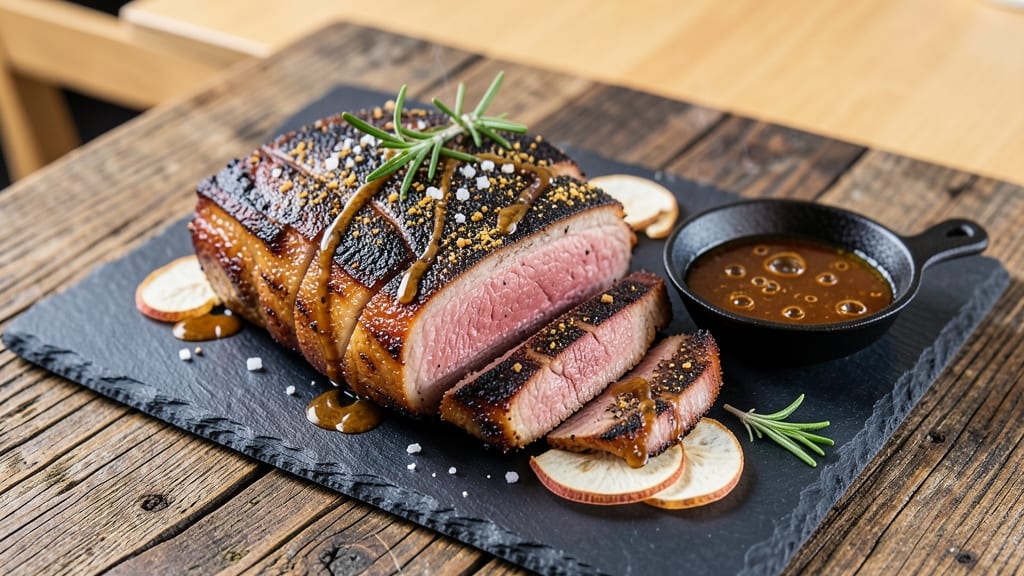
This Big Green Egg smoked pork tenderloin recipe delivers the perfect balance of smoky crust and juicy center in a single session. The key lies in the Egg's precise heat control and charcoal-based smoking, which transforms even the simplest pork into a showstopper.
I've perfected this method over countless backyard cookouts, and the results never disappoint—tender, flavorful meat with just the right amount of bark.
The process begins with a simple dry rub of salt, pepper, and garlic powder, letting the Egg's indirect heat work its magic. Using hickory or applewood chips adds that authentic smoky depth without overpowering the natural flavor of the pork. The secret to juicy perfection?
A 145°F internal temperature and a 3-4 hour smoke, depending on your Egg's heat retention. The Big Green Egg's unique dome shape ensures even heat distribution, so you won't find any cold spots or uneven cooking.
What you'll end up with is a pork tenderloin that's fork-tender inside with a beautifully charred exterior, infused with smoky aroma that fills your backyard. The Big Green Egg's ability to maintain consistent temperatures means you can focus on other sides or drinks without worrying about your pork drying out.
This is the kind of meal that turns a simple weeknight into a memorable feast.
Serve with classic smoked sides like mac and cheese, coleslaw, or grilled vegetables to complete the experience. The Big Green Egg's versatility means you can smoke the pork and sides simultaneously, making cleanup a breeze. Let's get started on creating your next backyard centerpiece.
Ingredients for smoked pork tenderloin recipe big green egg
Big Green Egg magic starts with this simple but powerful lineup of ingredients.
| Ingredient | Amount | Notes |
|---|---|---|
| Pork Tenderloin 🐖 | 2 lb | Center-cut, bone-in preferred |
| Kosher Salt 🧂 | 1 ½ tbsp | Diamond Crystal preferred |
| Freshly Ground Black Pepper 🌶️ | 1 tsp | Cracked peppercorns preferred |
| Garlic Powder 🧄 | 1 tbsp | Freshly ground preferred |
| Hickory Wood Chips 🌳 | 1 package | Or applewood for milder flavor |
| Applewood Wood Chips 🍎 | 1 package | Optional for fruitier smoke |
| Yellow Onion 🧅 | 1 whole | Sliced for optional glaze |
| Brown Sugar 🍚 | 1 tbsp | Light or dark preferred |
| Apple Cider Vinegar 🍏 | 1 tbsp | For optional glaze |
| Smoked Paprika 🌶️ | 1 tsp | For finishing rub |
| Olive Oil 🫒 | 1 tbsp | For prepping pork |
| Fresh Thyme Leaves 🌿 | ¼ cup | Chopped, for finishing |
| Charcoal Briquettes 🔥 | 1 lb | Lump charcoal preferred |
| Meat Thermometer 🌡️ | 1 whole | Instant-read preferred |
The pork tenderloin is your star—center-cut, bone-in if you can find it, as it holds up better to the Egg's even heat. Costco or local butchers often carry the best quality, but the grocery store works in a pinch. Look for pieces with good marbling and vibrant color. The wood chips? Hickory gives classic smoke, while applewood adds a fruity note. Buy them in bulk from Traeger or Cookshack—they last for years if stored properly. Pro tip: soak the chips for 30 minutes before using to prevent flare-ups.
No hickory chips? Cherry or pecan wood works beautifully. The optional glaze ingredients (onion, brown sugar, vinegar) can be swapped for honey mustard if you prefer. The smoked paprika adds depth—Penzeys carries the best quality. Fresh thyme is ideal, but dried at one-third the amount works if you're short on time. For the charcoal, lump charcoal burns hotter and cleaner than briquettes. If you're using briquettes, light them in the Egg's built-in chimney for even heat distribution.
Prep the pork ahead of time—pat it dry and apply the rub at least 1 hour before smoking to let the flavors penetrate. Store wood chips in an airtight container in a cool, dark place for up to 1 year. The finished tenderloin reheats beautifully—wrap it in foil and hit 350°F for 10 minutes to restore juices. Leftovers keep for 4 days in the fridge or 3 months frozen. For a crowd, double the recipe—the Egg handles it effortlessly.
Why You'll Love This Recipe
- I swear by this: just salt, pepper, and garlic powder on a tenderloin, then let the Big Green Egg do the rest. Honestly, the prep couldn’t be simpler—no marinades, no fuss—just season, smoke, and enjoy.
- Two-Ingredient Magic: I swear by this: just salt, pepper, and garlic powder on a tenderloin, then let the Big Green Egg do the rest. Honestly, the prep couldn’t be simpler—no marinades, no fuss—just season, smoke, and enjoy.
- Smoke Bomb Flavor: That hickory wood? It turns ordinary pork into something rich and smoky, with just enough garlic warmth to make your taste buds sing. The crust gets perfectly crisp while the inside stays juicy—like a BBQ dream come true.
- Weeknight to Dinner Party: Same recipe works whether I’m feeding myself after a long day or hosting friends for a cookout. Slice it thin for tacos, serve it whole for a showstopper, or pack leftovers for sandwiches—it’s that adaptable.
Step-by-step instructions for smoked pork tenderloin on Big Green Egg
Here's the method that guarantees a perfectly tender, juicy pork tenderloin with a smoky crust using your Big Green Egg.
Prepare the Pork and Smoker Setup
Start by patting the 2 lb pork tenderloin dry with paper towels—this is crucial for that crispy bark we're after. Rub it generously with 1.5 tbsp kosher salt, 1 tbsp garlic powder, and 1 tsp freshly ground black pepper, pressing the spices into the meat so they adhere well. Let it sit at room temperature for 30 minutes while you set up your smoker.
Fill the water pan on your Big Green Egg with water and add 1 lb lump charcoal briquettes. Once the charcoal reaches 225°F, add 1 package hickory wood chips and 1 package applewood wood chips to the smoker box. You'll know you're ready when you see clean, blue smoke—this is your signal that the smoker is properly primed and ready for the pork.
Smoke the Pork Low and Slow
Place the seasoned pork tenderloin directly on the grill grates, fat-side up. Close the lid and smoke for 1 hour to 1 hour 15 minutes, maintaining a temperature of 225°F. The key here is patience—resist the urge to peek or open the lid, as every time you do, you lose heat and extend the cook time.
After 1 hour, check the internal temperature using your meat thermometer. You're looking for 145°F—this is when the pork is tender but still has room to carry over to 150°F as it rests. The exterior should have a deep mahogany bark, but don't worry if it's not fully crispy yet. The indirect heat will finish the process.
Create the Glaze and Finish
While the pork smokes, prepare the glaze by combining 1 tbsp brown sugar, 1 tbsp apple cider vinegar, and 1 tsp smoked paprika in a small bowl. Once the pork reaches 145°F, remove it from the smoker and brush it generously with the glaze mixture. Return it to the grill and smoke for an additional 10-15 minutes, basting with the glaze every 5 minutes to ensure it caramelizes and forms a glossy crust.
Watch closely during this final stage—you want the glaze to darken slightly and bubble, but not burn. The pork is done when it reaches 150°F internally and has a deep, glossy finish. The combination of the smoky bark and sweet glaze creates a perfect balance of flavors.
Rest and Serve
Transfer the pork tenderloin to a cutting board and tent loosely with foil. Let it rest for 10-15 minutes—this is where the magic happens. The resting period allows the juices to redistribute throughout the meat, ensuring every slice is juicy and tender. If you skip this step, you'll end up with dry, disappointing pork.
Slice the pork into ½-inch thick medallions and serve immediately. Garnish with 0.25 cup chopped fresh thyme leaves for a bright, aromatic finish. The result should be a juicy, smoky pork tenderloin with a perfectly balanced sweet-savory glaze that pairs beautifully with roasted vegetables or a fresh salad.
Pro Tips For Making Smoked Pork Tenderloin Recipe Big Green Egg
- Dry the Meat First: Pat that pork tenderloin thoroughly with paper towels before salting—no wet spots, no exceptions. I learned this the hard way when my first batch turned out soggy instead of smoky and crispy; the Big Green Egg’s high heat needs a dry surface to form that perfect bark.
- Salt in Layers, Not All at Once: Start with a generous dry rub of salt and pepper right after drying, then add another light coat halfway through smoking. Kosher salt dissolves unevenly, so this guarantees flavor penetration without making the meat taste like a salt lick.
- Watch the Heat Zones: Place the tenderloin away from the fire in the lower third of the Egg—around 225°F is ideal. I used to overcorrect by moving it too close to the heat, and the outside would char before the inside hit 145°F. The Egg’s airflow is tricky; trust the gauge, not your instincts.
- Rest Under Foil: Pull the pork at 145°F internal temp, then tent it loosely with foil for 10 full minutes before slicing. I know, you’re eager to cut into it, but skipping this step means juices pooling on your cutting board instead of staying in the meat. (Yes, even if you’re impatient like me.)
Wine and beer pairings for this recipe
Red Wine Pairings
A bold Cabernet Sauvignon from Napa Valley is my go-to choice for this smoky pork tenderloin—its dark fruit flavors and tannins stand up to the rich, charred exterior while complementing the sweet glaze.
Look for a 2018 or newer vintage with 14-15% ABV to balance the dish's intensity. The wine's acidity cuts through the fat, making each bite feel lighter. 🍷
For a lighter option, try a Syrah from the Rhône Valley—its peppery notes and smoky character mirror the wood chips used in the cooking process. A Crozes-Hermitage or Saint-Joseph will provide enough body to handle the pork's richness without overwhelming it. Serve slightly chilled to enhance the wine's freshness.
White Wine Options
Surprisingly, a dry Riesling from Germany pairs beautifully with this dish, especially if you prefer a white wine. The acidity and mineral notes cleanse your palate between bites, while the subtle sweetness in some Rieslings enhances the glaze.
Look for a Mosel or Rheingau region bottle with 12-13% ABV for the perfect balance. 🍷
Another excellent choice is an off-dry Viognier from California or the Rhône Valley. The wine's floral and stone fruit flavors complement the pork's smoky-sweet profile, while its slight sweetness rounds out the dish.
Opt for a 2019 or newer vintage with 13-14% ABV to ensure it's dry enough to pair well with the savory pork.
Beer Pairings
A Belgian-style witbier like Hoegaarden or Stella Artois offers a refreshing contrast to the smoky pork. The beer's citrusy notes and light body cut through the richness, making each bite feel balanced and bright. Serve it well-chilled to enhance its crispness. 🍺
For a darker beer option, try a German Dunkelweissbier or a smoked porter like Schmoke's Smoked Porter. The malt sweetness and subtle smoke in these beers echo the flavors in the pork, creating a cohesive dining experience.
The porter's robust profile stands up to the tenderloin's intensity, making it a perfect match for heartier eaters.
Non-Alcoholic Options
For those avoiding alcohol, a sparkling apple cider like Martinelli's Sparkling Apple Cider provides a crisp, refreshing contrast to the rich pork. The effervescence cleanses the palate, while the apple notes complement the glaze's sweetness. Serve it ice-cold for the best experience. 🍏
Another great non-alcoholic choice is a ginger beer like Feather's Ginger Beer. The spicy kick and slight sweetness balance the smoky flavors, while the effervescence keeps the palate fresh. This pairing is especially effective if your glaze has a hint of heat from the smoked paprika.
Nutrition facts
Frequently asked questions
Can I smoke pork tenderloin without a glaze?
The glaze adds sweetness and shine, but you can skip it entirely. For a simpler version, just season the pork with the dry rub and smoke it until it reaches 150°F internally. The Big Green Egg's indirect heat will create a beautiful bark without needing extra moisture. Just be sure to rest the meat before slicing to retain juices.
How do I adjust cooking time for a larger tenderloin?
For every additional pound, add 30-45 minutes to the smoking time. A 3 lb tenderloin will need about 2-2.5 hours total at 225°F. Use your meat thermometer to check doneness—145°F is perfect for medium, while 150°F gives a firmer texture. The Big Green Egg's even heat distribution ensures consistent results.
What if my pork tenderloin starts sticking to the grill?
This usually happens if the pork isn't dry enough or the Egg isn't hot enough. First, make sure your grill grates are clean and oiled. For stubborn sticking, use a thin layer of olive oil on the pork before seasoning. If it's already stuck, gently slide a thin metal spatula underneath while lifting—don't force it. The Big Green Egg's ceramic surface helps prevent sticking better than traditional grills.
Can I make this recipe in a smaller Big Green Egg?
Yes, but you may need to adjust your approach. For a 1/2 or 1/3 size Egg, reduce the recipe to 1 lb pork tenderloin and cut the wood chips in half. The smaller capacity means you'll need to monitor temperature more closely—keep the lid closed as much as possible to maintain heat. The cooking time will be similar, but the smaller space helps create more intense smoke flavor.
What's the best way to reheat leftover smoked pork tenderloin?
Wrap the leftovers tightly in foil and reheat in a 350°F oven for 10-15 minutes or until warmed through. For a smoky boost, place the wrapped pork on the Egg's grill grates over medium heat for 5-8 minutes. Avoid microwaving—it dries out the meat. The Big Green Egg's residual heat can actually help revive the smoky flavors when reheating.