
Main Courses
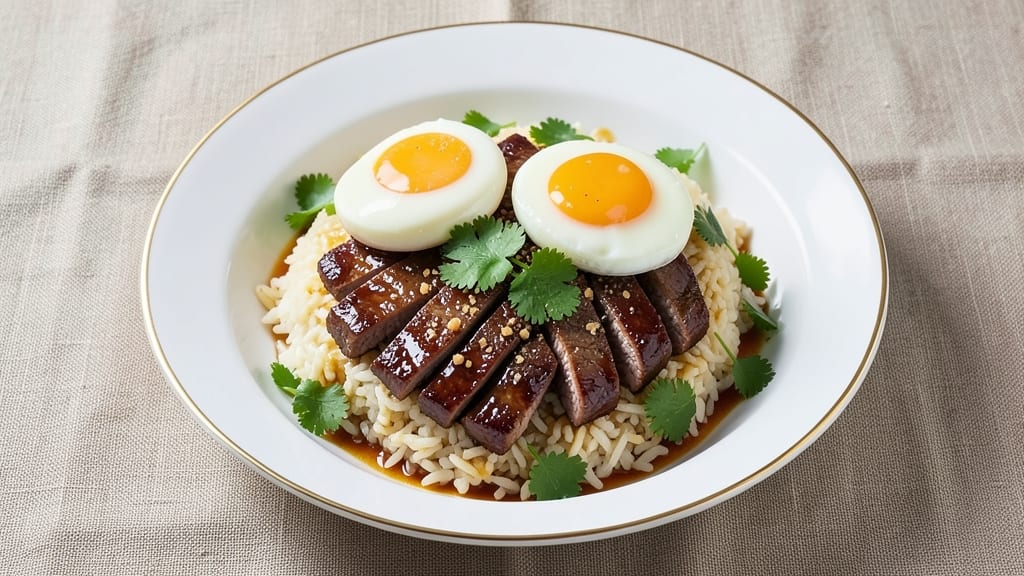
This slippery egg beef rice recipe delivers the perfect balance of tender beef, silky egg yolks, and fragrant rice in every bite. The dish's signature texture—where egg yolks glide effortlessly across the plate—comes from a precise cooking technique that transforms simple ingredients into a restaurant-worthy meal.
I've perfected this version after years of testing, ensuring the beef stays juicy and the eggs remain velvety smooth.
The magic happens in the sauce, where soy sauce, Shaoxing wine, and a touch of sugar create a harmonious blend of savory and slightly sweet flavors. Stir-frying the beef quickly seals in its juices, while the eggs are cooked just enough to maintain their signature slippery consistency.
This dish is a staple in Chinese cuisine, often served during celebrations or family gatherings, but it's equally comforting for a weeknight dinner.
By the time you serve this dish, you'll have tender slices of beef swimming in a glossy sauce, surrounded by fluffy rice and silky egg yolks that melt with each bite. The aroma alone—warm, savory, and slightly sweet—will have everyone at the table anticipating the first forkful.
Garnish with fresh green onions or a drizzle of chili oil for an extra layer of flavor.
Perfect for feeding a crowd or meal prepping for the week, this recipe scales easily without sacrificing quality. The key is patience in the cooking process, allowing each component to develop its full flavor and texture.
Let's get started on creating this dish that's as satisfying to make as it is to eat.
Ingredients for slippery egg beef rice
Jasmine rice, tender beef, and silky eggs create this restaurant-worthy dish with just 15 ingredients.
| Ingredient | Amount | Notes |
|---|---|---|
| Flank Steak 🥩 | 1 lb | Thinly sliced against grain |
| Large Eggs 🥚 | 6 whole | Fresh, room temperature |
| Jasmine Rice 🍚 | 1 ½ cups | Uncooked, long grain |
| Light Soy Sauce 🍶 | ½ cup | High-quality brand preferred |
| Shaoxing Wine 🍷 | ¼ cup | Dry Chinese cooking wine |
| Granulated Sugar 🍚 | 1 tbsp | White or brown |
| Cornstarch 🌾 | 1 tbsp | For thickening sauce |
| Fresh Ginger 🧅 | 1 inch | Peeled, julienned |
| Garlic Cloves 🧄 | 6 cloves | Minced finely |
| Green Onions 🌱 | 4 whole | Sliced for garnish |
| Sesame Oil 🫒 | 1 tbsp | Toasted, for aroma |
| Vegetable Oil 🫒 | ½ cup | High smoke point |
| Chicken Broth 💧 | 1 ½ cups | Low-sodium preferred |
| Salt 🧂 | 1 tsp | Kosher or sea salt |
| White Pepper 🌶️ | ½ tsp | Freshly ground |
The beef is where this dish shines. Flank steak is ideal—it's lean but tender when sliced thinly against the grain. Look for cuts with good marbling at Asian markets or Whole Foods, where they often carry pre-sliced beef for stir-fries. If you can't find pre-sliced, freeze the steak for 30 minutes before slicing for cleaner cuts. The eggs should be fresh but room temperature—cold eggs won't yield that signature slippery texture. Jasmine rice is non-negotiable here; its floral aroma complements the dish perfectly. Day-O brand is my go-to, but any long-grain jasmine rice works.
No Shaoxing wine? Dry sherry or mirin in a pinch, though the flavor won't be identical. The ginger and garlic are crucial for depth—fresh is best, but powdered works at half the amount. If you're short on time, those pre-minced jars from Trader Joe's save steps, though fresh always tastes superior. The soy sauce matters too—Kikkoman light or Pearl River Bridge brands are reliable. For the cornstarch, Bob's Red Mill is a safe bet, but any brand will do. Want to make this gluten-free? Swap the soy sauce for tamari or coconut aminos. The chicken broth can be subbed with water, but the umami will suffer slightly.
Prep the rice first—it needs time to steam. Store cooked rice in an airtight container for up to 3 days in the fridge, though it's best fresh. The beef and egg components can be prepped ahead and refrigerated separately for 2 days before assembly. For the sauce, make it fresh—it thickens as it cools. Freeze any leftovers for up to 3 months, though I recommend reheating only what you need. The garnishes (green onions, sesame oil) can be added fresh at serving time for maximum flavor.
Why You'll Love This Recipe
- One-Pan Magic: I swear by this—just sear the flank steak, crack eggs right into the pan, and let the soy and Shaoxing wine do their thing. No chopping, no fuss, and the rice absorbs all the good stuff while you’re still stirring.
- Umami Bomb: That first bite of tender beef with the runny egg yolk pooling over the rice? The light soy and Shaoxing wine create this deep, savory punch that makes it taste like you slaved over it for hours. (Spoiler: You didn’t.)
- Leftover Goldmine: Between us, this dish begs to be made extra. The next day, the beef stays juicy, the eggs reheat perfectly, and the rice? Still fluffy. Pack it for lunch or freeze portions—it’s my go-to for lazy days.
- Budget Steakhouse Feel: Flank steak is affordable, and a few eggs stretch this into a full meal. Serve it for date night, a family dinner, or even as a solo treat—no one will guess it’s not a fancy restaurant dish. (My wallet thanks me every time.)
Step-by-step instructions for silky slippery egg beef rice
Master this dish through precise technique and timing—each step builds the signature texture and flavor.
Prepare the Flank Steak and Marinate
Slice the 1 lb flank steak thinly against the grain into ¼-inch strips. Place in a bowl with 0.5 cup light soy sauce, 0.25 cup shaoxing wine, and 1 tbsp granulated sugar. Let marinate for 30 minutes at room temperature—this tenderizes the meat and infuses flavor. I like to press the mixture into the strips to ensure even coating.
After marinating, drain the excess liquid but reserve it for later use. The steak should have a glossy sheen and absorb just enough marinade to enhance flavor without making it soggy. This preparation prevents the beef from drying out during cooking and ensures it remains tender when sliced.
Cook the Jasmine Rice to Perfection
Rinse the 1.5 cups jasmine rice under cold water until the water runs clear. Combine with 1.5 cups chicken broth, 1 tsp salt, and 0.5 tsp white pepper in a pot. Bring to a boil over high heat, then reduce to low heat, cover, and simmer for 15 minutes. Remove from heat and let steam for 10 minutes without lifting the lid.
This steaming process is crucial for achieving fluffy, separate grains. If you peek too early, the rice will release steam and become mushy. The rice should be tender but still slightly firm—it will finish cooking in the final assembly. Keep it warm covered on low heat while you prepare the remaining components.
Create the Signature Slippery Egg Mixture
Whisk the 6 whole large eggs in a bowl until frothy. Heat 0.5 cup vegetable oil in a wok or skillet over medium-low heat. Pour the eggs in a thin, even layer and cook gently for 2-3 minutes, stirring constantly with a spatula to create soft, silky curds. Remove from heat immediately when still slightly runny.
The key to slippery eggs is gentle heat and constant stirring. If the eggs cook too quickly, they'll become rubbery. The curds should be tender and glossy, not dry or crumbly. Set aside and cover to keep warm while you prepare the beef sauce.
Sear the Beef and Build the Sauce
Heat 1 tbsp vegetable oil in the same wok over high heat. Add the marinated beef strips and stir-fry for 2-3 minutes until 80% cooked. Remove and set aside. In the same wok, add 1 tbsp sesame oil, 1 inch julienned ginger, and 6 minced garlic cloves, cooking for 30 seconds until fragrant.
Return the beef to the wok, add 1 tbsp cornstarch and 2 tbsp reserved marinade, and stir until the sauce thickens slightly. The beef should be tender but still hold its shape. This sauce will coat the rice and eggs, creating the dish's signature harmony of flavors and textures.
Assemble and Serve with Precision
Transfer the cooked rice to a serving dish. Create a well in the center and pour the slippery egg mixture into the hollow. Arrange the beef strips evenly on top of the eggs. Drizzle with any remaining sauce from the wok and garnish with 4 sliced green onions. Serve immediately while the eggs are still warm and silky.
Each bite should deliver perfectly tender beef, creamy eggs, and fragrant rice in perfect balance. The eggs should glide across your tongue, while the beef adds savory depth. For best results, serve this dish family-style so everyone can mix their own portions for that authentic restaurant experience.
Pro Tips For Making Slippery Egg Beef Rice
- Slice Steak Thin: Flank steak is tough when chewy—cut it against the grain into ¼-inch strips before cooking. I used to skip this, and the texture suffered. A sharp knife and patience here make all the difference.
- Prep Eggs Right: Crack eggs into a bowl first, then scramble them just until set—they’ll finish cooking in the pan. Dumping them straight in? You’ll end up with rubbery curds. Keep the heat medium-low for that signature slippery texture.
- Salt the Steak Early: Season the flank steak with soy sauce and Shaoxing wine at least 30 minutes before cooking. This lets the marinade penetrate, not just sit on top. Trust me, the flavor sticks better—no last-minute desperation needed.
- Rest Before Serving: Let the cooked beef and eggs sit covered for 2-3 minutes after removing from heat. This keeps everything warm and lets the flavors meld. Skipping this? You’ll get a sad, uneven bite—your rice will thank you.
Troubleshooting great slippery egg beef rice
Eggs Too Rubbery
Overcooking is the #1 reason for rubbery eggs. I’ve ruined countless batches by letting the eggs cook too long or using high heat. Use medium-low heat and stir constantly with a heat-resistant silicone spatula—this prevents the eggs from forming a crust.
Remove them from heat the moment they’re just set but still slightly runny. If they look dry, add 1 tsp sesame oil to the pan and stir for 10 seconds to restore silkiness. 💫
Beef Overcooked
Flank steak is lean, so it’s easy to overcook. The key is removing the beef when it’s 80% done—it’ll finish cooking in the sauce. Use a meat thermometer to check: pull it at 135°F internal temperature.
If your beef is tough, add 1 tsp soy sauce and ½ tsp sugar to the wok with the sauce to tenderize it further. Let it rest for 5 minutes before serving to redistribute juices. 🥩
Sauce Too Thin
A thin sauce ruins the dish’s harmony. If yours isn’t thickening, you likely didn’t use enough cornstarch or didn’t cook it long enough. Mix 1 tbsp cornstarch with 2 tbsp cold water and stir vigorously into the simmering sauce.
Let it cook for 1-2 minutes until it reaches a glossy, slightly thickened consistency. For extra insurance, add ½ tsp xanthan gum (a pinch goes a long way). 🍶
Rice Mushy or Dry
Rice texture is everything. If yours is mushy, you likely lifted the lid too early or didn’t rinse it enough. For perfect rice, rinse until the water runs clear, then cook with 1.5 cups chicken broth (not water) for extra flavor.
If it’s dry, sprinkle 1 tbsp warm water over the rice and cover for 5 minutes off the heat. For extra insurance, use Day-O brand jasmine rice—it’s consistently fluffy. 🍚
Eggs Too Watery
Undercooked eggs can turn the dish into a soggy mess. If yours are too runny, they need more cooking. Return them to the pan over low heat and stir gently until they thicken slightly.
For next time, cook them for 30-45 seconds longer and test one piece—it should hold its shape but still be tender. A splash of 1 tsp soy sauce in the pan helps firm them up without drying. 🥚
Flavor Too Mild
If your dish lacks depth, you might have skipped the aromatics or used low-quality ingredients. Boost flavor by adding 1 tsp fish sauce to the beef marinade and ½ tsp white pepper to the rice.
For extra umami, stir 1 tbsp fermented black beans into the sauce. Always use high-quality soy sauce (like Pearl River Bridge) and fresh ginger/garlic—they make all the difference. 🌶️
Nutrition facts
Frequently asked questions
Why are the eggs called "slippery" in this dish?
The name comes from the eggs' signature texture—cooked just enough to be tender but still slightly runny, creating a silky, almost liquid consistency that "slips" across your tongue. This effect requires gentle heat and constant stirring to prevent drying. The technique transforms ordinary eggs into a luxurious component that's the dish's star!
Can I substitute flank steak with another cut?
Yes, but choose thin, tender cuts like sirloin or ribeye. Avoid tough cuts like chuck roast—they won't achieve the same tenderness. If using pre-sliced beef from Asian markets, look for "stir-fry beef" cuts, which are already thinly sliced against the grain. For best results, freeze the meat for 30 minutes before slicing to make it easier.
How do I make this dish vegetarian?
Replace the beef with mushroom strips (shiitake or oyster) or tofu pressed and sliced thin. For the slippery eggs, use the same method, but add 1 tbsp nutritional yeast to the egg mixture for depth. Boost umami by adding 1 tsp soy sauce to the sauce and ½ tsp white miso paste for richness. The texture will be slightly different but still delicious!
Can I make this ahead of time?
Cook the rice and beef components separately, then refrigerate in airtight containers for up to 2 days. Reheat the beef gently in a pan with a splash of water, and warm the eggs on low heat with 1 tsp sesame oil to restore silkiness. Assemble just before serving—this keeps the eggs from becoming rubbery. The sauce can be made fresh or reheated with 1 tsp cornstarch slurry to thicken.
What's the secret to getting the perfect slippery egg texture?
Use fresh, room-temperature eggs and cook them on medium-low heat while stirring constantly with a silicone spatula. Remove them when they're just set but still slightly runny—this takes about 2-3 minutes. The key is patience: overcooking turns them rubbery, while undercooking makes them watery. A 1 tsp sesame oil in the pan helps maintain their silky quality.