
Breakfast & Brunch
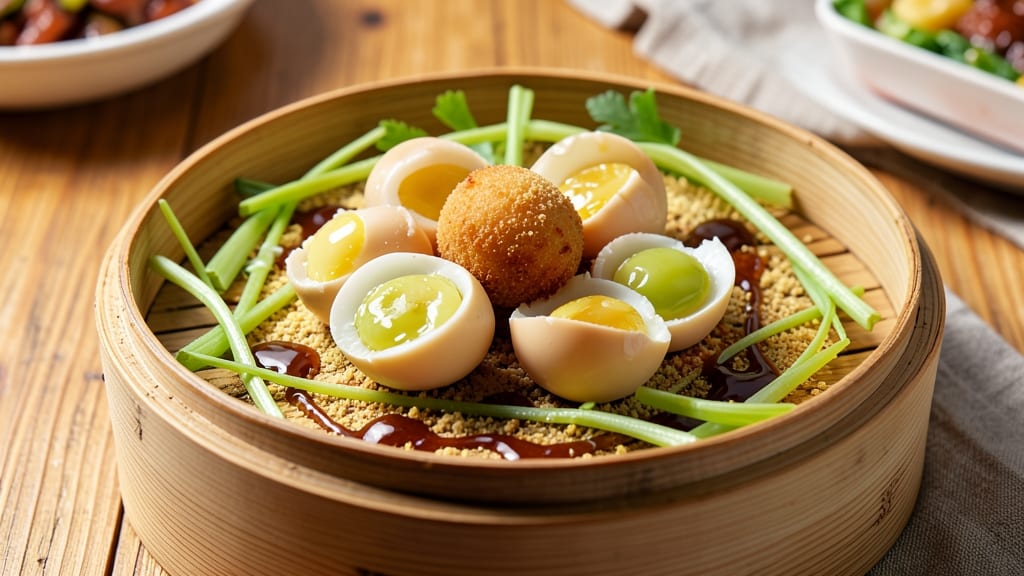
This sipo quail eggs recipe transforms a classic Filipino dish into a crispy, celery-crusted masterpiece with that signature runny yolk magic. 🌟 The secret lies in the celery crust—crunchy, aromatic, and perfectly balanced with tangy vinegar and fermented shrimp paste (bagoong).
I've perfected this version to deliver restaurant-quality texture without compromising authenticity. What makes this recipe special is the harmony of textures: crispy celery crust, tender quail eggs with perfectly set whites and runny yolks, and silky spinach or kangkong that soaks up all the savory flavors.
The bagoong adds that unmistakable umami depth that defines sipo, while the vinegar brightens every bite. It's a dish that's equal parts comforting and exciting. By the time you serve this, you'll have a plate that's visually stunning—golden-brown celery crusts surrounding plump quail eggs nestled in vibrant greens.
The aroma alone will have everyone gathering at the table, and the first bite delivers that perfect balance of crispy, creamy, and tangy. This is comfort food elevated. Serve it as a main dish with steamed rice or as an appetizer to impress guests.
The beauty of this recipe is its versatility—traditional yet approachable for home cooks. Let's get cooking!
Ingredients for sipo quail eggs
Crispy celery crusts, runny quail yolks, and savory kangkong await—authentic Filipino flavors with restaurant-quality texture.
| Ingredient | Amount | Notes |
|---|---|---|
| Quail Eggs 🥚 | 12 whole | Room temperature for even cooking |
| Celery Stalks 🧅 | 1 bunch | Thinly sliced, leafy parts removed |
| All-Purpose Flour 🌾 | ½ cup | For dredging celery crust |
| Bagoong Alamang 🦐 | 2 tbsp | Fermented shrimp paste, finely minced |
| Canola Oil 🫒 | ½ cup | For frying celery crust |
| White Vinegar 🍶 | 2 tbsp | White or apple cider vinegar |
| Kangkong (Water Spinach) 🌿 | 4 cups | Chopped, or substitute baby spinach |
| Garlic Cloves 🧄 | 3 cloves | Minced, for kangkong seasoning |
| Soy Sauce 🍶 | 1 tbsp | For kangkong dressing |
| Sesame Oil 🫒 | 1 tbsp | For aroma, toasted |
| Salt 🧂 | 1 tsp | Diamond Crystal preferred |
| Black Pepper 🌶️ | ½ tsp | Freshly ground for heat |
| Lemon Juice 🍋 | 1 tbsp | Freshly squeezed, for brightness |
| Steamed Jasmine Rice 🍚 | 2 cups | For serving, cooked |
The celery crust is non-negotiable for authentic sipo. Look for crisp, fresh celery stalks—avoid rubbery or yellowing pieces at Asian markets like 99 Ranch or H Mart, where they often carry the freshest bunches. Thinly slice the celery at a 45-degree angle for maximum surface area and crispiness. If you can't find kangkong, baby spinach or Swiss chard work well, though the texture will differ slightly. The quail eggs should be room temperature when you cook them—cold eggs won't set properly and may crack during frying.
No bagoong alamang? Substitute with 1 tbsp finely minced anchovies plus 1 tsp fish sauce—it won't be identical, but the umami will still shine. For the kangkong dressing, toasted sesame oil is key—heat it gently in a small pan until fragrant but not smoking. If you're short on time, store-bought sesame oil works, but avoid the cheap, flavorless kind. The vinegar can be swapped for rice vinegar or lime juice, though white vinegar gives the most authentic tang. For extra richness, add a dash of sugar to the kangkong dressing to balance the acidity.
This dish is best served immediately, but the kangkong can be prepped and refrigerated for up to 2 hours before reheating. The celery crust loses crispiness quickly, so fry it just before serving—keep the oil at 350°F for perfect golden-brown results. Store any leftover quail eggs in the fridge for 1 day in an airtight container, though they're best enjoyed fresh. For a make-ahead option, pre-cook the kangkong and store it separately, then assemble everything right before serving. The aroma alone will draw everyone to the table—worth the extra effort.
Why You'll Love This Recipe
- No-Fuss Assembly: I swear by this recipe because it’s basically a one-pan, five-move deal. Dredge the quail eggs in flour, fry them golden in canola oil, then toss with celery and bagoong alamang—no chopping, no stress. Honestly, I’ve made it while microwaving leftovers.
- Umami Bomb: That bagoong alamang isn’t just a topping—it’s the star. The salty, funky kick cuts through the crispy egg shells, and the celery adds a fresh crunch that keeps every bite exciting. (Yes, even on a Tuesday night.)
- Party Snack Hero: These disappear at gatherings—no one can resist the tiny, crispy eggs. Serve them as a starter, a bar snack, or even a side for grilled meats. I’ve used them for everything from casual get-togethers to holiday tables.
- Budget-Friendly Crunch: Quail eggs are cheaper than chicken eggs, and bagoong alamang stretches for multiple uses. A single batch feeds four, and leftovers reheat perfectly—just a quick fry in oil to restore that satisfying crunch. My wallet and taste buds thank me.
Step-by-step instructions for crispy celery-crusted quail eggs
Master this Filipino classic where crispy celery crust meets silky quail yolks—every technique matters.
👨🍳 Step 1: Prepare the Celery Crust Mixture
Thinly slice the celery stalks into matchstick-sized strips, discarding the leafy parts. Spread them evenly on a baking sheet and toast in a 350°F oven for 5 minutes until just softened—this removes excess moisture that would make your crust soggy. While still warm, pulse the toasted celery in a food processor until finely chopped but not pureed.
Transfer the celery to a mixing bowl and combine with the 0.5 cup all-purpose flour and 2 tbsp bagoong alamang. The fermented shrimp paste adds that signature umami depth, so don't skip this. Mix until the celery is evenly coated and the mixture resembles coarse crumbs. This will be your crispy crust—don't worry if it looks dry, it'll bind perfectly when fried.
🍳 Step 2: Fry the Celery Crust for Maximum Crisp
Heat 0.5 cup canola oil in a large skillet over medium-high heat until it shimmers but doesn't smoke. Add the celery mixture in small batches, pressing down gently with a spatula to ensure even contact with the oil. Fry for 3-4 minutes until the crust turns a deep golden brown and releases easily from the pan.
Here's the thing—don't overcrowd the pan or the crust will steam instead of crisp. Work in batches if needed, adding more oil as necessary to maintain the same heat level. Transfer the fried crust to paper towels to drain excess oil, but don't press down—this keeps it crispy. The crust should be firm enough to hold its shape when handled, with a satisfying crunch that announces its readiness.
🥘 Step 3: Assemble and Fry the Quail Eggs
Crack the 12 whole quail eggs into a shallow bowl, being careful not to break the yolks. Add the 2 tbsp white vinegar and whisk gently just until the whites are slightly thickened but still runny—this helps create that signature domed shape. The vinegar also enhances the egg's ability to hold its structure during frying.
Dip each egg into the celery crust mixture, pressing gently to adhere completely. The crust should cling to the egg like armor. Carefully transfer the coated eggs to a wire rack set over a plate—this prevents them from sitting in their own juices while you fry the rest. Heat the same skillet over medium heat with about 1 tablespoon canola oil (just enough to coat the bottom). Fry the eggs for 2-3 minutes per side until the crust is deep golden brown and the whites are set but yolks remain runny.
🍽️ Step 4: Prepare the Kangkong Salad
While the eggs cook, prepare the kangkong salad by combining the 4 cups chopped kangkong, 3 cloves minced garlic, 1 tbsp soy sauce, 1 tbsp sesame oil, 1 tsp salt, and 0.5 tsp black pepper in a large bowl. Toss gently to coat the greens evenly. The sesame oil adds that nutty aroma that complements the savory eggs perfectly.
Just before serving, drizzle with the 1 tbsp lemon juice and toss again. The acidity brightens the dish and cuts through the richness of the fried eggs. The salad should be vibrant green with a glossy sheen from the dressing—this is your visual cue that it's ready to be served alongside the crispy eggs.
🍚 Step 5: Serve Over Steamed Jasmine Rice
Plate the 2 cups steamed jasmine rice on each serving dish, creating a mound in the center. Arrange the crispy quail eggs on top of the rice, placing them upright so the celery crust stands proudly. The contrast between the golden crust and the creamy yolks is what makes this dish visually stunning.
Serve immediately with the kangkong salad on the side. The first bite should deliver that perfect harmony of textures—crispy crust giving way to silky egg, with the kangkong adding a fresh, peppery contrast. Each mouthful should feel balanced: the heat from the black pepper, the umami from the bagoong, and the brightness from the lemon all working together in perfect harmony.
Pro Tips For Making Sipo Quail Eggs
- CRACK THE EGGS FIRST: Don’t wait until the last minute to crack your quail eggs into the batter—do it right when you mix the flour, bagoong, and canola oil. The eggs blend smoother and the coating sticks better, so you won’t end up with dry, floury bits clinging to the outside. (Yes, even if you’re impatient like me.)
- CHOP CELERY THIN AND UNIFORM: Skip the lazy chopping—slice the celery into paper-thin, even strips. Thick pieces stay crunchy and uneven, while thin slices crisp up perfectly and soak up the bagoong flavor without turning soggy. Use a sharp knife or mandoline if you’re tired of wrestling with stubborn stalks.
- FRIED IN BATCHES: Resist the urge to dump all the quail eggs in at once—they’ll steam instead of fry, leaving you with pale, greasy results. Cook them in small batches of 6-8 eggs, giving each side 2-3 minutes until golden brown. The oil stays hotter, and the crust forms properly.
- USE COLD BAGOONG: Take the bagoong alamang straight from the fridge—it mixes better with the flour and oil without separating or turning greasy. Warm bagoong releases too much moisture, making the coating sticky and hard to adhere. Trust me, this small step keeps your sipo from falling apart.
Make-ahead tips for sipo quail eggs
Prep Ahead Components
Start by prepping the kangkong salad up to 2 hours ahead—store it in an airtight container with a damp paper towel to maintain crispness. This is my go-to strategy for busy mornings; the flavors actually meld better overnight.
Just give it a quick toss with fresh lemon juice before serving to revive the greens. 🌿
Crust Prep Shortcut
Toast and chop the celery crust the night before, then store it in a sealed container with the all-purpose flour and bagoong alamang. This saves you 15 minutes of prep on cooking day.
When ready to fry, simply combine the ingredients and proceed—no extra steps needed. The celery stays fresh longer when prepped this way. 🧅
Egg Prep Timing
Keep the quail eggs at room temperature by taking them out of the fridge 30 minutes before cooking. This ensures even cooking and prevents cracking.
I like to store the eggs in their carton on the counter while I finish other prep—it’s a small detail that makes a big difference in texture. 🥚
Frying Strategy
Fry the celery crust just before serving—it loses crispness within 10 minutes once fried. Use a deep skillet to maintain oil temperature at 350°F for golden perfection.
For the eggs, fry them in batches to avoid overcrowding, and keep the cooked ones warm in a 200°F oven while you finish the rest. This keeps everything piping hot and ready to serve. 🔥
Assembly Efficiency
Set up a two-station assembly line: one for coating eggs in the crust, and another for frying. This cuts down on back-and-forth and keeps the process smooth.
I also like to plate the steamed rice first, then add the eggs and salad on top—this makes serving a breeze, especially for larger groups. 🍚
Make-Ahead Serving
For gatherings, pre-cook the kangkong salad and store it separately. Keep the celery crust and quail eggs prepped but unfried until guests arrive. This way, you only need 10 minutes of active cooking time to deliver restaurant-quality results. The aroma alone will have everyone excited to eat! ✨
Nutrition facts
Frequently asked questions
Why does the recipe use quail eggs instead of chicken eggs?
Quail eggs deliver a more delicate, tender texture and richer flavor compared to chicken eggs. Their smaller size also makes them perfect for this dish, where presentation matters as much as taste. Plus, the runny yolk experience is more dramatic with quail eggs due to their higher yolk-to-white ratio!
What's the secret to getting that perfect crispy celery crust?
Toast the celery first to remove moisture, then fry in batches at 350°F for 3-4 minutes without overcrowding. The key is pressing the crust gently with a spatula during frying to ensure even browning. Keep the oil hot but not smoking for maximum crispiness!
Can I substitute kangkong with another green?
Yes! Use baby spinach or Swiss chard as substitutes—just adjust the cooking time slightly. Kangkong has a slightly more delicate texture, but spinach works well. For maximum flavor, add a pinch of sugar to the dressing to balance any bitterness in your greens.
How do I store leftover sipo quail eggs?
Store the eggs in an airtight container in the fridge for up to 1 day, but they're best enjoyed fresh. Reheat gently in a dry skillet over low heat for 1-2 minutes to restore crispiness. The kangkong salad should be eaten immediately after assembly for best texture.
What's the best way to serve this dish for a special occasion?
Arrange the crispy quail eggs on a platter surrounded by the kangkong salad, then serve with steamed jasmine rice in small bowls. For extra presentation, drizzle with a light soy-vinegar glaze and garnish with toasted sesame seeds. The contrast of colors makes it visually stunning for any gathering!