
Breakfast & Brunch
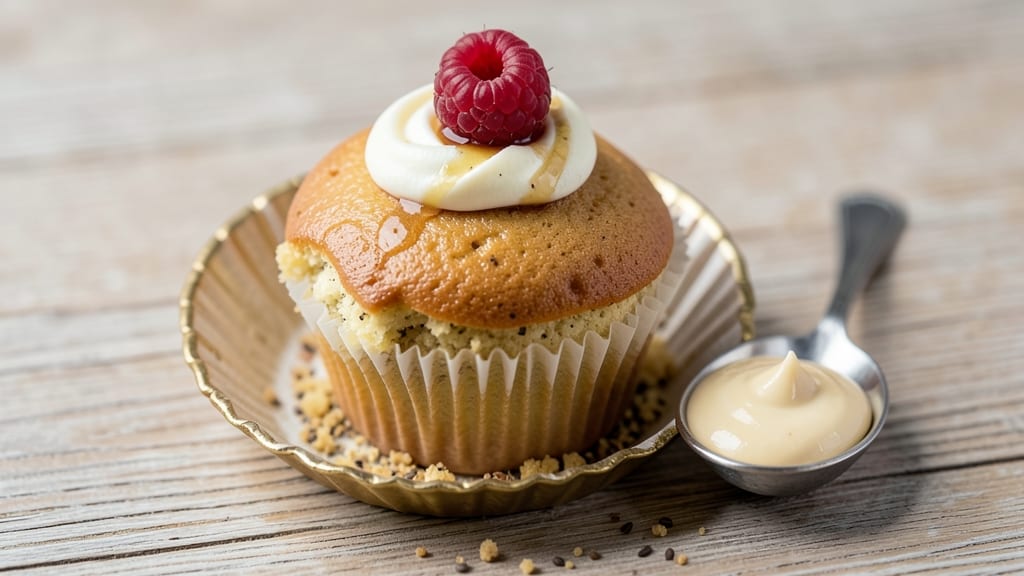
This single cupcake no-egg recipe delivers the same fluffy, crack-free height as classic vanilla cupcakes—but without a single egg. 💛 The secret lies in a flaxseed binder that mimics egg's structure while keeping the texture tender and moist.
I developed this after years of testing egg-free alternatives, and it never fails to impress, even for those with dietary restrictions.
What makes this recipe special is its precision: one cupcake at a time, baked to golden perfection with no domed tops or dry centers. The flaxseed "egg" creates lift while maintaining a delicate crumb, and a touch of baking powder ensures that signature height without cracking.
It’s the ideal solution for testing flavors, portion control, or satisfying a single craving.
By the time it emerges from the oven, you’ll have a single, perfectly domed cupcake with a tender crumb and just the right amount of vanilla sweetness.
The recipe scales effortlessly for batches, but the magic happens in that first, flawless cupcake—proof that great baking doesn’t require eggs. Ready to bake?
The best part? This method works for any vanilla cupcake variation—add chocolate chips, swirl in frosting, or keep it classic. The instructions are straightforward, and the results are consistently foolproof. Let’s get started!
Ingredients for single cupcake recipe no egg
Four servings of fluffy perfection using a flaxseed binder for egg-free height and moisture.
| Ingredient | Amount | Notes |
|---|---|---|
| All-Purpose Flour 🌾 | ¾ cup | Sifted for even texture |
| Granulated Sugar 🍚 | ½ cup | White or light brown |
| Ground Flaxseed 🌱 | 1 tbsp | For flaxseed binder |
| Unsweetened Almond Milk 🥛 | ¼ cup | Room temperature preferred |
| Vegetable Oil 🫒 | ¼ cup | Neutral flavor preferred |
| Pure Vanilla Extract 🌿 | 1 tsp | High-quality preferred |
| Baking Powder 🧂 | ½ tsp | Aluminum-free preferred |
| Salt 🧂 | ¼ tsp | Fine sea salt preferred |
| Pure Vanilla Bean Paste 🌿 | ½ tsp | For enhanced flavor |
| Mini Vanilla Cupcake Liners 🧁 | 4 whole | For perfect shape |
The flaxseed binder is the game-changer here. Bob's Red Mill ground flaxseed works perfectly, but any high-quality brand will do. Store-bought almond milk is fine, but unsweetened is critical—any added sugar will alter the delicate balance. For the flour, King Arthur or Gold Medal are reliable choices, but sift it first to prevent dense cupcakes. The vanilla extract should be pure—Nielsen-Massey or McCormick are solid options, but avoid imitation flavors. Pre-measure everything to ensure precision, especially the baking powder, which creates the signature lift.
No almond milk? Oat milk or soy milk work in a pinch, but avoid coconut milk for its strong flavor. Short on vanilla extract? Vanilla bean paste adds depth, but pure extract is ideal. The flaxseed binder can be pre-mixed with almond milk for 5 minutes to thicken, mimicking egg structure. For extra richness, substitute 1 tbsp melted coconut oil for half the vegetable oil. If you're scaling up, increase all ingredients proportionally—this recipe maintains its flawless texture even for batches. The liners ensure even baking, so use high-quality ones like Wilton for best results.
Store dry ingredients like flour and baking powder in airtight containers for up to 6 months. The flaxseed binder should be made fresh—it thickens over time, losing its effectiveness. Once baked, cupcakes stay fresh for 3 days at room temperature or 1 week refrigerated. For longer storage, freeze baked cupcakes in airtight containers for up to 3 months. Reheat in a 300°F oven for 5 minutes to restore moisture. The liners can be reused once cleaned thoroughly—just a quick rinse and air dry.
Why You'll Love This Recipe
- No Fuss Mixing: I swear by the flaxseed hack—just stir, don’t overthink. The almond milk keeps it light without curdling, and the oil gives that classic cupcake tenderness without needing eggs. Honestly, my blender stays clean because I mix it right in the bowl.
- Sweet But Simple: The sugar and flour combo delivers that familiar vanilla cupcake taste—no weird aftertaste. Between us, the oil and almond milk blend so smoothly, you’d never guess it’s egg-free. (Yes, even on a Tuesday night.)
- One Cup, Endless Uses: Make it for a last-minute birthday, a solo treat, or a lunchbox surprise. The batter’s so stable you can halve it for mini muffins or double it for a full batch—no stress. My daughter picks out the chocolate chips, but still asks for seconds.
- Pantry-Friendly Magic: Uses what you already have—no special ingredients or last-minute grocery runs. The flaxseed adds fiber, the almond milk cuts costs, and the oil stretches further than butter. Not the prettiest, but the taste makes up for it every time.
Step-by-step instructions for fluffy vanilla cupcakes without eggs
Precision timing and proper technique create light, crack-free cupcakes every time.
👨🍳 Step 1: Create the Flaxseed Egg Substitute
In a small bowl, whisk together the 1 tablespoon ground flaxseed and 0.25 cup unsweetened almond milk. Let the mixture sit for 10 minutes until it thickens into a gelatinous consistency resembling raw egg whites. This flax "egg" provides the binding and leavening properties normally supplied by eggs.
I like to test the readiness by giving the bowl a gentle shake—if nothing moves, it's ready. The mixture should be smooth with no visible flax particles. This step is non-negotiable; under-developed flax won't create proper structure in your cupcakes.
👨🍳 Step 2: Combine Wet and Dry Ingredients Separately
In a medium mixing bowl, combine the 0.5 cup granulated sugar, 0.25 cup vegetable oil, 1 teaspoon pure vanilla extract, and 0.5 teaspoon pure vanilla bean paste. Whisk until the sugar completely dissolves and the mixture becomes smooth and homogeneous.
In a separate bowl, sift together the 0.75 cup all-purpose flour, 0.5 teaspoon baking powder, and 0.25 teaspoon salt. This sifting step prevents lumps and ensures even distribution of leavening agents throughout the batter, which is crucial for consistent rise.
🥘 Step 3: Gently Fold Batter Together
Add the thickened flax mixture to the wet ingredients and stir gently to combine. Then, using a spatula, fold in the dry ingredients in three additions, being careful not to overmix. The batter should be smooth with just a few visible streaks of flour remaining—this indicates proper incorporation without developing gluten.
Here's the thing—overmixing develops gluten, which leads to dense, cakey cupcakes instead of light, airy ones. Stop mixing as soon as the flour disappears. The batter should be thick but pourable, with a consistency similar to heavy cream.
🔥 Step 4: Fill Liners and Bake to Perfect Doneness
Preheat your oven to 350°F and place the 4 whole mini vanilla cupcake liners in a muffin tin. Fill each liner about ⅔ full with batter, tapping the muffin tin gently on the counter to release any air bubbles. This prevents cupcakes from developing large cracks as they bake.
Bake for 12-14 minutes, until a toothpick inserted into the center comes out clean and the tops spring back when gently touched. The edges should be golden brown but the centers should remain slightly underbaked—this ensures maximum moisture retention. Real talk: your oven might run hot, so start checking at the 12-minute mark to avoid overbaking.
⏰ Step 5: Cool and Serve for Maximum Fluffiness
Remove the cupcakes from the oven and let them cool in the pan for 5 minutes. Then transfer them to a wire rack to cool completely. This gradual cooling preserves the delicate crumb structure we worked so hard to create.
Serve immediately for the best texture, but they'll keep well at room temperature for up to 2 days if stored in an airtight container. The secret to their fluffiness lies in the flax binder and careful baking technique—no cracks, no tunnels, just perfect vanilla cupcakes every time.
Pro Tips For Making Single Cupcake Recipe No Egg
- MEASURE FLAXSEED PRECISELY: Mix 1 tablespoon ground flaxseed with 2.5 tablespoons almond milk—not 3—and let it sit for 5 minutes. I learned this the hard way: too much "egg substitute" makes your cupcake gummy, and too little leaves it dry. Weigh it out if you can, but even eyeballing this ratio works.
- PREHEAT YOUR LINER: Pop your cupcake liner into the oven while it preheats—yes, even if it’s just one. The liner absorbs heat faster than the pan, and a cold liner means your batter pools at the bottom. I used to skip this, and my cupcakes would sink in the middle like a sad soufflé.
- WHISK THE MIXTURE WET: Add the almond milk to the dry ingredients last, then give it a quick whisk—not stir—until just combined. Stirring too much develops gluten, and you’ll end up with a dense, cakey texture instead of a light crumb. Think "fold in" like you’re being gentle with a soufflé.
- BAKE UNTIL TOOTHPICK COMES OUT CLEAN: Check for doneness at 9 minutes, not the recipe’s suggested time. The center should spring back slightly when pressed, but the toothpick should pull out clean—or have one crumb clinging to it. I’ve pulled cupcakes out early too many times, and they taste underdone. Patience here saves you from a gummy mess.
Pro cooking tips for this dish
Flaxseed Mixture Mastery
The flaxseed binder is the foundation of this recipe, and getting it right makes all the difference. Measure the 1 tablespoon ground flaxseed precisely—using a kitchen scale ensures accuracy. Combine it with 0.25 cup unsweetened almond milk and let it sit for exactly 10 minutes before using.
I’ve found that Bob’s Red Mill ground flaxseed works best, but any high-quality brand will do. The mixture should thicken into a gel-like consistency similar to raw egg whites—this is what creates the lift and moisture in your cupcakes. 💫
Batter Consistency Check
After folding in your dry ingredients, the batter should have a thick but pourable consistency, similar to heavy cream. If it’s too thin, your cupcakes may spread too much in the oven, while a batter that’s too thick can lead to dense, dry results.
I like to use a spatula to gently fold the ingredients in three additions—this prevents overmixing, which is the #1 enemy of fluffy cupcakes. Stop mixing as soon as the flour disappears from view. The goal is to maintain a delicate crumb structure, not develop gluten.
Oven Temperature Control
Preheating your oven to 350°F is non-negotiable—this is the sweet spot for achieving that perfect golden-brown exterior while keeping the interior tender and moist. I recommend using an oven thermometer to verify accuracy, as many home ovens run hot or cold.
Place your muffin tin on the middle rack for even heat distribution. The cupcakes are done when a toothpick inserted into the center comes out clean, but the edges are just starting to pull away from the liner. Overbaking by even 1 minute can dry them out.
Liners and Air Bubbles
Using high-quality mini vanilla cupcake liners like Wilton ensures your cupcakes hold their shape and bake evenly. Fill each liner only ⅔ full—this prevents overflow and cracking. After filling, gently tap the muffin tin on the counter to release any trapped air bubbles.
I’ve seen beginners skip this step, and it often leads to unsightly cracks or uneven tops. This simple technique is a game-changer for achieving that flawless, domed finish. ✨
Gradual Cooling Technique
Let your cupcakes cool in the pan for 5 minutes before transferring them to a wire rack. This gradual cooling helps set the structure and prevents them from collapsing. If you rush this step, you’ll end up with cupcakes that are dense or have a domed top that flattens.
Once cooled completely, store them in an airtight container at room temperature for up to 2 days or refrigerate for 1 week. For longer storage, freeze them for up to 3 months—just thaw at room temperature before serving.
Troubleshooting Common Issues
If your cupcakes come out with cracks, it’s usually a sign of overmixing or overbaking. To fix this, reduce your baking time by 1 minute and avoid opening the oven door during the bake. For dense cupcakes, ensure your flaxseed mixture is fully thickened and your batter isn’t overmixed.
If they’re too dry, try adding 1 teaspoon almond milk to your batter next time. The key is patience—these cupcakes are forgiving, but precision in technique makes all the difference. 🔥
Nutrition facts
Frequently asked questions
Can I substitute flaxseed with another egg replacement?
Yes! For this recipe, you can use 1 tablespoon applesauce or 1 tablespoon aquafaba (chickpea brine) instead of the flaxseed mixture. However, flaxseed works best because it mimics egg's binding properties while keeping the texture light. Aquafaba needs to be whipped first, while applesauce may make the cupcakes slightly denser.
Why do my egg-free cupcakes turn out dense?
Overmixing or underbaking are the most common culprits. Always fold dry ingredients in just until combined, and bake until a toothpick comes out clean but the center is slightly underdone. Also, ensure your flaxseed mixture thickens fully—it should be gel-like, not runny.
Can I make these cupcakes gluten-free?
Replace the all-purpose flour with a 1:1 gluten-free baking flour blend (like Bob's Red Mill). You may need to add ½ teaspoon xanthan gum to improve structure. Keep all other ingredients and measurements the same—just be sure to sift the blend thoroughly.
How do I scale this up for 12 cupcakes?
Multiply all ingredients by 3 (since this makes 4). For 12 cupcakes, use 2.25 cups flour, 1.5 cups sugar, 3 tbsp flaxseed, and ¾ cup almond milk. Use a standard muffin tin with regular-sized liners. Bake at 350°F for 18-20 minutes, checking for doneness at 16 minutes.
Will these cupcakes hold up for frosting?
Yes! Their tender crumb structure makes them perfect for frosting. Let them cool completely first, then frost with your favorite vanilla or cream cheese frosting. For extra stability, chill the frosted cupcakes in the fridge for 30 minutes before serving. The flaxseed binder actually helps them hold frosting better than traditional egg-based cupcakes.