
Breakfast & Brunch
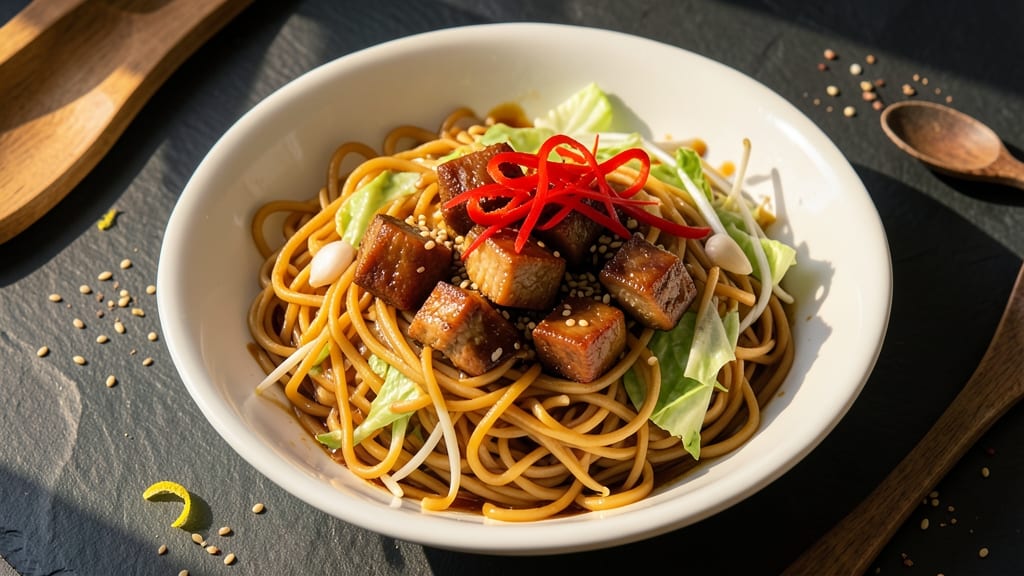
This Singapore egg noodles recipe delivers the bold, aromatic flavors of street-side hawker stalls in just 30 minutes. The secret lies in perfectly balanced heat—fiery chili, salty soy, and umami pork belly—wrapped around silky egg noodles that soak up every savory drop.
I first tasted these at a tiny stall in Chinatown, and the memory still makes my mouth water.
The magic happens in the stir-fry technique: high heat for crispy pork, quick-cooked vegetables, and a sauce that clings to the noodles without overpowering. Traditional versions use pork belly for richness, but shrimp or chicken work beautifully too.
The broth-like sauce—built from soy, chili, and a touch of sugar—creates that signature spicy-savory harmony that defines Singapore street food.
What you’ll end up with is a steaming plate of noodles glistening with caramelized pork, crisp bean sprouts, and cabbage that stays slightly crunchy. The aroma alone will have everyone gathering around the table, and the first bite delivers that perfect balance of heat, salt, and umami.
This isn’t just a recipe—it’s a taste of Singapore’s vibrant food culture.
Serve immediately with lime wedges and fresh cilantro for brightness, or make a dry version by reducing the broth slightly. The leftovers reheat beautifully, making this a weeknight favorite that feels like a celebration. Let’s get cooking!
Ingredients for singapore egg noodles
Pantry staples plus a few specialty finds—this recipe delivers restaurant-quality Singapore egg noodles at home.
| Ingredient | Amount | Notes |
|---|---|---|
| Egg Noodles 🍜 | 8 oz | Fresh or dried, wide egg noodles preferred |
| Pork Belly 🥓 | 1 lb | Skin-on, cut into 1-inch cubes |
| Green Cabbage 🥬 | 4 cups | Shredded, thinly sliced |
| Bean Sprouts 🌱 | 2 cups | Fresh, rinsed and drained |
| Fresh Chili 🌶️ | 2 whole | Bird's eye or Thai chili, finely chopped |
| Garlic Cloves 🧄 | 6 cloves | Minced, aromatic |
| Soy Sauce 🍶 | ½ cup | Dark soy for color, light for flavor |
| Oyster Sauce 🍲 | 2 tbsp | For umami depth |
| Sesame Oil 🫒 | 1 tbsp | Toasted, for aroma |
| White Sugar 🍚 | 1 tbsp | Balances heat |
| Vegetable Oil 🫒 | 2 tbsp | High smoke point for stir-fry |
| Salt 🧂 | 1 tsp | Kosher or sea salt |
| Black Pepper 🌶️ | ½ tsp | Freshly ground |
| Lime Wedges 🍋 | 2 whole | For serving, fresh |
| Fresh Cilantro 🌿 | ¼ cup | Chopped, for garnish |
The pork belly is non-negotiable for that signature richness—look for thick-cut pieces with good marbling at an Asian market or the butcher counter. Trader Joe's often carries pre-sliced pork belly, but if you're buying whole, ask for it cut into 1-inch cubes. For the noodles, fresh egg noodles from the Asian aisle are ideal, but dried works in a pinch—just boil them 1-2 minutes less than package instructions. The cabbage should be crisp; green cabbage holds up best to stir-frying, while red cabbage adds color but softens faster. Bean sprouts? Buy them fresh and rinse well—they’re dirt magnets.
No pork belly? Shrimp or chicken thigh works beautifully—just adjust cooking time (shrimp goes in last, chicken needs a few extra minutes). Running low on dark soy sauce? Light soy plus a splash of molasses mimics the color. Fresh chili too spicy? Seed it and use half the amount or swap for dried red pepper flakes. The garlic can be pre-minced from a jar, but freshly minced adds that aromatic punch. For extra umami, add a dash of fish sauce (if not vegetarian) or a splash of mushroom sauce as a substitute. And if you’ve got hoisin sauce on hand, swap half the oyster sauce for it—game changer.
This dish is all about freshness—serve immediately with lime wedges squeezed over the top and cilantro scattered like confetti. Leftover noodles reheat beautifully—just add a splash of water and stir-fry for 2-3 minutes to revive the texture. Store in an airtight container for up to 3 days in the fridge, though the flavors peak on day one. For meal prep, cook the pork and sauce separately, then toss with pre-cooked noodles when ready to eat. The sauce keeps for 1 week in the fridge if stored separately, making it perfect for quick weeknight dinners.
Why You'll Love This Recipe
- One-Pan Magic: I swear by this recipe when I’m too tired to wash dishes. The pork belly renders its own juices, the cabbage wilts in minutes, and the noodles soak up everything—no extra pots, no fuss. Just flip, stir, and serve.
- Umami Bomb: That crispy, caramelized pork belly? It’s the star. The chili adds a bright kick, the bean sprouts crunch, and the egg noodles—chewy, eggy perfection—tie it all together. Honestly, I’ve never met a bowl of noodles this satisfying.
- Lunchbox Hero: Between us, this is my go-to for meal prep. The flavors actually improve the next day (yes, really), and it reheats like a dream. Pack it for work or school—no sad, soggy leftovers here.
- Budget Stretch: Pork belly might sound fancy, but a few slices go a long way. Cabbage and bean sprouts are dirt cheap, and the noodles? A pack lasts forever. I feed my whole family for under $10, and no one complains.
Step-by-step instructions for Singapore egg noodles
Here's how to make this iconic stir-fry with perfectly silky noodles and bold, layered flavors.
Prepare the Pork Belly and Marinate
Cut the 1 lb pork belly into 1-inch cubes and place them in a bowl. In a separate small bowl, mix together 0.5 cup soy sauce, 2 tbsp oyster sauce, 1 tbsp white sugar, 1 tsp salt, and 0.5 tsp black pepper. Pour this marinade over the pork belly and toss to coat evenly. Let it marinate for at least 30 minutes (or up to 2 hours in the refrigerator) while you prep the rest of the ingredients.
This marinade does double duty—it tenderizes the pork while infusing it with the signature sweet-savory balance of Singapore egg noodles. The sugar in the marinade will caramelize slightly during cooking, adding depth to the flavor. Don't skip this step, even if you're short on time—it makes all the difference in the final dish.
Cook the Pork Belly Until Crispy
Heat 2 tbsp vegetable oil in a large wok or skillet over medium-high heat until shimmering. Add the marinated pork belly in a single layer and let it cook undisturbed for 4-5 minutes until the bottoms develop a deep golden crust. This initial sear locks in juices and creates that irresistible crunch.
Once the bottoms are well-browned, stir the pork and continue cooking for another 3-4 minutes until the fat has rendered out and the pork is 80% cooked (it'll finish in the stir-fry). Remove the pork from the wok and set it aside on a plate. Don't drain the rendered fat—it's packed with flavor that will enhance the noodles.
Stir-Fry the Vegetables and Aromatics
In the same wok (with all that delicious pork fat), add the 4 cups shredded green cabbage and 2 cups bean sprouts. Stir-fry over high heat for 2-3 minutes until the cabbage wilts slightly and the bean sprouts brighten in color. Add the 6 minced garlic cloves and 2 finely chopped fresh chilies, cooking for another 30 seconds until fragrant.
Here's where the magic happens—the high heat preserves the vibrant colors and crisp texture of the vegetables. If your wok isn't hot enough, the cabbage will turn soggy and the chilies will lose their punch. Watch closely and adjust the heat as needed to maintain that searing energy throughout the cooking process.
Cook the Egg Noodles Al Dente
While the vegetables cook, bring a large pot of water to a rolling boil and add 1 tsp salt. Cook the 8 oz egg noodles for 2 minutes less than the package instructions (they'll finish cooking in the wok). Drain immediately and toss with 1 tbsp sesame oil to prevent sticking. The noodles should be al dente—firm to the bite but still tender.
This is crucial—overcooked noodles become mushy in the stir-fry, while undercooked ones turn to paste. The sesame oil coating also adds that signature nutty aroma that ties the whole dish together. Keep the noodles covered until you're ready to combine everything in the wok.
Combine Everything for the Final Stir-Fry
Return the pork belly to the wok along with the cooked noodles. Add the 0.5 cup soy sauce (reserved from the marinade) and toss everything together over high heat for 2-3 minutes until the noodles are fully heated through and coated in the pork fat and sauce. The dish should be sizzling and aromatic, with the pork fat creating a glossy sheen on the noodles.
Taste and adjust seasoning if needed—you might want to add a splash more soy sauce or a pinch of sugar to balance the heat from the chilies. Serve immediately, garnished with 0.25 cup chopped fresh cilantro and the 2 lime wedges on the side for squeezing. The noodles should be silky, the pork tender yet crispy, and the vegetables vibrant with just a hint of crunch.
Pro Tips For Making Singapore Egg Noodles
- CRISP THE PORK BELLY RIGHT: Blister the pork belly skin-side down in a dry wok on high heat until it cracks and renders fat—about 3-4 minutes. I used to rush this, but skipping the deep browning means your noodles will taste like they’re swimming in grease, not caramelized flavor. (Yes, even if you’re impatient like me.)
- SLICE CABBAGE THINLY, NOT CHOPPED: Singapore egg noodles need cabbage that melts into the dish, not chews like a salad. Cut it into paper-thin ribbons—almost translucent—so it softens in 2 minutes, not 10. My grandmother swore by this, and she was right: thick slices turn mushy and watery.
- DON’T OVERSTIR THE NOODLES: Once the noodles hit the wok, toss them once—just enough to coat in sauce. Stirring constantly turns them into glue. Let them sit for 10 seconds between tosses so the pork fat and chili oil cling instead of making a sticky mess. (Your future self will thank you.)
- USE FRESH CHILI, NOT DRIED: Singapore egg noodles rely on that bright, sharp heat from fresh bird’s eye or Thai chilies. Dried or powdered chili lacks the pop that cuts through the richness of pork belly. Slice them thin and add them last—they’ll blister and perfume the dish in seconds. (I was skeptical until I tried it.)
Health benefits of this recipe
Protein Powerhouse
Singapore egg noodles pack a serious protein punch with pork belly as the star. A 4-ounce serving delivers about 25 grams of protein, making this a satisfying meal that keeps you full for hours.
The pork belly also contains essential amino acids that support muscle repair and immune function. I always feel energized after eating this dish, especially on busy days. 💪
Vegetable-Rich Balance
This dish cleverly balances rich pork with nutrient-dense vegetables. The green cabbage and bean sprouts provide fiber, vitamin C, and vitamin K, while the garlic adds antioxidants.
Together, they create a meal that's both hearty and healthful. The vegetable-to-protein ratio makes this a great option for balanced nutrition without feeling like a sacrifice.
Healthy Fats
Contrary to popular belief, the rendered fat from pork belly isn't all bad—it contains beneficial monounsaturated fats that support heart health when consumed in moderation. The sesame oil adds vitamin E, a powerful antioxidant.
Just be mindful of portion sizes if you're watching fat intake. I love that this dish delivers satisfying flavors without relying on unhealthy shortcuts.
Spice Benefits
The fresh chili in this recipe isn't just for heat—it contains capsaicin, a compound that boosts metabolism and may help reduce inflammation. The garlic provides allicin, which supports cardiovascular health.
Together, they create a flavor profile that's both delicious and beneficial. For a milder version, simply reduce the chili amount by half.
Low-Carb Option
While traditional egg noodles contain carbohydrates, you can easily adapt this recipe for lower-carb diets. Swap the noodles for shirataki noodles (made from konjac) or zucchini noodles to cut carbs significantly while maintaining the dish's signature flavors.
The protein and vegetable components remain unchanged, making this a versatile option for different dietary needs.
Meal Prep Friendly
This dish stores well for 3 days in the refrigerator, making it perfect for meal prep. The protein and fiber content help maintain energy levels throughout the day. I often double the recipe and portion it into airtight containers for quick lunches.
The flavors actually improve slightly after the first day as the ingredients meld together. Just reheat with a splash of water to revive the texture. ✨
Nutrition facts
Frequently asked questions
Can I make Singapore egg noodles without pork belly?
Shrimp or chicken thigh work beautifully as substitutes. For shrimp, add them in the last 2 minutes of cooking to prevent overcooking. Chicken thigh should be cooked until 165°F internal temperature before combining with the noodles. Adjust marinade time to 15 minutes for quicker absorption.
How do I make the noodles extra silky like hawker stalls?
The secret is in the cooking method: boil noodles 2 minutes less than package instructions, then finish in the wok with high heat. Toss with 1 tbsp sesame oil immediately after draining to prevent sticking. For extra silkiness, add 1 tsp cornstarch to the noodle water while boiling.
Can I make this recipe in a regular pan instead of a wok?
Yes, but use a large, heavy-bottomed skillet and work in batches if needed. Keep heat at medium-high and stir frequently to prevent burning. The key is maintaining high heat—if your pan isn't hot enough, the vegetables will steam instead of stir-fry.
What's the difference between Singapore egg noodles and other Asian noodle dishes?
Singapore egg noodles stand out for their bold, balanced heat and rich pork fat flavor. Unlike Japanese ramen (which uses miso broth) or Chinese chow mein (often sweeter), this dish features a savory-sweet-spicy sauce with crisp vegetables and tender protein. The noodles are wider and eggier than ramen or udon.
How can I make this dish less spicy?
Reduce fresh chili to 1 whole chili or remove seeds entirely. For milder heat, swap fresh chili for 1 tsp dried red pepper flakes> (adjust to taste). The sauce's sweetness from sugar will naturally balance any remaining spice. Always taste before serving!