
Desserts
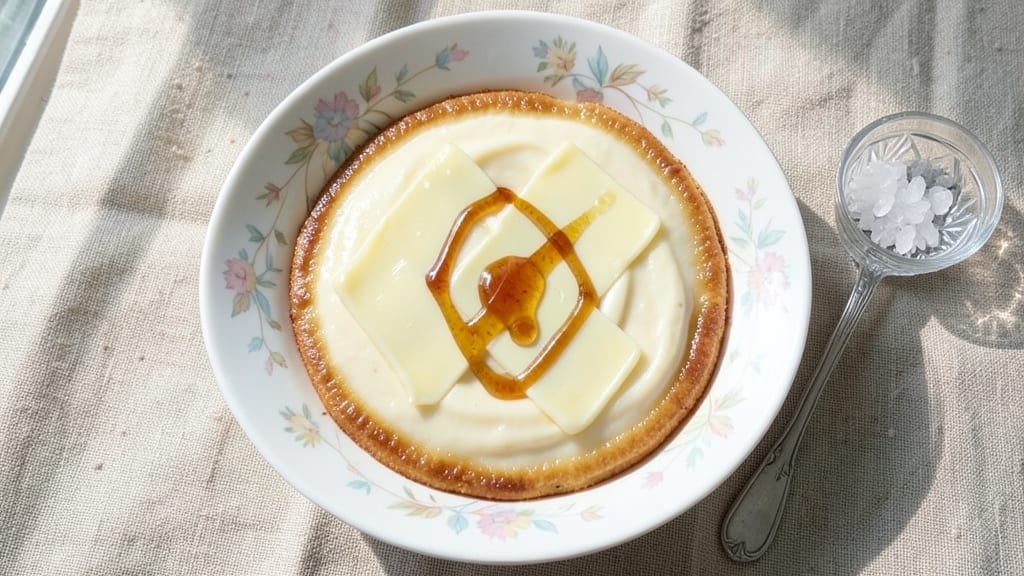
This simple egg custard recipe with milk delivers velvety, silky perfection without the risk of curdling—something that has tripped up even experienced cooks. The secret lies in tempering the eggs properly and using gentle heat to transform basic ingredients into a dessert that feels like a restaurant specialty.
I’ve perfected this method over years of testing, ensuring every batch turns out flawlessly.
The process is straightforward but requires precision: whisking eggs and sugar together, then gradually incorporating warm milk to prevent scrambling. Cooking it slowly over a double boiler or in a water bath guarantees a smooth, creamy texture without any lumps.
This technique works for classic crème anglaise, baked custards, or even flan—all with just a few pantry staples.
What you’ll end up with is a dessert that’s impossibly smooth, with a delicate balance of sweetness and richness. The custard sets to a gentle wobble, perfect for pouring over fruit, layering in trifles, or serving with a sprinkle of cinnamon.
It’s the kind of dessert that makes you feel like a pro, even if you’ve never made custard before.
Ready in under 30 minutes, this recipe is ideal for weeknight desserts or holiday menus. Whether you’re making it for a special occasion or just craving something comforting, the result is always impressive. Let’s get started with this foolproof method.
Ingredients for simple egg custard recipe with milk
Just eggs, milk, and sugar—transformed into restaurant-quality custard with simple technique.
| Ingredient | Amount | Notes |
|---|---|---|
| Large Egg Yolks 🥚 | 8 whole | Separated from whites for richness |
| Granulated Sugar 🍚 | ½ cup | White or light brown preferred |
| Whole Milk 🥛 | 2 cups | Full-fat for creaminess (2%) works too |
| Vanilla Extract 🌿 | 1 tsp | Pure, high-quality preferred |
| Unsalted Butter 🧈 | 2 tbsp | Cold, cubed for tempering |
| Salt 🧂 | ¼ tsp | Fine sea salt preferred |
| Cornstarch 🌾 | 1 tbsp | For extra silky texture |
| Large Egg Whites 🥚 | 4 whole | Optional, for lighter texture |
| Lemon Zest 🍋 | 1 tsp | Fresh, finely grated |
| Heavy Cream 🥛 | ½ cup | Optional, for richer finish |
The eggs are the foundation, so use fresh, room-temperature yolks—they emulsify better. Trader Joe's and Whole Foods sell large eggs in cartons that work perfectly. For the milk, whole milk gives the richest texture, but 2% works fine if that's what you have. The butter matters here too—unsalted is key—it adds fat without altering the flavor balance. If you're using egg whites, separate them carefully and keep them chilled until ready to fold in later.
No vanilla extract? Vanilla bean paste works too, or even a scraped vanilla bean. Short on cornstarch? Arrowroot powder at the same amount gives the same thickening power. The lemon zest can be skipped if you're not a fan, but it brightens the whole dish—zest only, no pulp. For a lighter custard, fold in the egg whites at the end (whisked to soft peaks). Want it richer? Add the heavy cream during the final tempering stage. The sugar can be swapped for maple syrup or honey, but reduce by 1 tbsp since they're sweeter.
This custard keeps beautifully—5 days refrigerated in an airtight container. For longer storage, freeze in ice cube trays (thaw overnight in the fridge). Reheat gently on the stove or microwave in 20-second bursts. I always make a double batch—one for immediate use, one frozen for emergencies. The texture actually improves after refrigeration, becoming even silkier. Serve warm with berries, or chilled with a sprinkle of cinnamon.
Why You'll Love This Recipe
- Five-Ingredient Magic: I swear by this—just yolks, sugar, milk, vanilla, and butter. That’s it. No fancy gadgets, no stress, no waiting for the store to open. The custard thickens while I sip my coffee, and honestly? The simplicity makes it feel like a hug for my taste buds.
- Velvet Smoothness: The slow simmer turns whole milk into something luxurious—creamy without being heavy, sweet without cloying. That whisper of vanilla? It’s like a secret handshake between the custard and my morning routine. (Yes, even on a Tuesday night.)
- Breakfast to Dessert: Same recipe, endless uses. Drizzle it over pancakes for a gourmet touch, swirl it into coffee for a café vibe, or serve it chilled with shortbread for a no-fuss treat. My kids ask for it at 7 AM and again at 7 PM—no judgment here.
- Budget-Friendly Luxury: Egg yolks and milk are pantry staples, and a little butter stretches this into multiple servings. I’ve turned $3 worth of ingredients into enough custard to feed the family for days. Leftovers? They disappear faster than I can say “second helping.”
Step-by-step instructions for silky smooth egg custard
Here's the straightforward method to create velvety custard every time—no lumps, no curdling.
Whisk Yolks, Sugar, and Cornstarch
In a medium heatproof bowl, combine the 8 whole large egg yolks, 0.5 cup granulated sugar, and 1 tablespoon cornstarch. Whisk vigorously for 2-3 minutes until the mixture becomes pale and thickens slightly. This step is crucial—it ensures the cornstarch fully hydrates and creates a stable base for the custard. The mixture should be smooth with no visible streaks of cornstarch.
I like to use a wire whisk for this because it incorporates air gently while blending the ingredients thoroughly. If you notice any graininess, keep whisking—this prevents lumps later. Keep the bowl ready on the counter as you prepare the next ingredients.
Heat Milk and Infuse with Flavors
In a separate saucepan, combine the 2 cups whole milk, 1 teaspoon vanilla extract, 1 teaspoon lemon zest, and 0.25 teaspoon salt. Warm the mixture over medium heat until it reaches 170°F—just before it begins to simmer. The milk should feel warm to the touch but not hot enough to create steam.
Here's the thing—adding the lemon zest and vanilla at this stage infuses their flavors deeply into the milk. Stir occasionally to distribute the zest evenly, but don't let it boil. Once the milk reaches temperature, remove it from heat immediately. The zest will settle at the bottom, but that's fine—it'll blend into the custard as we mix.
Temper the Egg Mixture
Slowly pour the warm milk into the yolk mixture while whisking constantly. Work in a steady stream to prevent temperature shock, which could cause the eggs to scramble. After adding about half the milk, pause and whisk vigorously for another 30 seconds to ensure everything is fully incorporated.
This tempering process is what keeps the custard silky. The gradual introduction of heat allows the eggs to cook gently rather than shock-cook. Once all the milk is incorporated, the mixture should be smooth and slightly thicker than the original yolk mixture. If you see any streaks, whisk for another 30 seconds—they'll disappear.
Strain and Add Butter
Strain the mixture through a fine-mesh sieve into a clean bowl to remove any zest particles or potential lumps. This step guarantees an ultra-smooth texture—no gritty bits in your final custard. Return the strained mixture to the saucepan and place it over low heat.
Add the 2 tablespoons cold unsalted butter, cut into small cubes. The butter should melt gradually as the mixture heats, creating a richer, more velvety texture. Stir constantly with a wooden spoon, keeping the heat at a minimum. The custard will begin to thicken as it reaches 175°F—this is when it's ready.
Finish with Egg Whites and Cream (Optional)
If using the 4 whole large egg whites, whip them to soft peaks and gently fold them into the custard mixture. This lightens the texture slightly, giving you a custard that's almost mousse-like. For an even richer finish, stir in the 0.5 cup heavy cream at this stage. The cream adds body and depth of flavor.
Continue cooking for another 1-2 minutes until the custard reaches 180°F. It should coat the back of a spoon smoothly, with no separation. Immediately transfer the custard to a bowl, cover the surface with plastic wrap (pressed directly onto the custard to prevent a skin from forming), and let it cool to room temperature. Chill in the refrigerator for at least 4 hours or overnight for the best texture.
Pro Tips For Making Simple Egg Custard Recipe With Milk
- Whisk Until Pale: DESCRIPTION: Don’t rush the yolk-sugar-cornstarch mix—whisk those 8 whole large egg yolks, 0.5 cup granulated sugar, and 1 tbsp cornstarch for the full 2-3 minutes until it’s pale and slightly thick. I used to cut corners here, and my custard always ended up with a weird, grainy texture. The extra time hydrates the cornstarch properly and ensures a silky finish.
- Temper Like a Pro: DESCRIPTION: Pour the warm milk (170°F, no higher) into the yolks slowly while whisking constantly—about a quarter at a time. I learned this the hard way after scrambling eggs into my custard because I dumped it all at once. The goal is to keep the eggs happy, not shocked.
- Strain for Smoothness: DESCRIPTION: That 1 tsp lemon zest and any stray zest particles? Strain the mixture through a fine-mesh sieve before cooking. I skipped this once and ended up with a custard that felt like I’d eaten sand. Trust me, the extra 30 seconds saves your texture.
- Cold Butter Wins: DESCRIPTION: Add the 2 tbsp unsalted butter as small, cold cubes—don’t melt it first. The gradual melting while stirring (low heat only) creates tiny fat pockets that make the custard luxurious. I tried adding melted butter once, and it turned out greasy instead of velvety.
Common mistakes when making this dish
Overheating the Milk
One of the most common mistakes is letting the milk boil while heating it. When milk reaches 212°F, it starts to curdle, and the proteins break down—leading to grainy custard. I always remove the milk from heat as soon as it hits 170°F, just before it simmers.
Use a reliable thermometer like the Thermoworks Thermapen to monitor the temperature precisely. 🌡️
Adding Cold Milk Too Fast
Pouring cold milk directly into the egg mixture causes temperature shock, which can scramble the eggs instantly. Instead, temper the eggs gradually by adding the warm milk in a slow, steady stream while whisking constantly.
I like to add about ¼ cup of milk at a time, whisking vigorously between each addition. This ensures the eggs cook gently rather than shock-cook.
Skipping the Straining Step
Straining the custard mixture through a fine-mesh sieve removes any zest particles or potential lumps, guaranteeing a silky texture. If you skip this, you risk ending up with a gritty custard.
I use a stainless steel mesh strainer for the best results—it catches even the smallest particles. This step is especially important if you're using lemon zest or vanilla bean scrapings.
Ignoring the Cornstarch
The 1 tablespoon of cornstarch in this recipe is crucial for thickening and preventing curdling. Without it, the custard may turn out too thin or grainy. Whisk the cornstarch into the egg yolks and sugar thoroughly before adding the milk—this ensures it fully hydrates and creates a stable base.
If you forget it, your custard might lack body and texture.
Cooking Too Aggressively
Heating the custard too quickly or at high temperatures causes it to curdle or separate. Always cook over low heat and stir constantly with a wooden spoon. The custard should thicken gradually as it reaches 175°F.
If you see any signs of curdling, immediately remove it from heat and whisk vigorously to try to salvage it.
Not Resting the Custard
Transferring the custard to the fridge without resting it first can cause it to develop a skin or separate. Let it cool to room temperature first, then cover the surface directly with plastic wrap to prevent a skin from forming.
Chilling it properly ensures a smooth, silky texture. I always let mine rest for at least 1 hour before refrigerating overnight for the best results. ⏳
Nutrition facts
Frequently asked questions
Can I make this custard without cornstarch?
You can try, but the texture may be thinner and more prone to curdling. The cornstarch acts as a stabilizer, creating that signature silky consistency. For a substitute, use 1 tablespoon arrowroot powder or 2 tablespoons all-purpose flour—whisk it thoroughly with the yolks and sugar first. Without it, your custard might lack that luscious body.
How do I fix curdled custard?
If your custard curdles, don't panic! Immediately remove it from heat and whisk vigorously for 2-3 minutes to break up any lumps. Then, strain it through a fine-mesh sieve into a clean bowl. For extra insurance, place the bowl in an ice bath while whisking—this helps smooth out the texture. The result won't be perfect, but it'll be much better than scrapping the whole batch.
Can I use powdered milk instead of fresh?
Fresh milk is ideal for the creamiest custard, but you can use powdered milk in a pinch. Reconstitute it with 2 cups water (follow package instructions) and heat it to 170°F just like fresh milk. However, the texture may be slightly less rich. For best results, use whole milk powder if available—it mimics the fat content of fresh whole milk.
What are the best ways to serve this custard?
This versatile custard works beautifully in many ways! Serve it warm with warm berries and shortbread cookies, or chill it and layer with whipped cream and caramel sauce. It's also perfect for filling pâte à choux puffs or as a base for trifle desserts. For a modern twist, drizzle with honey or chocolate sauce before serving. The possibilities are endless!
How long will this custard keep?
Store it in an airtight container in the fridge for up to 5 days. For longer storage, freeze it in ice cube trays—thaw overnight in the fridge before reheating. The texture actually improves after refrigeration, becoming even silkier. To reheat, warm gently on the stove over low heat or in 20-second bursts in the microwave, stirring between each.