
Breakfast & Brunch
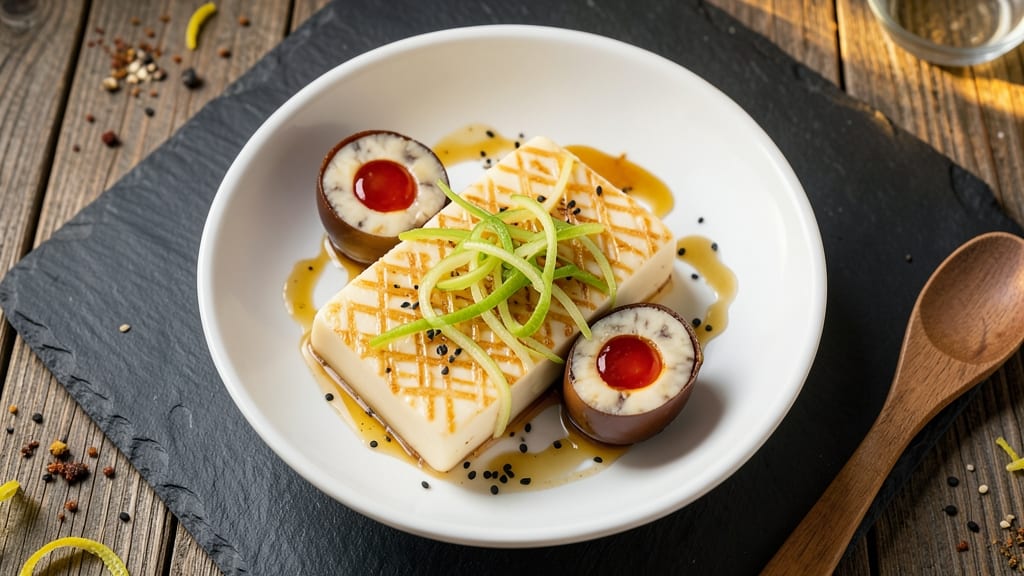
This silken tofu with century egg recipe delivers a bold umami-packed bite that balances creamy silkiness with the rich, complex flavor of preserved eggs.
The contrast between the delicate tofu and the deep, savory century egg creates a dish that's both visually striking and deeply satisfying—perfect for brunch or a light dinner.
What makes this recipe special is how it bridges tradition and modern presentation, transforming a classic Chinese ingredient into something fresh yet familiar.
The secret lies in the preparation: silken tofu is gently heated to maintain its velvety texture, while century eggs are sliced thinly to enhance their intense, briny depth. Together, they create a harmony of flavors that's both comforting and unexpected.
This dish is vegetarian-friendly (century eggs are traditionally made without meat) and packed with protein, making it a nutritious yet indulgent choice.
By the time you plate this dish, you'll have a restaurant-quality bite that's elegant enough for guests but simple enough for weeknight cooking. The tofu absorbs the surrounding flavors beautifully, while the century egg adds a rich, almost meaty quality that surprises even the most skeptical eaters.
Serve chilled or at room temperature for the best texture contrast.
Whether you're introducing someone to Chinese cuisine or looking for a vegetarian powerhouse with global appeal, this recipe delivers. The balance of textures and flavors makes it versatile—pair it with pickled vegetables, a drizzle of chili oil, or fresh herbs for extra brightness. Ready to elevate your brunch game?
Ingredients for silken tofu with century egg
Elegant yet approachable ingredients transform traditional Chinese flavors into a modern vegetarian masterpiece.
| Ingredient | Amount | Notes |
|---|---|---|
| Silken Tofu 🧀 | 12 oz | Unopened package preferred |
| Century Eggs 🥚 | 4 whole | Preserved, peeled, sliced thin |
| Low-Sodium Soy Sauce 🍶 | ¼ cup | Kikkoman preferred for balance |
| Rice Vinegar 🍶 | ⅛ cup | Seasoned variety enhances flavor |
| Sesame Oil 🫒 | 1 tbsp | Toasted for aroma |
| Fresh Ginger Root 🧅 | 1 tbsp | Finely grated, fresh preferred |
| Green Onions 🧅 | 3 whole | Thinly sliced, white and green parts |
| Sesame Seeds 🌾 | 1 tsp | Toasted for crunch |
| Sugar 🍚 | 1 tsp | White granulated preferred |
| Cornstarch 🌾 | ½ tsp | For tofu coating |
| Vegetable Oil 🫒 | 1 tbsp | For light frying |
| Chili Oil 🌶️ | 1 tbsp | Optional for heat |
Century eggs are the star here, so prioritize quality. Asian markets carry the best selection—look for eggs with firm, dark shells and a deep, briny aroma when peeled. If you can't find them fresh, preserved century eggs in jars from H Mart or 99 Ranch work well. The silken tofu should be unopened for maximum creaminess; brands like House Foods or Wildwood consistently deliver the best texture. Fresh ginger and green onions should be vibrant—no yellowing or wilting. For the soy sauce, Kikkoman offers the perfect balance of umami without overpowering the delicate tofu.
No century eggs? Preserved quail eggs or even hard-boiled eggs marinated in soy sauce can mimic the briny depth, though texture will differ. Substitute sesame oil with avocado oil at half the amount if unavailable, but you'll lose that nutty aroma. For extra brightness, add 1 tsp of rice wine vinegar if your seasoned vinegar lacks tang. The cornstarch is non-negotiable for that perfect silken texture—it prevents the tofu from absorbing too much liquid. If you're avoiding gluten, ensure your soy sauce is certified gluten-free, as traditional versions often contain wheat.
Store century eggs in their liquid in the fridge for up to 3 months—they'll keep indefinitely once preserved properly. Silken tofu lasts 5-7 days unopened; once opened, use within 3 days and store submerged in water. Fresh ginger keeps for 2 weeks in the fridge, while green onions stay crisp for 1 week wrapped in damp paper towels. The chili oil can be made ahead and stored for 6 months in a cool, dark place. For best presentation, slice century eggs just before serving to maintain their striking appearance and intense flavor.
Why You'll Love This Recipe
- Few Ingredients, Big Payoff: Between us, this recipe proves you don’t need a grocery list to pull off something special. Silken tofu and century eggs handle the heavy lifting—just crack open the eggs (carefully!), blend the tofu with a splash of rice vinegar, and toss in the soy sauce. That’s it. No chopping mountains of veggies or marinating for hours.
- Umami Bomb: The century egg’s salty, creamy center paired with the silken tofu’s delicate texture? It’s like a flavor party in your mouth. A drizzle of sesame oil ties it all together—nutty, rich, and addictive in the best way. Honestly, the first bite makes you wonder why you haven’t made this sooner.
- Lunchbox Hero: This dish keeps like a champ, so it’s my go-to for meal prep. Pack it in bento boxes for work or school lunches—it stays fresh for days, and the contrast of textures (creamy tofu, crunchy egg slices) makes every bite exciting. (Yes, even on a Tuesday night.)
- Budget-Friendly Luxury: Century eggs might sound fancy, but they’re often cheaper than avocados or specialty cheeses. Silken tofu stretches further than firm tofu, and a little sesame oil goes a long way. You’re getting restaurant-quality depth without breaking the bank—proof that good food doesn’t need a fancy label.
Step-by-step instructions for silken tofu and century egg bites
This method delivers perfect texture contrast—silky tofu and creamy century egg—with balanced umami flavors.
Prepare the Silken Tofu for Crispy Edges
Drain the 12 oz silken tofu and gently pat it dry with paper towels, pressing lightly to remove excess moisture. Transfer it to a bowl and add the 0.5 tsp cornstarch and 1 tsp sugar. Using clean hands or a silicone spatula, coat the tofu evenly—this creates a delicate crust that crisps beautifully when fried.
Cut the tofu into 4 equal rectangles (about 3-inch squares), ensuring each piece maintains its shape. Rest them on a wire rack set over a plate for 5 minutes—this prevents sogginess when frying. The tofu should feel firm to the touch but still yield slightly when pressed.
Create the Century Egg Sauce Base
In a small saucepan, combine the 0.25 cup low-sodium soy sauce, 0.125 cup rice vinegar, 1 tbsp sesame oil, and 1 tbsp finely grated fresh ginger root. Bring to a gentle simmer over medium-low heat and reduce by half (about 5 minutes), stirring occasionally. You're aiming for a concentrated, aromatic liquid that coats the back of a spoon.
Remove from heat and whisk in the 1 tbsp chili oil (if using) and 1 tsp toasted sesame seeds. Taste and adjust seasoning—this sauce should be tangy, slightly sweet, and deeply umami. The century eggs will absorb some of this flavor, so balance is key. Set aside to cool slightly while you prepare the tofu.
Lightly Fry the Tofu for Crispy Edges
Heat 1 tbsp vegetable oil in a nonstick skillet over medium heat until shimmering but not smoking. Add the tofu squares and fry for 1 minute per side—you'll see the edges turn golden and slightly crispy while the centers remain silky. Avoid pressing down; this prevents even cooking and maintains texture.
Transfer the fried tofu to a paper towel-lined plate to drain excess oil. The tofu should be warm but not hot—this ensures it doesn't overcook when assembled. Work quickly; the tofu will continue cooking slightly from residual heat.
Assemble the Bites for Perfect Texture Contrast
Slice the 4 whole century eggs into thin strips (about 1/8-inch thick) and arrange 2 slices per tofu square. Drizzle 1 tablespoon of the cooled sauce over each tofu-egg assembly, allowing it to soak in for 30 seconds. The century egg's creamy yolk will begin to soften slightly, enhancing its luxurious mouthfeel.
Top each bite with 3 thinly sliced green onions (white and green parts) for freshness and crunch. The contrast of silky tofu, creamy century egg, and crisp green onions creates the signature texture this dish is known for. Serve immediately while the tofu is still warm and the sauce clings perfectly.
Garnish and Serve for Maximum Impact
Drizzle the remaining sauce lightly over the assembled bites and sprinkle with an extra pinch of toasted sesame seeds for nutty depth. The seeds should be evenly distributed—this adds both visual appeal and textural contrast. Serve with steamed jasmine rice or a simple cucumber salad to balance the richness.
Each bite should deliver a harmonious blend of textures: the silky tofu, creamy century egg, crisp green onions, and slightly crispy tofu edges. The sauce should coat the back of your spoon but not overwhelm the delicate ingredients. Adjust chili oil to taste—this is where you can customize the heat level to your preference.
Pro Tips For Making Silken Tofu With Century Egg
- Peel Century Eggs First: I learned this the hard way—peeling century eggs before blending them saves you from a sticky, inedible mess. The black membrane clings like glue when wet, so crack them open, rinse the yolks under cold water, and peel them while the whites are still firm. Trust me, your blender will thank you.
- Keep Tofu Cold: Silken tofu gets watery when warm, and nobody wants a soupy tofu salad. Keep the block refrigerated until you’re ready to cube it, then work quickly—don’t let it sit out while you prep the rest. If it starts to soften, give it a quick chill in an ice bath for 5 minutes.
- Balance the Vinegar: Rice vinegar cuts through the richness of century eggs, but too much turns the dish sour. Start with 1 tablespoon per serving and taste as you go—you can always add more, but you can’t take it out. If you’re using aged vinegar, halve the amount; it’s stronger than you think.
- Toast Sesame Seeds Last: This isn’t the prettiest method, but it’s the tastiest: dry-toast 1 teaspoon of sesame seeds in a small pan over medium heat until they’re golden and fragrant—about 2 minutes. Sprinkle them over the finished dish right before serving. The aroma hits differently when they’re fresh, not drowned in oil.
Wine and beer pairings for this dish
Umami Wine Pairings
For this dish, I reach for Chinese dry sherry—specifically Martell XO—because its nutty, caramelized depth mirrors the century egg’s complexity while complementing the tofu’s silkiness. The sherry’s 14% alcohol content cuts through the richness without overpowering the delicate flavors.
If you prefer white wine, a crisp Sauvignon Blanc from New Zealand (like Oyster Bay) offers citrus brightness that cleanses your palate between bites. 🍷
Earthy Beer Matches
A Chinese pale ale like Snow Village (from Beijing) is my go-to—its malty sweetness and subtle hop bitterness harmonize perfectly with the dish’s umami profile.
For a Western option, try a Belgian witbier (such as Stella Artois Wit), which provides coriander and orange peel notes that contrast beautifully with the century egg’s saltiness. Avoid heavy stouts or IPAs, which would clash with the dish’s delicate balance.
Light Liquor Options
If you’re serving this as an appetizer, sake (especially dry junmai like Dassai) enhances the dish’s Asian roots with its clean, slightly floral profile. For a non-alcoholic option, yuzu soda (a Japanese citrus drink) adds a refreshing tang that mirrors the rice vinegar in the sauce.
I like to serve it chilled in small glasses alongside the bites for a sophisticated touch.
Pairing Pro Tips
Serve wine or beer slightly chilled (50-55°F) to preserve the dish’s delicate textures. If using sherry, decant it for 10 minutes before serving to soften its intensity.
For beer pairings, ensure the glassware matches the drink—use a tulip-shaped glass for witbiers to concentrate aromas, or a wide, shallow bowl for pale ales to enhance their malty profile. 🍺
Dessert Wine Balance
End the meal with a Taiwanese black tea wine (like Chateau de Chateau) to complement the dish’s umami notes without overwhelming them. The tea’s earthy undertones echo the ginger in the sauce, creating a cohesive dining experience. Avoid sweet dessert wines—they’ll compete with the century egg’s natural brininess.
Nutrition facts
Frequently asked questions
Why does my silken tofu turn rubbery when frying?
Overcooking or pressing the tofu while frying are the most common causes. Fry only 1 minute per side over medium heat—the edges should be golden but the center still silky. Also, avoid draining the tofu completely before coating; keep it slightly moist to maintain that velvety texture.
Can I substitute century eggs with something else?
For a similar texture, try preserved quail eggs or even hard-boiled eggs marinated in soy sauce for 24 hours. If you're avoiding preserved ingredients, avocado slices add creaminess, though they lack the umami depth. The key is balancing rich and creamy elements with the tofu's silkiness.
How do I store leftover century eggs?
Keep them submerged in their original liquid in an airtight container in the fridge for up to 3 months. For best flavor, use within 1 week of opening. If you've already sliced them, store in a sealed container with a splash of the sauce to prevent drying. Never refrigerate in metal containers—they can react with the egg's alkaline coating.
What's the best way to reheat this dish?
Gently reheat in a steamer basket over low heat for 2-3 minutes to restore warmth without drying. Microwaving is risky—it can make the tofu rubbery. For cold servings, assemble fresh to preserve the crisp texture contrast. The sauce should be warmed separately and drizzled just before eating.
Can I make this dish gluten-free?
Yes, but you'll need to adjust carefully. Use tamari or gluten-free soy sauce and check that your cornstarch is certified gluten-free. The rice vinegar and other ingredients are naturally gluten-free. For extra binding, add 1 tsp arrowroot powder to the tofu coating. Always verify labels—some sesame products contain wheat.