
Breakfast & Brunch
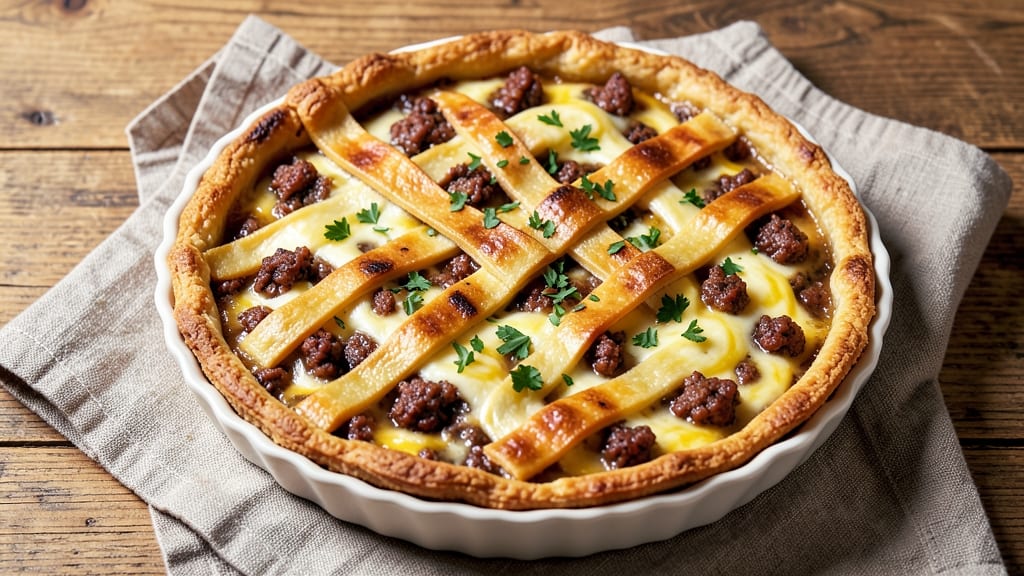
This sausage and egg quiche recipe delivers the perfect balance of flaky crust and runny yolk magic that makes every bite worth the effort.
After years of experimenting with pie crusts and custard textures, I've perfected a method that ensures a golden, shatteringly crisp shell with eggs that stay gloriously liquid at the center. The secret lies in precise timing and temperature control—no more dry quiches or rubbery crusts here.
The foundation starts with a classic pie crust, rolled out just thin enough to achieve that delicate crunch without sacrificing flakiness. Browned sausage adds savory depth, while a rich egg custard—enhanced with a touch of cream—binds everything together.
Baking at 350°F for 35-40 minutes guarantees a crust that's perfectly golden and edges that stay crisp, even after cutting.
What you'll end up with is a quiche that looks as impressive as it tastes—flaky layers that shatter with each bite, tender sausage crumbles, and custard so creamy it practically melts on your tongue.
The runny yolk in the center is the true star, adding richness without overpowering the savory sausage and herby crust. This is the kind of breakfast that transforms a simple morning into something special.
Serve it warm with a side of arugula salad or crusty bread to soak up every last bit of that golden custard. The recipe scales beautifully, so whether you're feeding a crowd or treating yourself to a leisurely weekend brunch, this quiche delivers professional results with minimal fuss.
Let's get started!
Ingredients for sausage and egg quiche
Butter, flour, and eggs—just the basics for a crust so flaky it shatters at first bite.
| Ingredient | Amount | Notes |
|---|---|---|
| Unsalted Butter 🧈 | 1 cup | Cold, cubed for crust |
| All-Purpose Flour 🌾 | 2 ½ cups | Plus 2 tbsp for rolling |
| Ice Water 💧 | ½ cup | For pie crust |
| Kosher Salt 🧂 | 1 tsp | Plus extra for crust |
| Ground Black Pepper 🌶️ | ½ tsp | Freshly cracked |
| Cooked Sausage 🥓 | 1 ½ cups | Browned, crumbled |
| Large Eggs 🥚 | 6 whole | Room temperature |
| Heavy Cream 🥛 | ½ cup | Full-fat for richness |
| Shredded Gruyère Cheese 🧀 | 1 ½ cups | Freshly grated |
| Fresh Chives 🌿 | ¼ cup | Finely chopped |
| Fresh Thyme Leaves 🌿 | 1 tbsp | Or 1 tsp dried |
| Garlic Cloves 🧄 | 2 cloves | Minced for custard |
| Extra-Virgin Olive Oil 🫒 | 1 tbsp | For crust brushing |
The crust is where the magic happens. European-style butter (like Plugrá) has more fat for flakiness, but any good unsalted butter works—just keep it cold. The key is working fast: cut butter into flour with a pastry cutter or your fingers until it looks like coarse crumbs, then add ice water just until the dough holds together. Rest it 30 minutes before rolling, and don't overwork it—this isn't pie dough, it's delicate. I always roll it between two sheets of parchment for easy transfer, and brush the finished crust with olive oil before baking to lock in that golden color. The sausage? Italian or breakfast sausage both work—just brown it well in a skillet first.
No fresh thyme? Dried works at one-third the amount, but fresh has that bright, herbal punch. Gruyère is my go-to cheese for that nutty depth, but sharp cheddar or Emmental hold up well too. Short on chives? Green onion tops work in a pinch. The custard is forgiving: if you're nervous about runny yolks, bake it 5 minutes longer, but trust the process—those yolks are supposed to stay liquid. For extra insurance, I sometimes add a splash of cream cheese to the custard mix, which adds a silky texture without overpowering. And if you're making this ahead, assemble the quiche, cover, and refrigerate overnight—the flavors meld beautifully.
This keeps 3 days in the fridge, but honestly? It's even better the second day. Reheat in a 350°F oven for 15-20 minutes—just until warmed through. The crust stays crisp, and the custard reheats perfectly. For make-ahead crusts, bake the empty shell at 375°F for 15 minutes before adding the filling. Freeze the whole quiche (unbaked) for up to 2 months—bake straight from frozen, adding 10-15 minutes to the cooking time. And if you're serving a crowd, double the recipe: just use a 9x13-inch pan instead of a 9-inch, and bake 5-10 minutes longer.
Why You'll Love This Recipe
- Foolproof Crust: I’ll admit, the crust is the star here—just cold butter, flour, and ice water. No rolling pins, no stress. The secret’s in the chilling: press it in, bake it blind, and you’ve got that buttery, flaky foundation without the fuss.
- Savory Simplicity: Honestly, the filling couldn’t be easier: browned sausage, whisked eggs, a pinch of salt and pepper. No fancy herbs, no complicated ratios. It’s the kind of dish where the flavors just work—rich, hearty, and satisfying without trying too hard.
- Weeknight Hero: This quiche is my go-to when I’m too tired to plan. Pop it in the oven while I chop veggies for dinner, and by the time I’m done, it’s golden and ready. Even better? It’s the kind of leftovers that taste just as good cold the next day.
- Budget Breakfast: A single pie costs me pennies—just a handful of ingredients, no specialty items. I make two pies at once, freeze one, and boom: breakfast for a month. No wasted groceries, no last-minute takeout runs. Just reliable, delicious meals.
Step-by-step instructions for sausage and egg quiche
Here's how to build that perfect golden crust and velvety custard—every layer matters.
Create a Flaky Pie Crust from Scratch
Cut the 1 cup unsalted butter into ½-inch cubes and place them in the freezer for 10 minutes to firm up slightly. In a large bowl, whisk together the 2.5 cups all-purpose flour and 1 teaspoon kosher salt, then add the cold butter cubes. Using a pastry cutter or your fingers, work the butter into the flour until you have pea-sized crumbs with some larger butter pieces remaining—this creates the flaky layers.
Add the 0.5 cup ice water gradually, 1 tablespoon at a time, mixing gently with a fork until the dough just comes together. The dough should hold when pressed but still feel slightly crumbly. Turn it out onto a lightly floured surface and knead 4-5 times—just enough to bring it together, not enough to develop gluten. Shape into a disk, wrap in plastic, and chill for at least 1 hour (or up to 24 hours).
Assemble the Filling with Perfect Texture
Preheat your oven to 375°F. On a floured surface, roll out the chilled dough to ⅛-inch thickness and transfer it to a 9-inch pie dish, trimming excess dough. Press gently into the dish, then prick the bottom with a fork. Line the crust with parchment paper, fill with pie weights or dried beans, and blind-bake for 15 minutes. Remove the weights and bake 5 more minutes until the edges are lightly golden. Brush the hot crust with the 1 tablespoon extra-virgin olive oil for extra richness.
Meanwhile, in a skillet, cook the 1.5 cups cooked sausage over medium heat until heated through. In a separate bowl, whisk together the 6 large eggs, 0.5 cup heavy cream, 1.5 cups shredded gruyère cheese, 0.5 teaspoon ground black pepper, 2 minced garlic cloves, and 1 tablespoon fresh thyme leaves. Fold in the sausage and 0.25 cup finely chopped fresh chives, then pour the mixture into the pre-baked crust.
Bake to Golden Perfection with Runny Yolk Magic
Return the quiche to the oven and bake for 35-40 minutes until the custard is just set but still slightly wobbly in the center—this ensures that runny yolk you crave. The edges should be deep golden brown, and the top should look slightly puffed. If the crust starts to darken too quickly, tent it loosely with foil.
Let the quiche rest for 10 minutes before slicing—this allows the custard to firm up slightly while keeping the center creamy. The secret to that flaky crust and silky filling lies in the cold butter and precise baking time. Serve warm with a crisp green salad for the ultimate brunch.
Pro Tips For Making Sausage And Egg Quiche
- Chill the Dough: That hour in the fridge isn’t optional—it’s the difference between a flaky crust and a sad, tough one. I used to skip it when I was in a hurry, and the crust always turned out like a cracker. The cold butter needs time to firm up properly, so resist the urge to rush this step.
- Pre-Bake the Crust: Blind-baking the crust for 20 minutes (15 with weights, 5 without) prevents a soggy bottom. I learned this the hard way after serving a quiche where the crust was more like a sponge. The hot crust also helps set the custard faster, so don’t skip this—it’s non-negotiable.
- Whisk Eggs Like Mad: Beat those 6 eggs until the yolks and whites are fully combined—no streaks, no lumps. I used to just stir them, and the custard would end up grainy. A good whisk or even a fork for 30 seconds makes all the difference in that silky texture.
- Brush with Oil: That 1 tablespoon of olive oil on the hot crust isn’t just for flavor—it adds richness and helps the crust stay tender. I was skeptical at first, but now I double it if I’m feeling fancy (but stick to the recipe if you want the exact balance).
Pro cooking tips for sausage and egg quiche
Crust Perfection
For a truly flaky crust, keep everything cold—butter, dough, and work surface. I like to use a pastry blender for even distribution of butter into flour, but if you don’t have one, two forks work in a pinch.
The goal is pea-sized crumbs with some larger butter pieces remaining. Overmixing develops gluten, so handle the dough minimally. 🧈
Blind Baking Mastery
Pre-baking the crust prevents a soggy bottom. Line the crust with parchment paper and fill with dried beans or pie weights—this creates even pressure. Bake at 375°F for 15 minutes, then remove the weights and bake 5 more minutes until edges are golden.
Brush with olive oil right after baking for extra crispness and richness.
Custard Consistency
The secret to runny yolks is baking until the custard is just set but still slightly wobbly. I test by gently shaking the quiche—if it jiggles slightly, it’s perfect. For extra insurance, bake at 350°F instead of 375°F for the final phase.
Overbaking dries out the custard, so trust the process and resist the urge to peek too often.
Sausage Prep
Brown your sausage thoroughly before adding it to the custard—this deepens flavor and prevents a greasy filling. Drain excess fat, but leave about 1 tablespoon for moisture. If your sausage is pre-cooked, heat it in a skillet until 165°F internal temperature to ensure safety.
Let it cool slightly before mixing into the egg custard to avoid scrambling the eggs.
Cheese Choice
Gruyère melts beautifully and adds nutty depth, but sharp cheddar or Emmental work well too. Avoid pre-shredded cheese—it contains anti-caking agents that make the custard grainy. Freshly grate your cheese using a box grater for the best texture. For extra creaminess, mix in 2 tablespoons cream cheese with the other ingredients.
Resting Time
Never skip the 10-minute rest before slicing—this allows the custard to firm up slightly while keeping the center creamy. Cutting too soon causes the filling to slide out of the crust.
Serve warm for the best texture, but if reheating, warm in a 350°F oven for 15-20 minutes to maintain crispness. 💫
Nutrition facts
Frequently asked questions
Can I use store-bought pie crust instead of making it from scratch?
For convenience, use a high-quality pre-made pie crust—just blind-bake it at 375°F for 15 minutes with pie weights before adding the filling. Choose a crust with at least 16% fat content for maximum flakiness. If it's too flimsy, press it firmly into the dish and chill for 20 minutes before baking.
How do I fix a quiche that's too runny or not set enough?
If your quiche has liquid custard after baking, return it to the oven at 325°F for 5-10 minutes until just set. For a firm custard that's overdone, try reheating slices in a 350°F oven for 5 minutes to restore creaminess. The key is baking until the center is just slightly jiggly—not fully set.
Can I make this quiche ahead of time?
Yes! Assemble the quiche (unbaked), cover tightly, and refrigerate for up to 24 hours before baking. For make-ahead crusts, bake the empty shell at 375°F for 15 minutes, then store at room temperature until ready to add filling. Reheat baked quiche at 350°F for 15-20 minutes—the crust stays crisp, and the custard reheats beautifully.
What's the best way to reheat leftover quiche?
Slice the quiche into wedges and reheat at 350°F for 10-15 minutes until warmed through. For microwave reheating, cover with a damp paper towel and heat in 20-second bursts on 50% power—this keeps the crust from getting soggy. The oven method preserves that perfect flaky texture.
Can I substitute other proteins besides sausage?
Certainly! Swap sausage for diced ham, crumbled bacon, or shredded rotisserie chicken. For vegetarian options, try sautéed mushrooms and spinach with a sprinkle of feta cheese. Just ensure your protein is fully cooked and drained of excess moisture to avoid a watery custard.