
Side Dishes
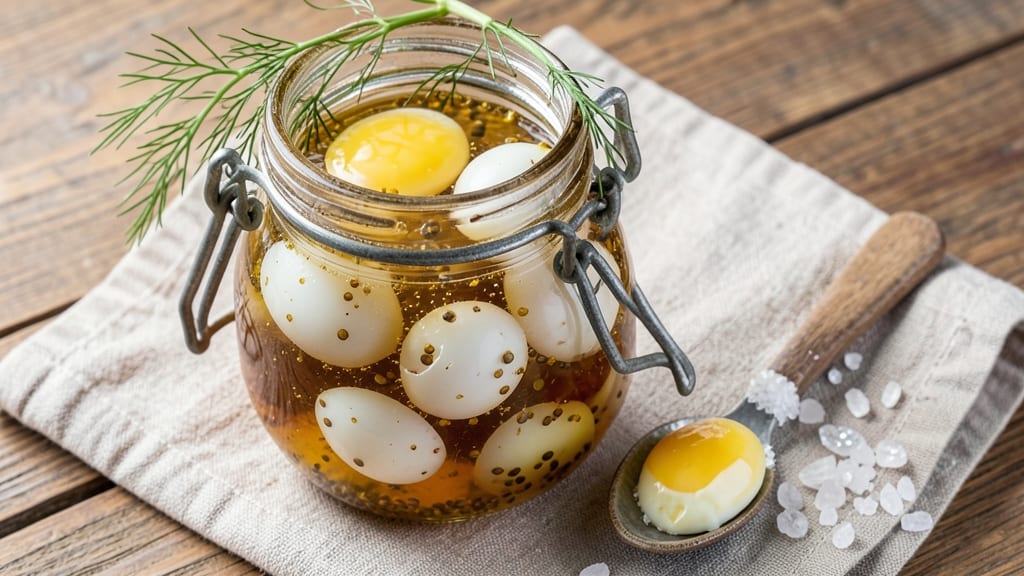
This quail egg pickle recipe transforms delicate quail eggs into briny, crunchy bites that instantly elevate any appetizer spread. The secret lies in balancing vinegar and spices to create a tangy, aromatic marinade that preserves the eggs while enhancing their natural flavor.
After perfecting this method over years of hosting dinner parties, I can confidently say these pickles will become your go-to garnish or snack.
The process is straightforward yet precise: quail eggs are gently simmered, then packed into sterilized jars with a precise blend of vinegar, sugar, and spices like mustard seeds and dill. This combination ensures the eggs develop a satisfying crunch while maintaining their delicate texture.
The result? A professional-quality condiment that pairs beautifully with charcuterie boards, sandwiches, or even as a standalone appetizer.
What makes these pickles truly special is their versatility and shelf life. Once properly sealed, they stay fresh for months in the refrigerator, making them perfect for meal prep or gifting. The briny crunch adds a sophisticated touch to any dish, transforming simple bites into something extraordinary.
Whether you're hosting a dinner party or just looking to enhance your everyday meals, this recipe delivers consistent, restaurant-worthy results.
The key to success lies in the preparation: using fresh quail eggs, sterilizing jars properly, and maintaining the right vinegar-to-water ratio. Follow these steps carefully, and you'll achieve a batch of pickles that are crisp, flavorful, and impossible to resist. Let's get started on creating your own briny masterpiece.
Ingredients for quail egg pickle
Fresh quail eggs and precise vinegar blend create restaurant-quality pickles with minimal effort.
| Ingredient | Amount | Notes |
|---|---|---|
| Quail Eggs 🥚 | 24 whole | Fresh, uncracked, room temperature |
| White Vinegar 💧 | 2 cups | Distilled, 5% acidity preferred |
| Water 💧 | 1 cup | Filtered or distilled preferred |
| Granulated Sugar 🍚 | ½ cup | White or light brown preferred |
| Diamond Crystal Kosher Salt 🧂 | 1 ½ tbsp | Coarse grain, not iodized |
| Mustard Seeds 🌶️ | 1 tbsp | Yellow or brown preferred |
| Dried Dill 🌿 | 1 tbsp | Culinary grade, not ornamental |
| Black Peppercorns 🌶️ | 1 tsp | Freshly cracked preferred |
| Garlic Cloves 🧄 | 3 cloves | Fresh, peeled, thinly sliced |
| Red Bell Pepper 🌶️ | 1 whole | Medium size, sliced into strips |
| Fresh Dill Sprigs 🌿 | 4 whole | For garnish, stems removed |
| Pickling Spice Blend 🌶️ | 1 tbsp | Store-bought or homemade mix |
| Lemon Peels 🍋 | 1 whole | Organic, thin strips, no pith |
The quality of your quail eggs makes all the difference—farm-fresh from specialty markets or trusted suppliers like Crowd Pleaser Farms deliver the best results. Look for eggs with clean, unbroken shells and minimal air pockets. The vinegar-to-water ratio is critical for proper preservation: 2 cups vinegar to 1 cup water ensures optimal acidity without overpowering the delicate eggs. For the spices, Penzeys Spices or bulk bins at natural grocery stores offer the freshest, most potent blends. The mustard seeds should be toasted lightly in a dry pan before adding to deepen their flavor profile.
No white vinegar? Apple cider vinegar or rice vinegar work as substitutes, though they may impart slight flavor variations. Substituting sugar? Honey or maple syrup at a 1:1 ratio adds subtle complexity but may darken the brine. For the dill, fresh is ideal, but dried dill at one-third the amount suffices in a pinch. The pickling spice blend can be omitted if unavailable, though it adds depth—simply increase the other spices by 50%. When slicing the red bell pepper, remove seeds and membranes to prevent bitterness during the pickling process.
Proper sterilization is non-negotiable: boil jars and lids for 10 minutes before filling to prevent contamination. Once sealed, store in a cool, dark pantry for up to 6 months or refrigerate for 3 months for maximum freshness. The pickles develop their signature crunch after 24 hours—resist the urge to eat them immediately! For gifting, use amber glass jars to protect from light degradation. The brine can be reused up to 2 additional times by reheating it with fresh water and vinegar before adding new eggs.
Why You'll Love This Recipe
- Five-Ingredient Magic: I swear by this—just quail eggs, vinegar, sugar, salt, and water. No chopping, no fuss, no extra shopping trips. Honestly, if you can boil water, you can make this.
- Tangy Crunch Surprise: That bright vinegar kick with the just-right saltiness? It’s addictive. The eggs stay perfectly firm, and the brine gets better over time—like a flavor upgrade you didn’t know you needed.
- Party Snack Hero: Serve them whole for fancy appetizers or crack open the eggs for a quick protein boost. I’ve used them on charcuterie boards, in salads, and even as a topping for toast—no one ever says no.
- Lasts All Week: Make a big batch and store it in the fridge. The flavor deepens, and you’ll have a grab-and-go snack ready for days. Between us, this is how I survive busy mornings without reaching for sad store-bought pickles.
Step-by-step instructions for quail egg pickle preparation
Transform delicate quail eggs into vibrant, briny pickles with this precise method.
Prepare the Brine Solution
In a clean, non-reactive container with a lid, combine the 2 cups white vinegar, 1 cup water, 0.5 cup granulated sugar, and 1.5 tablespoons diamond crystal kosher salt. Stir vigorously until the sugar and salt fully dissolve—this ensures even distribution throughout the brine. Here's the thing: the sugar and salt must be completely incorporated to prevent cloudiness in the final product.
Next, add the 1 tablespoon mustard seeds, 1 tablespoon dried dill, 1 teaspoon black peppercorns, 3 cloves garlic cloves, and 1 tablespoon pickling spice blend. Give the mixture another thorough stir to distribute these aromatic elements evenly. The mustard seeds will add subtle heat, while the garlic and spices create complex layers of flavor that penetrate the eggs during the curing process.
Finally, add the 1 whole lemon peels and 1 whole red bell pepper sliced into strips. The citrus peels contribute a bright, tangy note that cuts through the richness of the eggs, while the red bell pepper adds a crisp, slightly sweet contrast. Cover the container and let the brine steep at room temperature for 30 minutes, allowing the flavors to meld together.
Blanch and Pack the Quail Eggs
Bring a small pot of water to a gentle simmer (not a rolling boil) and carefully lower the 24 whole quail eggs into the water using a slotted spoon. Simmer for exactly 4 minutes—this creates a slight crack in the shell without fully cooking the eggs inside. You'll know they're ready when the shells develop a faint cloudiness and tiny cracks appear.
Using a slotted spoon, transfer the blanched eggs to an ice bath to halt the cooking process immediately. Let them cool for 5 minutes, then carefully peel away any loose shell fragments. The goal is to preserve the eggs' delicate texture while ensuring the brine can fully penetrate the shells.
Pack the blanched eggs tightly into a clean, sterilized glass jar, leaving about ½ inch of headspace at the top. This prevents the eggs from shifting during storage and allows room for the brine to fully submerge them. Arrange them in a single layer if possible, or stack them carefully if the jar's shape requires it.
Combine Brine and Cure the Pickles
Strain the prepared brine through a fine-mesh sieve to remove any large spice particles, then pour it carefully over the packed quail eggs in the jar. The brine should completely cover the eggs by at least ½ inch—this ensures proper preservation and flavor infusion. If needed, add a small amount of additional white vinegar to reach the correct level.
Seal the jar tightly and store it in a cool, dark place (like a pantry) for 7-10 days. This curing period allows the flavors to develop fully while the vinegar's acidity preserves the eggs. I know it's tempting to taste them sooner, but patience here ensures the perfect balance of tang, spice, and crunch.
After 7 days, check the pickles and taste one—it should have a bright, briny flavor with subtle notes of garlic, dill, and mustard. If the flavor isn't fully developed, continue curing for up to 3 more days. Once satisfied, transfer the jar to the refrigerator, where the pickles will continue to improve in flavor for up to 3 months. The cold temperature slows down flavor degradation, keeping them vibrant and crisp.
Pro Tips For Making Quail Egg Pickle
- Crack the Eggs Right: That 4-minute simmer isn’t just about softening shells—it’s about creating microscopic cracks for the brine to work its magic. If you rush past the "faint cloudiness" stage, the eggs will stay stubbornly sealed, and your pickles will taste flat. I used to skip the ice bath, and the eggs ended up rubbery—now I swear by the 5-minute chill to keep them tender.
- Salt First, Stir Like You Mean It: The sugar and salt must dissolve completely, or you’ll end up with a cloudy brine that looks like swamp water. I learned this the hard way—after my first batch turned murky, I started stirring with a fork until no grains remained. No shortcuts here; this is the thing that matters most for a clear, crisp pickle.
- Peel Gently, Pack Tightly: Aggressive peeling ruins the eggs’ delicate texture, and loose shells mean uneven curing. Work slowly with your fingers to remove just the cracked fragments, then nestle them snugly into the jar. The tighter the pack, the more evenly the brine distributes—no floating eggs allowed.
- Skip the Peppercorn Crush: Freshly cracked peppercorns sound fancy, but they’ll sink to the bottom and create muddy pockets in the jar. Whole peppercorns stay suspended and infuse flavor without turning your brine into sediment. I was skeptical until I tried it—now I use them whole every time.
Serving suggestions for leftovers
Charcuterie Board Star
These quail egg pickles shine on charcuterie boards with their vibrant colors and briny crunch. Arrange them alongside prosciutto, aged cheddar, and fig jam for a perfect balance of textures. I like to place them in a small glass bowl at the center to draw the eye.
The mustard seeds add subtle heat that cuts through rich cheeses like Gouda or brie. 💛
Sandwich & Wrap Topper
Add a few quail egg pickles to your next sandwich or wrap for an unexpected crunch. They pair beautifully with grilled chicken salad, turkey club, or even a simple PB&J.
The tangy flavor balances sweet spreads like honey mustard or peanut butter. I like to slice them in half to make them easier to handle.
Garnish for Soups
Use these pickles as a garnish for creamy soups like potato leek or tomato basil. The briny crunch contrasts perfectly with the smooth textures. Add them in the last 2 minutes of cooking to preserve their crispness.
I also sprinkle them on top of clam chowder for a restaurant-worthy touch.
Cocktail Garnish
Elevate your cocktails by using these pickles as a garnish. Skewer one on a toothpick and place it on top of a gin and tonic or whiskey sour. The bright acidity complements citrus-forward drinks beautifully. They also work well as a rim garnish for margaritas or palomas.
Snack Plate Centerpiece
Create a sophisticated snack plate by pairing these pickles with olives, nuts, and dried fruit. The combination of textures and flavors makes for an irresistible appetizer.
I like to serve them with hummus or tzatziki for dipping. The crunchy eggs add a fun element that keeps guests reaching for more.
Pair with Beer & Wine
These pickles pair wonderfully with light lagers like Peroni or Mexican beers such as Modelo. For wine lovers, a crisp Sauvignon Blanc or Pinot Grigio enhances the citrus and herb notes. The briny flavor also complements dry Riesling, making it a perfect match for summer gatherings. 🍷
Nutrition facts
Frequently asked questions
How long do quail egg pickles stay fresh?
When stored in a sterilized glass jar in the pantry, these pickles last 6 months at room temperature. For longer freshness, refrigerate after opening and enjoy within 3 months. The vinegar preserves them beautifully, but always check for cloudiness or off smells before eating.
Can I make this recipe with chicken eggs instead?
Technically yes, but the texture and flavor won't be the same. Chicken eggs are much larger and their shells are thicker, making them harder to pickle properly. For best results, stick with quail eggs—their delicate size and thin shells create that perfect briny crunch. If you must substitute, use duck eggs for a closer match.
Why did my pickles turn cloudy or soft?
Cloudiness usually means the brine wasn't acidic enough or the jars weren't properly sterilized. Always use 2 cups vinegar to 1 cup water and boil jars/lids for 10 minutes before filling. For softness, check your blanching time—4 minutes max prevents overcooking. If mold appears, discard immediately.
What's the best way to serve these pickles?
These pickles shine as a charcuterie board centerpiece, sandwich toppers, or cocktail garnishes. Pair with rich cheeses like brie, creamy soups, or even grilled meats. For extra flair, slice them in half and arrange on a small platter with fresh dill sprigs. The briny crunch elevates any dish!
Can I adjust the spice level?
For milder pickles, reduce mustard seeds to ½ tablespoon or omit them entirely. For extra heat, add ½ teaspoon cayenne pepper or 1 tablespoon red pepper flakes to the brine. Always taste the brine before adding eggs to adjust seasoning.