
Breakfast & Brunch
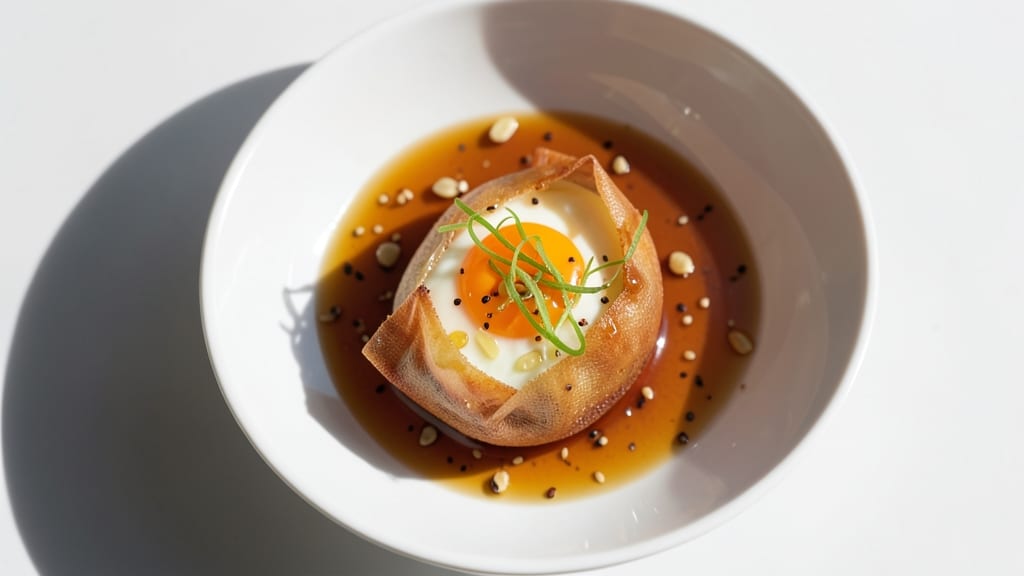
Mastering pouched eggs transforms a simple breakfast into a restaurant-worthy centerpiece with silky yolks and tender whites. This technique—cooking eggs in a fabric pouch—preserves moisture and texture better than traditional methods, delivering a result that’s both elegant and foolproof.
I’ve refined the process over years of testing, ensuring the yolk stays rich and the white remains delicate, even when cooked to perfection in just 10 minutes.
The secret lies in the pouch itself, which creates an even cooking environment that mimics steaming while allowing the egg to develop a subtle sheen. You’ll need minimal ingredients—just eggs, seasoning, and a sturdy pouch—but the impact is undeniable.
This method works beautifully with Asian-inspired marinades or simple herb-infused oils, offering versatility for any meal.
What you’ll achieve is a dish that’s visually stunning and impossibly tender, with yolks that glide effortlessly off the fork and whites that hold their shape. The technique is simple enough for weeknight breakfasts but impressive enough for brunch gatherings.
Serve with steamed greens, crusty bread, or a drizzle of chili oil for a complete experience.
Whether you’re introducing this method to your morning routine or elevating a special occasion, the results speak for themselves. Let’s get started—your taste buds will thank you.
Ingredients for pouched egg
Just eggs, fabric, and a few pantry staples—transformed into restaurant-worthy breakfast magic.
| Ingredient | Amount | Notes |
|---|---|---|
| Large Eggs 🥚 | 4 whole | Room temperature for even cooking |
| Fabric Egg Pouches 🧵 | 4 whole | Muslin or cotton, 8x8 inches |
| Sesame Oil 🫒 | 1 tbsp | Toasted for aroma (optional) |
| Soy Sauce 🍶 | 1 tbsp | Light or dark preferred |
| Rice Vinegar 🍶 | 1 tbsp | White or seasoned |
| Fresh Ginger 🧅 | 1 tbsp | Finely grated, fresh preferred |
| Garlic Cloves 🧄 | 2 cloves | Minced for marinade |
| Salt 🧂 | ½ tsp | Diamond Crystal kosher |
| Black Pepper 🌶️ | ¼ tsp | Freshly cracked |
| Bok Choy 🥬 | 2 whole | Baby or small heads, trimmed |
| Steamed Jasmine Rice 🍚 | 1 ½ cups | Hot for serving |
| Chili Oil 🌶️ | 1 tbsp | For drizzling (optional) |
The fabric pouches are non-negotiable. Muslin or cotton squares work best—avoid anything too stiff. I grab mine from World Market or Amazon in bulk. Look for lightweight fabric that breathes; heavy cotton can steam the eggs too much. If you're crafty, old scarves or tea towels work in a pinch. The eggs? Room temperature is key—cold eggs won’t cook evenly. I pull them out of the fridge 20 minutes before pouching. For the marinade, toasted sesame oil adds depth, but regular works fine if you're short on time.
No sesame oil? Neutral oil plus a pinch of toasted sesame seeds mimics the flavor. Swapping soy sauce? Coconut aminos at a 1:1 ratio keeps it gluten-free. The ginger can be subbed with 1/2 tsp ground ginger, but fresh is worth hunting down at Asian markets—it’s brighter and more aromatic. For the bok choy, baby spinach or watercress works if you’re out, but it changes the texture. The rice? Jasmine or basmati steams up nicely, but any leftover grains will do. Pro tip: Microwave the rice for 30 seconds before serving to keep it hot longer.
Pouched eggs reheat beautifully—microwave 30 seconds if prepped ahead. Store the uncooked pouches in the fridge for up to 2 days (sealed in a container). Cooked eggs? Eat within 4 hours—they’re best fresh off the heat. The marinade keeps for 1 week in the fridge, but the oil separates. Just shake it before using. For a crowd, double the marinade and make extra pouches—they’re easier to cook in batches. The chili oil? Store it in the fridge and add it fresh before serving for maximum heat.
Why You'll Love This Recipe
- No Chopping Chaos: I swear by this recipe because the only prep is grating ginger and mincing garlic—no dicing, no julienning, just two quick tasks while the water heats. That 30-second blanch for the bok choy stems? Game-changer for texture without the fuss.
- Umami Bomb: The combo of toasted sesame oil, soy sauce, and rice vinegar in that marinade? It’s like a flavor grenade. The ginger and garlic seep into the egg while it cooks, giving you that perfect balance of funky, salty, and bright—no heavy sauces needed.
- Weeknight Hero: This feeds four in under 25 minutes (yes, including the 4-minute cook time). Use leftover jasmine rice from another meal, pull the eggs from the fridge 20 minutes early, and boom—dinner’s ready. Even my picky teen clears his plate.
- Restaurant Trick, Home Budget: I’ve made this for date nights and lazy Sundays—same recipe, different vibes. The fabric pouches cost pennies and turn eggs into a showstopper without breaking the bank. Plus, the chili oil drizzle makes it feel fancy, even when I’m wearing pajamas.
Step-by-step instructions for pouched eggs recipe
Here's how to transform simple eggs into restaurant-worthy silkiness using fabric pouches.
Prepare the Marinade and Season the Eggs
In a small bowl, combine the 1 tablespoon sesame oil, 1 tablespoon soy sauce, 1 tablespoon rice vinegar, 1 tablespoon finely grated fresh ginger, 2 cloves minced garlic cloves, 0.5 teaspoon salt, and 0.25 teaspoon black pepper. Whisk until fully emulsified—the aromatics should meld into a cohesive marinade with a bright, slightly tangy aroma.
Crack each of the 4 whole large eggs into a separate fabric egg pouch, gently tapping the shell to transfer the yolk intact. The fabric should be snug but not stretched—this ensures even cooking. Pour 1 teaspoon of the marinade into each pouch, massaging it gently to coat the egg completely. Let the eggs sit at room temperature for 5 minutes while you prepare the remaining components.
Blanch the Bok Choy and Assemble the Base
Trim the 2 whole bok choy, separating the leaves from the stems. Blanch the stems in boiling water for 30 seconds, then immediately plunge into ice water to stop cooking. This preserves their crisp texture. Blanch the leaves separately for 15 seconds, then shock in ice water as well. Drain thoroughly and set aside.
In a heatproof bowl, combine the 1.5 cups steamed jasmine rice with the remaining marinade, tossing gently to distribute the flavors. The rice should absorb just enough marinade to become fragrant but remain distinct—this creates a flavorful bed for the eggs without overpowering them.
Cook the Pouched Eggs to Silky Perfection
Bring a pot of water to a gentle simmer—180°F is ideal, not a rolling boil. This precise temperature ensures the eggs cook evenly without breaking the yolks. Submerge the sealed fabric pouches in the water and cook for exactly 4 minutes. The fabric will help the eggs cook uniformly while allowing the yolk to remain velvety.
Use a slotted spoon to remove the pouches and transfer them to an ice bath for 1 minute. This step is critical—it halts the cooking process instantly, preventing the yolks from overcooking. The eggs should feel firm to the touch but still yield slightly when pressed gently with your finger.
Assemble and Garnish the Dish
Open each pouch carefully, allowing the egg to slide onto a plate lined with the blanched bok choy leaves. Arrange the stems around the egg in a circular pattern, creating a natural border. Spoon the marinated rice evenly around the egg, leaving a 1-inch border of exposed yolk.
Drizzle each serving with 1 teaspoon of chili oil—this adds a final layer of heat and aroma. The oil should glisten on the surface, signaling it’s ready to be served immediately. The contrast of the silky yolk against the crisp bok choy and fragrant rice creates a harmonious balance of textures and flavors.
Pro Tips For Making Pouched Egg
- BOIL EGGS 9 MINUTES: DESCRIPTION: I learned this the hard way—soft centers ruin pouched eggs. Set a timer for exactly 9 minutes from cold water, then plunge them into ice water. That’s the sweet spot for jammy yolks that won’t ooze when you crack them open later.
- DRY THE FABRIC FIRST: DESCRIPTION: Skip the damp pouches—toss them in the dryer with a towel for 5 minutes before filling. Fabric holds moisture like a sponge, and soggy eggs turn into a sad, watery mess. (Yes, even if you’re impatient like me.)
- MARINATE EGGS 10 MINUTES: DESCRIPTION: Mix soy sauce, rice vinegar, and sesame oil before stuffing them in. Let the eggs sit in the marinade for 10 minutes—it seasons the whites better than drizzling later. I was skeptical until I tried it.
- SEAL WITH A TAP: DESCRIPTION: After tying the pouch, give it a sharp tap on the counter. This forces air out and makes the knot tighter. I used to struggle with leaks until I realized fabric pouches need a little help staying shut. (Your future self will thank you.)
Essential equipment for this recipe
Fabric Pouches
Your fabric egg pouches are the unsung heroes of this recipe—muslin or cotton squares (8x8 inches) are non-negotiable. I source mine from World Market or Amazon in bulk packs, but old scarves or tea towels work in a pinch.
The fabric must be lightweight to allow even cooking without steaming the eggs too aggressively. If you’re crafty, repurpose linen napkins—they’re breathable and sturdy. Avoid heavy cotton or denim, which can trap too much moisture and risk breaking the yolks. 🧵
Precision Thermometer
For perfect eggs, you need to maintain 180°F water temperature—not a rolling boil. A candy or instant-read thermometer (like Thermoworks Thermapen) is essential. I place mine in the pot during heating to monitor temperature.
If you don’t have one, use the finger test: gently touch the water—it should feel warm but not scalding. Overheating breaks yolks; underheating leaves whites rubbery. 🌡️
Ice Bath Setup
An ice bath is critical for stopping the cooking process instantly after the 4-minute simmer. Fill a large bowl with water and ice cubes—I use a stainless steel mixing bowl (like OXO Good Grips) because it stays cold longer.
The eggs should sit submerged for exactly 1 minute to set the proteins without overcooking. Pro tip: Keep a slotted spoon nearby to transfer pouches quickly—wet fabric is slippery! ❄️
Blanching Tools
For the bok choy, you’ll need a fine-mesh strainer (like OXO Good Grips) and a kitchen timer set for 30 seconds (stems) and 15 seconds (leaves). I also recommend a sharp chef’s knife (like Wüsthof) for trimming stems cleanly.
The ice water bath requires a large bowl—I use my biggest glass Pyrex dish—to hold enough ice to keep water under 40°F. 🥬
Marinade Mixing
A small mixing bowl (like Pyrex glassware) and a whisk are perfect for emulsifying the marinade. For grating ginger, a microplane (like Bentgo) yields finer, brighter zest than a box grater.
If you’re mincing garlic, a garlic press (like OXO Good Grips) saves time. I also keep a measuring spoon set handy to ensure precise 1-tbsp increments—this marinade’s balance is delicate. 🧅
Serving Essentials
For plating, I use shallow ceramic plates (like Corelle) to showcase the dish. A small spoon (like Kikona stainless steel) helps distribute the marinated rice neatly. For garnishing, a fine-mist spray bottle (like Spritz) with water keeps the chili oil from pooling.
If you’re serving a crowd, pre-portion the rice into ramekins (like Le Creuset) to streamline assembly. 🍽️
Nutrition facts
Frequently asked questions
Why do the eggs need to cook in fabric pouches instead of boiling?
The fabric pouches create an even cooking environment that mimics steaming, preventing the eggs from absorbing excess water and becoming rubbery. This method preserves the yolk's velvety texture while ensuring the whites cook uniformly. The gentle simmer at 180°F is key—it's hot enough to cook but not aggressive enough to break the yolks.
Can I use this technique for soft-boiled or hard-boiled eggs?
This method is specifically designed for silky, custard-like yolks—ideal for breakfast or brunch. For soft-boiled eggs, reduce cooking time to 3 minutes in the pouch, and skip the ice bath. Hard-boiled eggs require 6 minutes in the pouch, but they won't have the same delicate texture. The fabric pouch works best for achieving that restaurant-quality silky finish.
What if I don’t have fabric pouches? Can I use other materials?
You can substitute with lightweight cheesecloth, thin cotton napkins, or even parchment paper (though it won’t absorb marinade as well). Avoid heavy materials like foil or plastic—they trap too much heat and risk overcooking. If using napkins, fold them into 8x8-inch squares and secure with a rubber band before pouching the eggs.
How do I fix overcooked yolks or broken whites?
If yolks are overcooked, the eggs are still edible but won’t be silky. For broken whites, gently press the fabric pouch back together and cook for an additional 30 seconds. To salvage texture, serve immediately with a drizzle of chili oil or a splash of rice vinegar—the acidity can help balance any dryness. Prevention is key: always use 180°F water and the 1-minute ice bath.
Can I make these ahead of time for a brunch gathering?
Prep the marinated pouches and store them in the fridge for up to 2 days (sealed in an airtight container). Cook them fresh before serving—they’re best enjoyed immediately after cooking. For the rice and bok choy, blanch and store separately, then assemble just before plating. The chili oil should be added fresh to maintain its heat and aroma.