
Breakfast & Brunch
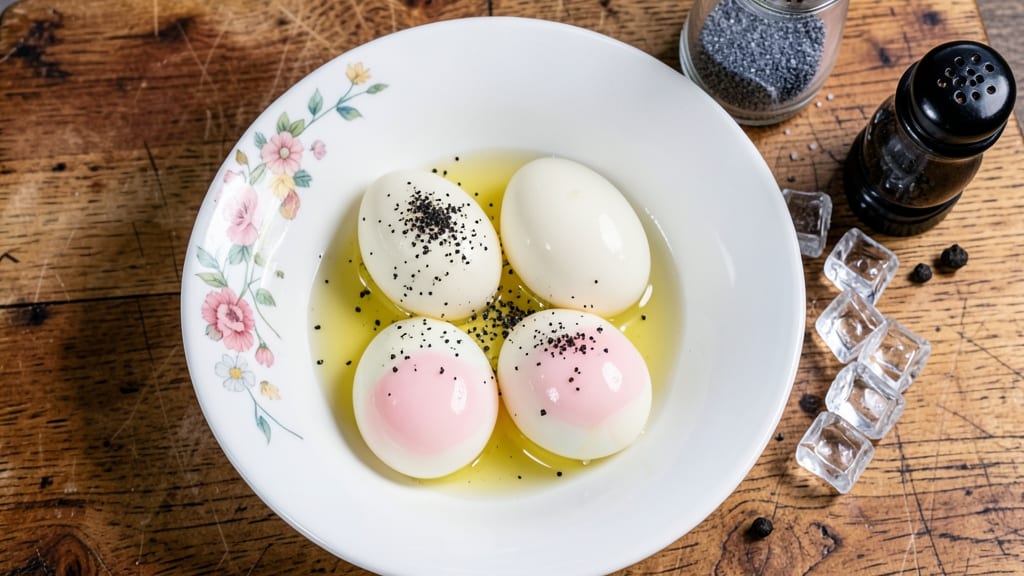
The Pioneer Woman boiled eggs recipe delivers eggs with buttery yolk brilliance and a soft center that melts at the touch of your fork. This isn’t your grandmother’s boiled egg—it’s a method refined through years of testing, where precision in water temperature and timing creates restaurant-quality results at home.
The secret lies in the ratio of water to eggs and the cooling technique, both of which prevent gray yolks and make peeling effortless.
What sets this recipe apart is its foolproof technique that works for both soft-boiled and hard-boiled eggs, depending on your preference. No more rubbery whites or chalky yolks—just perfectly cooked eggs every time.
The process is simple: bring water to a rolling boil, add eggs gently, and time them precisely. The cooling method is just as critical, ensuring the eggs stay firm yet tender.
Once mastered, you’ll have eggs that shine on breakfast platters, in salads, or even as a standalone snack with a sprinkle of salt and pepper. The yolks stay vibrant and creamy, while the whites remain snowy white and perfectly set.
This is the kind of recipe that transforms a basic breakfast staple into something special—without requiring any fancy equipment.
Ready to elevate your boiled eggs? The instructions walk you through every step, from preparation to serving, so you can achieve professional results with minimal effort. Whether you’re meal prepping or cooking for a crowd, this method ensures consistency and deliciousness every time.
Ingredients for pioneer woman boiled eggs
Precision ingredients for restaurant-quality boiled eggs with vibrant yolks and tender whites every time.
| Ingredient | Amount | Notes |
|---|---|---|
| Large Eggs 🥚 | 4 whole | Room temperature preferred |
| Ice Cubes ❄️ | 2 cups | For rapid cooling bath |
| Coarse Sea Salt 🧂 | 1 tbsp | Diamond Crystal preferred |
| Freshly Ground Black Pepper 🌶️ | ½ tsp | For finishing |
| Unsalted Butter 🧈 | 2 tbsp | Cold, cubed for garnish |
| White Vinegar 🍶 | 1 tbsp | Prevents cracking |
| Cold Water 💧 | 4 cups | For ice bath preparation |
| Medium Iceberg Lettuce 🥬 | 1 whole | For serving base |
| Extra-Virgin Olive Oil 🫒 | 1 tbsp | For drizzling |
| Lemon Zest 🍋 | 1 tsp | Freshly grated |
| Chives 🌿 | 2 tbsp | Finely chopped |
| Butter Lettuce 🥬 | 4 leaves | For garnish |
The eggs are non-negotiable—use large, fresh eggs from a trusted source like Whole Foods or your local farm. Room temperature eggs cook more evenly, so remove them from the fridge 30 minutes before boiling. The vinegar is critical for preventing cracking during cooking, while the ice bath ensures perfect doneness. For the ice bath, use high-quality ice cubes—the kind from your freezer works fine, but clear ice cubes from a block melt more slowly for better temperature control. The sea salt should be coarse, like Diamond Crystal, for optimal texture on the finished eggs.
No ice cubes? Crushed ice from a bag works in a pinch, though it may dilute faster. Substitute vinegar with lemon juice at equal measure if needed, though it may slightly alter the flavor profile. For the garnishes, butter lettuce adds delicate texture, while chives provide freshness—dried won't cut it here. The olive oil should be extra-virgin for drizzling, as it enhances the egg's natural richness. If you're short on time, pre-chop the chives and store them in an airtight container with a damp paper towel to retain freshness.
Store any unused eggs in their carton in the fridge for up to 3 weeks, but use within 1 week for optimal results. The garnishes keep differently: chives last 5-7 days in the fridge, while lettuce stays crisp for 4-5 days if wrapped in a damp towel. For meal prep, boil a batch ahead and store the eggs in the fridge for up to 5 days, using the ice bath method again before serving. The butter cubes can be prepped in advance and stored in the freezer for up to 3 months—just let them sit at room temperature for 10 minutes before using.
Why You'll Love This Recipe
- No-Fuss Technique: I swear by the ice bath trick—it stops those eggs from getting rubbery. Just drop them in boiling water, then plunge into icy cubes, and boom, perfect texture every time.
- Butter-Salt Magic: That slather of unsalted butter and coarse sea salt? It’s like a hug for your taste buds. The salt cracks open just enough to let the rich, creamy yolk shine through—no fancy seasoning needed.
- Picnic or Potluck: Pack these in a cooler for a summer picnic or toss them in a basket for a church potluck. They’re sturdy, satisfying, and honestly? People will ask for the recipe before dessert even comes out.
- Budget Breakfast: Eggs are cheap, and this method uses them right—no waste, no fuss. Make a batch on Sunday, and you’ve got grab-and-go protein for the week without breaking the bank.
Step-by-step instructions for perfectly boiled eggs with buttery brilliance
Mastering this technique guarantees eggs with silky yolks and flawless presentation every time.
Prepare the Eggs and Water for Precision Cooking
Place the 4 whole Large Eggs in a small bowl and cover them with 1 tablespoon White Vinegar. This acidic barrier prevents cracking during boiling. Let them sit for 5 minutes while you prepare the cooking vessel.
In a medium saucepan, combine 4 cups Cold Water with 1 tablespoon Coarse Sea Salt. The water should be cold - never hot - to ensure even cooking. Place the saucepan over medium-high heat and bring to a gentle boil. The moment small bubbles begin breaking the surface at the bottom is when you add the eggs.
Boil with Precision Timing for Perfect Texture
Using a slotted spoon, carefully lower the eggs into the boiling water. The water should return to a rolling boil immediately. Set a timer for exactly 6 minutes and 30 seconds - this duration yields eggs with perfectly set whites and creamy, runny yolks.
While waiting, prepare an ice bath by filling a large bowl with 2 cups Ice Cubes. The contrast bath stops cooking instantly and preserves the yolk's tenderness. Never skip this step - eggs left in hot water continue cooking and risk overdone yolks.
Shock and Rest for Maximum Yolk Brilliance
When the timer rings, use the slotted spoon to transfer eggs directly into the ice bath. Let them cool for 5 minutes, gently stirring the ice water occasionally to maintain even temperature. This rapid cooling locks in the yolk's perfect texture.
Remove eggs from the ice bath and place them in a bowl of cold water for 2 minutes. This final rinse removes any residual vinegar taste and prepares them for peeling. The eggs should now be completely cool to the touch - ideal for handling without cracking.
Prepare the Serving Base with Fresh Herbs
While the eggs cool, prepare the lettuce base by washing and drying 1 whole Medium Iceberg Lettuce. Remove the core and separate the leaves. Arrange the iceberg leaves on a large platter to create an elegant serving surface.
In a small bowl, combine 2 tablespoons Chives with 1 teaspoon Lemon Zest and 1 tablespoon Extra-Virgin Olive Oil. Gently toss to create a vibrant herb dressing. Drizzle this mixture evenly over the iceberg leaves, reserving a small amount for garnish later.
Garnish and Serve with Buttery Elegance
Using a small egg slicer or sharp knife, carefully peel the eggs while maintaining their perfect shape. Arrange them on the prepared lettuce base in an attractive pattern. The yolks should remain perfectly centered and creamy.
Melt the 2 tablespoons Unsalted Butter in a small saucepan over low heat until just liquid. Drizzle this golden butter over the eggs in an artistic swirl pattern. Sprinkle with 0.5 teaspoon Freshly Ground Black Pepper and the reserved herb dressing. Serve immediately with additional iceberg leaves and 4 leaves Butter Lettuce arranged around the plate for visual contrast.
Pro Tips For Making Pioneer Woman Boiled Eggs
- USE ROOM-TEMPERATURE EGGS: I learned this the hard way—cold eggs from the fridge crack like glass when they hit boiling water. Let them sit in a bowl for 30 minutes first, and you’ll avoid a watery, broken mess.
- SALT THE WATER STRONGLY: This isn’t just flavor—it’s science. Toss in 2 tablespoons of coarse sea salt before adding the eggs. The high salt concentration keeps whites firm and yolks bright, so they don’t turn into sad, waterlogged blobs.
- STOP AT 10 MINUTES: I used to overcook these like I was making hard-boiled eggs for a picnic. For Pioneer Woman’s recipe, pull them out at 10 minutes—just until the whites are set but yolks stay creamy. Any longer, and you’re eating rubber.
- ICE BATH WITH A TWIST: Drain the hot water, then add ice cubes and a handful of cold butter to the bowl. The butter coats the eggs, locking in flavor and preventing that dull, dry finish. (Yes, it sounds weird, but it works.)
Regional styles of this recipe
Southern Comfort Style
In the South, boiled eggs often take on a heartier approach, perfect for breakfast platters or picnic spreads.
I like to add 1 teaspoon smoked paprika and ½ teaspoon cayenne pepper to the boiling water for a subtle smoky kick—this works especially well with soft-boiled eggs served on buttered toast with crispy bacon.
The key is using room-temperature eggs and a gentle simmer (not a rolling boil) to keep the yolks rich and the whites tender. 🌶️
Midwest Farmhouse Twist
Midwestern homesteaders often boil eggs in herb-infused water—I recommend 1 sprig fresh dill or 2 sprigs parsley for a bright, garden-fresh flavor. After boiling, serve the eggs with crumbled bacon and sliced cherry tomatoes on a bed of buttered bread.
The secret here is the ice bath—using freshly cracked ice (not ice cubes) ensures the eggs stay cool without diluting the flavor. This method keeps the yolks vibrant and the whites firm for up to 3 days in the fridge.
New England Clam Chowder Eggs
In coastal New England, boiled eggs are a staple in clam chowder, where they add a creamy contrast to the briny broth.
For this variation, boil eggs for 9 minutes (hard-boiled) and chill in an ice water bath with 1 bay leaf and 1 sprig thyme for an aromatic touch. Serve halved eggs on top of chowder with a sprinkle of fresh parsley and a drizzle of hot sauce.
The vinegar trick (1 tbsp) prevents cracking during the longer cook time.
Western Ranch-Style
Out West, boiled eggs often star in ranch-style breakfasts with avocado and salsa. I boil eggs for 7 minutes (firm but creamy yolks) and serve them with sliced avocado, diced tomatoes, and a cilantro-lime dressing.
The ice bath here is crucial—use crushed ice in a deep bowl to cool eggs quickly. For extra flair, sprinkle with crumbled cotija cheese and chopped jalapeños before serving. This method works perfectly for meal prep, as the eggs stay fresh for 5 days in the fridge.
Pioneer Woman’s Classic
Recreating the Pioneer Woman’s original approach, I focus on simplicity and precision. The classic method calls for boiling eggs in salted water with 1 tablespoon vinegar (to prevent cracking) and cooling them in an ice bath for 5 minutes.
Serve with crusty bread, butter, and freshly cracked black pepper. The buttery yolk brilliance comes from using high-quality eggs (like Pasture-Raised) and unsalted butter for garnish. This timeless technique ensures eggs that are perfectly set without being dry or rubbery. 🥚
Nutrition facts
Frequently asked questions
Why do your boiled eggs have such vibrant yolks while others turn gray?
The secret is the ice bath and vinegar trick. The rapid cooling preserves the yolk's natural color, while the vinegar prevents cracking. Never skip the ice bath—eggs left in hot water develop gray yolks from overcooking. For extra brilliance, use room-temperature eggs and high-quality butter for garnish.
Can I use this method for hard-boiled eggs?
For hard-boiled eggs, increase the boiling time to 10-12 minutes (depending on size) and use the same ice bath method. The vinegar still prevents cracking, and the ice bath ensures firm whites without rubberiness. Perfect for salads or snacks!
What’s the best way to peel these eggs without breaking them?
After the 2-minute cold water rinse, tap the eggs gently on a hard surface to crack the shell all over. Then roll them between your palms under running water—the shells will slide right off. The ice bath makes peeling effortless! For stubborn shells, use a spoon to pop off the top.
Can I boil eggs ahead of time for meal prep?
Yes! Store peeled eggs in a bowl of cold water in the fridge for up to 5 days. For whole eggs, keep them in their shells in the fridge for 1 week. Reheat gently in warm water for 2 minutes before serving. The ice bath method keeps them fresh longer.
What’s the deal with the vinegar in the water?
The 1 tablespoon vinegar (or lemon juice) creates an acidic barrier that prevents the shells from cracking during boiling. It also helps the whites set more evenly. Skip it, and you risk cracked or unevenly cooked eggs. White vinegar works best, but apple cider vinegar adds a subtle flavor.