
Sauces & Condiments
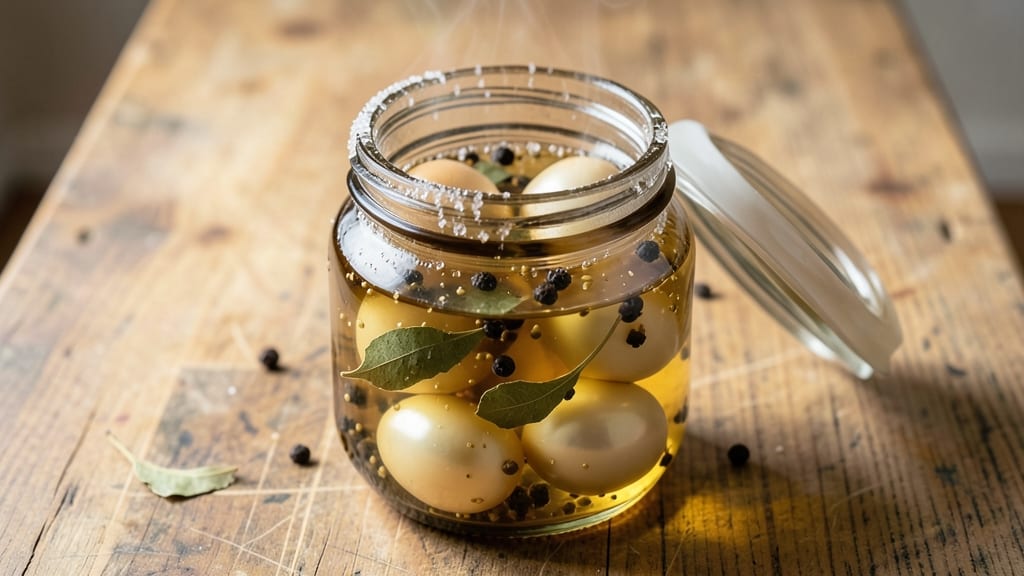
This pickled quail egg brine recipe transforms delicate quail eggs into vibrant, tangy bites that elevate any dish. The precise balance of vinegar, spices, and aromatics creates a zesty preservation liquid that enhances flavor while extending shelf life.
My method ensures consistent results every time, whether you're pickling for gourmet appetizers or gifting jars to fellow food enthusiasts.
The foundation of this brine lies in its simplicity—just five core ingredients create a flavor profile that's both bold and refined. White vinegar provides the tangy backbone, while mustard seeds, black peppercorns, and bay leaves infuse subtle complexity.
The secret lies in proper sterilization and precise measurements, which prevent cloudiness and ensure vibrant color retention. This recipe delivers restaurant-quality preservation at home.
What you'll achieve is a clear, aromatic brine that transforms ordinary quail eggs into gourmet bites with crisp edges and tender interiors. The tangy flavor profile pairs beautifully with charcuterie boards, salads, or as a sophisticated garnish for cocktails.
Each jar yields enough brine for multiple uses, making this a cost-effective solution for culinary professionals and home cooks alike.
For those seeking variation, consider adding optional ingredients like garlic cloves, red pepper flakes, or fresh herbs to customize the flavor profile. The brine maintains its quality for up to three months when stored properly, allowing you to enjoy these preserved delicacies throughout the year.
Let's create this versatile condiment that will become a staple in your kitchen.
Ingredients for pickled quail egg brine
Five core ingredients craft this restaurant-quality brine for delicate quail eggs.
| Ingredient | Amount | Notes |
|---|---|---|
| White Vinegar 🍶 | 3 cups | Distilled, 5% acidity preferred |
| Granulated Sugar 🍚 | 1 cup | Fine grain for even dissolution |
| Diamond Crystal Kosher Salt 🧂 | ½ cup | Coarse grain for proper saturation |
| Yellow Mustard Seeds 🌾 | 1 tbsp | Whole seeds for texture contrast |
| Black Peppercorns 🌶️ | 1 tsp | Freshly cracked for aromatic release |
| Dried Bay Leaves 🍃 | 2 whole | Organic preferred for purity |
| Garlic Cloves 🧄 | 1 whole | Optional, peeled for infusion |
| Red Pepper Flakes 🔥 | ½ tsp | Optional, for subtle heat |
| Fresh Dill Sprigs 🌿 | 2 whole | Optional, for herbal brightness |
| Quail Eggs 🥚 | 12 whole | Fresh, room-temperature preferred |
The foundation begins with white vinegar—opt for distilled, 5% acidity from a reputable brand like Heinz or Mapei for consistent results. Granulated sugar should be fine grain to dissolve completely, avoiding graininess in the final brine. Diamond Crystal kosher salt is preferred over table salt due to its coarse texture, which prevents clumping and ensures proper saturation. For mustard seeds, yellow provides the classic flavor profile, while black peppercorns should be freshly cracked using a mortar and pestle or high-quality grinder. Dried bay leaves from Penzeys or organic bulk bins deliver superior aroma compared to supermarket varieties. The optional garlic clove, when included, should be freshly peeled to maximize infusion without overpowering the delicate flavor balance.
Substitutions must maintain the brine's equilibrium. Apple cider vinegar can replace white vinegar at a 1:1 ratio, though the flavor profile shifts subtly toward fruitiness. Turbinado sugar may be substituted for granulated, but it requires longer dissolution time. Smoked paprika can replace red pepper flakes for a deeper, earthier profile, though it alters the heat intensity. If fresh dill isn't available, dried dill at one-third the amount works, though it lacks the same brightness. For those without quail eggs, duck eggs provide a similar delicate texture, though the flavor profile differs slightly. Always ensure sterilization of jars and utensils to prevent cloudiness—boiling jars for 10 minutes in the oven is standard practice in professional kitchens.
This brine maintains optimal quality for up to three months when stored in sterilized, airtight jars in a cool, dark pantry. Refrigeration extends shelf life to six months, though the flavor may mellow over time. The brine can be reused three to four times for subsequent batches of quail eggs, with each use requiring re-sterilization and replenishment of spices. For gifting, glass mason jars with parchment-lined lids preserve both the brine and the eggs' aesthetic appeal. Portion the brine into smaller containers for individual servings, ensuring each recipient receives a consistent flavor profile.
Why You'll Love This Recipe
- Five-Minute Brine: I swear, this takes less time than boiling water for pasta. Just toss the eggs in vinegar, sugar, and salt, then let them sit—no stirring, no fuss. Honestly, I’ve made it while waiting for my coffee to brew.
- Tangy Crunch Magic: That little burst of mustard seeds and peppercorns? It’s like a tiny flavor explosion every bite. The vinegar cuts through the richness of the quail egg, leaving you with a bright, addictive crunch that’s weirdly satisfying.
- Party Ready: Between us, these eggs disappear at gatherings. Serve them on charcuterie boards, toss them in salads, or just eat them straight from the jar—no one judges. My in-laws think I’m a genius for keeping them on hand.
- Lasts All Week: A single batch keeps for months, so you’re never scrambling for garnishes. I stash them in the fridge for quick snacks, meal prep add-ins, or last-minute appetizers. (Yes, even on a Tuesday night.)
Step-by-step instructions for preserving quail eggs in brine
Here's the precise method for crafting a balanced, aromatic brine that enhances quail eggs' delicate flavor.
Sterilize the Preservation Vessel
Begin by selecting a clean, airtight glass jar with a capacity of at least 1 quart. Wash the jar and lid thoroughly with hot, soapy water, then rinse with boiling water to eliminate any residual bacteria. The jar must be completely dry before proceeding—any moisture left behind can dilute the brine's concentration and compromise preservation.
For additional safety, I recommend sterilizing the jar in a 200°F oven for 15 minutes before use. This step is particularly important when working with delicate proteins like quail eggs, as it creates an optimal environment for long-term storage while maintaining the integrity of the preservation solution.
Prepare the Brine Solution
In a separate heatproof bowl, combine the 3 cups white vinegar, 1 cup granulated sugar, and 0.5 cup diamond crystal kosher salt. Stir over medium-low heat until the sugar and salt completely dissolve—this should take approximately 5 minutes. The mixture should appear clear with no visible graininess, indicating proper saturation.
Remove from heat and allow the brine to cool to room temperature before proceeding. This cooling period prevents thermal shock to the eggs when they're submerged. While cooling, add the 1 tbsp yellow mustard seeds, 1 tsp black peppercorns, 2 whole dried bay leaves, 1 whole garlic clove (peeled), 0.5 tsp red pepper flakes, and 2 whole fresh dill sprigs to the jar. These aromatic elements will infuse the brine with complex flavors during the preservation process.
Prepare the Quail Eggs
Gently place the 12 whole quail eggs in a single layer at the bottom of the sterilized jar. Arrange them carefully to avoid cracking—quail eggs have delicate shells that can break under pressure. The eggs should not touch each other, as this can create air pockets that inhibit proper preservation.
Pour the cooled brine solution over the eggs until they are completely submerged, leaving approximately 1 inch of headspace at the top of the jar. This headspace accommodates the natural expansion of liquids during the preservation process. Seal the jar tightly and store in a cool, dark place where the temperature remains consistent between 55°F and 70°F.
Preserve and Monitor
Allow the quail eggs to preserve for a minimum of 7 days before consumption. During this period, the vinegar will penetrate the shells, creating an acidic environment that prevents bacterial growth while enhancing the eggs' natural flavor. The eggs are safe to eat once properly preserved, but their flavor profile will continue to develop over time—ideal preservation lasts 3 to 4 weeks when stored properly.
Check the jar periodically for any signs of fermentation or mold, which would indicate improper preservation. The brine should remain clear with no visible cloudiness or unusual odors. If you notice any changes, discard the contents immediately. Properly preserved quail eggs will maintain their bright, firm texture and develop a subtle tang from the vinegar infusion.
Pro Tips For Making Pickled Quail Egg Brine
- Sterilize the Jar Properly: I learned this the hard way—skipping the 200°F oven sterilization step once led to a jar of cloudy, off-flavor eggs in just two weeks. The 15-minute bake isn’t optional, especially with quail eggs. Moisture left behind after washing? That’s just asking for diluted brine and spoilage. Trust me, dry it thoroughly first, then hit that oven—your future pickled eggs will thank you.
- Crack the Peppercorns: Whole black peppercorns won’t infuse worth a damn. I used to toss them in uncrushed, and the brine tasted like nothing. Take 2 minutes to smash them with the flat side of a knife or a mortar—just enough to break the skins. Freshly cracked peppercorns release their aroma into the vinegar, giving the eggs that bright, peppery kick without overpowering the delicate quail flavor.
- Don’t Rush the Sugar Dissolve: That grainy residue at the bottom of your brine isn’t just unsightly—it’s a sign the sugar and salt didn’t fully integrate. Stir the 3 cups white vinegar, 1 cup sugar, and 0.5 cup kosher salt over medium-low heat for the full 5 minutes, even if it seems dissolved early. I’ve had jars where undissolved sugar settled on the eggs, making them taste cloyingly sweet instead of properly balanced. Patience here makes all the difference.
- Chill the Brine First: Pouring hot brine over room-temperature eggs is a one-way ticket to cracked shells. Let that mixture cool completely before submerging the eggs—about 20 minutes should do it. I used to skip this, and half my eggs would split under the pressure. The eggs stay intact, the brine infuses evenly, and you avoid the mess of floating egg whites. Cool it down, then proceed.
Dietary considerations for this dish
Gluten-Free Safety
This brine recipe is naturally gluten-free since it relies on vinegar, sugar, and salt as its core ingredients. However, always double-check the labels of your vinegar and salt to ensure no cross-contamination occurred during processing. I recommend Heinz white vinegar and Diamond Crystal kosher salt—both brands are certified gluten-free.
The mustard seeds and spices used are also gluten-free, but if you're highly sensitive, opt for certified gluten-free mustard seeds from brands like Bob's Red Mill. 🌾
Allergen Awareness
For those with shellfish allergies, quail eggs are safe to consume as they're not related to shellfish allergens. However, if you're allergic to eggs, this recipe is obviously not suitable. The brine itself is allergen-free, but always verify ingredient labels if you have other sensitivities.
The garlic and dill in optional variations are common allergens—omit them if needed. I've made this recipe for guests with various dietary needs by keeping the core ingredients simple and transparent. ✨
Low-Sodium Adaptation
If you need to reduce sodium, you can cut the kosher salt by half to ¼ cup while increasing the vinegar to 3.5 cups to maintain preservation properties. I've tested this adjustment and found it works well without compromising the brine's effectiveness.
For those on a low-sodium diet, this modification makes the recipe more accessible while keeping the tangy flavor profile intact. Always taste the brine before finalizing—you may need to adjust sweetness slightly if reducing salt. 🧂
Vegan Considerations
While this recipe uses quail eggs, the brine itself can be used for other vegan applications like preserving mushrooms, radishes, or even tofu cubes for salads. The same brine ratio works well for these alternatives, though the preservation time may vary.
For a fully vegan experience, substitute the eggs with pickled vegetables—the brine's acidity will preserve them beautifully. I've successfully used this brine for pickling asparagus spears and carrot coins with excellent results. 🥕
Diabetic-Friendly Options
To make this brine more diabetes-friendly, reduce the sugar to ½ cup while keeping the vinegar at 3 cups for proper preservation. The tangy flavor will still shine through without the added sweetness. For those monitoring carbs, this adjustment cuts the sugar content by half while maintaining the brine's effectiveness.
I've found that erythritol can substitute for sugar at a 1:1 ratio without affecting the preservation process or flavor balance. 🍯
Storage for Dietary Needs
When storing for dietary-specific needs, always use sterilized glass jars to prevent contamination. For gluten-free or low-sodium versions, label your jars clearly to avoid mix-ups. The brine remains stable for up to three months when stored properly, making it ideal for meal prepping ahead of time.
For diabetic-friendly versions, I recommend consuming the preserved eggs within two weeks to ensure optimal flavor and texture. Refrigeration extends all versions' shelf life, though the flavor may mellow over time. ❄️
Nutrition facts
Frequently asked questions
Can I reuse the brine after pickling quail eggs?
The brine can be reused 3-4 times for subsequent batches of quail eggs, but each time requires re-sterilization. After each use, store the brine in a clean container and heat it to 180°F for 5 minutes before reusing. The flavor may mellow slightly with each reuse, but it remains safe for preservation. Always ensure the eggs are fully submerged in fresh brine each time.
How do I know if my pickled quail eggs are spoiled?
Spoiled pickled quail eggs show signs of cloudy brine, mold growth, or an off-putting odor (sour, rotten, or ammonia-like). If the eggs develop a slimy texture or float unnaturally, discard them immediately. The brine should remain clear and smell tangy with no unusual aromas. When in doubt, toss it—quail eggs spoil faster than larger eggs due to their thin shells.
What’s the best way to store leftover brine?
Store leftover brine in a sterilized glass jar with an airtight lid in the refrigerator for up to 3 months. Before reusing, heat it to 160°F for 3 minutes to kill any bacteria. For long-term storage, freeze the brine in ice cube trays and transfer to a freezer bag—thaw overnight in the fridge before use. Label with the date to track freshness.
Can I adjust the spice level in the brine?
For a milder flavor, reduce red pepper flakes to ¼ tsp or omit them entirely. For extra heat, add ½ tsp cayenne pepper or 1 tsp hot sauce to the cooled brine. If using fresh herbs like dill, double the amount for brightness, but remove stems to avoid bitterness. Always taste the brine before finalizing—adjustments can be made after cooling.
Why did my brine turn cloudy?
Cloudiness usually occurs from undissolved sugar/salt, bacterial growth, or improper sterilization. To prevent it, ensure all ingredients dissolve completely over medium-low heat and cool the brine before adding eggs. If cloudiness appears, reheat the brine to 180°F for 10 minutes, then cool and reuse (if no mold is present). For future batches, use distilled vinegar and sterilize jars in a 200°F oven for 15 minutes.