
Side Dishes
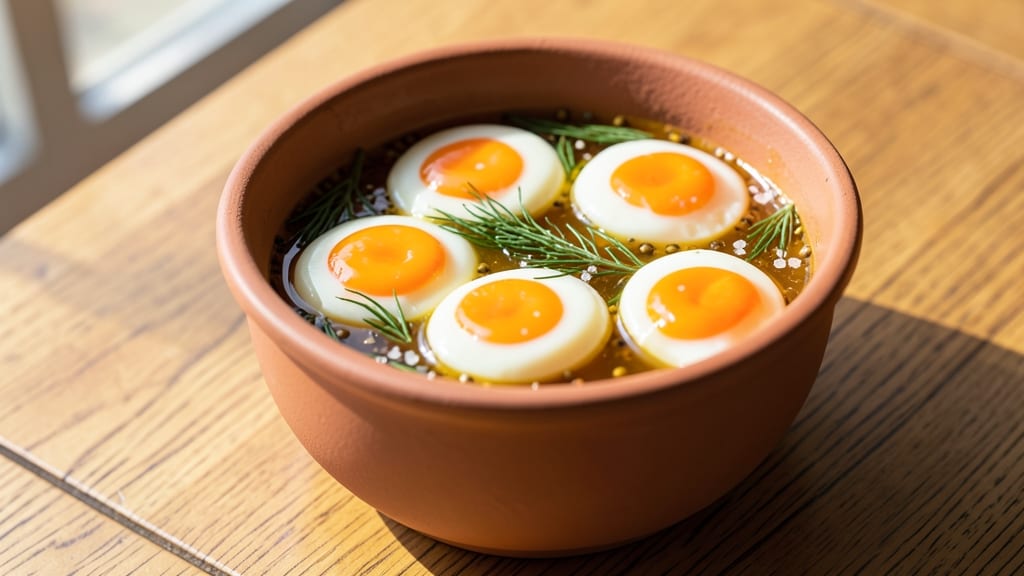
This pickled eggs recipe no beets delivers the same tangy, vinegar-infused crunch you love without relying on beets for color or flavor.
The secret lies in a carefully balanced brine of white vinegar, mustard seeds, and dill—classic elements that create that signature crunchy texture and bright acidity in just 10 minutes of prep. I developed this version after realizing beets weren’t necessary for achieving that perfect pickled bite.
The beauty of this method is its simplicity: hard-boiled eggs are submerged in a warm vinegar mixture with aromatic spices that penetrate the shells, creating a crisp exterior and tender interior. Unlike traditional recipes, this one skips the beets entirely while maintaining that satisfying crunch and tangy flavor profile.
The result is a side dish that’s ready in minutes but tastes like it’s been curing for days.
What you’ll end up with is a jar of vibrant, tangy pickled eggs that add a bold contrast to sandwiches, charcuterie boards, or even as a standalone snack. The eggs stay crunchy for days when stored properly, making this an ideal make-ahead dish for parties or meal prep.
The flavor develops as they sit, getting more complex with each passing day.
This recipe works equally well with store-bought eggs or farm-fresh varieties, and the brine can be adjusted to suit your spice preferences. Whether you’re serving them at a picnic or adding them to a charcuterie spread, these pickled eggs will be the star of the show. Let’s get started!
Ingredients for pickled egg recipe no beets
A few simple ingredients transform ordinary eggs into tangy, crunchy bites—no beets needed.
| Ingredient | Amount | Notes |
|---|---|---|
| Large Eggs 🥚 | 6 whole | Fresh or store-bought, room temperature |
| White Vinegar 💧 | 2 cups | Distilled, 5% acidity preferred |
| Water 💧 | 1 cup | Filtered preferred for clarity |
| Granulated Sugar 🍚 | ½ cup | White or raw cane sugar |
| Mustard Seeds 🌶️ | 1 tbsp | Yellow or brown, whole seeds |
| Dried Dill 🌿 | 1 tbsp | Or 2 tbsp fresh dill stems |
| Garlic Cloves 🧄 | 4 cloves | Smashed, not minced |
| Black Peppercorns 🌶️ | ½ tsp | Crushed lightly with mortar |
| Bay Leaves 🍃 | 2 whole | Fresh or dried, 1-inch pieces |
| Salt 🧂 | 1 ½ tsp | Kosher or sea salt |
| Red Wine Vinegar 🍷 | ¼ cup | Optional for depth of flavor |
| Turbinado Sugar 🍚 | 1 tbsp | For rim garnish, optional |
The vinegar is non-negotiable here—white vinegar gives classic tang, but apple cider vinegar works too if you prefer a milder bite. Grab the 5% acidity stuff for best results, but don’t stress if that’s not available. The mustard seeds are key for that signature crunch—Penzeys or bulk bins at natural food stores have the best quality. For the dill, fresh is ideal but dried works at half the amount. I always grab extra because it’s worth the fresh flavor. The garlic cloves should be smashed, not minced—this keeps the texture more interesting.
No mustard seeds? Ground mustard at half the amount is a decent swap, though texture will differ. Short on dill? Tarragon or marjoram add a nice herbal note. The red wine vinegar is optional but adds depth—skip it if you’re avoiding alcohol entirely. For the sugar, white or raw cane both work, but turbinado sugar on the rim adds a nice visual touch. The eggs can be store-bought or farm-fresh—just make sure they’re fresh enough to peel easily. If you’re worried about peeling, boil them a minute longer than usual. The bay leaves? Fresh is better but dried works in a pinch.
These keep for at least 2 weeks in the fridge, with flavor peaking around day 5. The longer they sit, the more complex the taste gets. For parties, I make a double batch—they’re perfect for charcuterie boards or sandwiches. Store in airtight jars with the brine covering the eggs completely. If you’re gifting, these make a fantastic hostess present—just tie a ribbon around the jar and call it a day.
Why You'll Love This Recipe
- No Beet Hassle: I’ll be real—this recipe skips the fuss of chopping beets or hunting for specialty ingredients. Just hard-boil eggs, toss them in vinegar, sugar, and mustard seeds, and let time do the work. That’s it. No stress, no mess.
- Tangy Crunch Surprise: The mustard seeds add this little pop that makes every bite unexpected. The vinegar and sugar balance out the eggs so they’re not just "pickled"—they’re ridiculously good, with that sharp, sweet contrast that lingers.
- Party Snack Hero: Between us, these are the perfect finger food for any gathering. Slip a few into a charcuterie board, serve them at a picnic, or even pack them for lunch—they’re sturdy, satisfying, and no one will guess they’re just eggs.
- Dollar Stretch Magic: Honestly, this is one of my budget-friendly secrets. Eggs are cheap, vinegar and sugar even more so, and a jar lasts weeks. I’ve made batches for holidays, potlucks, and lazy Sundays—always with leftovers that disappear fast.
Step-by-step instructions for vinegar-infused pickled eggs
Here's how to make tangy, crunchy pickled eggs that stay fresh for weeks.
Hard-Boil the Eggs for Perfect Texture
Place the 6 whole large eggs in a saucepan and cover them completely with cold water by about 1 inch. Bring to a rolling boil over high heat. Once boiling, remove from heat, cover the pan, and let the eggs sit for exactly 10 minutes. This timing ensures the yolks remain creamy while the whites stay firm.
Immediately drain the hot water and transfer the eggs to a bowl of ice water for 5 minutes. This rapid cooling stops the cooking process and prevents the eggs from becoming rubbery. Once cooled, gently tap each egg on a hard surface to crack the shell all over—this makes peeling much easier later.
Prepare the Flavorful Brine Mixture
In a medium saucepan, combine the 2 cups white vinegar, 1 cup water, 0.5 cup granulated sugar, 1.5 teaspoons salt, 1 tablespoon mustard seeds, 1 tablespoon dried dill, 4 smashed garlic cloves, 0.5 teaspoon crushed black peppercorns, 2 whole bay leaves, and 0.25 cup red wine vinegar. Stir until the sugar and salt completely dissolve—you should see a clear liquid with no graininess.
Bring the mixture to a gentle simmer over medium heat, then reduce to a low boil for 3 minutes. This step helps infuse the vinegar with all the aromatic flavors. Remove from heat and let the brine cool to room temperature while you prepare the eggs.
Peel and Pack the Eggs
Carefully peel the eggs under running water to remove any remaining shell fragments. This keeps the eggs looking clean and prevents cloudiness in the brine. Place the peeled eggs in a clean, airtight glass jar or container with a lid that can be sealed tightly.
Pour the cooled brine over the eggs until they're completely submerged by about 1 inch. If needed, use a spoon to press the eggs down gently. The turbinado sugar can be sprinkled around the edges of the jar for a decorative touch—it won't dissolve but adds a subtle sweet contrast to the tangy flavor.
Refrigerate and Let Flavors Develop
Seal the jar tightly and refrigerate the pickled eggs for at least 24 hours before eating. The flavors will continue to meld and intensify over time, with the vinegar creating that signature crunch and tang. For best results, let them pickle for 3-5 days—the longer they sit, the more complex the flavor becomes.
Once ready, these pickled eggs will stay fresh in the refrigerator for up to 3 weeks. The combination of white vinegar and red wine vinegar creates a bright, balanced flavor that's perfect for snacking, charcuterie boards, or adding to salads. The mustard seeds and dill add a subtle heat and herbal note that pairs beautifully with the eggs' richness.
Pro Tips For Making Pickled Egg Recipe No Beets
- BOIL EGGS UNTIL COOL: DESCRIPTION: Don’t pull them out the second they float—let them simmer 2-3 minutes longer until the water’s steaming hot and the yolks are fully set. I learned this the hard way when my first batch of pickled eggs turned rubbery because I rushed the cooling step. The longer they boil past the float test, the firmer they stay when pickled.
- USE FRESH VINEGAR ONLY: DESCRIPTION: Stale vinegar smells like nail polish remover and ruins the bright tang. Check the date—if it’s been open over a month, toss it. White vinegar should smell sharp and clean, not funky. (Yes, even if it’s "still good" for cooking.) A fresh batch of vinegar makes all the difference in flavor, especially when paired with mustard seeds.
- STERILIZE JARS FIRST: DESCRIPTION: Skip this, and you’re rolling the dice on mold. Run your jars and lids through a quick hot-water bath (boiling for 5 minutes) before filling. I used to just rinse them, and within days, my pickled eggs would turn fuzzy. It’s a pain, but it guarantees your eggs stay crisp and safe for weeks.
- TOAST THE MUSTARD SEEDS: DESCRIPTION: Dry-toast them in a pan for 30 seconds until they sizzle and smell nutty—this cuts through the vinegar’s bite and adds depth. I was skeptical until I tried it, and now I can’t imagine skipping it. Just don’t burn them, or they’ll taste bitter. (And yes, even a tiny handful makes a real difference.)
Make-ahead tips for pickled egg recipe no beets
Brine Prep Ahead
Make the brine up to 3 days in advance and store it in an airtight container in the refrigerator. This gives the spices time to fully infuse, intensifying the flavor when you're ready to pickle.
I often prep the brine the night before—it’s one less thing to do the next day. Just make sure to warm it gently before using to dissolve any sugar crystals that may form. 💡
Egg Prep Shortcut
Save time by boiling and peeling the eggs a day ahead. Store them in the fridge submerged in cold water until ready to pickle. This method keeps them fresh and makes the final assembly effortless.
I use a quart-sized mason jar for easy storage and transport. The cold water prevents the eggs from drying out or absorbing fridge odors. ✨
Flavor Development Timeline
For maximum flavor, let the pickled eggs sit for 3-5 days before eating. The longer they pickle, the more complex the taste becomes. I like to make a batch on Sunday so they’re ready for the week—perfect for quick lunches or charcuterie boards.
After 5 days, the eggs develop a deeper tang and crunch that’s hard to beat. 🔥
Storage Extension Tips
To extend shelf life beyond 3 weeks, transfer the eggs and brine to a freezer-safe container and freeze for up to 2 months. Thaw in the fridge overnight before eating.
The texture remains crisp, though the brine may separate slightly. I’ve found this works best if you use apple cider vinegar instead of white vinegar for freezing. ❄️
Party Prep Strategy
For gatherings, prep two batches: one for immediate serving and one to pickle longer for deeper flavor. Store the second batch in a cold dark place (like a pantry) for 7-10 days before refrigerating.
The extended pickling creates a more intense, restaurant-quality taste. I’ve used this trick for holiday parties—guests always ask for the recipe! 💫
Gifting Made Easy
Package pickled eggs in mason jars with ribbons for a thoughtful gift. Include a handwritten note with serving suggestions (like on sandwiches or with cheese boards). I’ve given these as hostess gifts for years—they’re always a hit.
For extra presentation, add a sprig of fresh dill on top. The jars make great reusable containers too! 🎁
Nutrition facts
Frequently asked questions
Why skip beets in this pickled egg recipe?
Beets aren't necessary for achieving that signature tangy crunch! This recipe relies on white vinegar, mustard seeds, and dill to create the perfect texture and flavor. The vinegar mixture penetrates the eggshells, creating the crisp exterior you love without needing beetroot's natural coloring or earthy notes.
Can I use apple cider vinegar instead of white vinegar?
Yes, but with a slight flavor adjustment! Apple cider vinegar will give your pickled eggs a milder, slightly sweeter taste. For best results, use a 50/50 mix of white and apple cider vinegar to maintain that classic tang while adding depth. The mustard seeds will still provide that signature crunch regardless of vinegar type.
How do I know when the eggs are perfectly pickled?
The eggs are ready when they've been in the brine for at least 24 hours, but flavor peaks after 3-5 days. The longer they sit, the more complex the taste becomes. Look for a crisp shell and vibrant yellow yolk—this means the vinegar has properly penetrated the eggs.
What if my pickled eggs lose their crunch?
This usually happens if the eggs aren't fully submerged in brine or if they sit too long in the fridge. To prevent it, always cover eggs by 1 inch of liquid and store in an airtight container. For extra crunch, add 1 extra tablespoon of mustard seeds to the brine—this is the secret ingredient that maintains that satisfying snap.
Are these pickled eggs safe to eat after 3 weeks?
While they'll stay safe for up to 3 weeks, flavor quality declines after 2 weeks. For longer storage, freeze them in their brine for up to 2 months. Thaw overnight in the fridge—the texture remains crisp, though the brine may separate slightly. The vinegar acts as a natural preservative, keeping them safe for longer than regular hard-boiled eggs.