
Side Dishes
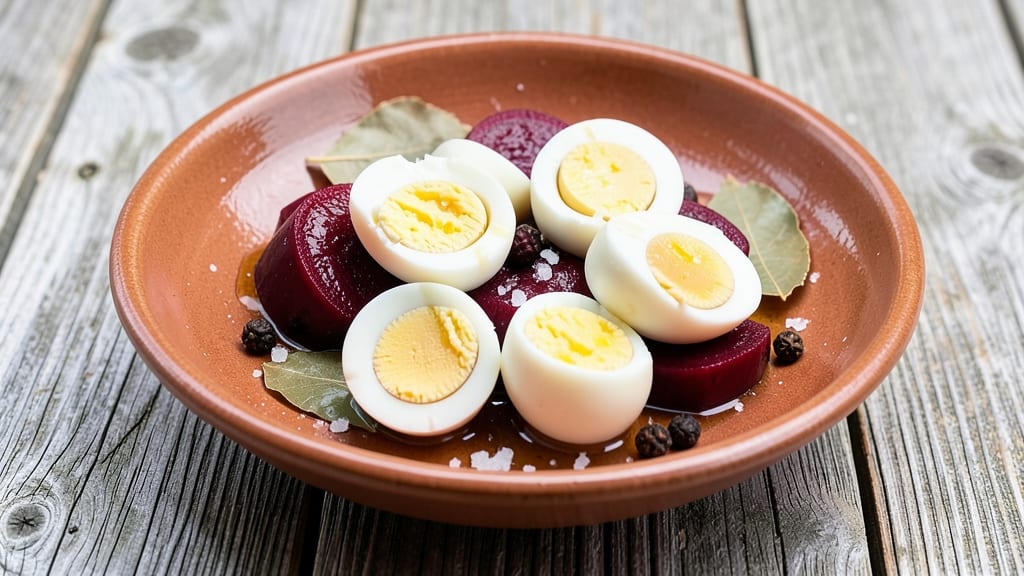
This Pennsylvania Dutch pickled beets and eggs recipe delivers a sweet-tangy harmony that’s both nostalgic and unexpectedly fresh. The traditional Amish preparation combines bright, vinegary beets with rich, creamy eggs for a dish that bridges breakfast and side-dish territory—perfect for brunch or a hearty meal.
I’ve streamlined the process to fit into 30 minutes while keeping the authentic flavors intact, so you get that classic Pennsylvania Dutch comfort without the fuss.
The key to this dish lies in the balance between the pickled beets—whether homemade or store-bought—and the eggs, which I recommend poaching for their delicate texture.
The vinegar and sugar in the pickling liquid mellow into a sweet-tart glaze that coats the beets, while the eggs add a creamy contrast that makes every bite satisfying.
This isn’t just a side dish; it’s a versatile centerpiece that works alongside grilled meats, on its own as a light lunch, or even as a breakfast star.
What you’ll end up with is a vibrant, flavorful plate that’s as visually appealing as it is delicious—deep purple beets glistening with their tangy sauce, topped with perfectly poached eggs that cut through the acidity.
The dish holds its texture beautifully, so you can prepare it ahead and reheat without losing that fresh, restaurant-quality finish. It’s the kind of recipe that feels like a family secret, even if you’re making it for the first time.
Serve it warm or at room temperature, paired with crusty bread to soak up the juices or alongside roasted chicken for a full meal. The beauty of this dish is its adaptability—it’s equally at home on a farmhouse table or a modern breakfast spread.
Let’s get started on creating this classic with a modern twist.
Ingredients for pennsylvania dutch pickled beets and eggs
Bright beets, creamy eggs, and a tangy glaze. Pennsylvania Dutch comfort in just 30 minutes.
| Ingredient | Amount | Notes |
|---|---|---|
| Pickled Beets 🧅 | 2 cups | Homemade or store-bought, sliced thin |
| Large Eggs 🥚 | 4 whole | Fresh, room temperature for poaching |
| White Vinegar 💧 | ½ cup | Distilled preferred for tang |
| Granulated Sugar 🍚 | ½ cup | White or brown for depth |
| Bay Leaves 🌿 | 2 whole | Fresh or dried, removed before serving |
| Allspice Berries 🌶️ | 4 whole | Crushed lightly for aroma |
| Salt 🧂 | 1 ½ tsp | Diamond Crystal kosher preferred |
| Black Peppercorns 🌶️ | ½ tsp | Crushed, not ground |
| Fresh Dill 🌿 | ¼ cup | Chopped, stems removed |
| Heavy Cream 🥛 | ¼ cup | Full-fat for richness |
| Unsalted Butter 🧈 | 2 tbsp | Cold for poaching eggs |
| Crusty Bread 🍞 | 4 slices | For serving, optional |
The beets are the star here—whether you make them yourself or grab a jar from Whole Foods or Trader Joe's. For homemade, I swear by organic beets from the farmers market—they’re sweeter and hold their shape better. If using store-bought, check the liquid: it should be vinegary with no added sugar. The allspice and bay leaves are non-negotiable for that classic Amish flavor—Penzeys Spices has the best whole berries. Crush them lightly in your palm before adding to the pickling liquid; don’t overdo it or you’ll get bitterness.
No fresh dill? Dried works at one-third the amount, but it won’t have that bright, fresh finish. Running short on vinegar? Apple cider vinegar is a great swap—just reduce the sugar slightly since it’s naturally sweeter. For the eggs, I always poach them in a mix of water and white vinegar (1 tbsp per cup of water)—it keeps the whites tight and the yolks runny. If you’re prepping ahead, poach the eggs just before serving so they stay creamy. The crusty bread? Grab a baguette from the bakery section—it soaks up the juices perfectly.
This dish reheats beautifully—just warm the beets and sauce gently, then add the eggs last minute. Keeps for 4-5 days in the fridge, though the eggs are best fresh. I like to portion the beets into jars with their pickling liquid, then store the eggs separately. When ready to serve, assemble everything and drizzle with a little extra pickling liquid. The flavors actually improve overnight as the tanginess mellows into that perfect sweet-tart balance.
Why You'll Love This Recipe
- I’ll be real: the eggs are best fresh, but that beet mixture? It keeps for 4-5 days in the fridge, and honestly, it tastes even better the second day. Reheat it gently, add a fresh poached egg, and suddenly, you’ve got a zero-effort lunch. Plus, you’re using up those pickled beets before they take over your fridge. Win.
- No-Chop Surprise: Honestly, I was skeptical about the prep work, but the pickled beets just need slicing thin—no dicing, no mincing, nothing fancy. The allspice berries? Crush them with a knife in 10 seconds. That’s it. Even if you’re the kind of cook who burns toast, this is your dish.
- Sweet-Tangy Magic: The moment the warm beet mixture hits your plate—sweet from the sugar, bright from the vinegar, with that crushed allspice whispering in the background—it’s like a flavor hug. Then you crack into that runny yolk, and suddenly, you’re in a Pennsylvania Dutch kitchen in 1890. (Yes, even on a Tuesday night.)
- Breakfast or Dinner: Between us, this is the ultimate lazy weekend brunch and the perfect weeknight dinner. Serve it with crusty bread for dipping, or pile it onto toast for a hearty breakfast. The heavy cream and butter make it feel indulgent, but the pickled beets keep it light. It’s the kind of dish that works for both your morning coffee and your late-night snack.
Step-by-step instructions for Pennsylvania Dutch pickled beets and eggs
This traditional recipe balances sweet and tangy flavors with tender eggs and vibrant beets.
Prepare the Beet and Spice Infusion
In a medium saucepan, combine the 2 cups pickled beets with the 0.5 cup white vinegar, 0.5 cup granulated sugar, 2 whole bay leaves, 4 whole allspice berries, and 1.5 tsp salt. Bring to a gentle simmer over medium heat for 8-10 minutes, until the flavors meld and the mixture thickens slightly. You'll notice the beets soften further and the liquid reduces to a syrupy consistency.
While simmering, lightly crush the 4 whole allspice berries with the flat side of a knife to release their aromatic oils. Strain the mixture through a fine-mesh sieve into a clean bowl, pressing gently on the solids to extract all the flavor. Discard the bay leaves and allspice berries. This step ensures a smooth, flavorful base without any fibrous bits.
Poach the Eggs in Butter and Cream
Fill a deep skillet with 2 inches of water and bring to a gentle simmer over low heat. In a small bowl, whisk together the 4 whole large eggs with a pinch of salt and peppercorns from the 0.5 tsp black peppercorns. Melt the 2 tbsp unsalted butter in a separate small saucepan over low heat, then stir in the 0.25 cup heavy cream until smooth and warm.
Carefully lower one egg at a time into the simmering water using a slotted spoon. Poach for 3-4 minutes until the whites are set but the yolks remain runny. Transfer the eggs to a paper towel-lined plate to drain. Here's the thing—don't overcook the yolks. They should still be soft and vibrant when you serve them. Repeat with the remaining eggs.
Combine and Finish with Fresh Dill
Return the strained beet mixture to the saucepan and warm it gently over low heat for 2-3 minutes. Stir in the 0.25 cup chopped fresh dill until it's evenly distributed and the leaves wilt slightly. This adds a bright, herbal note that cuts through the richness of the eggs and balances the sweet-tangy beets.
To serve, spoon the warm beet mixture into shallow bowls. Place one poached egg on top of each serving, allowing the runny yolk to blend into the beets. Offer the 4 slices crusty bread on the side for dipping or topping. The contrast of the crispy bread with the silky eggs and vibrant beets makes this dish truly special.
Pro Tips For Making Pennsylvania Dutch Pickled Beets And Eggs
- Crush Allspice Right: Don’t just toss those whole allspice berries in—give them a quick smash with a knife before adding them to the beets. I learned this the hard way when my first batch smelled underwhelming. A few firm taps releases their oils, making the whole dish taste deeper without overpowering.
- Simmer Beets Low and Slow: That 8-10 minute simmer isn’t just for flavor—it’s for texture. Rush it, and the beets stay tough; let them melt into the syrup, and they’ll turn fork-tender. If your heat’s too high, the sugar will burn before the liquid reduces properly.
- Vinegar in Poaching Water: Skip the extra bowl—add 1 tbsp of that same white vinegar to your poaching water per cup. It tightens the egg whites instantly (no more weepy whites) and keeps the yolks bright. Trust me, your eggs will look restaurant-fresh.
- Strain Like You Mean It: Press those beets hard through the sieve when straining. The first time I skimped, I ended up with a gritty, uneven consistency. A little elbow grease now means a silky-smooth sauce later—no one wants to bite into beet fibers.
Health benefits of these flavors
Vitamin Boost
The pickled beets in this dish are packed with vitamin C—about 12% of your daily value per serving—which supports immune function and skin health. The vitamin K content (around 18% daily value) helps with blood clotting and bone health, making this a surprisingly nutritious side dish. 💪
Protein Power
Each serving delivers 12 grams of protein from the eggs, making this dish more substantial than it appears. The eggs provide all nine essential amino acids, which are crucial for muscle repair and immune support. This makes it a great option for vegetarian meals or post-workout recovery.
Antioxidant Benefits
Beets contain betalains, powerful antioxidants that reduce inflammation and protect cells from damage. The allspice berries and dill add extra antioxidant benefits, with eugenol (from allspice) known for its anti-inflammatory properties. This combo helps combat oxidative stress in your body.
Blood Sugar Balance
The natural sweetness from the beets is balanced by their low glycemic index, making this dish safer for blood sugar management than sugary alternatives. The fiber in the beets (about 4 grams per serving) helps slow sugar absorption, preventing spikes.
The eggs add healthy fats that further stabilize blood sugar levels.
Digestive Health
The dill in this recipe contains carvone, a compound that aids digestion and may help reduce bloating. The fiber in beets also supports gut health by promoting regularity. For best results, serve with the crusty bread to create a balanced, fiber-rich meal that keeps your digestive system happy. 🌱
Bone Strength
This dish provides calcium (from the eggs) and magnesium (from the beets), both essential for bone health. The vitamin K in beets works synergistically with calcium to strengthen bones and prevent osteoporosis. It's a simple way to incorporate these nutrients into your diet without supplements. ✨
Nutrition facts
Frequently asked questions
Can I use store-bought pickled beets instead of making them from scratch?
Store-bought pickled beets work perfectly—just choose ones with a vinegary liquid and no added sugar. Drain them well before using, and you can skip the initial simmering step since they're already pickled. The recipe will still deliver that same sweet-tangy balance.
How do I get the eggs to stay perfectly runny when poaching?
Use a gentle simmer (not a rolling boil) and poach for exactly 3-4 minutes—any longer and the yolks will firm up. For extra insurance, add 1 tbsp white vinegar per cup of water to the poaching liquid. Also, remove eggs with a slotted spoon and drain on paper towels to avoid overcooking.
What if I don't have fresh dill? Can I substitute something?
Use 1/3 cup dried dill instead, but it won't have the same bright freshness. Alternatively, try 1 tbsp dried parsley or thyme for a different herbal note. The dish will still taste good, though the flavor profile will shift slightly. The dill is key for that classic Pennsylvania Dutch touch!
Can I make this ahead of time?
Yes! Prepare the beet mixture up to 4-5 days ahead and store it in the fridge. Poach the eggs fresh before serving—they stay best when made just before eating. Reheat the beets gently, then add the eggs last minute for that perfect runny yolk. The flavors actually improve overnight as the tanginess mellows.
What's the best way to serve this dish?
This works as a standalone breakfast or light lunch, but it's also perfect alongside grilled meats, roasted potatoes, or as a side for sandwiches. Serve warm with crusty bread for dipping, or pair it with a simple green salad for a balanced meal. The contrast of textures makes it especially satisfying.