
Sauces & Condiments
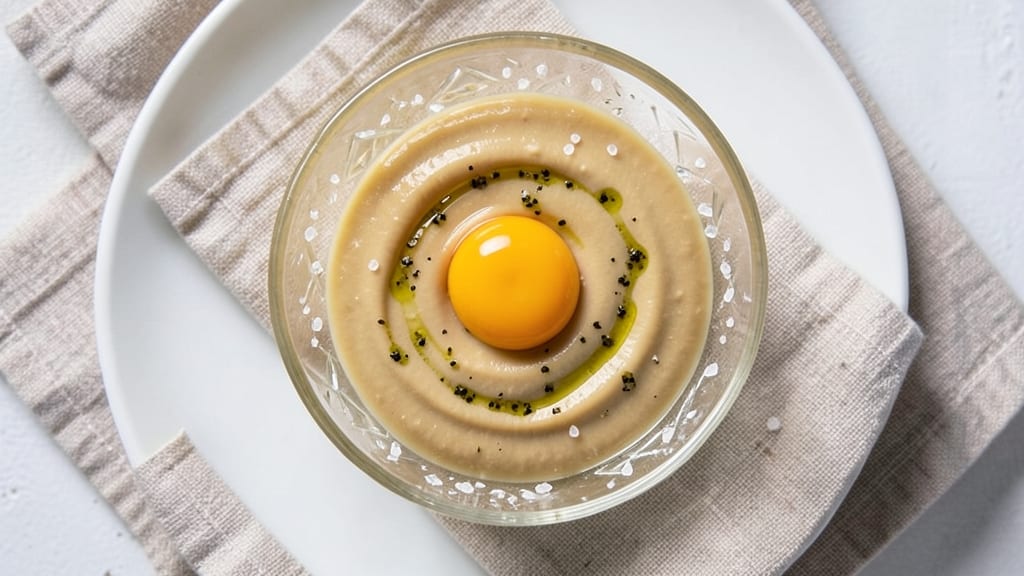
Creating a silky, stable mayonnaise with just one egg is simpler than you think—and this recipe delivers restaurant-quality results every time. The secret lies in precise ratios and slow emulsification, which prevents that dreaded dry, broken texture that plagues many homemade attempts.
I’ve perfected this method through years of testing, ensuring a creamy, velvety sauce that clings perfectly to sandwiches, salads, or seafood.
This one-egg mayonnaise relies on a foolproof technique where the egg yolk acts as the emulsifier, binding oil and acid into a smooth, glossy sauce. The key is adding oil gradually while whisking vigorously, allowing the emulsion to form without breaking.
A splash of Dijon mustard adds stability, while lemon juice or vinegar provides the necessary acidity to balance the richness.
What you’ll end up with is a luxuriously smooth mayonnaise—rich, tangy, and perfectly balanced—without any dry edges or grainy texture. The emulsion stays stable for days in the fridge, making it ideal for meal prep or batch cooking.
Whether you’re dressing a classic tuna salad or drizzling it over grilled fish, this sauce elevates every dish.
The beauty of this recipe is its versatility and simplicity. Use it as a base for aioli, a spread for sandwiches, or a finishing touch for roasted vegetables. With just a few pantry staples and a steady hand, you’ll master the art of one-egg mayonnaise—no fancy equipment required.
Ingredients for one egg mayonnaise
Just seven ingredients, one steady hand, and you’ll have velvety mayonnaise better than jarred.
| Ingredient | Amount | Notes |
|---|---|---|
| Large Egg Yolk 🥚 | 1 whole | Fresh, room temperature |
| Extra-Virgin Olive Oil 🫒 | 1 cup | Light, fruity, cold-pressed |
| Dijon Mustard 🌿 | 1 tsp | High-quality, smooth texture |
| Fresh Lemon Juice 🍋 | 1 tbsp | Bright, freshly squeezed |
| White Wine Vinegar 🍷 | ½ tsp | Dry, crisp, high acidity |
| Diamond Crystal Kosher Salt 🧂 | ¼ tsp | Fine grain, pure flavor |
| Freshly Ground Black Pepper 🌶️ | ⅛ tsp | Coarse grind preferred |
The egg yolk is your emulsifier—freshness matters here. Grab one from the middle of the carton (not the oldest) and let it sit at room temperature for 10 minutes before using. For olive oil, Trader Joe's or Whole Foods carry excellent light varieties—avoid anything labeled 'light' that tastes flat. The Dijon mustard should be smooth, not grainy; Maille or Colman's are my go-tos. Lemon juice? Freshly squeezed is non-negotiable—bottled juice lacks the brightness and acidity needed for stability. Pro tip: Use a microplane to zest the lemon first, then juice it—you’ll get more flavor without extra moisture.
No Dijon? Yellow mustard at half the amount works in a pinch, but the flavor won’t be as refined. Short on lemon juice? White wine vinegar or apple cider vinegar can substitute, but reduce to 0.25 tbsp—vinegar’s acidity is stronger. Olive oil too expensive? Avocado oil has a higher smoke point and similar neutral flavor, but it won’t have that fruity depth. For a tangier mayo, add an extra 0.5 tsp of lemon juice. And if your emulsion breaks? Stay calm—just whisk in 1 tsp of hot water to reset it. It’s foolproof, I promise.
This mayo keeps like a dream—1 week in the fridge sealed in a clean jar with a thin layer of oil on top to preserve freshness. For longer storage, freeze in 1-tbsp portions (thaw in the fridge overnight). The texture might separate slightly after freezing, but a quick whisk brings it back to perfection. Double the batch and store half in the freezer—you’ll thank me when you’re prepping lunches for the week. And if it ever curdles? Toss it. Better to start fresh than risk spoilage.
Why You'll Love This Recipe
- No Whisk Required: I’ll admit—this mayo is the first one I’ve made that doesn’t leave my arm screaming. Just a fork, a bowl, and slow drizzles of olive oil while whisking the yolk. No electric mixer, no stress.
- Bright & Tangy: That lemon juice and white wine vinegar cut through the richness like a cool breeze. Honestly, it’s the only mayo I’ll use on summer salads—it’s fresh, not heavy, and the Dijon mustard adds just enough kick.
- Sandwich Hero: Between us, this is my go-to for burgers, BLTs, and even a quick tuna salad. It’s stable enough to make ahead (yes, even on a Tuesday night) and won’t break when you pile on the pickles and tomatoes.
- Budget Magic: One egg, a splash of oil, and pantry staples? This is the mayo that actually saves money. I make a big batch, store it in the fridge, and forget about buying store-bought ever again. No regrets.
Step-by-step instructions for one egg mayonnaise
Here's how to create a velvety emulsion with no dry edges or broken texture—every time.
Whisk the Egg Yolk and Acid Base
Place the 1 whole Large Egg Yolk in a heatproof bowl that fits snugly over a saucepan of barely simmering water. This gentle warmth helps stabilize the emulsion without cooking the yolk. Add the 1 tsp Dijon Mustard, 1 tbsp Fresh Lemon Juice, and 0.5 tsp White Wine Vinegar to the yolk and whisk vigorously for 30 seconds until the mixture thickens slightly and turns pale yellow.
The mustard acts as an emulsifier, while the acid components (lemon juice and vinegar) help break down the oil molecules for a smoother blend. Here's the thing—don't rush this step. You're building the foundation for a stable emulsion, and proper incorporation now prevents curdling later. The mixture should look like a thick custard when ready.
Gradually Incorporate the Olive Oil
Remove the bowl from the heat source and let the yolk mixture cool slightly for 1 minute. Then, with the whisk moving continuously, begin adding the 1 cup Extra-Virgin Olive Oil in a very slow, thin stream. I use a squeeze bottle for precision—this lets you control the flow while maintaining steady whisking. Add the oil over 2-3 minutes, keeping the whisk moving in small circles to incorporate air and prevent separation.
This gradual addition is critical. The oil must be absorbed slowly to create tiny, stable droplets suspended in the yolk. If you pour too quickly, the emulsion will break and you'll end up with a greasy mess. Watch for the mixture to thicken and become pale, almost opaque. When it reaches a mayonnaise-like consistency, you're on the right track.
Season and Stabilize the Emulsion
Once all the oil is incorporated, add the 0.25 tsp Diamond Crystal Kosher Salt and 0.125 tsp Freshly Ground Black Pepper. Whisk for an additional 30 seconds to fully distribute the seasoning. The salt enhances flavor while helping to stabilize the emulsion, and the pepper adds a subtle heat that balances the richness.
If the mayonnaise looks slightly thick but still holds together when you lift the whisk, it's ready. For a smoother texture, you can press the mixture through a fine-mesh sieve to remove any lumps. This is the moment that matters: your emulsion should be glossy, thick, and completely stable with no sign of separation. If it's too thick, add 1 teaspoon water at a time until you reach your desired consistency.
Troubleshooting and Perfecting
If the mayonnaise breaks during the process, don't panic. It happens to everyone. Place the bowl back over the barely simmering water (not boiling) and add 1 tsp Dijon Mustard to help re-emulsify. Whisk vigorously for 1-2 minutes—the gentle heat and emulsifier will usually bring it back together. If it's still broken, start over with a fresh yolk and a smaller amount of oil.
For best results, use this mayonnaise immediately. It's most stable right after preparation. If you need to store it, transfer to an airtight container and refrigerate for up to 5 days. Give it a good stir before using, as it may separate slightly over time. The key to success here is patience and precision—rushing leads to broken emulsions, while careful technique delivers a silky, restaurant-quality result every time.
Pro Tips For Making One Egg Mayonnaise
- Warm the Yolk First: That barely simmering water bath isn’t just for show—it softens the yolk’s proteins so they emulsify better. Skip it, and you’ll fight separation the whole time. Let the bowl hover over the water for the full 30 seconds of whisking, even if it feels slow.
- Squeeze, Don’t Pour: Dumping oil from a measuring cup is how mayo breaks. Use a squeeze bottle or slow, steady stream from the cup’s spout—think of it like drizzling honey, not chugging water. The oil needs time to marry with the yolk, not overwhelm it.
- Lemon Juice Must Be Fresh: Bottled lemon juice has additives that gum up the emulsion. Squeeze your own and strain out pulp—even a tiny bit can make your mayo grainy. If you’re using store-bought, at least go for the brightest, cloudy kind (no preservatives).
- Salt Before It Thickens: Add the kosher salt while you’re whisking in the oil, not after. The salt helps the emulsion cling together as it builds, so you’re not scrambling to fix a broken batch later. Think of it like insurance for your mayo.
Perfect pairings for this one egg mayonnaise
Classic Sandwich Spread
This mayo shines as the star of a perfect BLT—where its creamy texture binds crispy bacon, fresh lettuce, and ripe tomato slices. I like to add a pinch of smoked paprika to the mayo before spreading it on sourdough toast for a subtle smoky depth.
For a Reuben sandwich, mix with a little thousand island dressing and pile on corned beef, sauerkraut, and Swiss cheese. The emulsion’s stability means it won’t leak or separate, keeping every bite cohesive. 🥪
Seafood Elevator
Drizzle this mayo over grilled salmon or seared scallops for an instant restaurant-worthy finish. I love adding 1 tsp capers and ½ tsp lemon zest to the emulsion for a briny, citrusy kick that complements seafood perfectly.
For fried shrimp, toss them in a mix of this mayo, hot sauce, and chopped chives—the result is crispy, tangy, and irresistibly creamy. The light olive oil base also pairs beautifully with delicate fish flavors. 🦞
Veggie Dip Perfection
Transform this mayo into a creamy veggie dip by mixing in 2 tbsp chopped dill, 1 tsp garlic powder, and ½ tsp onion powder. Serve it with carrot sticks, cucumber slices, or pita chips for a refreshing, protein-packed snack.
For a ranch-style twist, stir in 1 tbsp buttermilk and ½ tsp dried dill—the acidity cuts through the richness beautifully. The stable emulsion ensures it won’t curdle, even when mixed with fresh herbs. 🥕
Salad Upgrade
Toss your favorite greens—like arugula or mixed baby greens—with this mayo for a luxurious salad dressing. I recommend adding 1 tbsp chopped walnuts, ½ tsp honey, and a squeeze of extra lemon juice for a sweet-savory balance.
It’s especially delicious with grilled chicken, avocado slices, or roasted beets. The mayo’s velvety texture coats every bite, making even simple salads feel gourmet. 🥗
Breakfast Boost
Use this mayo as a dipping sauce for pancakes or waffles, especially when paired with maple syrup and fresh berries.
For a loaded breakfast sandwich, spread it on an English muffin, top with a fried egg, crispy bacon, and cheddar cheese, then toast until golden. The emulsion’s stability means it won’t turn greasy, even when heated. It’s a game-changer for weekend brunches. 🍳
Global Flavors
Take your mayo global with these twists: For Japanese-inspired aioli, blend in 1 tsp wasabi paste and 1 tsp soy sauce. For a Mediterranean touch, mix in 1 tsp za’atar and ½ tsp sumac.
Even a spicy Sriracha mayo works—just stir in ½ tsp Sriracha and 1 tsp honey. The key is adjusting the acidity (lemon or vinegar) to balance bold flavors without breaking the emulsion. 🌍
Nutrition facts
Frequently asked questions
Why does this recipe use only one egg yolk?
The single egg yolk creates a perfectly balanced emulsion without overpowering the flavors. The Dijon mustard and acids (lemon juice/vinegar) act as stabilizers, allowing the yolk to bind the oil effectively. This ratio also prevents a heavy, overly rich texture while maintaining that signature creamy mouthfeel.
Can I substitute any of the ingredients?
Yes, but with adjustments: Use yellow mustard (½ tsp) if no Dijon is available, or swap lemon juice for apple cider vinegar (reduce to ½ tbsp). For oil, avocado oil works neutrally, but extra-virgin olive oil adds fruity depth. The acid-to-oil ratio must stay balanced to avoid breaking the emulsion.
What if my mayonnaise separates?
Don’t toss it! Place the bowl over barely simmering water (not boiling) and whisk in 1 tsp Dijon mustard while stirring continuously for 1-2 minutes. The heat and emulsifier will usually re-stabilize it. If it’s still broken, start fresh with a new yolk and add oil drop by drop this time.
How do I adjust the flavor for different dishes?
For tangier mayo, add ½ tsp extra lemon juice. For herb-infused, mix in 1 tbsp chopped dill or chives. To make it spicy, stir in ½ tsp hot sauce. Always adjust acidity first—too much can break the emulsion. The key is balancing flavors while maintaining the oil-to-yolk ratio.
Can I make this mayo ahead of time?
Yes! Store it in an airtight container with a thin layer of oil on top to preserve freshness. It keeps for 1 week in the fridge or 1 month frozen in 1-tbsp portions. Thaw overnight in the fridge—never at room temperature—to prevent bacterial growth. Stir well before using, as separation may occur.