
Side Dishes
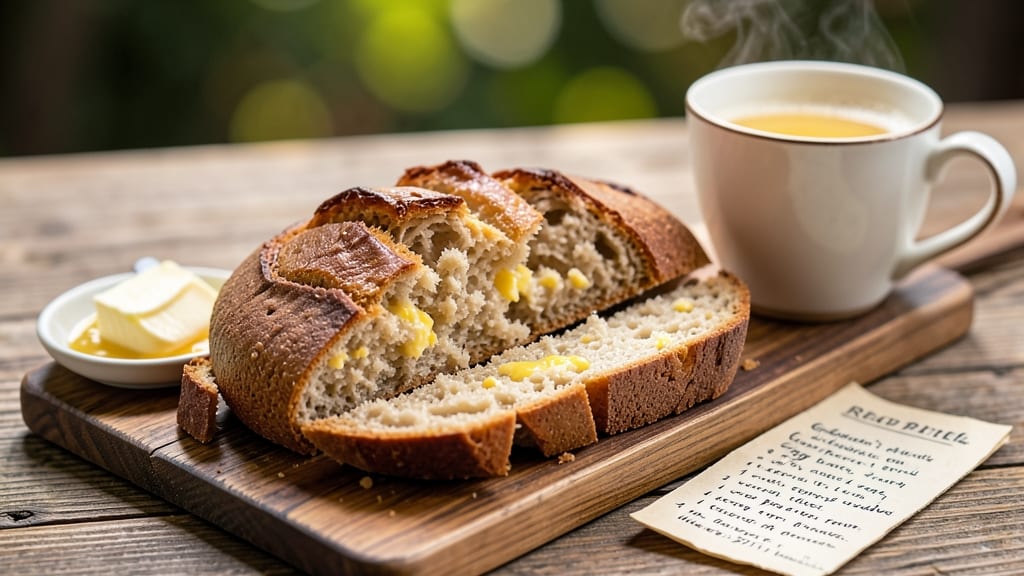
This old-fashioned egg bread recipe brings back the golden era of buttery, layered bread with a crispy top—just like the kind Mrs. Henderson used to serve at Sunday dinner in Cincinnati. 🌟 The secret lies in the enriched dough, where eggs and butter create that signature tender crumb, while a steam bath ensures a perfectly domed crust that cracks just enough to reveal fluffy layers beneath.
The recipe balances tradition with modern convenience, using a foolproof mixer method that still delivers restaurant-quality results. You'll work with simple ingredients—flour, eggs, butter, and a touch of sugar—but the technique matters most.
A warm water bath during baking creates that iconic crust, while an egg wash adds shine and structure. It's the kind of bread that transforms from humble dough to a showstopping centerpiece in just 45 minutes of active time.
What you'll end up with is a loaf of bread so good it disappears faster than toast at breakfast. The layers stay tender for days, perfect for slicing thick for French toast or serving warm with butter.
The crust holds its shape when cut, revealing those signature pockets of airy, buttery goodness that make this bread a classic. This is comfort food at its finest—simple enough for weeknights but impressive enough for company.
Once baked, let it cool just enough to slice, then serve immediately or store wrapped at room temperature. The flavor only deepens over time, making it ideal for meal prep or gifting.
For extra indulgence, brush the warm loaf with melted butter and a sprinkle of sugar—trust me, you'll want seconds.
Ingredients for old fashioned egg bread
Simple ingredients, golden techniques—just like Mrs. Henderson made it in Cincinnati.
| Ingredient | Amount | Notes |
|---|---|---|
| All-Purpose Flour 🌾 | 4 cups | Sifted for light texture |
| Unsalted Butter 🧈 | ¾ cup | Cold, cubed for dough |
| Large Eggs 🥚 | 4 whole | Room temperature preferred |
| Granulated Sugar 🍚 | ¼ cup | Light brown sugar works too |
| Active Dry Yeast 🍞 | 2 ¼ tsp | Fresh yeast at half amount |
| Warm Milk 🥛 | 1 cup | 110°F for yeast activation |
| Salt 🧂 | 1 tsp | Kosher or sea salt |
| Vanilla Extract 🌸 | 1 tsp | Pure extract preferred |
| Water 💧 | ½ cup | For steam bath |
| Large Egg 🥚 | 1 whole | For egg wash |
| Granulated Sugar 🍚 | 1 tbsp | For egg wash topping |
The yeast is non-negotiable for that classic rise. Bob's Red Mill or Saf-Instant work best—avoid the cheap store brands that smell like dust. Store it in the freezer to keep it fresh longer. The butter should be cold when you start; if it's too soft, chill it for 20 minutes. For the milk, warm it to 110°F so the yeast activates properly—too hot and you kill it, too cold and it won't wake up. If you're short on time, instant yeast—just sprinkle it on top of the flour. The vanilla extract should be pure, not imitation; Goya or McCormick are reliable brands.
No vanilla extract? 1 tsp vanilla sugar works in a pinch, or a pinch of ground cinnamon for warmth. Short on butter? Vegetable shortening keeps the same structure, though it won't taste as rich. The egg wash is key for that golden crust—don't skip it. For the steam bath, use a baking sheet in the lower oven rack filled with boiling water. If your bread collapses, it might be underproofed; let it rise 10-15 minutes longer. The sugar in the egg wash caramelizes beautifully, so don't be shy with it—just sprinkle it evenly over the top before baking.
This bread keeps best at room temperature, wrapped in a clean kitchen towel for 2-3 days. For longer storage, slice and freeze the pieces—3 months in a sealed bag. Reheat slices in a 350°F oven for 5 minutes to revive the crust. The flavor actually improves overnight, so make extra. If you're gifting, wrap the warm loaf in foil and tie with twine—it's a showstopper. Leftovers? Toss them in the toaster for crispy French toast the next morning.
Why You'll Love This Recipe
- No Yeast Hassle: I swear by this recipe because it skips the finicky yeast step—just mix, proof, and bake. The eggs and butter do all the heavy lifting, giving you fluffy bread without waiting for yeast to bloom or worrying about overproofing.
- Buttery Sweet Magic: That sugar-butter combo? It’s like a hug for your taste buds. The crust stays tender, the crumb is light, and the flavor lingers—honestly, I’ve caught myself sneaking slices straight from the pan when no one’s looking.
- Breakfast or Snack: Between us, this bread is my go-to for both. Toast it with jam for a lazy morning or serve warm with butter for a quick snack—no rules, just satisfaction. (Yes, even on a Tuesday night.)
- Budget-Friendly Staples: Flour, butter, eggs, sugar—these are pantry basics that won’t break the bank. A single batch stretches for days, and the leftovers freeze like a dream. I’ve fed a crowd for under $10 with this recipe.
Step-by-step instructions for old fashioned egg bread
Here's how to create tender layers with a golden crust using classic techniques.
👨🍳 Step 1: Activate the Yeast and Mix the Dough
In a small bowl, combine the 1 cup warm milk (110°F) with the 2.25 tsp active dry yeast and let sit for 5-10 minutes until frothy. This proves the yeast is active and ready to work.
In a large mixing bowl, whisk together the 4 cups all-purpose flour, 0.25 cup granulated sugar, and 1 tsp salt. Make a well in the center and add the yeast-milk mixture, 4 whole large eggs, and 1 tsp vanilla extract. Mix until just combined, then gradually add the 0.75 cup cold cubed unsalted butter one piece at a time, working it into the dough until it pulls away from the bowl.
Turn the dough onto a lightly floured surface and knead for 8-10 minutes until smooth and elastic. The dough should be slightly tacky but not sticky. Here's the thing—don't overwork it, or you'll develop too much gluten and lose that tender texture we're after.
🥘 Step 2: Shape and Layer the Dough
Divide the dough into three equal portions and roll each into a 12-inch circle about ¼-inch thick. For even thickness, I press gently with my palms while rolling. Place one circle in a greased 9x13-inch baking dish.
Beat one of the remaining egg yolks with the 1 tbsp granulated sugar until slightly thickened. Brush this mixture over the first dough layer. Repeat with the second dough circle, brushing it with the remaining egg mixture, then top with the final dough circle. Brush the top layer with the last of the egg wash.
Cover the baking dish with a clean kitchen towel and let rise in a warm place for 1-1.5 hours until the dough has nearly doubled in size. You'll know it's ready when the top feels springy to the touch and has puffed noticeably above the dish edges.
🔥 Step 3: Create the Steam Bath and Bake
Preheat your oven to 375°F. Place a baking sheet on the lower rack to catch any drips. Pour the 0.5 cup water into a small oven-safe dish and place it on the middle rack below the baking dish.
Bake the egg bread for 40-45 minutes until the top is deep golden brown and a toothpick inserted comes out clean. The edges should pull away slightly from the pan, and you'll notice a beautiful caramelized crust forming. Real talk: don't open the oven door during the first 30 minutes—the steam is what creates those perfect layers.
For extra browning, broil for 1-2 minutes at the end, watching closely to prevent burning. Let the bread cool in the pan for 10 minutes before inverting onto a wire rack to cool completely. This resting period ensures clean slices without crumbling.
🍽️ Step 4: Serve Warm for Best Results
Slice the egg bread into squares or rectangles while still warm for the most tender texture. The layers should separate cleanly, revealing fluffy, buttery strata with a crisp top crust. Serve immediately with butter or jam for that classic old-fashioned experience.
This bread keeps well at room temperature for 2 days wrapped in plastic, or you can freeze slices for up to 3 months. To reheat, wrap slices in foil and warm in a 350°F oven for 5-7 minutes until heated through. The key is maintaining that perfect balance between tender layers and crispy top—every slice should deliver both textures in harmony.
Pro Tips For Making Old Fashioned Egg Bread
- Measure Butter Cold: Scoop that unsalted butter straight from the fridge—no softening needed. Old-fashioned egg bread relies on butter’s fat for flaky layers, and cold cubes melt slower in the dough, giving you that tender crumb instead of greasy patches. (Yes, even if you’re impatient like me.)
- Bloom Yeast in Warm Milk: Skip the dry yeast shortcut—mix it with a splash of warm (not hot) milk first. This activates it faster, so your dough rises smoother and doubles in size more reliably. I learned this the hard way after kneading a sluggish batch that took forever to proof.
- Don’t Overmix the Dough: Stir just until the flour disappears—no need to punch or knead like sourdough. Overworking the gluten tightens the crumb, and this bread’s magic comes from its soft, cake-like texture. (Your arms will thank you too.)
- Bake Until Internal Temp Hits 205°F: That golden-brown crust isn’t the real test—use a thermometer to check the center. Old-fashioned egg bread needs to hit 205°F for the eggs to fully set and the crumb to stay moist. I used to pull it out too soon, and it’d dry out overnight.
Serving suggestions for this dish
Classic Breakfast Pairings
This egg bread is a breakfast showstopper when served with butter straight from the fridge—its cool richness contrasts perfectly with the warm, buttery layers. I like to melt European-style butter like Plugrá or Kerrygold and brush it generously over slices while still warm.
For a sweet touch, pair with strawberry jam or blackberry preserves from local farmers markets—Portland's New Seasons Market has fantastic small-batch options. 🍓
French Toast Transformation
Turn leftover slices into French toast—this is my go-to weekend treat. Dip thick slices in a mixture of 2 eggs, ¼ cup milk, and 1 tsp vanilla extract, then cook in butter or olive oil over medium heat until golden.
Top with powdered sugar and fresh berries for a restaurant-worthy dish. The layers soak up the custard beautifully, creating a melt-in-your-mouth texture.
Afternoon Tea Elevation
For an elegant afternoon tea, serve finger-sized squares of egg bread with clotted cream and raspberry jam—a nod to British tea traditions. The buttery layers hold up perfectly to the cream's richness.
I also love adding sliced apples with a sprinkle of cinnamon for a warm, spiced contrast. This combo feels special enough for guests but simple enough for weekdays. ☕
Dessert Reinvention
Don't let the bread's savory roots limit its potential—it's fantastic for dessert! Brush warm slices with melted chocolate and peanut butter, then chill until set for a no-bake treat. Or, layer with whipped cream and fresh fruit for a deconstructed trifle.
The crispy top adds texture that keeps dessert interesting. My daughter Lily calls it "bread cake," and honestly? I don't blame her. 🍫
Beverage Pairings
Morning coffee lovers will adore this bread with a strong black coffee or chicory blend—the bitterness cuts through the richness. For a cozy afternoon, pair with chai tea or hot apple cider in fall.
If you're feeling fancy, a glass of sparkling apple cider (like Woodchuck Hard Cider) adds a festive touch. The effervescence cleanses your palate between buttery bites. 🍎
Make-Ahead Serving Hacks
Pre-slice the bread and store in an airtight container at room temperature for up to 2 days. When ready to serve, briefly warm slices in a 350°F oven for 3-5 minutes to revive the crust.
For parties, arrange slices on a wooden board with butter knives and small bowls of jam or honey. The golden crust looks stunning when presented this way, and guests will be reaching for seconds. 💛
Nutrition facts
Frequently asked questions
Why does this egg bread need the steam bath during baking?
The steam bath creates those signature layers and a perfectly domed crust. The 0.5 cup water in the oven turns to steam, which softens the gluten and encourages even expansion. Without it, your bread will have a tougher crust and less fluffy interior. Trust me—this step is what separates homemade from restaurant-quality results!
Can I skip the egg wash if I'm short on time?
While you can technically skip it, the egg wash is what gives your bread that beautiful golden-brown finish and extra shine. If you're in a rush, brush the top with melted butter instead—it'll still add richness, though the crust won't be quite as crisp. For best results, don't skip it!
How do I know if my dough is over-kneaded?
Over-kneaded dough becomes tough and elastic, almost like playdough. If your dough springs back when you poke it with your finger or feels rubbery to the touch, you've gone too far. Stop kneading when it's smooth but still slightly tacky—this ensures that tender texture we're after.
Can I make this bread in a loaf pan instead of a 9x13-inch dish?
While the layered technique works best in a 9x13-inch dish, you can adapt it to a loaf pan. Just roll the dough into a 1-inch thick rectangle instead of circles and layer it accordingly. The baking time may increase by 5-10 minutes, so keep an eye on it.