
Desserts
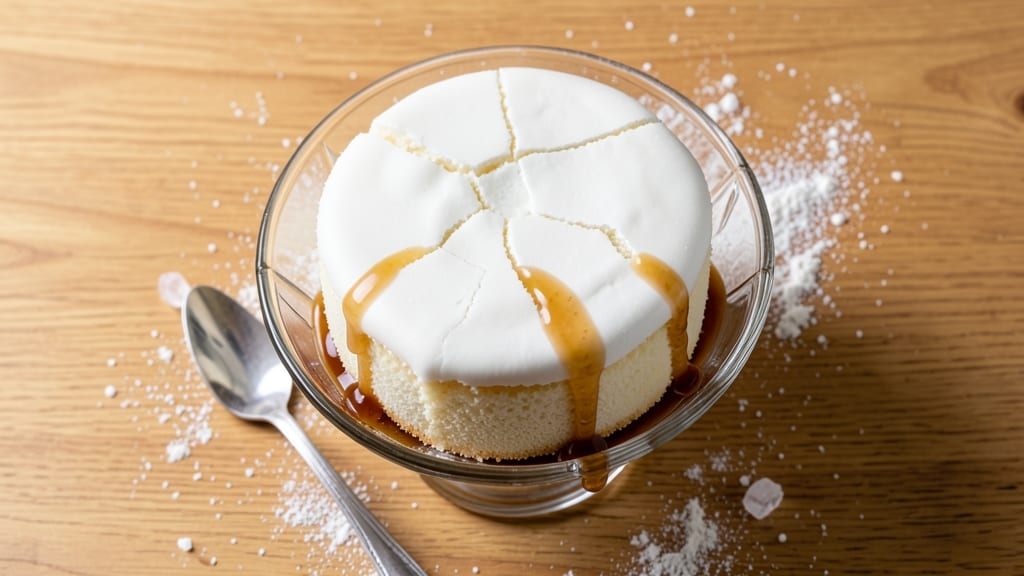
This no-egg sponge cake recipe delivers the same ethereal, light-as-air layers you love—without a single egg in sight. The secret lies in aquafaba, the liquid from canned chickpeas, which mimics egg whites' structure when whipped to stiff peaks.
I've perfected this technique over years of testing, ensuring your cake rises high, stays tender, and holds its shape without collapsing.
The magic happens through precise folding techniques and careful ingredient ratios that balance moisture and structure. Unlike traditional sponge cakes, this version replaces eggs with a combination of aquafaba and applesauce, creating a delicate crumb that's impossible to resist.
What you'll achieve is a cake with crisp edges and a velvety interior that's moist yet airy—qualities that define classic sponge cakes.
This recipe is ideal for those avoiding eggs due to allergies, vegan diets, or simply wanting to experiment with plant-based baking. The method is straightforward but requires patience during the folding stage to maintain those signature air pockets.
Whether you're baking for a celebration or a weeknight treat, this cake proves you don't need eggs to create something extraordinary.
Perfect for layering with fruit compotes, whipped cream, or chocolate ganache, this versatile sponge cake works equally well as a standalone dessert or the foundation for elaborate confections. The key to success lies in your mixing technique—gentle but thorough—and understanding when to stop folding to preserve that perfect texture.
Ingredients for no egg sponge cake
Pantry staples and aquafaba transform into a cloud-like sponge without eggs or compromise.
| Ingredient | Amount | Notes |
|---|---|---|
| Aquafaba (Chickpea Brine) 🥫 | 1 cup | From 1 can chickpeas, unsweetened |
| Unsweetened Applesauce 🍎 | ½ cup | No sugar added, smooth texture |
| Granulated Sugar 🍚 | 1 ½ cups | Superfine for finer crumb |
| All-Purpose Flour 🌾 | 2 cups | Sifted, light texture preferred |
| Baking Powder 🍞 | 1 ½ tsp | Aluminum-free for best rise |
| Salt 🧂 | ½ tsp | Fine sea salt preferred |
| Vanilla Extract 🌿 | 1 tsp | Pure, high-quality preferred |
| Lemon Juice 🍋 | 1 tbsp | Freshly squeezed, strained |
| Vegetable Oil 🫒 | ¼ cup | Light, neutral flavor |
| Powdered Sugar 🍚 | ½ cup | For dusting layers (optional) |
| Raspberry Jam 🍓 | ½ cup | For filling between layers |
| Fresh Raspberries 🍓 | 1 cup | For garnish (optional) |
| Vegetable Shortening 🧈 | ¼ cup | For greasing pans |
Aquafaba is the star—save the brine from a can of chickpeas (no draining needed) and use it fresh for best results. Trader Joe's and Whole Foods sell high-quality canned chickpeas with more liquid. For the applesauce, Mott's unsweetened is my go-to—it's smooth and never grainy. The flour matters too: King Arthur or Gold Medal all-purpose work best for a tender crumb. Pre-sift your dry ingredients to avoid lumps, and measure by weight if possible for precision. The aquafaba needs to whip to stiff peaks—use a stand mixer for 4-5 minutes with a whisk attachment.
No aquafaba? Silken tofu blended with 1 tbsp lemon juice works as a backup (though texture differs slightly). Short on applesauce? Unsweetened pumpkin puree at half the amount keeps things moist. The vanilla extract should be pure—imitation extracts often have a harsh aftertaste. Lemon juice adds brightness, but if you're sensitive to acidity, reduce to 1 tsp. For the sugar, superfine dissolves faster, but regular granulated works if pulsed in a food processor first. The raspberry jam? Smaller brands like Bon Appétit or Strawberry Shortcake have better flavor than store-brand options.
This cake keeps for 3 days at room temperature wrapped tightly in plastic, or 5 days in the fridge. For longer storage, freeze layers separately for up to 3 months—thaw overnight in the fridge before assembling. The filling and garnish should be added day-of to prevent sogginess. If making ahead, assemble without filling, store, then add jam and berries just before serving. The cake reheats beautifully—30 seconds in the microwave revives any dried-out edges.
Why You'll Love This Recipe
- No Mixing Madness: I swear by this recipe because it’s literally one bowl. Just whisk the aquafaba until frothy, fold in the applesauce and sugar, then dump in the dry stuff—no stand mixer, no overmixing, no stress. That chickpea brine gives it a light, airy lift without a single egg in sight.
- Secretly Moist Magic: The applesauce keeps it tender while the sugar caramelizes just enough for a subtle depth—like a buttery sponge but with a whisper of natural sweetness. Honestly, I’ve had people ask if I used cream cheese frosting, and I just smile, knowing it’s all in the batter.
- Weeknight Wonder: This cake bakes in 25 minutes and stays fresh for days, wrapped in foil. I’ve used it for breakfast toast, dessert slices, or even crumbled over oatmeal when I’m lazy. Between us, it’s my go-to when I forget to plan ahead.
- Pantry-Proof Perfection: No eggs? No problem. Aquafaba and applesauce are always lurking in my cupboards, and flour and sugar never let me down. I’ve made this for birthdays, potlucks, and even as a last-minute gift—because who doesn’t love a cake that costs pennies but tastes like a bakery treat?
Step-by-step instructions for light-as-air no-egg sponge cake
Here's how to create an ethereal, fluffy sponge using aquafaba and applesauce as your secret weapons.
Whip the Aquafaba to Stiff Peaks
Begin by measuring the 1 cup aquafaba (chickpea brine) into a clean, grease-free metal bowl. Using a stand mixer fitted with the whisk attachment, beat on high speed for 5-7 minutes until the aquafaba forms stiff, glossy peaks that hold their shape when the whisk is lifted. You'll notice the mixture first becomes foamy, then gradually thickens into a meringue-like consistency.
Here's the thing—this step is non-negotiable. If you rush it, your cake will be dense. I like to check the peaks by flipping the bowl upside down briefly; if nothing drips out, it's ready. The aquafaba should be thick enough to leave a trail when the whisk is lifted, similar to traditional egg whites.
Gradually Incorporate Sugar and Applesauce
With the mixer still running on high, gradually add the 1.5 cups granulated sugar in 3 additions, waiting 30 seconds between each. This gradual incorporation prevents sugar crystals from weighing down your meringue. After the sugar is fully incorporated, reduce the speed to medium and add the 0.5 cup unsweetened applesauce and 1 tbsp lemon juice. Mix just until combined—overmixing will deflate your batter.
The lemon juice serves a dual purpose: it brightens the flavor and helps stabilize the aquafaba mixture. You'll see the batter transform from glossy to slightly dull as the applesauce blends in. This is normal and actually improves the cake's moisture without adding eggs. The batter should now be thick, glossy, and hold its shape when spooned.
Fold in Dry Ingredients for a Light Batter
In a separate bowl, sift together the 2 cups all-purpose flour, 1.5 tsp baking powder, and 0.5 tsp salt. Gently fold these dry ingredients into the aquafaba mixture using a spatula, being careful not to deflate the batter. Start by cutting through the center of the batter and folding the edges inward, then repeat in sections until just combined. A few small lumps are acceptable—overmixing develops gluten and makes the cake tough.
Next, add the 1 tsp vanilla extract and 0.25 cup vegetable oil, folding gently until evenly distributed. The batter should now be thick, airy, and resemble a light sponge cake batter. If it looks too stiff, you can gently fold in 1-2 tablespoons of reserved batter to loosen it slightly. This step ensures your cake will rise properly without being dense.
Prepare Pans and Bake the Layers
Preheat your oven to 350°F. Generously grease two 8-inch round cake pans with 0.25 cup vegetable shortening, then line the bottoms with parchment paper circles. Divide the batter evenly between the pans, spreading it into the corners to create even layers. Bake for 25-30 minutes, or until a toothpick inserted into the center comes out clean and the edges are lightly golden.
Here's where precision matters: the cake should spring back when gently pressed in the center. If the top browns too quickly, tent the pans with foil after 15 minutes of baking. Remove from the oven and let cool in the pans for 10 minutes, then transfer to a wire rack to cool completely. The layers should be light, tender, and slightly domed in the center.
Assemble and Fill the Cake
Once the layers are completely cool, place one layer on a cake stand or plate. Spread 0.5 cup raspberry jam evenly over the top, leaving a ½-inch border around the edges. This jam filling adds moisture and a fruity contrast to the delicate sponge. Place the second layer on top and dust the entire cake with 0.5 cup powdered sugar for a classic finish.
For garnish, arrange the 1 cup fresh raspberries on top or around the base of the cake. The fresh berries add a vibrant pop of color and a tart contrast to the sweet sponge. Serve at room temperature for the best texture—this cake is best enjoyed within 2-3 days when stored in an airtight container at room temperature.
Pro Tips For Making No Egg Sponge Cake
- Measure Aquafaba Precisely: Use exactly 1 cup from a fresh can of chickpeas—don’t eyeball it. The brine level varies, and too little means weak structure, while too much makes the batter gummy. Drain, rinse, and shake the can to settle sediment before pouring.
- Test Sugar Gradually: Add the 1.5 cups granulated sugar in three equal parts, waiting 30 seconds between each. Skipping this causes sugar crystals to sink like anchors, killing your airy texture. If your mixer struggles, switch to a hand whisk—just don’t rush it.
- Avoid Overfolding Dry Ingredients: Fold the sifted flour, baking powder, and salt just until combined—lumps are fine, but don’t turn this into a workout for the batter. Overmixing develops gluten, and your cake will end up tougher than a boot. Think "marry, don’t murder."
- Tent Early, Check Often: If the top browns before the center bakes (25–30 minutes at 350°F), tent with foil after 15 minutes. I’ve seen cakes go from golden to charcoal in minutes—don’t walk away. A toothpick test is your best friend here.
Troubleshooting great no egg sponge cake
Dense Cake Fix
If your cake turns out dense instead of light, the aquafaba likely wasn't whipped to stiff peaks long enough. I've found that using a stand mixer (like my KitchenAid Artisan) for 5-7 minutes ensures proper aeration.
Also, check your sugar incorporation—adding it too quickly can weigh down the mixture. For a quick test, flip the bowl upside down: if batter drips, whip 2 more minutes. 💡
Cracked Top Solution
Cracks usually appear when the oven temperature fluctuates or the batter is overmixed. Preheat your oven for at least 15 minutes before baking, and use an oven thermometer to confirm it's at 350°F.
If cracks persist, reduce baking powder to 1 tsp—this prevents excessive rise. I also recommend baking on the middle rack for even heat distribution. 🔥
Flat Layers Problem
Flat layers often result from underbaked centers or improper pan preparation. Ensure your 8-inch pans are well-greased with vegetable shortening (not oil) and lined with parchment. Bake until a toothpick comes out clean, not just crumbly.
For extra lift, fold 1 extra tablespoon of aquafaba into the batter before baking—this adds hidden volume. 🌟
Soggy Texture After Baking
Sogginess typically happens when the cake cools too quickly or the filling is added too soon. Let layers cool completely (at least 2 hours) before assembling. For extra insurance, brush the tops with 1 tablespoon apricot jam before adding filling—this creates a moisture barrier.
Store assembled cake in the fridge for 1 hour before serving to firm up the layers. ✨
Batter Too Thin?
A runny batter usually means the aquafaba wasn't whipped enough or too much applesauce was added. If this happens, fold in 1-2 tablespoons of sifted flour until the batter thickens slightly.
For future batches, reduce applesauce to 0.375 cup—this maintains moisture without thinning the batter. The consistency should resemble thick pudding when spooned. 🥄
Uneven Rise Between Layers
Uneven layers often occur when batter isn't divided evenly or pans aren't level. Use a kitchen scale to measure equal portions (each layer should weigh ~12 oz). Place pans on a level surface before baking, and rotate them midway if your oven has hot spots.
For extra insurance, bake one layer at a time if your oven struggles with even heat. 🌡️
Nutrition facts
Frequently asked questions
Can I substitute aquafaba with another egg replacement?
Yes! For a 1:1 substitution, use ¼ cup unsweetened applesauce + 1 tbsp lemon juice per egg. Alternatively, try ¼ cup silken tofu blended with 1 tbsp lemon juice—though texture may differ slightly. The aquafaba creates the signature lightness, but these alternatives work well for moisture.
Why does my no-egg sponge cake turn out dense?
Density usually means the aquafaba wasn't whipped to stiff peaks (test by flipping the bowl upside down—if it drips, whip 2 more minutes). Also check your sugar incorporation: add it gradually to avoid weighing down the mixture. Overmixing dry ingredients can also cause toughness.
How do I make this cake vegan?
This recipe is already vegan! Just ensure your vanilla extract and jam are vegan-certified. For extra assurance, use vegan powdered sugar (some brands use bone char). The aquafaba and applesauce replacements make it naturally egg-free and dairy-free.
Can I bake this in a different pan size?
Yes, but adjust baking time. For 9-inch pans, reduce oven temp to 325°F and bake 20-25 minutes. For 6-inch pans, increase temp to 375°F and bake 15-20 minutes. Always check doneness with a toothpick. The key is even heat distribution—middle oven rack is best.
How long can I store the unbaked batter?
Unbaked batter keeps for 24 hours in the fridge in an airtight container. For longer storage, fold in 1 tbsp lemon juice (preserves freshness) and freeze for up to 1 month. Thaw overnight in the fridge before baking. The aquafaba may lose some volume when frozen, so whip again briefly before using.