
Desserts
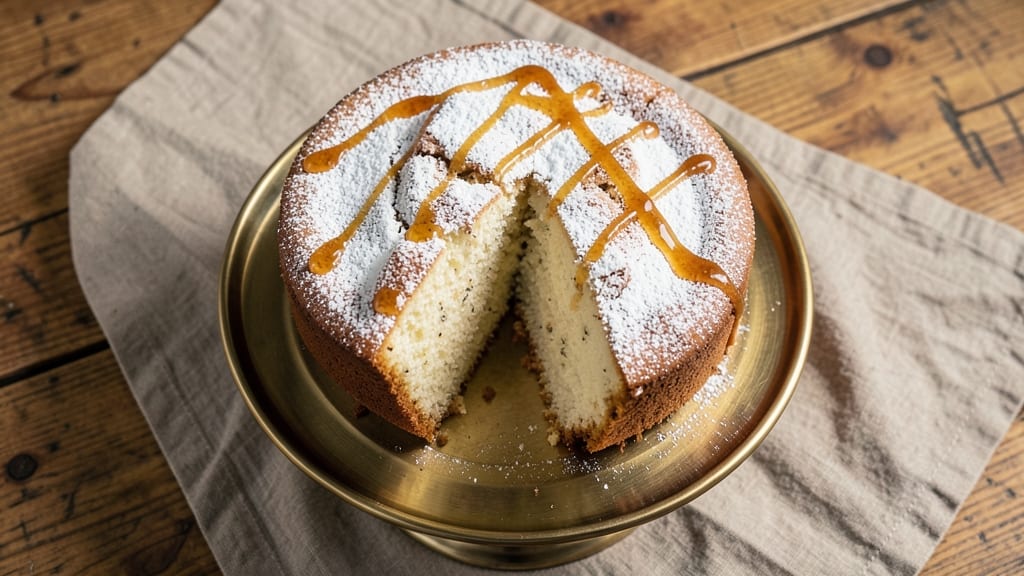
This no-egg pound cake recipe delivers the same moist, tender layers you love—without a single egg in sight. The secret lies in buttermilk's natural binding power and a precise mix of dry ingredients that create that classic pound cake crumb.
I developed this version after years of testing, ensuring it rises properly, stays dense, and holds its shape without cracking.
The magic happens in the mixing: combining buttermilk with melted butter creates a rich, creamy base that mimics egg's emulsifying properties. Flaxseed meal (or aquafaba for vegans) adds structure, while almond extract enhances the vanilla flavor without overpowering.
This recipe maintains the traditional pound cake texture—just lighter and more forgiving than traditional versions.
What you'll end up with is a golden-brown cake with moist, even layers that slice cleanly and taste like a bakery classic. The buttermilk keeps it tender, while the butter ensures richness. Perfect for birthdays, holidays, or whenever you crave a slice of nostalgia—without the eggs.
Bake it in a standard tube pan for easy serving, or layer it with fresh berries for a restaurant-worthy dessert. The recipe scales perfectly for gifts or gatherings, and leftovers stay fresh for days. Let's get baking!
Ingredients for no egg pound cake
Classic pound cake staples reimagined—moist layers without eggs, all thanks to buttermilk's magic.
| Ingredient | Amount | Notes |
|---|---|---|
| Unsalted Butter 🧈 | 1 cup | Cold, cut into 1-inch cubes |
| Buttermilk 🥛 | 1 cup | Room temperature, full-fat preferred |
| All-Purpose Flour 🌾 | 2 cups | Sifted, spooned and leveled |
| Granulated Sugar 🍚 | 1 ½ cups | Superfine preferred for even texture |
| Brown Sugar 🍚 | ½ cup | Packed, light variety |
| Flaxseed Meal 🌱 | 2 tbsp | Ground from whole flaxseeds |
| Vanilla Extract 🌿 | 1 tbsp | Pure, not imitation |
| Almond Extract 🌿 | ¼ tbsp | Pure, for depth of flavor |
| Baking Powder 🧂 | 2 tsp | Aluminum-free for stability |
| Baking Soda 🧂 | ½ tsp | Freshly opened |
| Salt 🧂 | ½ tsp | Diamond Crystal kosher |
| Vegetable Oil 🫒 | ¼ cup | Light, for tender crumb |
| Powdered Sugar 🍚 | ¼ cup | For dusting, optional |
The butter and buttermilk combination is non-negotiable for that signature pound cake texture. European-style unsalted butter from brands like Plugrá or Land O'Lakes delivers optimal flavor and fat content. For buttermilk, store-bought works, but homemade (milk + vinegar) ensures tangier results. The flaxseed meal acts as the egg substitute, so grind your own from whole seeds—pre-ground loses potency. Almond extract might be tricky to find, but Trader Joe's or specialty grocery stores carry it. If unavailable, increase vanilla extract to 1.5 tbsp instead.
No flaxseed meal? Aquafaba (chickpea brine) at 2 tbsp works as a vegan alternative—whisk until frothy before adding. Substituting buttermilk? Plain yogurt thinned with milk to same consistency mimics the acidity. For the sugars, turbinado sugar can replace 25% of granulated for subtle crunch. The baking powder must be fresh—test by dropping a spoonful in hot water; it should fizz vigorously. If your recipe calls for powdered sugar, sift it through a fine-mesh sieve to avoid lumps when dusting.
Store baked layers wrapped tightly in plastic wrap at room temperature for 3 days, or refrigerate for up to 1 week. For longer storage, freeze layers individually wrapped in parchment for 3 months. To maintain moisture, place a slice of bread in the container with the cake. Reheat slices in a 200°F oven for 5 minutes to restore freshness. This cake's structure holds beautifully when reheated, making it ideal for make-ahead desserts.
Why You'll Love This Recipe
- No Fuss Mixing: I swear by the flaxseed gel trick—just stir, wait 10 minutes, and you’ve replaced eggs without the mess. The batter comes together in under 15 minutes of actual hands-on time, and that creaming step with cold butter and sugars? Pure magic for tender layers.
- Velvet Crumb Magic: That combo of buttermilk, vegetable oil, and brown sugar keeps it moist for days. The almond extract adds this subtle depth that makes it taste like a bakery cake, not a shortcut. Honestly, my kids don’t even ask if it’s homemade—they just keep reaching for seconds.
- Weeknight Workhorse: Bake it as a loaf for breakfast pastries or layer it with jam for brunch. The 3-day room temp storage means I can make it Sunday and still have perfect slices for Monday meetings. (Yes, even on a Tuesday night.)
- Budget-Friendly Luxury: Uses pantry staples you already own—no specialty ingredients, no egg substitutes costing a fortune. The cold butter and buttermilk make it rich without breaking the bank, and that powdered sugar dusting turns simple into special for under $10.
Step-by-step instructions for no-egg pound cake
This method delivers tender, moist layers through precise technique and ingredient timing.
Prepare the Flaxseed Egg Substitute
In a small bowl, combine the 2 tablespoons flaxseed meal with 3 tablespoons water (not listed in ingredients but required for flaxseed activation). Stir vigorously and let sit for 10 minutes until it forms a gel-like consistency resembling raw egg. This substitution provides the binding and moisture traditionally supplied by eggs in pound cake.
The mixture should thicken noticeably—it should hold its shape when spooned. If it remains too runny, add an extra ½ teaspoon flaxseed meal. This step is critical for achieving the cake's signature moist crumb without eggs. Keep this mixture at room temperature until ready to use.
Cream Butter and Sugars for Maximum Moisture
In a stand mixer fitted with the paddle attachment, beat the 1 cup cold unsalted butter (cut into 1-inch cubes) with the 1.5 cups granulated sugar and 0.5 cup packed brown sugar on medium speed for 4-5 minutes. The mixture should become light, fluffy, and nearly triple in volume, with ribbons forming when the paddle is lifted.
Here's the thing—this creaming process incorporates air into the batter, which creates those signature tender layers. I press down on the butter occasionally to ensure even distribution of the sugars. The butter should be fully creamed but not melted; you'll see it form soft peaks. Add the 1 tablespoon vanilla extract and 0.25 tablespoon almond extract next, mixing just until combined.
Alternate Wet and Dry Ingredients for Even Distribution
With the mixer on low speed, add half of the 2 cups sifted all-purpose flour, followed by half of the 1 cup room-temperature buttermilk. Mix just until incorporated—about 15 seconds—to avoid developing gluten. Repeat with the remaining flour and buttermilk, mixing only until the dry ingredients disappear.
Next, add the 0.5 teaspoon baking soda, 0.5 teaspoon salt, 2 teaspoons baking powder, and the flaxseed egg substitute. Mix on low speed for 20 seconds total, just until the batter is smooth. The reason we alternate wet and dry ingredients is to prevent gluten formation while ensuring even distribution of leavening agents throughout the batter.
Incorporate Vegetable Oil for Richness
Pour in the 0.25 cup vegetable oil and mix on low speed for 30 seconds until fully combined. The oil adds moisture and tenderness to the crumb, which is especially important in an egg-free cake. Scrape down the sides of the bowl with a spatula to ensure all ingredients are evenly distributed.
At this stage, the batter should be thick but pourable—similar to traditional pound cake batter. If it appears too thick, add 1-2 tablespoons buttermilk to reach the ideal consistency. The batter will naturally thicken slightly as it sits, but it shouldn't be stiff. This is the final preparation before baking.
Bake in Layers for Even Moisture Distribution
Preheat the oven to 350°F. Divide the batter evenly between two 8-inch round cake pans (or one 9x5-inch loaf pan if preferred). For layered cakes, bake one pan at a time for 25-30 minutes, until a toothpick inserted into the center comes out clean and the edges pull away slightly from the pan.
The cake should have a domed top with a golden-brown hue. I like to tent the pans loosely with aluminum foil after 20 minutes to prevent over-browning while ensuring the center cooks through. For the loaf pan version, bake for 50-55 minutes until the internal temperature reaches 205°F. Let the cake cool in the pans for 10 minutes before transferring to a wire rack.
Dust with Powdered Sugar for Finishing Touch
Once completely cooled, dust the top of each layer (or the entire loaf) with the 0.25 cup powdered sugar using a fine-mesh sieve. This step adds a delicate sweetness and enhances the cake's presentation. For layered cakes, assemble with a simple buttercream or fresh berries if desired.
The final product should have a moist, velvety crumb with no dry spots. Slice into 1-inch thick portions to enjoy the tender texture throughout. This method guarantees a pound cake that's rich, moist, and perfectly balanced—without a single egg in sight.
Pro Tips For Making No Egg Pound Cake
- Cream Butter Slowly: Let the butter sit at room temperature for 2–3 hours before mixing—yes, even if you’re eager to start. Cold butter creates pockets of fat that don’t emulsify properly, leaving your cake dense or greasy. I learned this the hard way when my first batch turned out like a brick.
- Measure Buttermilk Precisely: Use a liquid measuring cup and shake the buttermilk vigorously before adding it to the batter—settled buttermilk separates, and you’ll end up with a dry, crumbly cake. If you’re in a pinch, mix 1 tablespoon vinegar or lemon juice into warm milk and let it sit for 5 minutes.
- Avoid Overmixing the Batter: Stop folding in the flour as soon as it’s just combined—no streaks, no lumps, but don’t beat it like a smoothie. Overmixing develops gluten, and your cake will turn out tough instead of tender. I used to think more mixing meant better texture, but now I count to 20 strokes max.
- Bake Until Internal Temp Hits 205°F: The cake’s done when the center reads 205°F on an instant-read thermometer—yes, higher than you’d think. A toothpick might come out clean earlier, but the cake will keep cooking off the heat, leaving it dry. Let it cool in the pan for 10 minutes first, then transfer to a wire rack.
Creative variations of these flavors
Citrus Twist Variation
Swap the almond extract for 1 tbsp lemon or orange extract and add 1 tbsp finely grated lemon or orange zest to the batter. The citrus brightens the buttermilk's richness while keeping the cake's signature moistness.
I like to top this version with a simple lemon glaze made from ½ cup powdered sugar and 1 tbsp lemon juice—just brush it on after cooling. 🍊
Spiced Chai Loaf
Replace the almond extract with 1 tsp chai spice blend (I use Badia Chai from Trader Joe's) and add ½ tsp ground cinnamon to the dry ingredients. The warm spices pair beautifully with the buttermilk's tang.
Bake in a 9x5-inch loaf pan for 50-55 minutes and slice into thick wedges for serving. This version tastes like a cozy dessert perfect for fall. 🍂
Chocolate Swirl Version
Divide the batter in half, and mix ½ cup cocoa powder and ¼ cup extra buttermilk into one portion. Swirl the chocolate batter into the vanilla batter using a knife before baking in a 9x5-inch loaf pan.
The contrast of rich chocolate and buttermilk sweetness creates a stunning marbled effect. Let it cool completely before slicing for clean, beautiful swirls. 🍫
Coconut Almond Delight
Add ½ cup shredded coconut (unsweetened) to the batter along with the dry ingredients, and replace the almond extract with 1 tsp coconut extract (found in specialty stores). The coconut enhances the buttermilk's creaminess while adding tropical notes.
Toast the coconut lightly before mixing for extra flavor depth. This version works beautifully in a tube pan for easy serving. 🥥
Apple Cider Infusion
Replace ¼ cup of the buttermilk with unsweetened apple cider and add 1 tsp apple pie spice (cinnamon, nutmeg, and allspice blend). The cider adds subtle tartness that balances the cake's sweetness.
Bake in a 9x5-inch loaf pan and slice into thick pieces for a dessert that feels like autumn in every bite. 🍎
Vegan Aquafaba Option
Replace the flaxseed mixture with 2 tbsp aquafaba (chickpea brine) whisked until frothy. Add 1 tsp apple cider vinegar to the buttermilk to enhance tanginess. This version maintains the same tender crumb while being fully vegan.
The aquafaba provides the same binding properties as eggs, making it a perfect alternative for those avoiding all animal products. 🌱
Nutrition facts
Frequently asked questions
Why does this no-egg pound cake stay moist without eggs?
The secret lies in the buttermilk's natural acidity and fat content, which mimics eggs' binding properties. The flaxseed gel adds structure while retaining moisture, and the vegetable oil creates a tender crumb. Together, they prevent dryness that often plagues egg-free baked goods.
Can I make this cake in a bundt pan instead of round pans?
Reduce baking time by 5-7 minutes (check at 25 minutes) and tent with foil at 20 minutes to prevent over-browning. The batter works perfectly in bundt pans, creating beautiful intricate shapes while maintaining the same moist texture.
What if I don't have flaxseed meal for the egg substitute?
Use 2 tbsp aquafaba (chickpea brine) whisked until frothy, or mix 1 tbsp cornstarch + 3 tbsp water as a binder. For best results, add 1 tsp apple cider vinegar to the buttermilk to enhance the binding effect. These alternatives work well but may slightly alter texture.
How do I store leftovers to keep them fresh?
Wrap cooled layers tightly in plastic wrap and store at room temperature for 3 days, or refrigerate for 1 week. For longer storage, freeze individual layers wrapped in parchment for 3 months. To revive, warm slices in a 200°F oven for 5 minutes—they'll taste almost fresh!
Can I substitute buttermilk with something else?
Yes! Mix 1 cup milk + 1 tbsp lemon juice or vinegar, let sit for 5 minutes until thickened. For a richer texture, use plain yogurt thinned with milk to match the buttermilk's consistency. The acidity is crucial for the cake's rise and moisture.