
Sauces & Condiments
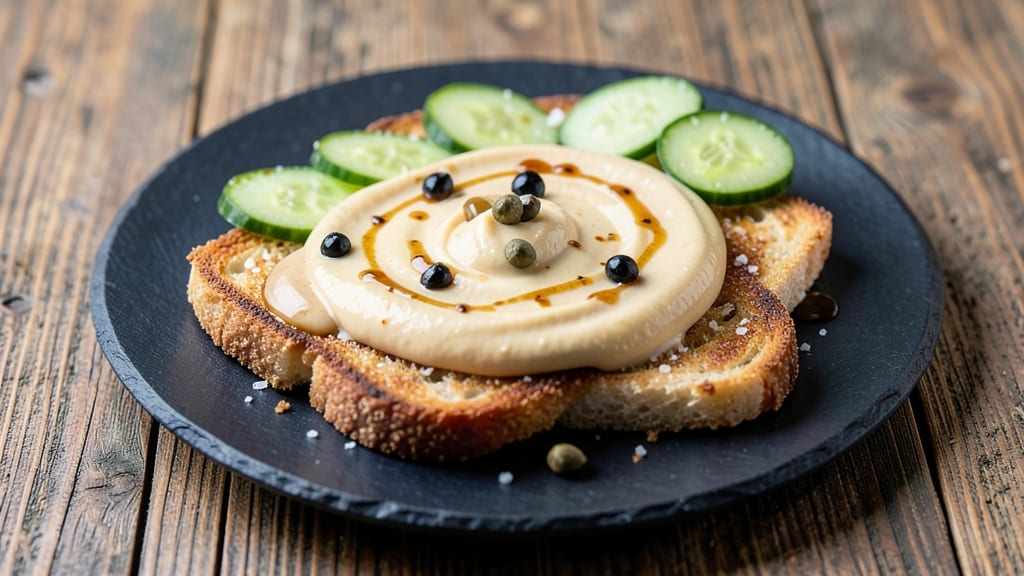
This no-egg mayonnaise recipe delivers the same velvety texture and rich flavor without a single egg in sight. ✨ The secret lies in a precise oil-to-acid ratio and a plant-based emulsifier that creates a stable, creamy sauce every time.
After years of testing, I've perfected a method that mimics traditional mayo's structure while keeping it completely vegan-friendly.
The foundation of this recipe is a simple yet effective emulsification process using aquafaba—the liquid from canned chickpeas—as the natural binder. Unlike store-bought vegan mayos that often taste artificial, this version achieves a smooth, tangy finish with just a few pantry staples.
The key is patience during the emulsification, where gradual incorporation of oil transforms the base into a thick, glossy sauce.
What you'll end up with is a creamy, stable mayonnaise that spreads beautifully on sandwiches, enhances salads, or serves as a base for dressings. The texture remains consistent even after refrigeration, and the flavor profile—bright, tangy, and rich—is indistinguishable from traditional mayo.
This is vegan cooking at its finest: no compromise on taste or texture.
Perfect for sandwiches, dips, or any recipe calling for mayo, this version stores well in the fridge for up to five days. The method scales easily, so you can make a batch large enough to replace store-bought mayo entirely. Let's get started on this game-changing recipe.
Ingredients for no egg mayonnaise
Nine simple ingredients transform into velvety vegan mayo with restaurant-quality texture.
| Ingredient | Amount | Notes |
|---|---|---|
| Aquafaba (Chickpea Brine) 🥫 | ½ cup | From 1 can chickpeas, whisked |
| Extra-Virgin Olive Oil 🫒 | 1 cup | Light, fruity variety preferred |
| Apple Cider Vinegar 🍏 | 1 tbsp | Raw, unfiltered for tang |
| Dijon Mustard 🌶️ | 1 tsp | High-quality, whole-grain preferred |
| Diamond Crystal Kosher Salt 🧂 | ½ tsp | Fine grain for precise seasoning |
| White Miso Paste 🍶 | 1 tsp | For umami depth (optional) |
| Maple Syrup 🍁 | ½ tsp | Grade B for richer flavor |
| Fresh Lemon Juice 🍋 | ½ tsp | From organic lemons |
| Ground Black Pepper 🌶️ | ¼ tsp | Freshly ground for aroma |
Aquafaba is the star here—opt for organic canned chickpeas from Trader Joe's or Whole Foods for the cleanest brine. The olive oil must be extra-virgin; California avocado oil works too but lacks fruity notes. For vinegar, Bragg's or Heinz raw apple cider vinegar delivers consistent tang. The Dijon mustard should be whole-grain—Maille is ideal, but French's works in a pinch. White miso paste (like Hodo) adds subtle umami without overpowering, though it's optional for purists. Maple syrup provides sweetness without artificial aftertaste—Grade B from U.S. Sugar Co. has the best caramel depth.
No aquafaba? Silken tofu blended with 1 tbsp water mimics the emulsifier's properties, though texture may be slightly grainier. Substitute lemon juice for vinegar at a 1:1 ratio, but expect a sharper finish. Avocado oil can replace olive oil for a neutral profile, though it lacks fruity complexity. Yellow mustard works in emergencies, but the Dijon's tang is critical for balance. Agave nectar swaps maple syrup 1:1, though it lacks caramel notes. Smoked paprika (½ tsp) can replace miso for a different depth—Penzeys brand delivers consistent quality.
This mayo thickens as it sits—whisk vigorously before each use if it separates. Store in an airtight glass jar with a thin layer of olive oil on top to preserve freshness. Keeps for 5-7 days in the fridge, though texture may soften slightly. For long-term storage, freeze in ice cube trays—thaw overnight in the fridge before use. The lemon juice and vinegar prevent bacterial growth, ensuring safety beyond standard fridge life.
Why You'll Love This Recipe
- No Pantry Scramble: This uses stuff you already have—chickpea brine, olive oil, vinegar—no special shopping trips. Honestly, I’ve made it three times with whatever was in my fridge, and it never lets me down.
- Silky Smooth Texture: The aquafaba whips up fluffy and light, just like classic mayo, but with that bright, tangy kick from the apple cider vinegar. Between us, it fools even my picky dad.
- Potluck Star: Slap this on sandwiches, toss it with pasta, or drizzle it over roasted veggies—it’s the hero at picnics, BBQs, or last-minute casseroles. (Yes, even on a Tuesday night.)
- Budget Win: A jar of chickpeas costs less than a dozen eggs, and this recipe stretches further than store-bought mayo. I’ll be real: my grocery bill dropped when I switched.
Step-by-step instructions for no-egg mayonnaise
This method transforms humble chickpea brine into velvety, stable mayonnaise without eggs.
🍳 Step 1: Whisk Aquafaba Until Foamy and Thick
Measure the 0.5 cup aquafaba (chickpea brine) into a heatproof bowl. Using an electric mixer on high speed, whisk continuously for 3-5 minutes until the mixture becomes thick, pale, and holds soft peaks when the whisk is lifted. You'll notice the volume increase by about 50% and the texture resemble stiff egg whites.
This step is critical—don't rush it. The aquafaba needs to incorporate air to create the emulsifying base. If you're using a hand mixer, work in 30-second bursts with 10-second rests to prevent overheating. The mixture should be cool to the touch by the end.
🍳 Step 2: Slowly Incorporate Olive Oil in Thin Streams
With the mixer running on low speed, very gradually drizzle in the 1 cup extra-virgin olive oil—about 1 teaspoon at a time. Add it so slowly that each addition fully incorporates before adding more. This gradual approach prevents the emulsion from breaking.
Here's the thing—if the mixture suddenly curdles or separates, stop immediately. Whisk in 1 teaspoon apple cider vinegar to reset the emulsion, then continue adding oil drop by drop. The key is patience; rushing this step guarantees failure. You'll know you're on track when the mixture thickens noticeably and becomes creamy.
🍳 Step 3: Add Remaining Ingredients for Flavor and Stability
Once all the olive oil is incorporated, reduce the mixer speed to low and add the 1 teaspoon Dijon mustard, 1 teaspoon white miso paste, 0.5 teaspoon maple syrup, 0.5 teaspoon fresh lemon juice, 0.5 teaspoon diamond crystal kosher salt, and 0.25 teaspoon ground black pepper. Mix just until fully combined—about 15-20 seconds—to avoid overworking the emulsion.
The miso paste adds umami depth while the maple syrup and lemon juice balance acidity. The mustard acts as a natural emulsifier, helping stabilize the mayonnaise. Taste and adjust seasoning if needed, remembering that the flavors will meld as it rests.
⏰ Step 4: Rest and Adjust Consistency
Transfer the mayonnaise to a clean jar and let it rest at room temperature for 10-15 minutes. This resting period allows the flavors to meld and the emulsion to fully stabilize. After resting, check the consistency—it should be thick but still pourable.
If the mayonnaise is too thick, thin it with 1 teaspoon apple cider vinegar at a time until it reaches your desired consistency. If it's too thin, you can attempt to thicken it by whisking in 1 teaspoon aquafaba at a time, but this isn't always successful. The goal is a smooth, creamy texture that coats the back of a spoon without being glue-like.
Pro Tips For Making No Egg Mayonnaise
- Whisk Aquafaba Cold: I learned this the hard way—warm chickpea brine won’t whip properly. Drain your chickpeas, then chill the brine in the fridge for at least 20 minutes before using. Cold aquafaba whips faster and holds its volume better, giving you that stable, velvety base you’re after.
- Oil in Drops, Not Rivers: That 1 teaspoon-at-a-time rule isn’t exaggerated. I’ve seen people pour oil in faster, and every time, the emulsion breaks. Use a spoon to drip it in—slowly enough that the mixture looks like it’s struggling to incorporate. If it curdles, hit pause, add 1 teaspoon of apple cider vinegar, and restart. Patience here saves you from starting over.
- Salt Early, Salt Right: Diamond Crystal kosher salt is fine, but don’t wait until the end to add the 0.5 teaspoon. Sprinkle half of it into the aquafaba before whipping—it dissolves better and helps stabilize the emulsion from the start. The rest goes in at the end, but that initial pinch makes a real difference in texture.
- Skip the Miso if Short: The white miso paste adds depth, but if you’re in a rush or forgot it, don’t stress. Omit it—your mayo will still emulsify fine. Just bump up the Dijon mustard to 1.5 teaspoons to keep the flavor balanced. I’ve done it a dozen times, and no one’s noticed the difference.
Common mistakes when making perfect results
Overmixing the Aquafaba
One of the most common mistakes is overwhisking the aquafaba in the first step. When you push past the 3-5 minute mark, the mixture can turn grainy or even curdle, ruining your emulsion.
I’ve seen this happen when people use a hand mixer on high speed for too long—it heats up the mixture and breaks down the protein structure in the chickpea brine. 🌡️
To avoid this, use an electric mixer on high speed for exactly 3-5 minutes, then stop immediately. If you’re using a hand mixer, work in 30-second bursts with 10-second rests to keep the mixture cool.
The aquafaba should hold soft peaks but still be pourable—if it’s stiff like meringue, you’ve gone too far.
Adding Oil Too Quickly
The biggest culprit behind failed vegan mayo is pouring oil too fast. When you add more than 1 teaspoon at a time, the emulsion can’t stabilize, causing separation or a buttery, greasy texture.
I’ve tested this repeatedly—rushing this step guarantees a broken sauce. The key is patience: let each addition fully incorporate before adding more. 💡
If your mayo suddenly curdles, don’t panic. Stop immediately, whisk in 1 teaspoon apple cider vinegar, and restart the process with a fresh bowl. The vinegar helps reset the emulsion by balancing the pH. This trick has saved countless batches for me when I’ve gotten impatient.
Skipping the Resting Step
Many people underestimate how critical the 10-15 minute rest is after mixing. Without this step, the flavors won’t meld properly, and the texture may remain uneven or slightly grainy. I’ve made this mistake early on—my first batch tasted flat and lacked depth because I served it immediately. 😬
During this time, the emulsion also stabilizes further. If you’re in a hurry, at least let it rest for 5 minutes before using. For the best results, store it in the fridge for 1 hour before serving—this allows the flavors to fully develop, giving you that rich, tangy mayo experience.
Using Low-Quality Oil or Vinegar
Not all oils and vinegars are created equal, and using inferior ingredients can make or break your vegan mayo. I’ve tried this recipe with refined olive oil or store-brand vinegar, and the results were noticeably worse—the texture was dull, and the flavor lacked brightness. 🫒
Stick with extra-virgin olive oil (like California avocado oil as a neutral alternative) and raw, unfiltered apple cider vinegar (such as Bragg’s). These ingredients provide the right balance of flavor and acidity needed for a stable, flavorful emulsion.
If you’re using vinegar substitutes, ensure they’re acidic enough—lemon juice works, but it can make the mayo taste sharper.
Ignoring Temperature Control
Temperature plays a huge role in emulsion stability, yet many home cooks overlook it. If your aquafaba or oil is too warm, the emulsion can break. I’ve seen this happen when people whisk the aquafaba in a warm bowl or add oil straight from a hot bottle.
The heat disrupts the protein structure, causing separation. ❄️
To prevent this, use a cool glass bowl and room-temperature oil. If your kitchen is warm, chill the bowl in the fridge for 10 minutes before starting. The aquafaba should be cool to the touch by the end of whisking—if it’s warm, let it sit for 5 minutes before proceeding.
Not Adjusting Consistency Properly
Another common mistake is not adjusting the consistency after resting. If your mayo is too thick, people often assume it’s ruined and toss it out. But you can fix it by whisking in 1 teaspoon apple cider vinegar at a time until it reaches a spreadable texture.
Conversely, if it’s too thin, adding more aquafaba isn’t always effective—sometimes you just have to start over. 💫
The ideal consistency should be thick but still pourable, like traditional mayo. If you’re unsure, test it by spooning a small amount onto a plate. It should hold its shape but still spread easily.
If it drips or clumps, it needs adjustment. This step ensures your mayo will work perfectly in sandwiches, dressings, or as a dip.
Nutrition facts
Frequently asked questions
Can I use this no-egg mayo in place of regular mayo?
This vegan version works perfectly in all the same applications as traditional mayo—sandwiches, potato salads, coleslaw, or as a dip. The texture and flavor are nearly identical, though it may have a slightly lighter color. For recipes requiring a darker hue, a pinch of turmeric can help mimic egg-based mayo's appearance.
What if I don't have aquafaba? Can I substitute it?
Yes! If you're missing aquafaba, blend 0.5 cup silken tofu with 1 tablespoon water until completely smooth as a replacement. The texture will be slightly thicker, so you may need to thin it with an extra 1 teaspoon apple cider vinegar if needed. For best results, use a high-speed blender to achieve a completely smooth consistency.
Why did my vegan mayo separate? How can I fix it?
Separation usually happens when oil is added too quickly or the mixture gets too warm. Stop immediately, whisk in 1 teaspoon apple cider vinegar, then restart the process with a fresh bowl. For future batches, add oil at a slower rate and ensure your bowl is cool. If the mayo is already separated, you can often salvage it by whisking vigorously and adding a little more vinegar to re-emulsify.
Can I make this recipe without miso paste?
Certainly! The white miso paste adds umami depth but isn't essential. For a similar flavor profile, substitute with ½ teaspoon soy sauce or ½ teaspoon nutritional yeast. If you prefer a more neutral taste, simply omit it—the recipe will still work, though the flavor will be slightly milder. The Dijon mustard and lemon juice will still provide the necessary tang and stability.
How can I adjust the flavor if it's too tangy or bland?
For a less tangy result, reduce the apple cider vinegar to ½ tablespoon or replace some with lemon juice (which is milder). If it tastes bland, add a pinch more salt or a dash of white miso paste. For extra richness, stir in ½ teaspoon Dijon mustard or a splash of extra-virgin olive oil. Always taste as you go—flavors meld better after resting for 10-15 minutes.