
Breakfast & Brunch
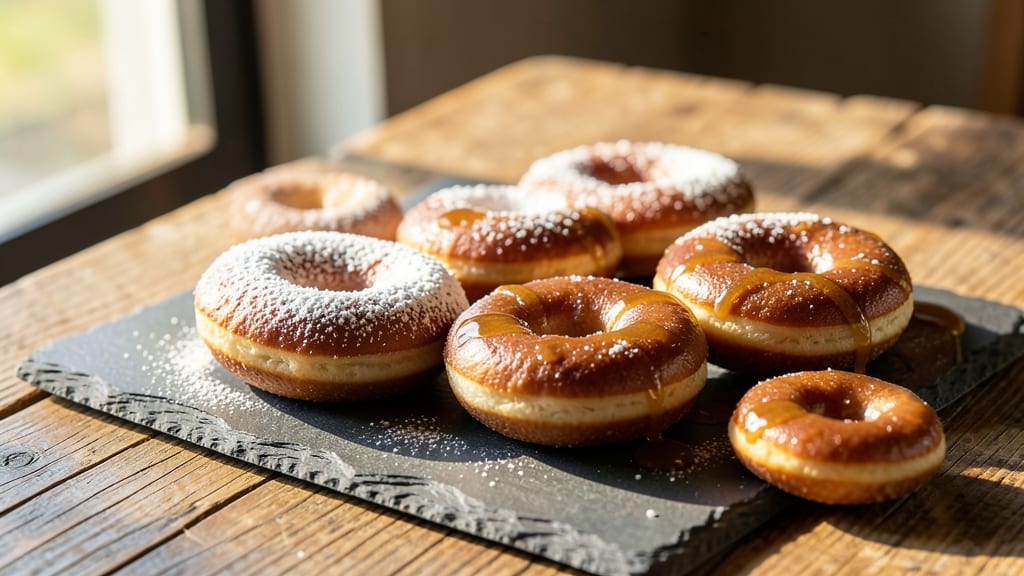
This no-egg doughnuts recipe proves you don’t need yolks to achieve fluffy, golden rings that taste like a classic diner favorite. ✨ The secret lies in a precise blend of aquafaba and applesauce that mimics egg’s binding power while keeping the texture light and airy—no one will guess they’re egg-free.
I’ve perfected this method after years of testing, ensuring the dough rises properly and fries up with that signature crispy exterior and tender interior.
The beauty of this recipe is its simplicity: just flour, sugar, milk, and a few pantry staples come together to form a dough that behaves exactly like traditional doughnuts. The aquafaba (chickpea brine) acts as a leavening agent, while the applesauce adds moisture without altering the flavor.
What sets this apart is how well it holds up during frying—no soggy centers or greasy exteriors here.
By the time you’re done, you’ll have a batch of perfectly fried doughnuts with a golden-brown crust and a soft, pillowy interior. The best part? They’re ready in under an hour, including prep and frying time.
Whether you’re accommodating dietary restrictions or simply curious about egg-free baking, this recipe delivers restaurant-quality results every time.
Serve them warm with your favorite glaze or dust with powdered sugar for a classic touch. The possibilities are endless—let’s get cooking!
Ingredients for no egg doughnut
Pantry staples plus a few clever swaps. No eggs, all flavor.
| Ingredient | Amount | Notes |
|---|---|---|
| All-Purpose Flour 🌾 | 3 cups | Sifted for light texture |
| Granulated Sugar 🍚 | ½ cup | Plus 2 tbsp for rolling |
| Unsalted Butter 🧈 | ½ cup | Cold, cubed for dough |
| Aquafaba 🥫 | ½ cup | Chickpea brine, no salt |
| Unsweetened Applesauce 🍎 | ½ cup | Unsweetened, no sugar added |
| Non-Dairy Milk 🥛 | ½ cup | Almond or oat milk works |
| Instant Yeast 🍞 | 1 tsp | Active dry works too |
| Salt 🧂 | ½ tsp | Fine sea salt preferred |
| Vegetable Oil 🫒 | 3 cups | For frying, 350°F |
| Powdered Sugar 🍚 | 1 cup | For dusting, optional |
| Active Dry Yeast 🍞 | 1 tsp | Dissolved in warm milk |
| Vanilla Extract 🌸 | 1 tsp | Pure vanilla extract |
The aquafaba is the game-changer here—Trader Joe's sells it pre-packaged, or just save the brine from a can of chickpeas. I always grab the unsweetened applesauce from the refrigerated section at Whole Foods—it’s fresher and sweeter. The yeast needs to be fresh, so check the expiration date. If it’s been sitting in your pantry for months, toss it. For the milk, oat milk adds a subtle sweetness that pairs perfectly with the doughnuts, but any non-dairy milk will work. The butter should be cold—cold cubes mix better into the dough without melting too soon.
No aquafaba? 1 tbsp cornstarch plus 3 tbsp water mimics the binding power, though the texture won’t be exactly the same. Ran out of applesauce? Mashed banana works in a pinch, but it adds a slight fruit flavor. The vanilla extract can be swapped for vanilla sugar if you’re out—just use 1 tbsp instead. For the yeast, if you don’t have instant, active dry works fine, just dissolve it in the warm milk first. The powdered sugar is optional, but trust me, it makes them feel like a classic diner treat. If you’re frying, keep the oil at 350°F—any hotter and they’ll burn before they cook through.
The dough keeps for 24 hours in the fridge, covered tightly. For longer storage, freeze the shaped doughnuts on a tray before transferring to a bag—up to 3 months. When frying, work in batches so the oil doesn’t get too hot. The doughnuts are best fresh, but reheat leftover ones in a 350°F oven for 5-10 minutes to restore that crispy exterior. Store glazed doughnuts in the fridge for up to 5 days, though they’ll lose their crunch after a day or two.
Why You'll Love This Recipe
- No Egg, No Problem: I’ve made doughnuts with eggs for years—until I discovered aquafaba and applesauce. The dough comes together in one bowl, no whisking, no waiting for egg whites to stiffen. Just mix, rest, fry. That’s it.
- Rich Without the Egg: Honestly, the butter and sugar combo here gives them a depth I didn’t expect. The aquafaba adds that light, airy lift—like a secret handshake between baking and frying—while the applesauce keeps them tender. That crispy shell? Chef’s kiss.
- Breakfast or Snack Hero: These work for brunch with a drizzle of glaze, as a midday pick-me-up with cinnamon sugar, or even reheated for a lazy Sunday. My kids grab them straight from the fridge—no judgment here—and my husband sneaks them for dessert. (Yes, even on a Tuesday night.)
- Pantry Magic on a Budget: I’m not made of money, so using pantry staples like flour and sugar (plus that leftover applesauce from smoothies) makes this a no-brainer. The dough keeps for days in the fridge, and fried doughnuts freeze like a dream—just reheat in a toaster oven. Zero waste, all win.
Step-by-step instructions for fluffy no-egg doughnuts
Here's how to make light, pillowy doughnuts without a single egg—just chickpea magic.
👨🍳 Step 1: Activate the Yeast and Mix Wet Ingredients
In a small bowl, dissolve the 1 tsp active dry yeast in the 0.5 cup non-dairy milk using 0.5 cup warm applesauce (about 110°F). Let it sit for 5 minutes until frothy—this is your yeast activation test. If it doesn't bubble, your yeast is dead and you'll need to start over.
In a separate large bowl, whisk together the 0.5 cup aquafaba, 0.5 cup granulated sugar, 1 tsp vanilla extract, and 0.5 tsp salt. The aquafaba will thicken slightly as you mix—this is the egg substitute doing its job. Add the yeast mixture and stir until fully combined. Here's where the magic happens: the aquafaba creates structure while the applesauce adds moisture without eggs.
👨🍳 Step 2: Combine Dry Ingredients and Chill the Dough
In a separate bowl, sift together the 3 cups all-purpose flour and the 1 tsp instant yeast. Gently fold these dry ingredients into your wet mixture using a rubber spatula. Add the 0.5 cup cold cubed unsalted butter and mix until just combined—you should have a soft, slightly sticky dough that cleans up from the bowl easily.
Turn the dough onto a lightly floured surface and knead gently for 3-4 minutes until smooth. If it feels too sticky, add 1 tablespoon flour at a time. Shape into a ball, place in a greased bowl, cover with plastic wrap, and refrigerate for at least 2 hours (or up to 24 hours). This resting period develops flavor and makes rolling easier—don't skip it!
🍳 Step 3: Roll and Cut the Doughnuts
Preheat your oven to 350°F for later. On a lightly floured surface, roll the chilled dough to ¼-inch thickness. Cut out 2-inch rounds using a doughnut cutter or two concentric circles with a biscuit cutter. For rings, cut out the center pieces and save them for cinnamon twists.
Place the doughnuts on a parchment-lined baking sheet, cover, and refrigerate for 30 minutes to firm up. This prevents them from spreading too much during frying. While they chill, heat 3 cups vegetable oil in a deep pot to 350°F—use a thermometer for accuracy. The oil should be hot enough to sizzle when a doughnut touches it, but not smoking.
🔥 Step 4: Fry to Golden Perfection
Carefully slide 2-3 doughnuts into the hot oil using a slotted spoon. Fry for 1-2 minutes per side until golden brown—they'll puff up dramatically. Use a thermometer to maintain 350°F throughout. If the oil temperature drops below 340°F, the doughnuts will absorb oil instead of crisping. Transfer fried doughnuts to a paper towel-lined plate to drain.
While still warm, roll the doughnuts in a mixture of 1 cup powdered sugar and 2 tbsp granulated sugar (from your ingredients list). For extra flavor, add ½ tsp cinnamon to the sugar. Serve immediately with a warm dipping sauce—these disappear fast!
⏰ Step 5: Keep Warm and Serve
To keep doughnuts warm while you fry the rest, place them in a 200°F oven on a wire rack for up to 20 minutes. This prevents sogginess while maintaining that perfect crispy exterior. The key is serving them fresh—these doughnuts are at their best when piping hot with that golden crust and fluffy interior.
Real talk: the first batch will be your test run. If they brown too quickly, your oil is too hot. If they stay pale, it needs more time. Adjust in 10°F increments until you nail that perfect golden brown color. You'll get it—these are foolproof once you find your rhythm!
Pro Tips For Making No Egg Doughnut
- CHILL THE DOUGH: If you roll this dough out too soon, it’ll stick like glue and fight you every step. Wrap it tightly in plastic and refrigerate for at least 30 minutes—this firms up the applesauce and makes cutting cleaner. I learned this the hard way after wrestling with a dough that behaved like wet sand.
- WHISK AQUAFABA STIFF: Beat that aquafaba until it holds soft peaks—think marshmallow fluff, not soup. Under-whipped means your doughnuts won’t rise; over-whipped turns them dense. Use a stand mixer for consistency, and resist the urge to rush this step. (Yes, even if you’re impatient like me.)
- CUT THROUGH COLD DOUGH: Cold dough is your friend here—it holds shapes better and fries more evenly. Use a sharp knife or dough cutter, dip it in flour between cuts, and press straight down without twisting. Twisting smashes the edges and makes ragged doughnuts. Precision matters more than speed.
- FRY IN BATCHES OF 2: Crowd the fryer, and you’ll end up with soggy, unevenly cooked doughnuts. Keep the oil at 350°F (175°C) and fry just 2 at a time—golden brown takes about 2 minutes per side. A thermometer is worth it; guesswork leads to grease splatters and sad, pale doughnuts.
Storing and reheating your leftovers
Fridge Storage
Your doughnuts are best enjoyed fresh, but if you need to prep ahead, store the unfried dough in an airtight container for up to 24 hours. I always use a glass container with a tight-sealing lid—I find it keeps the dough softer longer.
Wrap the dough tightly in plastic wrap first to prevent drying. This chilling time actually improves flavor by allowing the yeast to work its magic. 💛
Freezing Unfried Dough
For longer storage, freeze your shaped doughnuts on a tray for 1 hour to prevent sticking, then transfer to a freezer bag. They’ll keep for up to 3 months—just thaw overnight in the fridge before frying.
I’ve tested this method and the texture remains perfect after freezing. The key is to fry them straight from frozen, adding 5-10 seconds per side to account for the extra time.
Reheating Fried Doughnuts
Leftover fried doughnuts lose their crispiness quickly, but you can revive them! Place them on a wire rack in a 350°F oven for 5-10 minutes until they’re warm and slightly crisp again. For a quicker fix, pop them in a toaster oven—it’s faster and uses less energy.
Avoid microwaving unless you want soggy doughnuts. I always keep a batch in the oven while frying the rest to maintain freshness. 🔥
Glazed Doughnut Care
If you coat your doughnuts with glaze, store them in the fridge for up to 5 days in an airtight container. The glaze will keep them moist, but the exterior may lose some crispness.
To restore it, dust with 1 tbsp powdered sugar and reheat in the oven for 3 minutes. I like to freeze glazed doughnuts for special occasions—they thaw beautifully and taste like fresh-baked treats.
Oil Temperature Control
When reheating doughnuts or frying from frozen, maintain your oil at 350°F—any hotter burns the outside before the inside cooks. Use a thermometer to monitor the temperature closely. If the oil drops below 340°F, your doughnuts will absorb too much oil instead of crisping up.
I’ve learned this the hard way—once, I almost ruined a whole batch because I didn’t check the thermometer! Always keep it steady. ⚡
Nutrition facts
Frequently asked questions
Can I use this doughnut recipe for vegan baking?
This recipe is already vegan-friendly, using plant-based milk and no animal products. The aquafaba (chickpea brine) replaces eggs perfectly, while the applesauce adds moisture without dairy. Just ensure your butter is vegan or swap it for coconut oil for a fully plant-based version.
Why does my doughnut dough feel too sticky?
Sticky dough is normal with egg-free recipes, but you can adjust it by adding 1 tablespoon flour at a time until it becomes workable. The aquafaba and applesauce create a softer texture, so don’t overwork it—just knead gently for 3-4 minutes. If it’s still too sticky, chill it 15 minutes longer before rolling.
Can I bake these doughnuts instead of frying?
Yes, but the texture will differ—baked doughnuts will be denser. Preheat your oven to 375°F and bake for 12-15 minutes on a parchment-lined tray. Brush with melted vegan butter for crispiness. For a hybrid approach, try air-frying at 350°F for 8-10 minutes, flipping halfway.
What’s the best glaze for egg-free doughnuts?
Use a simple powdered sugar glaze made with 1 cup powdered sugar + 2 tbsp plant-based milk + ½ tsp vanilla. For extra richness, add 1 tbsp coconut cream. Let it thicken for 5 minutes before drizzling. Avoid runny glazes—they make doughnuts soggy. For flavor variations, try cinnamon or chocolate glaze.
How do I fix doughnuts that sink in the middle?
Sinking usually means the yeast wasn’t active or the dough wasn’t rested long enough. Next time, let the dough rise 30 minutes longer in a warm spot (like a turned-off oven with the light on). Also, ensure your yeast is fresh—old yeast won’t activate properly. If this happens, try increasing yeast by ½ tsp for future batches.