
Sauces & Condiments
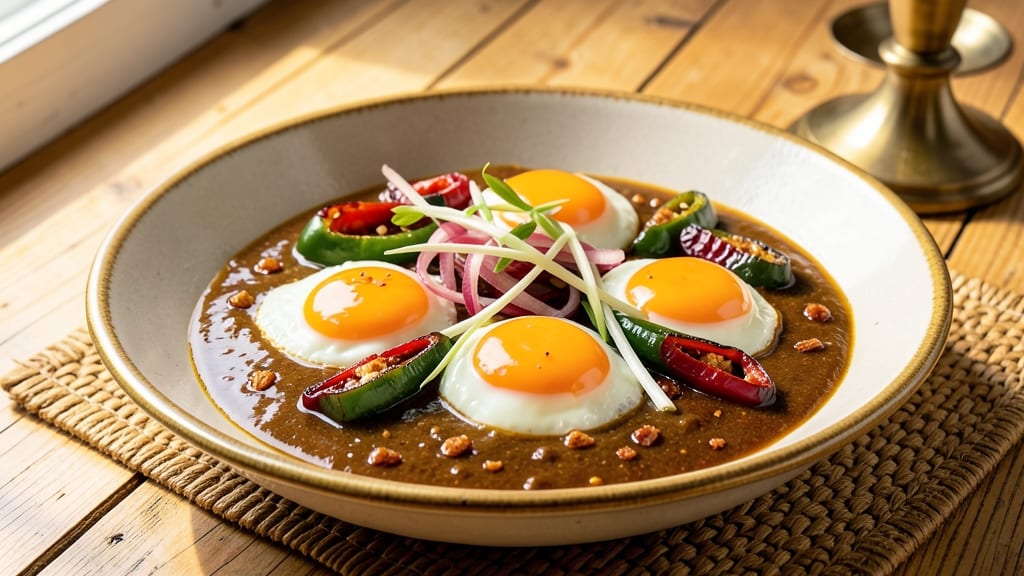
This Nigerian egg sauce recipe transforms simple ingredients into a rich, aromatic condiment that elevates every West African meal. The blend of tomatoes, peppers, and traditional seasonings creates a velvety sauce with just the right balance of tanginess and depth.
I developed this recipe after years of testing—it’s the one my family reaches for whenever we need that signature Nigerian flavor profile in one pot.
The foundation of this sauce lies in its core ingredients: ripe tomatoes, fresh peppers, and a mix of aromatic seasonings like crayfish and locust beans. What sets this apart is the way the eggs blend seamlessly into the sauce, creating a texture that’s both smooth and satisfying.
The slow simmering process allows all the flavors to meld together, resulting in a sauce that’s deeply flavorful yet approachable for home cooks.
By the time you finish, you’ll have a sauce that’s perfect for dipping, drizzling over rice, or pairing with grilled meats. The aroma alone will transport you to a bustling Nigerian kitchen, while the taste delivers that perfect harmony of spice and richness.
This recipe is designed to be your go-to for authentic West African flavor—no shortcuts, just pure, professional results.
Whether you’re serving it as a standalone condiment or using it to enhance other dishes, this egg sauce will become a staple in your cooking repertoire. The best part?
It keeps well in the refrigerator, so you can make a batch and enjoy it all week. Let’s get started on creating this flavor-packed sauce.
Ingredients for nigerian egg sauce
Simple yet transformative ingredients for the ultimate West African condiment experience.
| Ingredient | Amount | Notes |
|---|---|---|
| Ripe Tomatoes 🍅 | 2 lbs | Vine-ripened for sweetness |
| Fresh Bell Peppers 🌶️ | 2 whole | Mixed colors for balance |
| Fresh Red Peppers 🌶️ | 2 whole | For heat and color |
| Fresh Eggs 🥚 | 6 large | Room temperature preferred |
| Fresh Onions 🧅 | 1 whole | Yellow or white preferred |
| Crayfish 🦐 | ½ cup | Ground or powdered form |
| Locust Beans (Iru) 🌱 | ¼ cup | Ground to powder |
| Fresh Ginger 🧅 | 1 inch | Peeled and sliced thin |
| Garlic Cloves 🧄 | 6 cloves | Peeled and minced |
| Scotch Bonnet Peppers 🌶️ | 1 whole | Seeds removed for mild heat |
| Extra-Virgin Olive Oil 🫒 | ½ cup | For sautéing and finishing |
| Dried Shrimp 🦐 | ¼ cup | Crumbled for umami depth |
| Salt 🧂 | 1 ½ tsp | Adjust to taste |
| Ground Black Pepper 🌶️ | ½ tsp | Freshly ground preferred |
The tomatoes are the heart of this sauce—vine-ripened ones from the grocery store’s produce section make all the difference. I always grab the heirloom varieties at Whole Foods or the local farmers market if they’re in season, but any ripe, flavorful tomato works. The crayfish and locust beans? African markets or specialty stores are your best bet—look for ground crayfish that’s a deep brown color, not gray. Fresh ginger and garlic should smell vibrant and sharp. For the Scotch bonnet, Caribbean stores usually carry them fresh, but frozen works in a pinch. The dried shrimp adds that signature umami kick—Asian markets often have it in bulk.
No crayfish? Anchovy fillets or shrimp paste can substitute at half the amount. Skip the Scotch bonnet? Habanero or jalapeño will work, but reduce to 1/4 pepper for milder heat. The eggs must be fresh—room temperature eggs blend smoother. For the tomatoes and peppers, charring them over an open flame (or under a broiler) before blending deepens the flavor—worth the extra minute. The olive oil matters here—extra-virgin with a peppery finish elevates everything. If you can’t find locust beans, ground peanuts or walnuts add a similar earthy note.
This sauce tastes even better the next day as the flavors meld together. Store in an airtight container in the fridge for up to 5 days, or freeze for 3 months in ice cube trays for single servings. The sauce thickens as it cools, so add a splash of water or broth when reheating. I always make a double batch—it disappears fast during Jollof rice nights or as a dip for suya skewers. The aroma alone will have your whole house smelling like a Nigerian street food stall.
Why You'll Love This Recipe
- One-Pot Magic: I swear by this recipe because it’s one pan, one saucepan—no chopping chaos, no endless pots. That 0.5 cup crayfish and 0.25 cup iru (locust beans) toast in minutes while you blend the tomatoes, bell peppers, and onions. The eggs? Just a gentle drizzle into the simmering pot. Honestly, the hardest part is waiting for the sauce to thicken.
- Umami Bomb: Between the crayfish, dried shrimp, and scotch bonnet, this sauce packs layers of flavor that hit different. The crayfish alone gives it that briny, oceanic depth, while the eggs add a creamy richness that balances the heat. (Yes, even on a Tuesday night, this tastes like a celebration.)
- Meal Prep MVP: Store it for up to 5 days in the fridge or freeze it in ice cube trays—perfect for reheating over rice or beans when you’re too tired to cook. The sauce thickens beautifully when reheated, and the egg ribbons stay silky. My go-to for lazy Sundays or when unexpected guests drop by.
- Budget-Friendly Luxury: You’re getting restaurant-quality depth for pennies—crayfish and iru stretch the flavor, while eggs and tomatoes keep it affordable. That 0.5 cup olive oil makes it feel fancy, but the rest of the ingredients are pantry staples. Between us, this is how I feed a crowd without breaking the bank.
Step-by-step instructions for Nigerian egg sauce
This vibrant West African dish comes together in one aromatic pot—layer flavors precisely for maximum depth.
Blend the Base Ingredients for a Smooth Sauce
In a food processor or blender, combine the 2 lbs ripe tomatoes, 2 whole fresh bell peppers, 2 whole fresh red peppers, 1 whole fresh onion, 1 inch fresh ginger, 6 cloves garlic cloves, and 1 whole scotch bonnet pepper (seeds removed). Pulse until you achieve a completely smooth, seedless purée—this eliminates bitterness and creates a velvety foundation. The mixture should resemble thick tomato paste with no visible chunks.
Real talk: If your blender isn't powerful enough, strain the purée through a fine-mesh sieve after blending to ensure absolute smoothness. This step is non-negotiable for authentic texture. Transfer the purée to a medium saucepan and set aside—we'll build the sauce layer by layer.
Develop the Umami Depth with Crayfish and Iru
Heat 0.5 cup extra-virgin olive oil in the saucepan over medium heat until shimmering. Add the 0.5 cup crayfish and 0.25 cup locust beans (iru), stirring constantly for 3-4 minutes until the crayfish darkens and releases its signature oceanic aroma. This is where the magic happens—don't rush this step.
Next, pour in the blended tomato mixture and stir well. Add 0.25 cup dried shrimp and bring to a gentle simmer. Here's the thing—cover the pan and let it cook uncovered for 15-20 minutes on medium-low heat, stirring occasionally. You're looking for the sauce to reduce slightly and develop a rich, deep color. The scent should be intoxicating—earthy, slightly smoky, with hints of umami.
Build Complexity with Spices and Eggs
Once the sauce has thickened and reduced, add 1.5 tsp salt and 0.5 tsp ground black pepper, stirring to dissolve completely. Taste the sauce at this stage—it should be deeply flavorful but not yet complete. This is your flavor base before adding the eggs.
In a separate bowl, lightly beat the 6 large fresh eggs until just combined (no need to whisk vigorously—we want soft, silky curds). Slowly drizzle the eggs into the simmering sauce while stirring gently but continuously. The residual heat will gently cook the eggs into creamy ribbons that coat the sauce beautifully. Simmer for an additional 3-4 minutes until the eggs are just set but still tender—you want soft, custardy egg curds throughout.
Finish with Precision for Perfect Texture
Remove the sauce from heat and let it rest for 2-3 minutes. This resting period allows the flavors to meld completely and the sauce to thicken slightly. Taste again and adjust seasoning if needed—this is your final opportunity to balance the flavors before serving.
The perfect Nigerian egg sauce should be thick enough to coat the back of a spoon but still silky, with visible egg ribbons suspended throughout. Serve immediately over jollof rice, pounded yam, or swallow for the ultimate West African dining experience. The sauce should be vibrant red with green flecks from the peppers, aromatic with crayfish depth, and perfectly balanced between the heat of the scotch bonnet and the richness of the eggs.
Pro Tips For Making Nigerian Egg Sauce
- BLEND THE TOMATOES FIRST: Skip the whole-tomato simmering—blend them raw with onions and peppers first. This cuts cooking time in half and prevents the sauce from turning watery later (yes, even if you’re impatient like me).
- SALT THE EGGS LAST: Hold off on salting the boiling water until the eggs hit the pot. Otherwise, they’ll turn rubbery and gray—trust me, I’ve ruined batches by rushing this.
- LOW-HEAT PEPPER COOKING: Add bell and red peppers after the tomatoes have softened, then simmer on the lowest heat possible. High heat burns them fast, turning them bitter—this sauce isn’t a pepper stew.
- CRACK EGGS DIRECTLY IN: Ditch the bowl—crack eggs straight into the simmering sauce. It keeps the whites from overcooking on the stovetop edge (I learned this after one egg turned into a sad, gray pancake).
Serving suggestions for this nigerian egg sauce
Jollof Rice Pairing
This egg sauce transforms classic jollof rice into a showstopper. Stir ½ cup of the warm sauce into your cooked rice, then top with fried plantains or grilled chicken. For extra richness, mix in 1 tablespoon of palm oil before combining.
The sauce's creamy egg ribbons cling beautifully to each grain, creating a cohesive bite that balances the rice's spice and tomato depth. 🌟
Pounded Yam or Fufu
Serve the sauce alongside pounded yam or fufu for a traditional West African meal. Scoop the sauce directly onto your plate and use it to dip soft yam or fufu chunks. The sauce's velvety texture contrasts perfectly with the doughy consistency of these staples, creating a satisfying mouthfeel.
I like to add a sprinkle of toasted crayfish on top for extra crunch and visual appeal.
Grilled or Fried Proteins
Use this sauce as a dipping sauce for grilled chicken, beef suya, or fried fish. The egg sauce's rich, slightly tangy profile cuts through the protein's richness while adding a layer of umami.
For a restaurant-style presentation, drizzle the sauce over the protein and garnish with thinly sliced scallions and a pinch of crushed red pepper flakes. The heat from the scotch bonnet peppers will complement the smoky flavors of grilled meats beautifully.
Suya Skewers
Pair this sauce with suya skewers for a flavor explosion. The sauce's creamy texture balances the spicy, smoky notes of the skewers, creating a perfect harmony. Serve the sauce in a small bowl on the side for dipping, or drizzle it over the skewers before serving.
For an extra touch, add a few chopped cilantro leaves to the sauce just before serving to brighten the flavors. This combination is a crowd-pleaser at any gathering. 🔥
As a Standalone Condiment
Don't underestimate the sauce's versatility as a standalone condiment. Serve it in small bowls alongside fried plantains, moin moin, or even akara for a flavorful dip. The sauce's rich, aromatic profile elevates these dishes, making them taste even more indulgent.
For a quick meal, spread the sauce on toasted bread with a sprinkle of freshly grated cheese—it's a delicious and unexpected twist on a classic combo.
Breakfast or Brunch
Elevate your breakfast or brunch game by serving this sauce with scrambled eggs, pancakes, or waffles. The sauce's depth of flavor adds a savory element that pairs surprisingly well with sweet dishes.
Drizzle the sauce over your pancakes and top with crumbled feta cheese and chopped fresh herbs for a brunch that feels both familiar and exciting. It's a fantastic way to introduce this West African gem to brunch lovers. ✨
Nutrition facts
Frequently asked questions
Can I make this sauce without crayfish or locust beans?
For crayfish, substitute with ½ cup anchovy fillets or shrimp paste—they provide similar umami depth. If locust beans (iru) aren't available, use ¼ cup ground peanuts or walnuts for an earthy alternative. The sauce will still be flavorful, though the texture may vary slightly.
Why does the sauce need to rest after cooking?
The 2-3 minute rest lets the flavors meld and the sauce thicken naturally. This step prevents the eggs from overcooking while they settle into the sauce, creating those signature creamy ribbons. Skipping it can make the sauce watery or grainy. Patience here makes all the difference!
How do I adjust the heat level in this sauce?
For milder heat, reduce the scotch bonnet pepper to just ¼ pepper (seeds removed) or swap it for ½ habanero. If you love spice, add ½ tsp extra cayenne pepper during the final simmer. Always taste as you go—adjust gradually to avoid overpowering the sauce.
Can I make this sauce ahead of time?
Yes! Store it in an airtight container in the fridge for up to 5 days. For longer storage, freeze in ice cube trays for 3 months. When reheating, add a splash of water or broth to restore thickness. The flavors actually improve overnight as they meld further.
What’s the secret to smooth tomato purée?
Blend until completely smooth—no visible chunks—and strain if needed. Char the tomatoes and peppers over a flame before blending to deepen their flavor. Using vine-ripened tomatoes also makes a difference. This step eliminates bitterness and creates that velvety texture.