
Appetizers
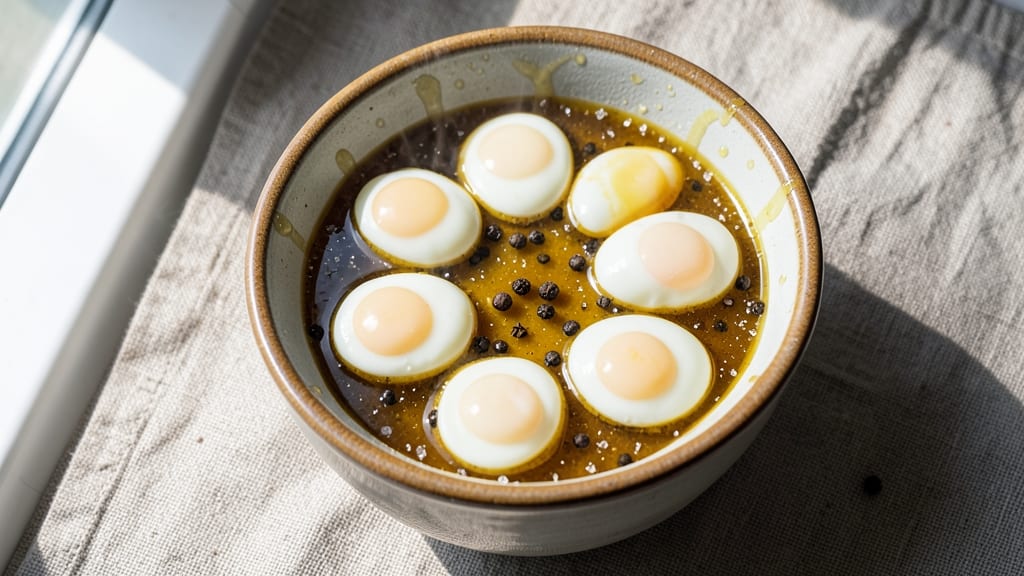
This mustard pickled eggs recipe transforms simple hard-boiled eggs into a restaurant-worthy appetizer with just 10 minutes of active prep and a bold tang that lingers. The secret lies in balancing sharp mustard with vinegar and spices, creating a crunchy exterior that contrasts perfectly with the creamy yolk inside.
I first tried this technique after burning through three batches of store-bought pickled eggs that tasted flat and overly sweet—this version fixes that.
The process is straightforward but precise: sterilize jars and eggs to ensure safety, then combine yellow mustard, vinegar, and spices in a simple brine that penetrates the eggs over 24 hours. The result is a tangy, crunchy bite that pairs beautifully with bread, charcuterie boards, or salads.
What makes this recipe stand out is how customizable it is—adjust the mustard variety for sweet or sharp profiles, or add herbs for extra depth.
By the time you're done, you'll have a batch of pickled eggs that look as impressive as they taste—crispy shells, vibrant color, and that perfect balance of tang and richness. These eggs keep for up to two weeks in the fridge, making them ideal for meal prep or gifting.
The best part? No special equipment is needed beyond a few jars and basic pantry staples.
Serve them as a bold appetizer before dinner or pack them in lunches for a protein-packed snack. The contrast of textures and flavors makes this recipe a game-changer for any gathering. Let’s get started on making these tangy, crunchy bites that everyone will love.
Ingredients for mustard pickled eggs
Pantry staples and a few jars transform boiled eggs into a restaurant-worthy appetizer with vibrant tang and satisfying crunch.
| Ingredient | Amount | Notes |
|---|---|---|
| Large Eggs 🥚 | 12 whole | Fresh, room temperature preferred |
| Yellow Mustard 🌶️ | ½ cup | High-quality, sharp variety |
| White Vinegar 💧 | 2 cups | Distilled preferred for clarity |
| Granulated Sugar 🍚 | ¼ cup | White or raw preferred |
| Coarse Kosher Salt 🧂 | ½ cup | Diamond Crystal preferred |
| Black Peppercorns 🌶️ | 1 tbsp | Freshly cracked for texture |
| Mustard Seeds 🌿 | 1 tbsp | Yellow or brown preferred |
| Garlic Cloves 🧄 | 4 cloves | Sliced thin for infusion |
| Mason Jars 🍶 | 4 whole | Pint-sized, sterilized |
| Ice Cubes ❄️ | 2 cups | For shock cooling eggs |
| Fresh Dill Sprigs 🌿 | ¼ cup | Optional, for garnish |
The mustard selection is critical here—French's Original or French's Yellow deliver that sharp, clean tang you want. Whole Foods or Trader Joe's carry excellent high-quality options, but any sharp yellow mustard works. For vinegar, distilled white vinegar keeps the brine clear and prevents cloudiness. The kosher salt should be Diamond Crystal if possible—it dissolves more completely than table salt, creating a cleaner brine. Sterilize your jars by boiling them for 10 minutes in water, then keep them warm until use to maintain a proper seal.
Short on mustard seeds? Dried mustard powder at half the amount works in a pinch, though texture will differ slightly. No fresh dill? Dried dill at one-fourth the amount suffices, though fresh is preferred for that bright aroma. The garlic cloves can be minced instead of sliced if you prefer, but thin slices allow for better infusion. If you're making this ahead for a party, pre-sterilize all jars and lids and store them in a cool, dark place until ready to use. The eggs should be room temperature when added to the brine for even pickling.
These pickled eggs develop their signature crunch over 24-48 hours in the fridge, with the flavor deepening after 48 hours. They'll keep for up to two weeks in the refrigerator, though the texture may soften slightly after one week. For gifting, use amber glass jars to protect from light. The brine can be reused for one additional batch if strained and stored properly. Serve chilled for that satisfying crunch, or at room temperature for a slightly softer bite.
Why You'll Love This Recipe
- Here’s what sold me: that perfect contrast. The mustard brine gives the eggs a satisfying crunch when you bite in, but the yolks stay rich and creamy—like a little flavor explosion. The garlic and cracked peppercorns add this deep, savory punch that makes them way more interesting than your average deviled egg.
- I’ll be real: eggs are cheap, and this recipe stretches them into something special without breaking the bank. The mustard and vinegar are pantry staples, and once you make a batch, you’ve got a 3-month stash of flavor bombs for when you’re too tired to cook. Honestly, it’s the kind of smart spending that makes me feel like a genius.
Step-by-step instructions for mustard pickled eggs
Here's the precise method for achieving vibrant, tangy pickled eggs with perfect texture.
Prepare the Eggs for Pickling
Place the 12 whole large eggs in a large saucepan and cover them completely with cold water. Bring to a boil over medium-high heat, then immediately reduce to a gentle simmer for exactly 9 minutes. This precise timing ensures perfectly set whites while keeping yolks tender.
Drain the hot water and transfer the eggs to a bowl filled with the 2 cups ice cubes. Let them cool completely in the ice bath for 10 minutes—this shock cooling stops the cooking process and makes peeling easier. Once cooled, gently tap each egg on a hard surface to crack the shell all over, then peel under running water for clean removal.
Create the Mustard Brine
In a large mixing bowl, combine the 0.5 cup yellow mustard, 2 cups white vinegar, 0.25 cup granulated sugar, 0.5 cup coarse kosher salt, 1 tablespoon black peppercorns, 1 tablespoon mustard seeds, and 4 sliced garlic cloves. Stir vigorously until the sugar and salt fully dissolve, creating a smooth, thick brine.
The mustard will thicken the brine naturally, giving those signature ribbons when you cut into the eggs. Here's the thing—don't skip the garlic or peppercorns. They infuse deep flavor that balances the mustard's sharpness. Taste the mixture now; it should be tangy, slightly sweet, and properly seasoned.
Pack and Seal the Eggs
Divide the peeled eggs evenly among the 4 whole mason jars, packing them vertically with space between each. Pour the prepared brine over the eggs until completely submerged, leaving about ½ inch headspace at the top. Tap the jars gently on the counter to remove any air bubbles trapped between the eggs.
This packing method prevents the eggs from floating and ensures even flavor infusion. The headspace is critical—it allows for thermal expansion during the sealing process. If you see any eggs floating, press them down gently with a clean spoon until fully submerged.
Infuse and Cure the Eggs
Seal each mason jar tightly with the lids and place them in the refrigerator. Let the eggs cure for at least 48 hours before consuming, though 72 hours yields more intense flavor development. The cold temperature slows fermentation while allowing the mustard and vinegar to penetrate deeply.
After 48 hours, check the jars. The eggs should have a vibrant yellow hue and firm texture. If you added the 0.25 cup fresh dill sprigs as garnish, they'll now be infused with the mustard flavor. The brine should remain clear with no cloudiness—this indicates proper preservation. Store in the refrigerator for up to 3 months for maximum flavor.
Pro Tips For Making Mustard Pickled Eggs
- BOIL EGGS UNTIL COOL: Drop them into ice water the second they hit boiling. I learned this the hard way—overcooked eggs get rubbery, and no amount of pickling magic fixes that. A quick ice bath stops the cooking instantly, so you’re left with firm whites and creamy yolks ready to absorb the mustard.
- WHISK THE MUSTARD: Don’t just dump it in. Mix the mustard with a splash of vinegar first—it dissolves the powdered mustard completely. I used to get clumps, and they’d sit like little sandpaper bits in the jar. A quick whisk ensures a smooth, tangy brine every time.
- SALT THE EGGS FIRST: Toss the boiled eggs in a teaspoon of kosher salt while they’re still warm. This step isn’t optional—it helps the mustard brine penetrate faster and keeps the yolks from getting too soft. Skip it, and you’ll end up with eggs that taste like they’re wearing a soggy shell.
- USE WARM VINEGAR: Heat the vinegar and sugar just until dissolved—no boiling. Cold vinegar means sugar takes forever to mix, and you’ll end up with a gritty, uneven pickle. Warm it for 30 seconds, stir, then pour while still slightly warm. The eggs absorb the flavor better this way.
Flavor customization for this recipe
Sweet vs. Sharp
Mustard comes in two main camps—sweet and sharp—and each delivers a distinct flavor profile for your pickled eggs. For a sweet-tangy balance, I recommend French's Original Yellow Mustard (about ½ cup), which adds just enough sweetness to round out the vinegar's bite.
If you prefer bold, sharp heat, swap in Dijon mustard or hot yellow mustard—I love French's Hot Yellow for a kick. Pro tip: Mix ¼ cup sweet mustard with ¼ cup hot mustard for a perfect middle ground that keeps everyone happy at the table. 🌶️
Herb Infusions
Fresh herbs elevate these eggs from good to unforgettable. Tuck ½ cup chopped fresh dill or thin dill sprigs into the jars before adding the brine—they’ll soften slightly but still pack a bright punch.
For a Mediterranean twist, add ¼ cup chopped parsley and 2 sprigs fresh thyme to the brine. If you’re feeling bold, try ½ cup finely chopped chives for a milder, onion-like depth. I once added 1 tsp dried tarragon to a batch, and it became a family favorite. 🌿
Spice Variations
Don’t be afraid to play with spices—just a pinch can transform the flavor. For a smoky depth, add ½ tsp smoked paprika or ¼ tsp cayenne pepper to the brine.
A citrusy kick comes from adding 1 tbsp finely grated lemon zest or 2 thin lemon slices to each jar. If you love warm spices, try ¼ tsp ground coriander or 2 star anise pods (remove after pickling).
My go-to? ½ tsp ground mustard powder stirred into the brine for an extra layer of complexity. ⚡
Sweet & Smoky
For a sweet-and-smoky twist, reduce the vinegar to 1½ cups and add ¼ cup maple syrup or 2 tbsp honey to the brine. Then, toss in 1 tsp liquid smoke (just a splash!) for a barbecue-inspired flavor.
This combo works surprisingly well with sharp cheddar cheese cubes served alongside the eggs. I first tried this variation after a failed attempt at smoked pickles—turns out, a little sweetness balances the smoke beautifully. 🍯
Umami Boost
Craving umami richness? Swap ½ cup of the vinegar for ½ cup soy sauce or coconut aminos in the brine. Add 1 tbsp fish sauce (trust me, it’s subtle) or 2 tbsp miso paste for an Asian-inspired depth.
Pair these eggs with crispy fried shallots or pickled ginger for a fusion appetizer that’s anything but basic. This version is a showstopper at summer potlucks—guests always ask for the recipe. 🍜
Flavor Layering
Want to take it further? Layer flavors by adding whole spices directly to the jars. Tuck in 2 bay leaves, 3 cloves, or 1 cinnamon stick (remove before serving) for warmth.
For a fruity twist, add ½ cup sliced red onion or thin apple slices to the jars—they’ll soften but still add texture. I once added ¼ cup chopped jalapeños for heat lovers, and it became a crowd-pleaser.
The key is balance: if you add heat, sweeten the brine slightly to offset it. 💫
Nutrition facts
Frequently asked questions
Can I use store-bought pickled eggs as a shortcut?
While store-bought pickled eggs exist, they often lack the vibrant texture and bold flavor of homemade versions. The key difference is in the fresh mustard brine and precise curing time—homemade eggs develop that signature crunch and tangy depth you can't find in jars. Plus, you control the ingredients, like using sharp mustard instead of sweet varieties. For best results, stick with the recipe's method.
Why do my pickled eggs turn cloudy?
Cloudiness usually means the brine wasn't properly sterilized or the eggs weren't fully submerged. Always sterilize jars by boiling for 10 minutes and ensure eggs are completely covered with the mustard-vinegar mixture. Using distilled white vinegar also helps maintain clarity. If cloudiness appears after curing, it's safe to eat but may affect appearance.
How do I adjust the recipe for fewer eggs?
This recipe scales perfectly! For 6 eggs, halve all ingredients except the mason jars—use 2 jars instead. Keep the same ratios: 0.25 cup mustard, 1 cup vinegar, and so on. The 48-hour curing time remains unchanged. Just ensure eggs stay fully submerged in the reduced brine.
Can I make these without vinegar?
Vinegar is essential for both preservation and tangy flavor, but you can experiment with alternatives like lemon juice (though it won't preserve as long). For a similar tang, try 1.5 cups apple cider vinegar + 0.5 cup lemon juice, but expect a shorter shelf life (1 week vs. 3 months). The mustard's sharpness will still shine through!
What’s the best way to serve these?
These pickled eggs shine as an appetizer with crusty bread or crackers, or tucked into salads for a protein boost. For a party platter, arrange them alongside cheddar cubes, olives, and pickled veggies. Chilled, they’re perfect for picnics—just pack the jars with ice. Pro tip: Garnish with extra dill sprigs or a sprinkle of cracked pepper before serving.