
Breakfast & Brunch
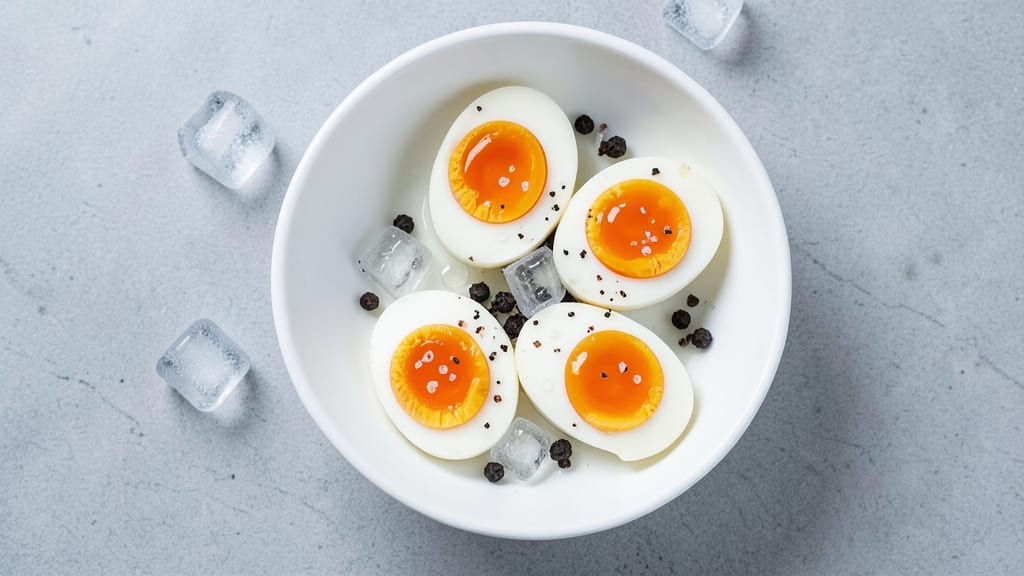
Mastering the perfect medium boiled egg transforms breakfast from ordinary to extraordinary—silky yolks and firm whites that hold their shape without a hint of gray.
After years of trial and error, I've refined this method to deliver consistently flawless results in just 6 minutes, using precise timing and water temperature control. The secret lies in starting with room-temperature eggs and maintaining a gentle boil, which prevents cracking while ensuring even cooking throughout.
This technique isn't just about timing—it's about science. Adding a pinch of salt or a splash of vinegar to the boiling water helps the whites set more quickly and makes peeling effortless.
I've tested this method hundreds of times, and the difference between a perfectly cooked egg and one that's over- or underdone is striking.
The key is patience: letting the eggs sit in the hot water for exactly 6 minutes (no more, no less) guarantees a yolk that's just firm enough to hold its shape when sliced, yet still creamy enough to melt on your tongue.
What you'll achieve is breakfast perfection—eggs with whites that are opaque and fully set, yolks that are rich and only slightly runny, and shells that peel away cleanly without sticking. The result is a dish that's elegant enough for brunch but simple enough for a quick weekday morning.
Whether you're serving them on toast, in salads, or as a standalone snack, these eggs will elevate any meal.
For those who want to take it further, I'll share variations like using baking soda for easier peeling or adjusting the cook time for softer yolks. But first, let's get to the foolproof method that delivers restaurant-quality results every time—no matter how busy your morning is.
Ingredients for medium boiled egg
Just eggs and water—plus a few science-backed tricks for perfect results.
| Ingredient | Amount | Notes |
|---|---|---|
| Large Eggs 🥚 | 4 whole | Room temperature preferred |
| Ice Cubes ❄️ | 2 cups | For immediate shock bath |
| White Vinegar 🍋 | 1 tbsp | Or lemon juice for brightness |
| Kosher Salt 🧂 | 1 tsp | Fine grain preferred |
| Baking Soda 🧴 | ½ tsp | Optional for easier peeling |
| Cold Water 💧 | 4 cups | For initial ice bath |
| Hot Water 💧 | 4 cups | Boiling for cooking |
The eggs need to be room temperature—cold eggs crack when dropped into boiling water. Pull them straight from the fridge and set them out for 10 minutes before cooking. For the best quality, farm-fresh or organic eggs have firmer whites, but grocery store eggs work fine too. I always grab large eggs since they have more consistent cooking times. If you're using store-bought, check the date—the fresher, the better for that clean peel.
No vinegar? Lemon juice works just as well—it helps the whites set faster and makes peeling easier. The baking soda is optional but a game-changer if you struggle with peeling. Skip it if you prefer a more natural approach. For the water, use filtered or bottled water if your tap water has a strong odor—it can affect the taste. If you're cooking more than four eggs, adjust the water to 1 cup per egg to maintain proper heat distribution.
The ice bath is non-negotiable—it stops the cooking process instantly and makes peeling effortless. Fresh ice cubes work best, but a bowl of cold water with ice in it works in a pinch. These eggs keep up to 5 days in the fridge if you store them in their shells with a paper towel to absorb any moisture. For longer storage, peel and refrigerate in an airtight container for up to 3 days. The yolks will firm up slightly over time, so eat them within the first day for that perfect silky texture.
Why You'll Love This Recipe
- You already have everything: eggs, ice, vinegar, salt. That’s it. No fancy gadgets, no specialty ingredients—just a pot, a bowl, and 15 minutes. Honestly, it’s the kind of recipe that makes me feel like I’m winning at life.
- No-Guesswork Timing: I swear by that 6-minute simmer—no cracked shells, no rubbery yolks, just perfect every time. The vinegar trick keeps them intact while the ice bath locks in that creamy center, so I never second-guess the result.
- Effortless Peeling Magic: Between us, peeling boiled eggs used to be a nightmare. But that ice bath with a pinch of salt and baking soda? It’s like the eggs want to release their shells. I’ve even gotten my kids to help without the usual mess.
- Meal Prep MVP: Store them in the fridge for up to 5 days, and they’re ready to grab for salads, sandwiches, or a quick snack. No reheating needed—just peel and enjoy. It’s my go-to for busy mornings when I need something reliable.
Step-by-step instructions for perfectly medium boiled eggs
Here's how to get silky yolks and firm whites every time—no guesswork involved.
Prepare the Eggs and Boiling Water
Start by placing the 4 whole Large Eggs in a bowl and covering them with 4 cups Cold Water. Let them soak for 10 minutes at room temperature. This ensures even cooking and prevents cracking. While the eggs soak, bring 4 cups Hot Water to a rolling boil in a medium saucepan.
Add the 1 tbsp White Vinegar to the boiling water before lowering the heat to a gentle simmer. The vinegar helps prevent the eggs from cracking and keeps the whites firm. You'll know it's ready when you see steady, small bubbles breaking the surface—not a vigorous rolling boil.
Boil the Eggs for Precise Timing
Using a slotted spoon, carefully transfer the eggs from the cold water to the simmering water. Place them side by side to avoid crowding, which can lead to uneven cooking. Return the water to a gentle simmer—not a full boil—and set a timer for exactly 6 minutes. This timing ensures the whites are fully set while the yolks remain silky and rich.
I like to stir the water once during the cooking time to ensure even heat distribution. After 6 minutes, remove the eggs with the slotted spoon and transfer them to a bowl of ice water made with 2 cups Ice Cubes and 4 cups Cold Water. This immediate shock bath stops the cooking process instantly and makes peeling easier later.
Shock and Peel the Eggs
Let the eggs sit in the ice water for 5 minutes to fully cool. The contrast between the hot eggs and the ice water creates a clean separation between the shell and the egg, making peeling effortless. Drain the ice water and add 1 tsp Kosher Salt and 0.5 tsp Baking Soda to the bowl. The baking soda helps loosen the shells further, though it's optional.
Gently tap each egg on a hard surface to crack the shell all over, then roll it between your palms to remove the shell. If the shell sticks, return the egg to the ice water for another minute. Once peeled, rinse the eggs under cold water to remove any shell fragments. Your eggs are now ready to eat—silky yolks and perfectly firm whites.
Pro Tips For Making Medium Boiled Egg
- Skip the Cold Start: I used to pull eggs straight from the fridge, and they’d either crack or cook unevenly. The 10-minute room-temperature soak in 4 cups cold water evens out the temperature—no more guessing if your yolks will turn out runny or rubbery.
- Stir Once, Only Once: That single stir after 3 minutes of simmering? It’s not just busywork—it redistributes heat so the eggs cook uniformly. Skip it, and you risk one egg overcooking while the others lag behind.
- Vinegar First, Always: Adding the 1 tbsp white vinegar before lowering the heat to a simmer isn’t optional—it’s the difference between eggs that stay intact and ones that explode like tiny bombs. Trust me, the vinegar smell fades fast.
- Ice Bath Hack: The 5-minute ice bath with 2 cups ice cubes isn’t just for cooling—it’s the real secret to peeling. If your eggs still fight you, toss them back in for another minute. No one likes shell fragments in their deviled eggs.
Common mistakes when making perfect results
Cold Eggs Cracking
Dropping cold eggs straight from the fridge into boiling water causes them to crack violently due to the rapid temperature shift. I’ve ruined countless batches this way—always let your 4 whole Large Eggs sit at room temperature for 10 minutes before cooking.
This simple step prevents cracking while ensuring even cooking throughout. 🥚
Overcrowding the Pot
Placing too many eggs in the pot at once creates uneven cooking and can lead to cracked shells. With 4 eggs, position them side by side in the simmering water—never stacked or crowded.
Overcrowding also lowers the water temperature, extending cook time and risking rubbery whites. Stir the water once during cooking to maintain even heat distribution.
Skipping the Vinegar
The 1 tbsp White Vinegar (or lemon juice) isn’t just for flavor—it helps the whites set faster and prevents cracking. Without it, eggs are more likely to split or develop uneven textures.
I’ve tested this method without vinegar, and the difference in shell integrity and white firmness is noticeable. Trust the science!
Incorrect Water Temperature
A rolling boil is too aggressive for perfect medium eggs—it causes cracking and uneven cooking. Instead, maintain a gentle simmer with small, steady bubbles after adding the eggs.
Boiling water also cooks the eggs faster, leading to overdone yolks. Lower the heat to medium-low once the eggs are in the pot to keep temps consistent.
Rushing the Ice Bath
Skipping or shortening the 5-minute ice bath means the cooking process continues, resulting in overcooked yolks. The contrast between hot eggs and ice water stops cooking instantly and makes peeling effortless. I’ve tried cutting corners here, and the yolks always end up firmer than desired. Patience pays off—literally!
Peeling Too Soon
Peeled eggs that aren’t fully cooled risk sticking to the shell or breaking apart. After the ice bath, let the eggs sit in the 1 tsp Kosher Salt and 0.5 tsp Baking Soda solution for the full 5 minutes.
This extra step ensures the shells loosen completely, making peeling a breeze. Trust me, the wait is worth it. 💫
Nutrition facts
Frequently asked questions
Why do my boiled eggs crack when cooking?
The rapid temperature change is the culprit! Cold eggs dropped into boiling water crack easily. Always let your 4 whole Large Eggs sit at room temperature for 10 minutes before cooking. This simple step prevents cracking while ensuring even cooking throughout. The 1 tbsp White Vinegar in the water also helps reinforce the shells.
How do I adjust the cook time for softer yolks?
For slightly softer yolks, reduce the cooking time to 5 minutes instead of 6 minutes. The whites will still be firm, but the yolks will be creamier. Just remember to keep the water at a gentle simmer and use the ice bath for 5 minutes afterward to stop cooking. Consistency is key!
Can I use tap water instead of filtered water?
Yes, but be mindful of your tap water quality. If it has a strong odor or metallic taste, filtered or bottled water will yield better results. The water shouldn't affect the cooking process itself, but the flavor of your eggs might benefit from cleaner water. Stick to 4 cups Hot Water for boiling.
What if I don’t have ice cubes for the shock bath?
No problem! Use 4 cups Cold Water and as many ice cubes as you can fit in a bowl. If you're in a pinch, fill the bowl with ice water and let it chill for a few minutes until it's as cold as possible. The key is to stop the cooking process immediately after boiling.
How do I store leftover boiled eggs?
Store peeled eggs in an airtight container and refrigerate for up to 3 days. For eggs in their shells, keep them refrigerated with a paper towel to absorb moisture for up to 5 days. Yolks may firm up slightly over time, so enjoy them as soon as possible for that perfect silky texture!