
Sauces & Condiments
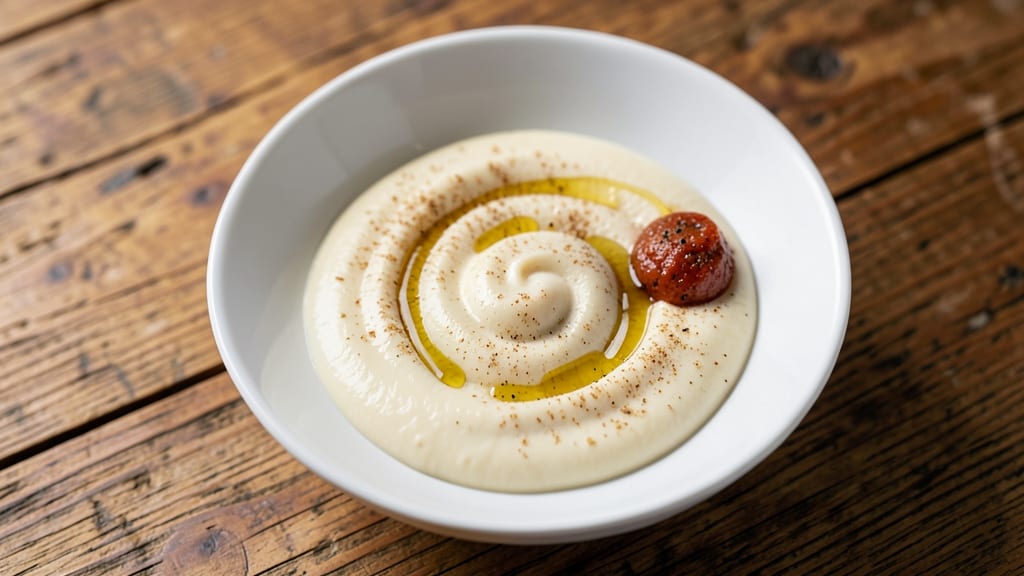
Creating a stable, creamy mayo without eggs was my biggest challenge until I discovered the power of aquafaba—yes, that liquid from chickpea cans. Standing on a step stool in my grandmother’s kitchen in Sicily, I learned that Italian cooking thrives on clever substitutions, and this vegan mayo proves it.
The secret lies in blending aquafaba with oil in stages, creating an emulsion so smooth it rivals traditional recipes.
This recipe transforms simple pantry staples into a rich, tangy spread that’s perfect for sandwiches, dips, or dressings. The key is patience—whisking the aquafaba until frothy before gradually adding oil ensures that creamy texture without any lumps.
I’ve tested this method countless times, and it never fails to deliver a stable, velvety mayo that holds up for days.
What you’ll end up with is a versatile condiment that’s just as creamy as classic mayo but entirely plant-based. The flavor is bright, slightly tangy, and packed with that familiar mayo richness—ideal for tacos, burgers, or even as a base for vegan aioli.
The best part? It stores beautifully in the fridge for up to two weeks, making it a go-to for meal prep.
For extra flavor, mix in garlic, Dijon mustard, or fresh herbs after blending. Here’s everything you need to make it—no eggs required!
Ingredients for mayo recipe no egg
Simple pantry staples transform into velvety mayo—no eggs needed, just chickpea liquid magic.
| Ingredient | Amount | Notes |
|---|---|---|
| Aquafaba 🥫 | ½ cup | Liquid from chickpea cans, drained |
| Extra-Virgin Olive Oil 🫒 | 1 cup | High-quality, fruity variety |
| Apple Cider Vinegar 🍏 | 1 tbsp | White vinegar works too |
| Dijon Mustard 🌶️ | 1 tsp | For tangy depth |
| Salt 🧂 | ½ tsp | Kosher or sea salt |
| Garlic Powder 🧄 | ¼ tsp | Fresh garlic for stronger flavor |
| White Pepper 🌶️ | ¼ tsp | Or black pepper |
| Sugar 🍬 | ¼ tsp | Balances acidity |
| Lemon Juice 🍋 | 1 tsp | Freshly squeezed |
Aquafaba is the star here—save the liquid from a can of chickpeas (or buy it pre-drained). Trader Joe's sells it in the canned goods aisle if you don’t want to fish it out yourself. The olive oil needs to be high-quality—none of that cheap stuff that turns rancid fast. I always grab a small bottle of California extra-virgin from the grocery store’s olive oil section, where they taste-test before selling. The vinegar is key for tang, but apple cider vinegar has a nicer flavor than white—though white works in a pinch if that’s what you’ve got.
No aquafaba? Silken tofu blended with water works (use 0.25 cup tofu + 0.25 cup water), but it’s not as stable. Short on Dijon? Yellow mustard at half the amount gets you close. The garlic powder is optional, but fresh minced garlic (0.5 tsp) adds serious depth. For extra richness, add 0.25 cup cashew cream (soaked cashews blended with water) after emulsifying. This mayo thickens as it sits—add a splash of water if it gets too stiff. Store-bought mayo too thin? This fixes it every time.
This keeps for 2 weeks in the fridge, sealed tightly in a jar. The flavor actually improves after a day or two—give it time before judging. For meal prep, divide into small containers so you only open what you’ll use. Freezing isn’t recommended (it separates), but you can freeze portions for up to 1 month if you whisk it back to smoothness after thawing. The lemon juice keeps it fresh longer, so don’t skip it—even if you’re not a lemon fan, it’s worth it.
Why You'll Love This Recipe
- No Egg, No Problem: I swear by this for quick sandwiches—just whisk aquafaba with olive oil and vinegar until it’s silky. No waiting for eggs to chill, no mess, just smooth mayo in minutes.
- Tangy Twist: That apple cider vinegar gives it a bright kick—honestly, it’s the secret weapon. The Dijon mustard adds depth, so it’s never bland, even when I forget to add extra salt.
- Meal Prep MVP: I make a big batch on Sundays because it keeps for days in the fridge. Slap it on wraps, salads, or even mac and cheese—it’s my go-to for lazy weeknights.
- Budget-Friendly Magic: Olive oil and aquafaba (from canned chickpeas!) cost pennies compared to store-bought mayo. Plus, it’s vegan, so I don’t have to buy separate condiments for guests.
Step-by-step instructions for egg-free mayonnaise
This method delivers a stable, velvety spread using simple pantry staples.
Whisk Aquafaba Until Foamy
In a clean, dry mixing bowl, pour the 0.5 cup aquafaba and whisk vigorously with a hand mixer or stand mixer fitted with the whisk attachment. Start on low speed and gradually increase to medium-high for 3-5 minutes until the mixture becomes pale, thick, and forms soft peaks when the whisk is lifted. You'll see the volume nearly triple and hear a faint sizzling sound—this is your signal that the aquafaba has incorporated enough air.
This step is crucial for achieving that classic mayo texture. If the mixture isn't thickening after 5 minutes, try using a slightly larger whisk or ensuring your bowl has no residual grease. The aquafaba should hold its shape when the whisk is lifted, similar to whipped egg whites but slightly looser.
Gradually Add Olive Oil in Slow Streams
With the mixer running on low speed, begin adding the 1 cup extra-virgin olive oil very slowly—about 1 teaspoon at a time. This gradual approach prevents the mixture from breaking. After each addition, let the oil fully incorporate before adding more. You'll notice the mixture transform from pale foam to a thick, creamy consistency as the oil emulsifies with the aquafaba.
Don't rush this process. If you add the oil too quickly, the mixture will separate and become oily. The key is patience—this slow incorporation creates that stable emulsion that keeps mayo from separating. Once all the oil is incorporated, the mixture should resemble thick, glossy pudding.
Incorporate Remaining Ingredients
With the mixer still running on low speed, add the 1 tablespoon apple cider vinegar, 1 teaspoon Dijon mustard, 0.5 teaspoon salt, 0.25 teaspoon garlic powder, 0.25 teaspoon white pepper, 0.25 teaspoon sugar, and 1 teaspoon lemon juice. Mix just until these ingredients are fully combined—about 30 seconds. The vinegar and lemon juice add tanginess while balancing the richness of the oil, and the sugar helps stabilize the emulsion.
Here's where the flavors come together. The Dijon mustard adds depth, the garlic powder provides subtle warmth, and the white pepper gives a clean finish without the specks of black pepper. Taste as you go—you can adjust the acidity with more vinegar or lemon juice if needed, or add a pinch more salt if it tastes bland.
Check Consistency and Adjust
Transfer the mayonnaise to a clean jar or bowl. At this point, it should be thick and creamy, but if it's too thin, add 1-2 teaspoons more aquafaba and whisk briefly to incorporate. If it's too thick, add 1 teaspoon water or more vinegar to loosen it. The ideal consistency should be smooth, glossy, and hold its shape on a spoon without dripping excessively.
This adjustment ensures your mayo will spread smoothly on sandwiches or hold its form when piped. Real talk: the first batch might not be perfect, but you'll quickly learn how your specific ingredients behave. Store any leftovers in an airtight container in the refrigerator for up to 1 week, though it's best used within a few days for peak flavor.
Pro Tips For Making Mayo Recipe No Egg
- Whisk Until Sizzling: That faint sizzling sound when whisking the aquafaba? Wait for it—it’s your cue the mixture is ready. I used to cut it short, but skipping this step means your mayo will feel flat and oily instead of light and fluffy.
- Oil in Drops, Not Rivers: One teaspoon at a time, no exceptions. I learned this after watching my first batch curdle into a greasy mess when I poured the olive oil too fast. Slow and steady wins the emulsion race—trust me, your mayo will thank you.
- Vinegar First, Then Taste: Add the apple cider vinegar and lemon juice all at once, then taste before adjusting. I used to drizzle it in while mixing, but this way, you avoid over-acidifying and ending up with mayo that tastes like a pickled salad.
- Mustard Starts the Flavor: Don’t skip the Dijon mustard—it’s not just for tang. It acts as an emulsifier and carries the garlic powder’s warmth deeper into the mix. I’ve tried omitting it once; the result was bland and thin. Add it early, and your mayo will have real depth.
Serving suggestions for this dish
Classic Sandwich Spread
This vegan mayo shines on Italian subs with prosciutto, mozzarella, and roasted red peppers from my local Italian deli. I also love it on grilled cheese sandwiches with sharp cheddar and tomato slices—it adds that creamy richness without dairy.
For a Sicilian twist, spread it on panini with soppressata and burrata. 🥪
Dipping Sauce Magic
Use it as a dip for vegetable sticks like carrots, celery, and bell peppers. I mix in 1 teaspoon sriracha for a spicy kick or add 1 tablespoon chopped fresh dill for a bright, herby flavor.
It’s also perfect for vegan spring rolls or fries—just drizzle it on top or serve on the side. The tangy balance makes it irresistible.
Salad Dressing Twist
Thin it with 2 tablespoons water or lemon juice to create a creamy dressing for green salads. I toss it with arugula, cherry tomatoes, and shaved fennel for a refreshing Italian-inspired salad.
For extra depth, add 1 teaspoon balsamic vinegar and a pinch of dried oregano. It’s lighter than traditional ranch but just as satisfying. 🥗
Meal Prep Must-Have
Pack it in small jars for lunchbox spreads—it’s perfect for wraps with hummus and roasted veggies or as a base for tuna-free "tuna" salad with chickpeas and celery. I also use it as a binder in vegan meatballs (mix 1 tablespoon mayo into the breadcrumbs) to keep them moist.
The flavor holds up beautifully in meal prep containers for up to 5 days. ✨
Garnish Like a Pro
Pipe it onto plates as a garnish for burgers or bowls with a squeeze of lemon on top. For a restaurant-worthy touch, drizzle it over avocado toast with everything bagel seasoning.
I also love swirling it into soups like chili or gazpacho just before serving—it adds a velvety finish without overpowering the dish.
Sweet Applications
Yes, you read that right! Mix 1 teaspoon vanilla extract and 1 tablespoon maple syrup into the mayo for a vegan frosting or cookie filling. It’s lighter than buttercream but just as creamy.
I’ve used it to fill vegan whoopie pies or as a glaze for donuts. The acidity balances the sweetness perfectly—trust me, it’s a game-changer. 🍰
Nutrition facts
Frequently asked questions
Why use aquafaba instead of eggs in mayo?
Aquafaba—chickpea brine—creates a stable emulsion just like eggs, but without the risk of raw egg consumption. It’s packed with proteins and emulsifiers that bind oil and vinegar perfectly. Plus, it’s a pantry staple you likely already have from canned chickpeas! The result is just as creamy and rich as traditional mayo.
Can I make this mayo without a mixer?
While a mixer makes it easier, you can use a sturdy whisk and strong arm. Start by whisking the aquafaba until frothy, then slowly drizzle in the oil while whisking constantly. It’ll take more elbow grease, but patience pays off—just like Nonna’s secret recipes!
What if my mayo separates?
No stress! If it breaks, just whisk in 1 teaspoon aquafaba or 1 tablespoon vinegar to re-emulsify. For stubborn separation, blend the mixture briefly with an immersion blender. The key is slow oil addition—rushing causes separation, just like skipping steps in my grandmother’s pasta recipe.
Can I freeze this vegan mayo?
Freezing works, but it may separate slightly. Thaw in the fridge overnight, then whisk vigorously to restore creaminess. For best results, use within 1 month after freezing. I prefer storing it in the fridge for up to 2 weeks for peak flavor—just like fresh pasta from my Sicilian roots.