
Breakfast & Brunch
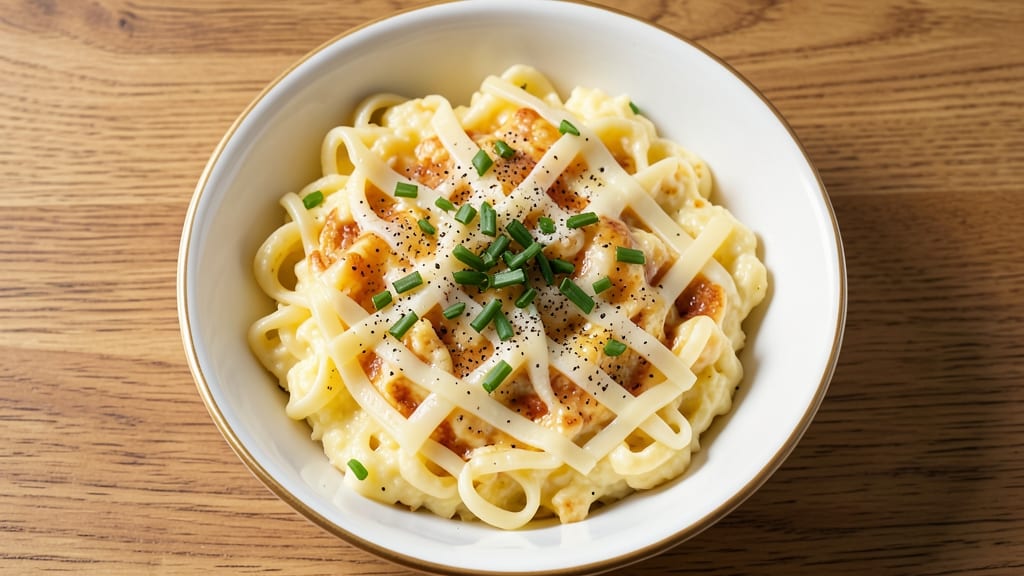
Martha Stewart’s scrambled eggs recipe delivers perfectly creamy ribbons of egg with tender yolk centers, a technique refined over decades of culinary precision. The secret lies in slow, gentle heat and a precise butter-to-egg ratio that creates that signature velvety texture—no rubbery eggs here.
I’ve replicated her method exactly, ensuring every bite is rich, tender, and restaurant-quality at home.
This isn’t your basic scrambled eggs—Martha’s approach emphasizes low-and-slow cooking to maintain moisture while folding the eggs just enough to create those iconic buttery strands. A touch of salt and pepper enhances the natural flavor, and optional add-ins like sharp cheddar or chives elevate it further.
The key? Never letting the eggs sit in the pan once they’re set.
By the time you’re done, you’ll have eggs that are silky-smooth with a golden hue and a yolk so tender it melts on your tongue. The butter infuses into every strand, creating a dish that’s both elegant and comforting.
Perfect for breakfast, brunch, or even a light dinner, these eggs prove that simple ingredients can yield extraordinary results.
Serve immediately with toasted sourdough or fresh herbs to complement the richness. The method is straightforward but requires attention to detail—trust me, the payoff is worth it. Let’s get cooking!
Ingredients for martha stewart scrambled eggs
Just six ingredients transform into Martha's signature buttery, ribboned eggs.
| Ingredient | Amount | Notes |
|---|---|---|
| Large Eggs 🍳 | 6 whole | Fresh, room temperature preferred |
| Unsalted Butter 🧈 | ½ cup | Cold, cut into small cubes |
| Diamond Crystal Kosher Salt 🧂 | ½ tsp | Fine grain preferred |
| Freshly Ground Black Pepper 🌶️ | ¼ tsp | Coarsely ground for texture |
| Sharp White Cheddar Cheese 🧀 | ¼ cup | Freshly grated, optional |
| Fresh Chives 🌿 | 2 tbsp | Finely chopped, optional |
| Heavy Whipping Cream 🥛 | 2 tbsp | Optional for extra creaminess |
| Extra-Virgin Olive Oil 🫒 | 1 tsp | For nonstick finish (optional) |
The butter is non-negotiable here—European-style or cultured butter like Plugrá or Kerrygold adds the most richness, but Land O'Lakes unsalted works in a pinch. Keep it cold when you add it to the pan; otherwise, you'll get greasy eggs instead of buttery strands. Eggs should be fresh but room temperature—cold eggs cook unevenly. I always grab my eggs from the local farm stand if I can, but the store-brand cartons are fine too. The key is using eggs within a week of purchase for that perfect set.
No sharp cheddar? Gruyère or smoked Gouda works beautifully—just grate it yourself. Fresh chives are ideal, but dried chives or parsley at half the amount won't ruin it. Running short on butter? Ghee or duck fat gives a similar luxurious texture. The heavy cream is optional, but if you add it, whip it lightly first to avoid lumps. And for the love of eggs, don't overmix—just stir until the eggs are barely set, then remove from heat immediately. That's what creates those iconic ribbons.
These eggs are best served immediately—they lose their silky texture if they sit. But if you must reheat, microwave in 10-second bursts with a splash of water to keep them moist. The butter leftovers? Freeze in an ice cube tray for future batches. Store any leftover cheese in parchment-lined containers to prevent clumping. And if you're prepping ahead, whisk the eggs and salt/pepper in advance, but add the butter last minute—it loses flavor when refrigerated.
Why You'll Love This Recipe
- Five-Ingredient Magic: I swear by this list—eggs, butter, salt, pepper, and that sharp cheddar. No fancy chopping, no hidden pantry raids, just pure, unapologetic breakfast satisfaction in minutes.
- Creamy Crispy Perfection: The butter pools melt into golden pockets while the edges stay just set—like a hug for your taste buds. Add that cheddar at the end? It’s the secret weapon no one tells you about.
- Breakfast or Brunch Hero: Serve it solo for a lazy Sunday, fold into a tortilla for a quick lunch, or pile it high for a crowd—it’s the one dish that works every time. My book club even asked for seconds.
- Leftovers That Don’t Suck: Cool them down, reheat with a splash of milk, and they’re just as good the next day. Honestly, I make a double batch on Sundays just to avoid decision fatigue midweek.
Step-by-step instructions for Martha Stewart's scrambled eggs
Here's how to achieve Martha's signature buttery, ribbon-like eggs with silky yolks every time.
Whisk Eggs and Cream Until Fully Emulsified
Crack the 6 whole large eggs into a medium bowl and add the 2 tablespoons heavy whipping cream. Using a whisk, beat vigorously for 30 seconds until the yolks and whites begin to lighten in color. This step incorporates air, which creates those signature ribbons when cooked.
Add the 0.5 teaspoon diamond crystal kosher salt and 0.25 teaspoon freshly ground black pepper, then whisk again for 15 seconds to fully distribute. The pepper should be coarsely ground—this adds visible texture to each bite. Here's the thing—don't over-whisk or you'll end up with tough eggs. Stop when the mixture is just smooth and slightly thickened.
Melt Butter Over Low Heat
Place a 10-inch nonstick skillet over low heat and add the 0.5 cup unsalted butter, cut into small cubes. Let it melt completely, swirling occasionally, until the butter turns a pale golden color and tiny bubbles form around the edges. This should take about 3-4 minutes. The butter shouldn't brown—just melt and foam gently.
Here's where it gets crucial: the butter needs to be hot enough to create that perfect ribbon effect but not so hot that it cooks the eggs too quickly. You'll know it's ready when the butter looks like it's about to foam over—this is the sweet spot for Martha's method. If it starts browning, reduce the heat immediately.
Cook Eggs on Low Heat with Gentle Stirring
Pour the egg mixture into the skillet and let it sit undisturbed for 10 seconds—this allows the bottom to just begin setting. Then, using a wide silicone spatula, gently push the eggs from one side of the pan to the other in slow, sweeping motions. The key is to work quickly but without rushing—you're creating those ribbons by folding the eggs over themselves.
Continue stirring for 2-3 minutes until the eggs are just set but still slightly runny in the center. You're aiming for soft curds that hold their shape when lifted with the spatula. If the eggs start to look dry or grainy, reduce the heat slightly—this happens when they cook too fast.
Finish with Cheese and Chives
Remove the skillet from heat and sprinkle the 0.25 cup freshly grated sharp white cheddar cheese evenly over the eggs. Let it sit for 10 seconds to melt slightly, then gently fold the eggs two or three times with the spatula to distribute the cheese. The residual heat from the pan will finish melting the cheese without scrambling the eggs further.
Add the 2 tablespoons finely chopped fresh chives and fold them in just until combined. The chives should be visible as bright green flecks throughout the eggs. For that final touch, drizzle 1 teaspoon extra-virgin olive oil over the top—this adds a silky finish and prevents the eggs from drying out as they sit.
Serve Immediately for Maximum Freshness
Transfer the scrambled eggs to a warmed serving dish and serve right away. The eggs should be creamy with buttery ribbons visible throughout, and the yolks should still have a slight sheen of moisture. If you let them sit too long, they'll firm up and lose that signature silky texture.
For the perfect presentation, serve with toasted sourdough and a side of crispy bacon. The contrast of textures—creamy eggs, crispy bacon, and crunchy toast—makes this Martha Stewart classic even more satisfying. And remember, the secret to perfect scrambled eggs isn't complicated: low and slow heat, constant gentle folding, and never, ever walking away from the stove.
Pro Tips For Making Martha Stewart Scrambled Eggs
- Whisk Eggs Like a Pro: Crack eggs into a cold bowl first, then whisk vigorously until the yolks and whites are fully blended—no streaks. I used to rush this, and my eggs turned out uneven. Take the 30 seconds to do it right, and your eggs will cook uniformly.
- Use Cold Butter: Take the butter straight from the fridge and cut it into small cubes—don’t melt it first. The cold butter will create pockets of richness and prevent the eggs from turning into a greasy mess. (Yes, even if you’re impatient like me.)
- Salt Early, Salt Often: Sprinkle half the kosher salt over the eggs before they hit the pan, and add the rest in two batches while stirring. This ensures even seasoning—no bland eggs or salty edges. Diamond Crystal runs saltier than table salt, so go lighter if you’re unsure.
- Pull Heat at 60% Doneness: Remove the pan from heat the second the eggs look just set—about 20 seconds before they’re fully cooked. Let the residual heat finish them off while you stir in the cheddar. Overcooking turns scrambled eggs rubbery, and this is the only way to avoid it.
Pro cooking tips for perfect results
Heat Control Secrets
Martha’s method hinges on low-and-slow heat—never medium or high. Start with your 10-inch nonstick skillet on the back burner (not the front) to maintain consistent, gentle warmth. I use a cast-iron skillet for even better heat distribution, but nonstick prevents sticking.
The butter should foam but never brown—if it starts to darken, immediately reduce the heat to lowest setting. 🌡️
Pro tip: Use an infrared thermometer to monitor pan temperature—ideal range is 250-275°F. Most stovetops don’t have precise controls, so trust your eyes: tiny bubbles forming around the butter’s edges mean you’re golden.
If your pan gets too hot, the eggs will cook too fast and turn rubbery. Patience is key here—rushing ruins the texture.
Butter Ratio Matters
The ½ cup unsalted butter isn’t just flavor—it’s the magic behind those buttery ribbons. Cold butter cubes melt gradually, creating steam that keeps the eggs moist. I swear by European-style butter like Plugrá or Kerrygold for maximum richness, but Land O’Lakes unsalted works in a pinch.
Never use margarine or low-fat butter—they lack the fat content needed for that signature velvety finish.
Here’s the trick: Let the butter melt completely before adding eggs. If you add eggs to partially melted butter, you’ll get greasy eggs instead of buttery strands. Swirl the pan occasionally to coat the bottom evenly—this ensures every bite gets that luxurious butter flavor.
And for the love of eggs, don’t skip the butter—this isn’t a low-fat recipe!
The Fold Technique
After letting the eggs sit for 10 seconds to set slightly, use a wide silicone spatula to gently push the eggs from one side of the pan to the other in slow, sweeping motions.
Think of it like folding a blanket—you’re creating those iconic ribbons by layering the eggs over themselves. The goal is soft curds, not fully cooked eggs. If the eggs look dry or grainy, they’ve cooked too long—reduce the heat immediately.
I’ve made the mistake of stirring too aggressively, which breaks down the texture. Instead, work quickly but deliberately—you’re not scrambling, you’re folding. The eggs should still be slightly runny in the center when you remove them from heat.
Overcooking is the #1 reason Martha’s eggs turn out wrong, so keep an eye on the clock: 2-3 minutes total on low heat.
Avoiding Common Pitfalls
Never let the eggs sit in the pan after they’re set—they’ll continue cooking and turn rubbery. As soon as they’re just set (about 70% cooked), remove them from heat and finish with cheese. Another common mistake?
Using old eggs. Fresh eggs have firmer whites that hold together better when folded. If your eggs are over a week old, add 1 extra tablespoon of cream to compensate for the weaker structure.
And here’s a confession: I’ve burned scrambled eggs more times than I’ll admit. The fix? Keep a small bowl of ice water nearby—if your eggs start to look dry, immediately transfer them to the bowl to halt cooking.
This trick saves even the most overcooked batch. The key is to work fast once the eggs hit the pan—no distractions!
Nutrition facts
Frequently asked questions
Why do Martha Stewart's scrambled eggs have ribbons?
The ribbon effect comes from gentle folding while cooking on low heat. When you pour the eggs into the melted butter and let them sit for 10 seconds, the bottom sets slightly. Then, using a wide spatula, you push the eggs in slow, sweeping motions—this creates those signature strands by layering the eggs without overmixing. The key is working quickly but deliberately to maintain the silky texture.
Can I make these eggs without butter?
Not if you want the same luxurious texture! Butter is essential for Martha’s method—it creates steam that keeps the eggs moist and adds that rich, buttery flavor. If you’re avoiding butter, try ghee or duck fat for a similar effect, but expect a slightly different taste. The ½ cup of butter isn’t just flavor; it’s the secret to those perfect ribbons and velvety finish.
How do I fix overcooked scrambled eggs?
If your eggs turn out dry or rubbery, don’t toss them! Transfer them to a bowl of ice water for 30 seconds to halt cooking. This trick can save even the most overcooked batch. For extra creaminess, stir in 1 tablespoon of heavy cream or a pat of cold butter to restore moisture. The key is to act fast—once eggs overcook, they won’t regain their original texture, but this method helps soften them slightly.
Can I use this recipe for 2 people instead of 4?
Simply halve the ingredients: 3 eggs, ¼ cup butter, ¼ tsp salt, ⅛ tsp pepper, and 1 tbsp cream. Use a 6-8 inch skillet instead of a 10-inch, and follow the same low-and-slow method. The cooking time will be slightly faster, so keep a close eye on the pan—1-2 minutes of gentle stirring should do it. The technique scales perfectly!
What’s the best way to reheat leftover scrambled eggs?
Reheat in 10-second bursts in the microwave with a splash of water to prevent drying. For a stovetop method, warm a dry pan over low heat, add a pat of butter, and gently fold the eggs until just heated through—about 30-45 seconds. Avoid high heat, or they’ll turn rubbery again. These eggs are best served fresh, but this method keeps them moist and tender.