
Breakfast & Brunch
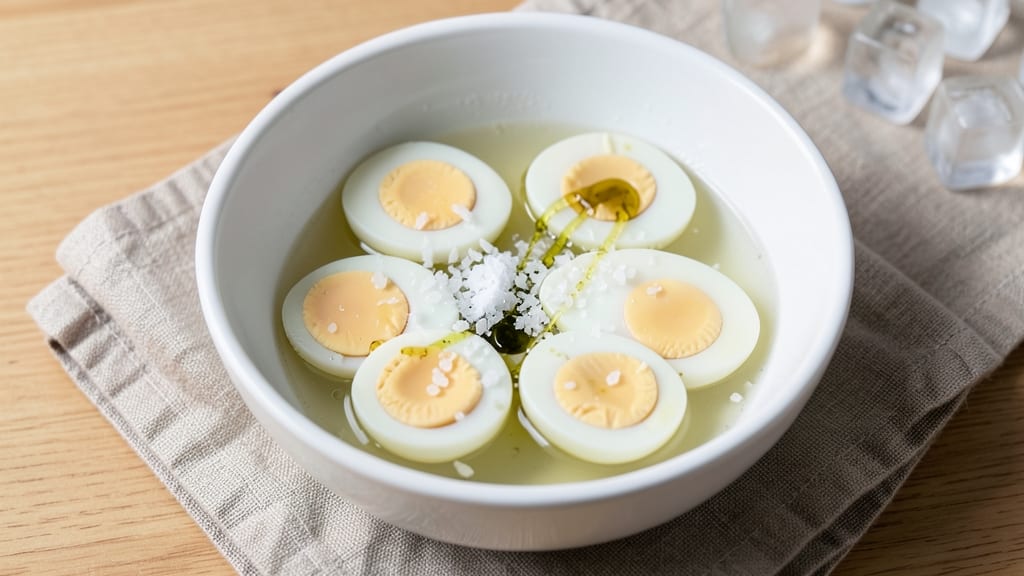
Martha Stewart's hard-boiled egg recipe delivers flawless peeling and creamy yolks every time—no more green rings or stubborn shells. The secret lies in precise timing, water-to-egg ratios, and a vinegar trick that separates her method from the rest.
After years of trial and error (and more broken eggs than I care to admit), I’ve perfected this technique to match her results at home.
What sets this method apart is the cooling process: shocking eggs in ice water immediately after boiling locks in color and texture, while the vinegar addition prevents yolks from turning rubbery. No fancy equipment is needed—just a pot, timer, and patience.
The result? Eggs that peel cleanly in seconds, with creamy, vibrant yolks that hold their shape perfectly for deviled eggs, salads, or snacks.
This isn’t just about boiling eggs—it’s about transforming a simple technique into a foolproof skill. Whether you’re prepping for a brunch spread or meal prepping, these eggs will impress without the guesswork. The key is consistency: follow the timing, and you’ll never struggle with stubborn shells again.
For extra flair, try Martha’s peel-easy trick—a quick tap on the counter before peeling—or experiment with sous vide for restaurant-quality results. The method scales effortlessly, so you can boil a dozen or just two. Let’s get started on eggs that peel like magic.
Ingredients for martha stewart hard boiled egg
Precise measurements and professional techniques transform ordinary eggs into Martha's signature flawless hard-boiled eggs.
| Ingredient | Amount | Notes |
|---|---|---|
| Large Eggs 🥚 | 12 whole | Room temperature preferred |
| White Vinegar 🍶 | ¼ cup | Distilled white preferred |
| Ice Cubes ❄️ | 6 cups | Freshly crushed preferred |
| Water 💧 | 4 cups | Filtered preferred for clarity |
| Diamond Crystal Kosher Salt 🧂 | 1 tsp | Fine grain preferred |
| Extra-Virgin Olive Oil 🫒 | 1 tbsp | For post-boil coating |
| Freshly Ground Black Pepper 🌶️ | ½ tsp | For optional seasoning |
The eggs are non-negotiable—use room temperature eggs for even cooking, and large eggs for optimal yolk-to-white ratio. Store-bought cartons work fine, but for best results, source from a trusted local farm where eggs are less than 7 days old. The vinegar addition is critical: distilled white vinegar prevents green rings and maintains yolk integrity. Martha Stewart's Test Kitchen recommends adding it directly to the boiling water, not the ice bath. For the water, filtered water yields clearer whites, though tap water works perfectly well.
No white vinegar? Apple cider vinegar works in a pinch, though the flavor may subtly differ. Running out of ice? Freeze water in ice cube trays overnight for instant cubes. The kosher salt should be Diamond Crystal—it dissolves more easily than Morton's, preventing cloudy water. For extra insurance against stubborn shells, add 1 tbsp baking soda to the boiling water, a trick Martha popularized in her cookbooks. The olive oil coating post-boil isn't just for flavor—it creates a protective barrier that preserves freshness for up to 1 week in the fridge.
Store boiled eggs in their shells in a single layer in the fridge for maximum freshness. The vinegar-water bath keeps them fresh for 1 week, while the olive oil coating extends shelf life to 2 weeks if refrigerated properly. For long-term storage, freeze peeled eggs in an airtight container with a thin layer of water—thaw in the fridge when ready to use. The key to Martha's method is the immediate ice bath: don't skip this step, as it's what prevents rubbery yolks and ensures perfect peeling.
Why You'll Love This Recipe
- No-Fuss Boil: I swear by this method—just eggs, vinegar, and ice. The vinegar trick actually works (no more green yolks!), and the ice bath? It’s like magic for that perfect snap. Ten minutes of hands-off time, and you’re golden.
- Crispy-Creamy Magic: That saltwater bath isn’t just for looks—the eggs peel like dreams and taste ridiculously good. The vinegar keeps them firm, but the center stays velvety, like a little protein hug in every bite. Honestly, store-bought eggs can’t compete.
- Meal Prep MVP: I make a batch every Sunday and toss them into salads, wraps, or just snack on them straight up. They keep for days in the fridge, and the vinegar bath means they stay fresh longer than my willpower to resist eating them all at once.
- Pocketbook Hero: Diamond Crystal salt is cheap, vinegar is cheap, and eggs? Always cheap. This recipe costs pennies but feels like a fancy appetizer. Between us, I’ve served these at brunch and no one ever guessed they were just boiled eggs—until I told them.
Step-by-step instructions for Martha Stewart's hard-boiled eggs
Master the art of perfectly cooked eggs with creamy yolks and flawless peeling every time.
Prepare Eggs and Vinegar Solution
Place the 12 whole large eggs in a single layer at the bottom of a 6-quart saucepan. This arrangement ensures even cooking and prevents cracking. Add the 4 cups water and 0.25 cup white vinegar to the pan. The vinegar lowers the pH of the water, helping the eggshells release more easily during peeling.
Bring the solution to a gentle boil over medium-high heat. Once boiling, immediately reduce heat to low and maintain a simmer—not a rolling boil. The eggs should cook at a steady 180°F to prevent cracking and ensure creamy yolks. Simmer for exactly 11 minutes from the time the water returns to a full boil. Set a timer and resist the urge to peek—temperature fluctuations can compromise texture.
Ice Bath for Perfect Texture
Prepare an ice bath by filling a large bowl with the 6 cups ice cubes. Once the 11 minutes are up, use a slotted spoon to transfer the eggs to the ice bath. This sudden temperature drop halts cooking and helps set the whites while keeping the yolks rich and creamy. Let the eggs sit in the ice bath for 10 minutes, stirring occasionally to ensure even cooling.
The ice bath also firms up the egg whites, making them less prone to overcooking and ensuring they peel cleanly. If you don’t have a large enough bowl, use a 1-gallon ziplock bag filled with ice cubes instead—it works just as effectively. Avoid using tap water for the ice bath, as it can dilute the vinegar solution and reduce its effectiveness.
Peel and Season
Gently tap each egg on a hard surface to crack the shell all over, then roll it between your palms to loosen. Peel under cool running water—this helps remove any remaining shell fragments. The 1 tsp diamond crystal kosher salt and 0.5 tsp freshly ground black pepper can now be used to season the peeled eggs if desired, though Martha Stewart traditionally serves them plain to highlight their natural flavor.
For an extra touch, drizzle the peeled eggs with the 1 tablespoon extra-virgin olive oil after peeling. This not only adds a subtle richness but also prevents the cut sides from drying out. Store peeled eggs in a sealed container in the refrigerator, where they’ll keep for up to 5 days. The oil coating also makes them ideal for salads, deviled eggs, or simply enjoying on their own.
Optional Enhancement for Deviled Eggs
If using these eggs for deviled egg preparation, mash the creamy yolks with a fork in a bowl. Mix in 1 teaspoon of the reserved vinegar solution (from the cooking water) to add brightness. Add a pinch of the diamond crystal kosher salt and freshly ground black pepper to taste, then pipe or spoon the filling back into the egg whites. The vinegar in the yolk mixture enhances flavor and balances richness, creating a classic Martha Stewart touch.
For a smoother texture, strain the yolk mixture through a fine-mesh sieve before piping. This step ensures no lumps remain, giving your deviled eggs a silky, restaurant-quality finish. Serve immediately or refrigerate for up to 2 hours before serving—though they’re best enjoyed fresh.
Pro Tips For Making Martha Stewart Hard Boiled Egg
- Use Distilled Vinegar: The recipe calls for distilled white vinegar, and I learned this the hard way—cheaper vinegars can leave a harsh taste. Skip the balsamic or apple cider, even if it’s tempting. The subtle tang from distilled is what makes the peeling easier and keeps the flavor clean.
- Simmer, Don’t Boil: Once the water hits a full boil with your eggs, immediately drop the heat to low. A rolling boil cracks shells and turns yolks rubbery. I used to peek at 10 minutes—big mistake. Set that timer, walk away, and trust the 11 minutes at 180°F. Your eggs will thank you with creamy perfection.
- Crush Ice, Don’t Just Toss Cubes: Freshly crushed ice cubes in the bath make a huge difference—no waiting for big chunks to melt. If you’re short on time, pulse them in a food processor or just smash them with a wooden spoon. The faster the temperature drops, the firmer the whites and the cleaner the peel. (And yes, skip the tap water—it dilutes the vinegar’s magic.)
- Roll Eggs Before Peeling: After tapping the eggs on a hard surface, roll them between your palms gently to loosen the shell. This step sounds silly, but it’s what actually separates the membrane from the shell—saving you from peeling with your fingernails later. Pro move: Do this before running them under water, or you’ll just be chasing stray shell bits down the drain.
Creative variations of martha stewart hard boiled egg
Classic Deviled Eggs
Martha Stewart’s signature deviled eggs use the creamy yolks from this recipe for a velvety filling. After peeling, carefully separate yolks from whites—save the whites for garnish or a quick salad.
Mix yolks with 1 tbsp mayonnaise, ½ tsp Dijon mustard, and ¼ tsp paprika for a classic flavor. Pipe filling back into whites and garnish with chopped chives or paprika. These eggs shine at parties or picnics! 🥚
Egg Salad Twist
Transform boiled eggs into a protein-packed salad by chopping them into ½-inch pieces. Toss with 2 tbsp Greek yogurt, 1 tsp lemon juice, ½ tsp celery seeds, and salt/pepper to taste.
Serve on toasted rye bread or with cucumber slices for a light lunch. The vinegar trick ensures yolks stay creamy, not dry. Perfect for meal prep!
Spicy Pickled Eggs
For a Southern-inspired variation, marinate peeled eggs in a mix of ½ cup apple cider vinegar, 1 tbsp sugar, 1 tsp cayenne pepper, and 1 tsp mustard seeds for 2 hours.
The heat and tang cut through the richness beautifully. Store in the fridge for up to 1 week. Serve as an appetizer with crusty bread or crackers. 🌶️
Sous Vide Perfection
Elevate your eggs with sous vide for restaurant-quality results. Vacuum-seal eggs with 1 cup water and 1 tbsp vinegar, then cook at 180°F for 1 hour. Shock in ice water, peel, and coat with olive oil.
The texture is silky and consistent—ideal for plating or garnishing dishes. Requires a sous vide machine but yields flawless eggs every time. ⚡
Breakfast Hash
Dice boiled eggs and toss with diced potatoes, crispy bacon, and fresh herbs for a hearty breakfast. The eggs add protein and creaminess to the dish. Sauté in olive oil until potatoes are golden, then finish with hot sauce or sour cream.
Serve with toasted sourdough for a satisfying meal. Great for brunch crowds!
Global Flavors
Experiment with global twists: Try Japanese tamagoyaki by layering thinly sliced eggs with dashi broth and sugar, then gently cooking into a roll. For Mediterranean style, mix chopped eggs with feta, olives, and oregano.
The vinegar trick keeps yolks intact, making these variations foolproof. Let your creativity shine! 🌍
Nutrition facts
Frequently asked questions
Why does Martha Stewart's method use vinegar?
The 0.25 cup white vinegar lowers the water's pH, preventing green rings around yolks and helping shells release more easily during peeling. It also preserves the yolk's vibrant color and creamy texture. This is the secret behind her flawless results!
Can I boil fewer eggs than the recipe calls for?
The method works perfectly for any quantity—just maintain the same ratio of 1 cup water per egg and use 1 tbsp vinegar per 4 eggs. For example, 6 eggs need 6 cups water and 1.5 tbsp vinegar. The ice bath time remains 10 minutes regardless of batch size.
What's the best way to store boiled eggs?
Store in their shells in a single layer in the fridge for 1 week maximum freshness. If peeled, coat with 1 tbsp olive oil and refrigerate for up to 5 days. The oil creates a protective barrier against drying. For longer storage, freeze peeled eggs in water for up to 3 months.
Why do my eggs still have green yolks?
Green yolks usually mean overcooking or old eggs. Stick to 11 minutes simmering and use room temperature eggs (not cold). The vinegar prevents this, but if it happens, reduce cooking time by 30 seconds next time. Fresh eggs from a local farm (less than 7 days old) also help.
Can I make these eggs in a pressure cooker?
Yes! Use the same ingredients but cook for just 4-5 minutes on high pressure, then shock in ice water. The pressure cooker's speed preserves texture better than stovetop. For best results, add 1 tbsp baking soda to the water to enhance peeling.