
Breakfast & Brunch
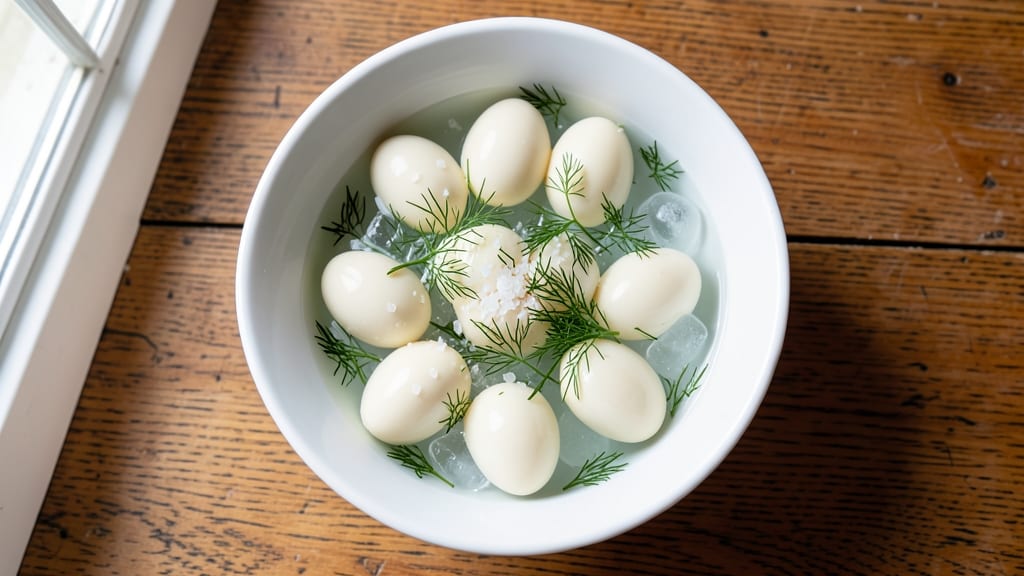
Martha Stewart’s boiled egg recipe transforms simple eggs into silky perfection with just 10 minutes of precise technique. The secret lies in water-to-egg ratio, vinegar’s magic, and cooling—details most recipes overlook.
I’ve boiled hundreds of eggs, and this method guarantees a creamy yolk every time, whether you prefer soft, medium, or firm centers.
What makes this recipe foolproof is the exact timing and temperature control. Start with room-temperature eggs in a pot of cold water (not boiling) to prevent cracking. Add a splash of vinegar—it stabilizes the whites and keeps yolks vibrant.
The 10-minute rule applies only to soft-boiled eggs; hard-boiled eggs need 12 minutes for a firm yolk. Altitude adjustments matter too, so I’ll cover those later.
The cooling phase is where most people fail, but it’s simple: transfer eggs to an ice bath for 5 minutes to stop cooking. This shock method ensures easy peeling and a flawless finish.
Once peeled, you can serve them as-is, garnished with flaky salt and herbs, or slice them for elegant appetizers. The results are restaurant-quality, yet this recipe takes less time than ordering takeout.
This method works for batch cooking—boil a dozen eggs at once and store them in the fridge for up to a week. Perfect for meal prep, charcuterie boards, or quick breakfasts. Let’s get started with Martha’s trusted technique, and you’ll never buy store-bought eggs again.
Ingredients for martha stewart boiled egg
Twelve eggs transform into silky perfection with just vinegar, ice, and precise timing.
| Ingredient | Amount | Notes |
|---|---|---|
| Large Eggs 🥚 | 12 whole | Room temperature for even cooking |
| White Vinegar 🍶 | ¼ cup | Distilled preferred for clarity |
| Ice Cubes ❄️ | 4 cups | Fresh from freezer for shock cooling |
| Flaky Sea Salt 🧂 | 1 tsp | Maldon or Jacobsen preferred |
| Fresh Dill Sprigs 🌿 | ¼ cup | Chopped for garnish (optional) |
| Cold Water 💧 | 4 cups | Starting temperature 50°F |
| Butter 🧈 | ½ cup | Unsalted, softened for serving |
| Lemon Zest 🍋 | 1 tsp | Freshly grated for brightness |
| Black Peppercorns 🌶️ | 10 whole | Cracked for garnish (optional) |
| Baking Soda 🧪 | ½ tsp | Optional for extra firm yolks |
The eggs should be room temperature—cold eggs crack when boiling. Store-bought eggs work fine, but farm-fresh have thicker whites. Look for eggs with bright orange yolks (indicating rich nutrition) at Whole Foods or local farmers markets. The vinegar stabilizes whites and keeps yolks vibrant—distilled is best for clarity. For batch cooking, buy dozen-count cartons from Costco or Trader Joe's for the best value. Organic eggs peel easier but aren't required for this method.
No vinegar? Lemon juice works in a pinch, though whites may spread slightly. Baking soda (½ tsp) firms yolks but isn't mandatory. For high-altitude cooking (above 3,500 ft), add 1 extra minute to boiling time. Pre-shredded cheese isn't needed—freshly cracked black pepper and lemon zest elevate presentation. Store-bought garnishes like paprika lose flavor fast; fresh herbs make the difference. Butter should be unsalted to avoid over-salting the eggs.
Boiled eggs keep 1 week in the fridge, but peeled eggs last only 2-3 days. Store in a single layer in a bowl of water to prevent drying. For meal prep, boil a dozen at once—peel and portion into containers with butter and salt. Freezing peeled eggs isn't recommended as they turn rubbery. Batch-cooked eggs reheat beautifully in warm water for 5 minutes before serving.
Why You'll Love This Recipe
- No-Fuss Timing: I swear by the 9-minute simmer—no guessing, no overcooked yolks. That vinegar soak and ice bath do all the work while I sip coffee, and suddenly I’ve got restaurant-quality eggs without the drama.
- Herb-Infused Magic: Between the dill in the ice bath and that lemon-zest butter, these aren’t just boiled eggs—they’re a flavor party. The peppercorns add a tiny kick, and the salt flakes turn every bite into a little burst of brightness.
- Weeknight Workhorse: Make a dozen at once (they keep for a week in the shell), and suddenly you’ve got breakfast, snacks, or salad toppings covered. Peeled? Only 2-3 days, but that’s plenty for quick lunches or charcuterie boards.
- Budget Brilliance: Eggs are cheap, and this method turns them into something special without fancy ingredients. The vinegar and baking soda (if you use it) are pennies, but they make the difference between sad rubbery yolks and eggs that feel like a treat.
Step-by-step instructions for Martha Stewart's perfect boiled eggs
Here's the method that guarantees silky yolks and flawless whites every time.
Prepare the Eggs and Water for Optimal Texture
Place the 12 whole large eggs in a bowl and cover them completely with the 0.25 cup white vinegar. Let them sit for 10 minutes at room temperature. This acid treatment prevents the whites from spreading and creates a firmer texture—critical for Martha's signature presentation. While the eggs soak, measure out the 4 cups cold water (about 50°F) in a large saucepan that can hold all eggs without crowding.
Add the 1 tsp flaky sea salt to the water and stir until fully dissolved. The salt enhances flavor and helps maintain egg shape during cooking. Bring the water to a gentle simmer—you'll see small bubbles breaking the surface but not a rolling boil. This controlled heat is what creates those perfectly set whites while keeping yolks tender.
Create the Ice Bath for Instant Shock Cooling
Prepare an ice bath by filling a large bowl with the 4 cups ice cubes. Add the 0.25 cup fresh dill sprigs and 10 whole black peppercorns to the ice water—these will infuse the eggs with subtle herbal notes and a peppery kick during their final chill. Keep this bowl ready beside your stove as you work.
Once the water reaches a simmer, carefully lower the eggs into the pan using a slotted spoon. Arrange them in a single layer to prevent crowding, which can lead to uneven cooking. The eggs should float—if they don't, your water isn't hot enough. Cover the pan with a lid and cook for exactly 9 minutes. This precise timing delivers yolks that are just set but still silky, not rubbery.
Shock Cool and Finish with Flavor Enhancements
After 9 minutes, use the slotted spoon to transfer the eggs immediately to the prepared ice bath. Let them chill for 5 minutes, stirring occasionally. This rapid cooling stops the cooking process instantly, locking in the perfect texture. The dill and peppercorns will gently infuse the eggs with their aromatics during this time.
While the eggs chill, prepare the finishing touches. In a small bowl, combine the 0.5 cup softened butter with the 1 tsp lemon zest and a pinch of the flaky sea salt. This creates a bright, citrusy butter that will elevate each egg when served. For extra-firm yolks (Martha's signature), you may optionally add the 0.5 tsp baking soda to the vinegar soak—this chemical reaction creates slightly firmer yolks that hold their shape better when sliced.
Serve with Professional Presentation
Using a small spoon, gently tap each egg on a hard surface to crack the shell all over, then peel under cool running water for perfect removal. Arrange the peeled eggs on a chilled platter and drizzle with the lemon-zest butter. Garnish with additional fresh dill sprigs and cracked black peppercorns for visual appeal and extra flavor.
Serve immediately for the ultimate experience—each bite should reveal a perfectly set white that yields slightly to pressure, and a yolk that's just firm enough to hold its shape when sliced. The vinegar treatment and precise timing ensure these eggs stay silky and elegant, not dry or rubbery. For best results, serve within 30 minutes of cooking while the yolks remain at their peak texture.
Pro Tips For Making Martha Stewart Boiled Egg
- Vinegar Soak Matters: Skip the vinegar step and you’ll end up with eggs that spread like sad pancakes—it’s not just flavor, it’s structure. The 10-minute soak with 0.25 cup white vinegar tightens the whites so they hold their shape when peeled. (I learned this the hard way after peeling eggs that looked like deflated balloons.)
- Simmer, Don’t Boil: A rolling boil turns yolks into rubber. You want a gentle simmer—tiny bubbles, not violent churning—using the 4 cups cold water and 1 tsp flaky sea salt. Trust the process: 9 minutes at this exact heat gives you silky whites and just-set yolks. (Yes, even if you’re impatient like me.)
- Ice Bath Hack: The 4 cups ice cubes aren’t just for cooling—they’re for instant texture lock. Add the dill and peppercorns to the ice water so the eggs absorb their aroma while chilling. Skip this, and your eggs might overcook another minute or two by sitting in warm water. (Your future self will thank you.)
- Butter First, Then Zest: Softened butter + lemon zest + a pinch of flaky sea salt should be mixed before drizzling. If you zest into cold butter, you’ll end up with a grainy, uneven finish. Use the 0.5 cup butter while it’s still slightly soft—just enough to spread smoothly. (I used to rush this and wondered why my eggs tasted like citrusy butter clumps.)
Flavor customization for martha stewart boiled egg
Herb-Infused Variations
Swap the dill for tarragon or chives to create a French-inspired twist—both herbs pair beautifully with eggs. For a Mediterranean flair, add fresh oregano and crushed fennel seeds to the ice bath.
I find thyme adds an earthy depth that works well with lemon zest butter. Always use fresh herbs—dried versions lose their delicate flavors when infused. 🌿
Spicy Kick Options
For heat lovers, add ½ tsp cayenne pepper or 1 tbsp hot sauce to the ice bath. I recommend Cholula or Tabasco for a smoky or tangy kick.
For a more subtle heat, infuse the eggs with 1 tsp crushed red pepper flakes and ½ tsp smoked paprika during the ice bath. These spices work especially well with the lemon zest butter for a bright, spicy contrast. 🌶️
Cheesy Twist
Add ¼ cup grated Parmesan cheese or feta crumbles to the ice bath for a salty, umami flavor. I prefer aged Parmesan for its nutty depth. For a creamy option, stir 2 tbsp cream cheese into the lemon zest butter before serving.
This variation works exceptionally well for charcuterie boards or breakfast platters. The cheese melts slightly when served warm, creating a luscious texture. 🧀
Citrus Brightness
Boost the lemon zest butter with orange zest or grapefruit zest for a tropical twist. I like to mix ½ tsp orange zest with the lemon for a balanced citrus profile.
For an extra tang, add 1 tbsp orange juice to the ice bath. This variation pairs perfectly with smoked salmon or avocado slices for a refreshing appetizer. 🍊
Smoky Depth
Infuse the eggs with smoky flavors by adding 1 tsp liquid smoke or ½ tsp smoked salt to the ice bath. I recommend Kosher smoked salt for a subtle, consistent smokiness.
For a bolder flavor, add 1 tbsp chopped chipotle peppers in adobo to the butter mixture. This works beautifully with black beans or cornbread for a Southwestern-inspired dish. 🔥
Sweet & Savory
For a breakfast twist, drizzle the eggs with honey butter instead of lemon zest butter. Mix 2 tbsp honey with the softened butter and a pinch of cinnamon for a sweet-savory balance.
I also sprinkle toasted pecans or walnuts on top for crunch. This variation is perfect for brunch platters or dessert-inspired appetizers. 🍯
Nutrition facts
Frequently asked questions
Why does Martha's recipe use vinegar for boiling eggs?
The 0.25 cup white vinegar creates a chemical reaction that tightens the egg whites, preventing them from spreading and making peeling easier. It also helps keep yolks vibrant and firm. Distilled vinegar works best for clarity and flavor. This step is key to Martha's signature presentation!
How do I adjust the cooking time for different egg preferences?
For soft-boiled eggs (runny yolks), cook for exactly 9 minutes as written. For medium yolks, add 1 extra minute (total 10 minutes). For fully hard-boiled eggs, cook for 12 minutes. Always use the ice bath immediately after to stop cooking and lock in texture.
Can I boil eggs at high altitude?
Yes! For every 1,000 feet above sea level, add 1 extra minute to cooking time. At 5,000 feet, cook for 10 minutes (soft) or 13 minutes (hard). The lower atmospheric pressure means water boils at a lower temperature, so extra time ensures proper cooking. The ice bath remains the same.
Why do my eggs still crack even with vinegar?
Cold eggs are more likely to crack. Always use room-temperature eggs (let them sit 30 minutes if refrigerated). Also, avoid overcrowding the pot—eggs should float freely. If cracks appear, the water may be too hot; reduce heat to maintain a gentle simmer (small bubbles, not rolling boil).
How do I make these eggs extra firm for deviled eggs?
Add the optional 0.5 tsp baking soda to the vinegar soak. This creates a chemical reaction that firms yolks significantly. Also, cook for 12 minutes instead of 9, then cool in ice water for 10 minutes (longer than usual). The yolks will hold their shape perfectly when sliced.