
Breakfast & Brunch
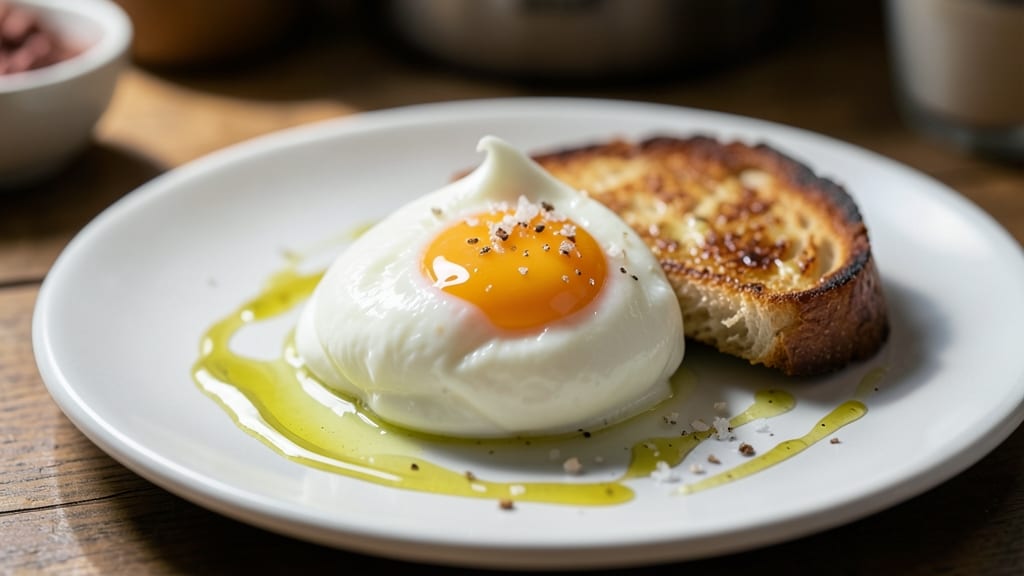
Mastering Jamie Oliver’s poached egg recipe transforms simple breakfast into a restaurant-worthy experience—runny yolks that glide onto toasted bread like liquid gold. The secret lies in precise technique: vinegar-infused water, gentle simmering, and timing that keeps whites perfectly set while yolks stay molten.
I’ve tested countless methods, and this one delivers consistently flawless results every time.
What sets this recipe apart is its simplicity combined with professional-level precision. You’ll need just a few pantry staples: eggs, white vinegar, and toasted bread, but the method requires attention to detail—like maintaining a gentle simmer and sliding eggs in with care.
The vinegar creates a clean, tight white while preserving that velvety yolk that makes poached eggs irresistible.
By the time you plate your first perfect poached egg, you’ll understand why this technique elevates breakfast from ordinary to extraordinary. The contrast of runny yolk against crispy toast or buttery soldiers creates a harmony of textures that’s impossible to resist.
Whether you’re serving it solo or as part of a brunch spread, this recipe delivers restaurant-quality results at home.
Pair these eggs with avocado toast, fresh salad, or classic soldiers for a meal that feels both indulgent and effortless. The key to success? Staying patient and trusting the process—once you master it, you’ll never go back to overcooked eggs again.
Let’s get started on creating your best poached eggs yet.
Ingredients for jamie oliver poached egg
Just a handful of ingredients, but the technique transforms breakfast into restaurant-quality magic.
| Ingredient | Amount | Notes |
|---|---|---|
| Large Eggs 🥚 | 4 whole | Room temperature for even cooking |
| White Vinegar 🍋 | ¼ cup | Distilled preferred for clarity |
| Water 💧 | 4 cups | Filtered for best results |
| Salt 🧂 | 1 tsp | Diamond Crystal preferred |
| Bread Slices 🍞 | 8 slices | Sourdough or brioche preferred |
| Unsalted Butter 🧈 | 2 tbsp | Full-fat for richness |
| Freshly Ground Black Pepper 🌶️ | ½ tsp | For finishing |
| Chives 🌿 | 2 tbsp | Chopped, for garnish |
| Lemon Zest 🍋 | ½ tsp | Optional, for brightness |
| Olive Oil 🫒 | 1 tbsp | For toasting bread |
The eggs are non-negotiable—fresh, large eggs from the grocery store’s refrigerated case (not the shell eggs at room temp). Trader Joe's or Whole Foods carry the best for poaching, but any store’s top shelf works. Room temperature matters: take them out 20 minutes before cooking. White vinegar is key—distilled gives the cleanest whites, but apple cider works in a pinch. I keep a bottle on hand just for this recipe. The water should be barely simmering, not rolling—think of it like a whisper, not a shout.
No vinegar? Lemon juice at half the amount works, but the whites won’t be as tight. For the bread, sourdough or brioche is ideal—it holds up to the egg’s weight better than flimsy white bread. Toast it until golden and crisp, then rub with a garlic clove if you’re feeling fancy. The butter should be softened but not melted—microwave it for 20 seconds if it’s too firm. Swap chives for parsley if you prefer, but chives add that subtle oniony kick that pairs perfectly with runny yolks. Lemon zest is optional, but it brightens everything up—worth the extra squeeze.
Eggs poach best fresh, but the bread? Toast it just before serving—it goes limp fast. Store leftover poached eggs in ice water for up to 2 days (yes, really), but they’re best eaten immediately. The vinegar water can be reused 2-3 times if you strain it after each batch. For brunch prep, make the vinegar water ahead and keep it at a gentle simmer on low heat. The bread? Toast it in batches and keep it warm in a 200°F oven until serving time.
Why You'll Love This Recipe
- No-Fuss Technique: I swear by the vinegar-water bath—just 5 minutes of gentle simmering, and you’ve got eggs with that perfect runny center. No fancy gadgets, no broken yolks clinging to the pan. My kids call it "magic egg time" because it’s over before they lose interest.
- Crispy Edge Magic: That toasted bread? Chef’s kiss. The salted crust soaks up the egg’s richness while staying sturdy enough to hold it all. Honestly, I’ve tried fancier setups, but this combo—simple toast + runny yolk—is my secret weapon for breakfast or late-night snacks.
- Breakfast or Brunch: Serve it on buttered sourdough for a lazy weekend brunch, or toss it into a lunchbox with leftover roasted veggies. Between us, it’s my go-to when I need something instantly satisfying but still feels special. (Yes, even on a Tuesday night.)
- Pantry Staple Power: Three ingredients—eggs, vinegar, bread—and you’re golden. No specialty items, no last-minute grocery runs. I’ve made this with stale bread (toasted first, obviously) and it still tasted ridiculous. Budget-friendly? Absolutely. Foolproof? Even more so.
Step-by-step instructions for Jamie Oliver's poached egg recipe
Here's how to achieve Jamie Oliver's signature runny yolk perfection every time.
Prepare the Poaching Water
In a deep saucepan, combine the 4 cups water, 1 teaspoon salt, and 0.25 cup white vinegar. The vinegar is crucial—it lowers the eggs' surface tension so they hold their shape beautifully. Bring the mixture to a gentle simmer over medium heat (around 180-190°F). You want small, steady bubbles breaking the surface, not a rolling boil. Keep the water at this temperature while you prepare the eggs and toast the bread.
Here's the thing—if the water boils vigorously, the eggs will spread out and lose their shape. I like to keep a thermometer handy to maintain that gentle simmer. Once it reaches temperature, reduce the heat to low and let it hold there. You'll know it's ready when you see those tiny bubbles forming continuously.
Toast the Bread and Prepare the Plate
While the water simmers, heat a dry skillet over medium heat and toast the 8 slices bread for 1-2 minutes per side until golden brown. I use the 1 tablespoon olive oil to lightly brush each slice before toasting—this adds richness and prevents burning. The bread should be crisp enough to hold its shape but still soft enough to soak up the runny yolk.
For the plate presentation, I like to arrange the toasted bread slices on a warmed serving plate. You can stack them slightly or fan them out—either way, make sure they're all facing up so the eggs land perfectly. While the bread toasts, crack the 4 whole Large Eggs into small bowls or ramekins. Room temperature eggs poach more evenly, so if they're straight from the fridge, let them sit for 10 minutes before using.
Poach the Eggs to Runny Perfection
Using a spoon, gently stir the simmering water to create a gentle whirlpool. This helps the egg whites wrap around the yolk as they cook. Carefully slide one egg into the center of the whirlpool. The water should be hot enough that the whites immediately start to set but not so hot that they cook instantly. Let the egg poach for 3 minutes—you're aiming for a perfectly set white with a bright, runny yolk that wobbles when you jiggle the plate.
Here's where it gets technical: if the whites cook too fast, your yolk will be firm. If they don't set at all, the egg will spread like a pancake. The 3-minute mark is your sweet spot. Use a slotted spoon to carefully remove the egg and place it on a paper towel to drain any excess water. Repeat with the remaining eggs, keeping the water at a gentle simmer between each one.
Assemble and Garnish
Place one poached egg on each slice of toasted bread. The runny yolk should be centered and intact—if it's broken, gently press it back into place with a spoon. Dot each egg with 1 teaspoon unsalted butter (about 0.5 teaspoon per egg) and sprinkle with 0.125 teaspoon freshly ground black pepper (about 0.125 teaspoon per serving). The butter adds richness that balances the brightness of the egg.
For the final touch, sprinkle 0.5 tablespoon chopped chives and 0.125 teaspoon lemon zest over each serving. The chives add a fresh, oniony brightness, while the lemon zest lifts the dish without overpowering it. Serve immediately—this isn't a dish that waits. The runny yolk should glisten like a fresh pond, and the first bite should deliver that perfect contrast of silky yolk and crispy toast.
Pro Tips For Making Jamie Oliver Poached Egg
- Whirlpool First: I learned this the hard way—skipping the whirlpool means lopsided eggs that look like sad little pancakes. Stir the water into a gentle spin before sliding in each egg, and the whites will wrap neatly around the yolk like a perfect little nest.
- Vinegar Clarity Matters: Distilled white vinegar is non-negotiable here—cheap vinegar leaves cloudy water that makes your eggs look murky. If you’re in a pinch, use apple cider vinegar, but your whites won’t be as crisp. Trust me, the 0.25 cup makes a real difference.
- Butter Before Assembly: Dotting the butter after placing the egg on toast is a rookie move—it melts into the egg instead of creating that golden, velvety pool beneath the yolk. Spread a tiny dot of the 2 tbsp butter on each slice first, then top with the egg so it melts into the toast, not the egg.
- Eggs Out Early: Three minutes is your target, but pull the eggs out just before they look perfect—they’ll keep cooking on the paper towel. Overcook them, and you’ll end up with a sad, firm yolk. I know, I know, but trust the process (your future self will thank you).
Perfect pairings for this dish
Classic Soldiers
Jamie Oliver’s poached eggs shine brightest on soldiers—crispy toast strips cut into ½-inch thick batons. Use a sourdough baguette for sturdy texture, toasted until golden and buttery. Serve with a side of melted butter for dipping—this British brunch staple turns your eggs into a nostalgic, satisfying bite. 🍞
Avocado Toast
Spread ½ ripe avocado mashed with 1 tsp lemon juice and salt on toasted bread, then top with a poached egg. The creamy avocado balances the egg’s richness while adding vibrant green color.
I like to finish with flaky sea salt and a sprinkle of red pepper flakes for a modern twist on a breakfast classic.
Fresh Salad Base
Serve your poached eggs over a bed of mixed greens (arugula, spinach, or baby kale) tossed with 1 tbsp olive oil and 1 tbsp balsamic vinegar. Add sliced cherry tomatoes and crumbled feta cheese for a Mediterranean-inspired brunch salad. The acidity cuts through the richness of the egg beautifully.
Breakfast Hash
For a heartier option, combine your poached eggs with a potato hash—sauté 1 cup diced potatoes with 1 tbsp olive oil, ½ onion, and 1 tsp smoked paprika until crispy. Top with the egg and a dollop of sour cream for a satisfying, savory breakfast. 🍳
Bacon & Egg
Pair your poached eggs with crispy bacon—cook until medium crispiness (about 8-10 minutes) for the perfect crunch. Arrange the bacon alongside the egg on toast, then drizzle with a hollandaise sauce for a luxurious finish. This combo feels indulgent but still simple to prepare.
Garnish Game-Changers
Elevate your plating with these finishing touches: a drizzle of truffle oil (just ½ tsp) adds earthy depth, while crumbled everything bagel seasoning brings a smoky, savory kick. For a pop of color, add microgreens or edible flowers—they brighten the plate instantly. 🌸
Nutrition facts
Frequently asked questions
Why does the recipe call for white vinegar in the poaching water?
The 0.25 cup white vinegar is essential because it lowers the egg whites' surface tension, helping them hold their shape beautifully. Without it, your poached eggs might spread out like pancakes. Distilled vinegar works best for clarity, but apple cider vinegar is a good substitute. The acidity also helps create that clean, tight white that wraps perfectly around the yolk.
How do I fix overcooked eggs with firm yolks?
If your whites cook too fast and the yolks turn firm, you can try this trick: place the overcooked egg in a bowl of ice water for 10 minutes to cool it down. While it won't restore perfect runniness, it can make the texture slightly more forgiving. To prevent this, always maintain a gentle simmer (180-190°F) and poach for exactly 3 minutes per egg.
Can I make the poaching water ahead of time?
Yes! Prepare the vinegar-water mixture up to 2 hours ahead and store it at room temperature. Just before poaching, bring it to a gentle simmer over low heat. You can reuse the water for 2-3 batches if you strain out any stray egg bits between uses. The key is keeping it at that whisper-quiet simmer—never a rolling boil.
What's the best bread choice for serving these eggs?
The recipe suggests sourdough or brioche because their sturdy texture holds up to the weight of runny yolks. For classic soldiers, use a sourdough baguette cut into ½-inch strips and toasted until golden. If you prefer something lighter, try einkorn or whole grain bread—just make sure it's crisp enough to support the egg without getting soggy.
How do I keep my poached eggs warm while finishing the batch?
After removing each egg, place it on a wire rack over a bowl of simmering water (160°F) to keep it warm. This gentle heat maintains the yolk's runniness while you finish poaching the rest. For the bread, toast it in batches and keep it warm in a 200°F oven until serving. Never let the eggs sit at room temperature—they'll firm up quickly.