
Desserts
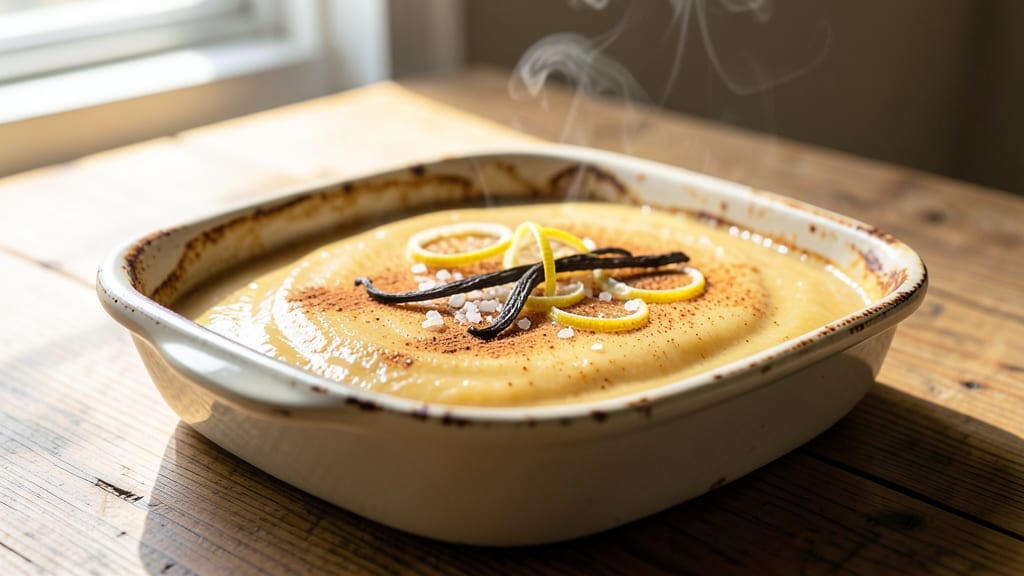
This grandma's egg custard recipe brings back the comforting warmth of childhood holidays, where every spoonful of silky, spice-infused creaminess feels like a hug. The key to its velvety texture lies in precise egg-to-milk ratios and gentle baking, a method passed down through generations.
I first learned it from my grandmother, who insisted the slow, steady heat was what made it perfect—never rushing, always patient.
The magic happens in the balance of ingredients: rich whole milk, perfectly tempered eggs, and a whisper of cinnamon or vanilla that transforms a simple custard into something extraordinary.
This isn't just dessert; it's a tradition, a centerpiece for family gatherings that tastes even better the next day when the flavors meld. The recipe builds confidence with straightforward steps, but the reward is pure nostalgia in every bite.
What you'll achieve is a golden, jiggly custard that sets beautifully in individual ramekins, its surface dusted with cinnamon or a delicate caramel sauce. The aroma alone will have everyone gathering around the table, and the texture—smooth, creamy, and just slightly firm—is impossible to resist.
It's the kind of dessert that turns ordinary evenings into special occasions.
Serve it warm with fresh berries or a drizzle of honey for a modern twist, or stick to the classic presentation for a timeless treat. The beauty of this recipe is its versatility—it's equally at home as a holiday centerpiece or a comforting weeknight dessert.
Here's how to bring grandma's magic to your kitchen.
Ingredients for grandma's egg custard
Six simple ingredients transform into velvety custard with grandma's timeless technique and patience.
| Ingredient | Amount | Notes |
|---|---|---|
| Large Egg Yolks 🥚 | 6 whole | Fresh, room-temperature preferred |
| Whole Milk 🥛 | 2 cups | Full-fat for optimal creaminess |
| Granulated Sugar 🍚 | ½ cup | Superfine preferred for smooth texture |
| Vanilla Extract 🌿 | 1 tbsp | Pure Madagascar bourbon preferred |
| Ground Cinnamon 🌶️ | 1 tsp | Freshly ground for aromatic intensity |
| Salt 🧂 | ¼ tsp | Diamond Crystal kosher preferred |
| Unsalted Butter 🧈 | 2 tbsp | Cold, cubed for topping |
| Large Egg Whites 🥚 | 3 whole | Room temperature for stability |
| Cornstarch 🌾 | 1 tbsp | For thickening consistency |
| Heavy Cream 🥛 | ¼ cup | Optional for extra richness |
| Lemon Zest 🍋 | ½ tsp | Brightens flavor profile |
| Ramekins 🍽️ | 6 whole | 4-6 oz capacity preferred |
The quality of your milk and eggs makes all the difference here. Whole milk from grass-fed cows delivers richer flavor, and fresh eggs from local farms ensure that perfect set. For vanilla, Madagascar bourbon extract offers the deepest aroma—avoid imitation extracts. The cinnamon should be freshly ground; pre-ground loses potency quickly. I always buy mine in small jars from specialty spice shops to ensure maximum flavor. The cornstarch acts as a subtle thickener, but don't overlook it—it's what gives that signature jiggle. For the butter topping, European-style unsalted butter like Plugrá melts beautifully without overpowering.
No vanilla extract? Seeds from a vanilla bean steeped in warm milk work beautifully, though they require a bit more effort. Substituting heavy cream for milk reduces richness, but adding an extra 1/4 cup of cream helps compensate. For a citrus twist, orange zest instead of lemon offers a different but equally delightful profile. The egg whites are optional but create a lighter texture if you prefer. If you're using them, make sure they're completely room temperature to prevent curdling. The sugar can be swapped for turbinado sugar, though it may require slightly longer baking time to achieve the same smoothness.
This custard improves with time—refrigerate overnight for the flavors to meld completely. Store in airtight containers for up to 5 days in the refrigerator. For longer storage, freeze individual portions in parchment-lined ramekins for up to 3 months. When reheating, use a water bath at 300°F for 20 minutes to maintain that silky texture. The butter topping should be added just before serving to prevent it from becoming greasy. For a modern presentation, serve with fresh berry compote or honey drizzle, but the classic version with just a dusting of cinnamon never disappoints.
Why You'll Love This Recipe
- No-Fuss Ingredients: I swear by this recipe because you already have everything—no special shopping trips. Just yolks, milk, sugar, a splash of vanilla, and a pinch of cinnamon. Honestly, the pantry version is often better than anything store-bought.
- Silky Smooth Magic: That slow simmer of egg yolks and milk? Pure comfort in a bowl. The cinnamon deepens over time, and the vanilla ties it all together like a warm hug. (Yes, even on a Tuesday night.)
- Breakfast or Dessert: Serve it chilled for a creamy dessert or warm with toast for a breakfast that feels fancy. I’ve even used it as a base for coffee custards—because why not? The possibilities are low-effort but high-reward.
- Makes a Crowd: A big batch stretches for days—pour into jars for grab-and-go breakfasts or reheat for instant dessert. Between us, the leftovers are the real MVP. Budget-friendly? Absolutely. Versatile? You bet.
Step-by-step instructions for grandma's egg custard
Here's the method that delivers silky, spice-infused custards with perfect texture every time.
Prepare the Custard Base
In a medium saucepan, combine the 2 cups whole milk, 0.5 cup granulated sugar, 1 tbsp vanilla extract, 1 tsp ground cinnamon, 0.25 tsp salt, and 0.5 tsp lemon zest. Warm over medium-low heat until the mixture reaches 160°F—just until small bubbles form around the edges but before it boils. This gentle heating ensures the spices infuse without scorching.
While the milk mixture warms, whisk together the 6 whole large egg yolks and 1 tbsp cornstarch in a separate bowl until smooth. Here's the thing—tempering is critical. Slowly pour about ½ cup of the warm milk mixture into the egg yolks while whisking constantly. This gradual addition prevents the eggs from curdling. Once fully incorporated, whisk the tempered egg mixture back into the remaining warm milk until completely combined.
Incorporate Egg Whites and Prepare Ramekins
In a separate, immaculately clean bowl, beat the 3 whole large egg whites to stiff peaks using a hand mixer. This step requires precision—add the 0.25 cup heavy cream in a slow stream while beating to lighten the mixture further. Fold this meringue-like mixture gently into the custard base in three additions, being careful not to deflate the egg whites.
Preheat your oven to 325°F. Lightly grease the 6 whole ramekins with a small amount of the 2 tbsp unsalted butter (about ½ tbsp per ramekin), then dust the interior with a pinch of granulated sugar. This creates a caramelized crust while preventing sticking. Divide the custard mixture evenly among the prepared ramekins, filling each about ¾ full. The sugar coating will form that signature golden crust we're after.
Bake to Silky Perfection
Place the filled ramekins in a deep baking dish and carefully pour hot water into the dish until it reaches midway up the sides of the ramekins. This water bath ensures gentle, even heating. Bake for 40-45 minutes until the custards are just set—when you gently shake the ramekin, the center should jiggle slightly but not be liquid. A toothpick inserted should come out clean.
Here's where it gets tricky: the custards are done when they're set but still slightly wobbly in the center. Overbaking will result in dry custards, while underbaking leaves them too soft. Remove from the water bath and let cool at room temperature for 10 minutes before refrigerating for at least 4 hours—preferably overnight. This chilling time develops the flavors and ensures clean slices when serving.
Pro Tips For Making Grandma'S Egg Custard
- Temper Slowly: DESCRIPTION: I learned this the hard way—dumping hot milk into egg yolks too fast turns your custard into scrambled eggs. Pour just ½ cup of the warmed milk into the yolks while whisking like you’re trying to win an egg-and-milk mixing contest. The yolks should thicken slightly before you add the rest.
- Whisk Like Your Life Depends on It: DESCRIPTION: The cornstarch in this recipe is your secret weapon for thickness, but it won’t work if you don’t whisk the yolks and sugar into a pale, ribbon-like smoothness first. I used to rush this, and my custards always ended up thin—now I count to 30 strokes just to be sure.
- Don’t Overmix the Egg Whites: DESCRIPTION: Folding in the stiff egg whites is where custards go from "good" to "grandma-approved." Beat them to peaks, then add the heavy cream in a slow drizzle—this keeps them light. If you overmix after adding the cream, you’ll deflate them faster than a sad balloon. Work gently, and fold in thirds like you’re tucking in a baby.
- Sugar the Ramekins Right: DESCRIPTION: That pinch of granulated sugar dusted inside each ramekin isn’t just for looks—it caramelizes into the golden crust we all crave. Use superfine sugar if you have it (it dissolves cleaner), and don’t skip the butter grease first. Trust me, the difference between a pretty crust and a sad, sticky mess comes down to this step.
Perfect pairings for this dish
Classic Serving Ideas
Serve warm grandma's egg custard straight from the ramekin with a sprinkle of ground cinnamon and a dollop of whipped cream for the ultimate comforting dessert. The warm spiced custard pairs beautifully with fresh berries—try raspberries or blackberries—for a bright contrast that cuts through the richness.
I always serve it this way during holidays, and it never fails to impress. 🍓
Modern Twists
For a matcha-inspired version, whisk 1 tsp high-quality matcha powder into the warm milk mixture before tempering the eggs. The earthy notes balance the custard's sweetness perfectly.
Another favorite is adding chocolate swirls: melt 2 oz dark chocolate with 1 tbsp heavy cream, cool slightly, then swirl into the custard before baking. 🍫
Beverage Pairings
A cup of earl grey tea—its bergamot notes complement the custard's vanilla and cinnamon—makes an elegant pairing. For coffee lovers, a strong brew of dark roast with a splash of vanilla syrup enhances the dessert's flavors.
I also enjoy a glass of chilled sparkling wine (like Prosecco) to cleanse the palate between bites. 🍷
Holiday Presentation
For a festive touch, arrange the custards on a wooden serving board with candied pecans scattered around. A drizzle of honey or caramel sauce adds a golden finish that looks stunning. During Thanksgiving, I serve it with pumpkin spice on top for an autumnal twist that guests rave about. ✨
Make-Ahead Magic
This custard tastes even better the next day, making it perfect for meal prep. Prepare it 24 hours ahead and store in the refrigerator. Before serving, reheat briefly in a 300°F water bath for 15 minutes to restore its silky texture.
The flavors deepen over time, so it's ideal for gatherings where you want to focus on other dishes. 💫
Kid-Friendly Adaptations
For picky eaters, try adding mini chocolate chips or crushed vanilla wafers to the custard mixture before baking. The familiar flavors often encourage kids to try something new.
Another trick is serving it with a drizzle of Nutella or strawberry jam on top—it becomes an instant hit at family gatherings. 🧒
Nutrition facts
Frequently asked questions
Why does my custard come out grainy or curdled?
Curdling happens when eggs cook too quickly or aren't properly tempered. Always whisk the warm milk mixture slowly into the egg yolks—never pour hot liquid directly into cold eggs. Also, make sure your eggs are room temperature and whisk vigorously to prevent lumps. If using egg whites, fold them in gently at the end to avoid deflating them.
Can I make this custard without a water bath?
Yes, but the texture may be less consistent. Bake the ramekins at 325°F for 45-50 minutes in a shallow baking dish with ½ inch of water in the bottom. This mimics a water bath by adding moisture to the oven environment. The custard will still set, but the edges may dry out faster without direct immersion.
How do I know when the custards are fully set?
They're done when the center jiggles slightly but doesn't move like liquid when you gently shake the ramekin. A toothpick inserted should come out clean or with just a few moist crumbs. Overbaking by even 5 minutes can make them dry—better to underbake slightly and finish in the fridge.
What's the best way to reheat chilled custard?
For perfect texture, place chilled ramekins in a baking dish and pour hot water halfway up the sides. Bake at 300°F for 15-20 minutes until warmed through. Microwaving can make custards rubbery, and stovetop reheating risks curdling. The water bath method restores that silky consistency every time.
Can I substitute cream cheese for the butter topping?
For a richer topping, mix 2 oz softened cream cheese with 1 tbsp melted butter and a pinch of cinnamon. Spread this mixture over the custards just before serving. It adds a tangy contrast that pairs beautifully with the sweet custard. Just add it after the custards come out of the fridge to prevent melting.