
Desserts
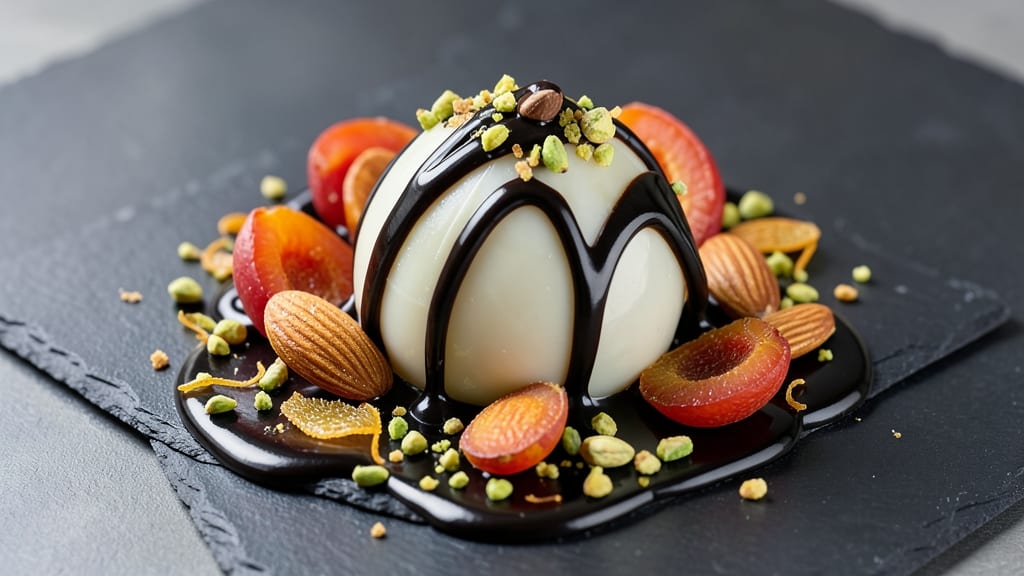
This fruit and nut Easter egg recipe transforms spring celebrations with elegant, crunchy-filled delights that look as stunning as they taste. 🌸 The secret lies in a perfectly balanced filling—creamy marzipan or rich chocolate—that pairs beautifully with toasted nuts and dried fruit, creating a texture that’s both satisfying and sophisticated.
I developed this recipe after years of perfecting the art of handcrafted confections, ensuring every bite delivers a harmonious blend of sweet, nutty, and fruity flavors. What sets these apart is the versatility—they’re perfect for gifting, Easter baskets, or simply treating yourself to something special.
The filling can be customized with almond paste, hazelnut spread, or even a vegan-friendly chocolate alternative, while the outer layer gets its crunch from crushed pistachios, candied orange peel, or chopped dried apricots. The result?
Eggs that are visually striking, with a satisfying contrast between the smooth filling and textured topping. By following this method, you’ll achieve eggs that are firm yet tender, with a glossy finish that makes them look professionally made.
The key is working with room-temperature ingredients and assembling them carefully to avoid cracks or leaks. Whether you’re a baking novice or a seasoned pro, this recipe delivers restaurant-quality results with minimal fuss. These Easter eggs are more than just a treat—they’re a centerpiece.
Pair them with a spritz of edible gold leaf or a dusting of powdered sugar for extra elegance, and you’ll have a dessert that’s as memorable as it is delicious. Let’s get started on creating your own edible masterpieces!
Ingredients for fruit and nut easter egg
Twelve elegant ingredients for confections that dazzle at spring celebrations.
| Ingredient | Amount | Notes |
|---|---|---|
| Marzipan Filling 🌰 | 1 lb | Store-bought or homemade almond paste |
| Dried Apricots 🍑 | ½ cup | Chopped into small pieces |
| Toasted Almonds 🌰 | 1 cup | Chopped coarsely for texture |
| Crushed Pistachios 🥜 | ½ cup | For crunchy outer layer |
| Candied Orange Peel 🍊 | ¼ cup | Finely chopped for citrus zest |
| Dark Chocolate Ganache 🍫 | 1 cup | Vegan-friendly 70% cocoa |
| Hazelnut Spread 🌰 | ½ cup | For alternative filling option |
| White Chocolate Chips 🍫 | ½ cup | For decorative accents |
| Powdered Sugar 🍚 | ¼ cup | For dusting finished eggs |
| Edible Gold Leaf ✨ | 1 sheet | For elegant finishing touch |
| Unsweetened Applesauce 🍎 | ¼ cup | For binding outer layer |
| Vanilla Extract 🌿 | 1 tsp | For subtle flavor enhancement |
| Vegetable Shortening 🧈 | ½ cup | For firm yet tender texture |
| Almond Extract 🌰 | ½ tsp | For authentic marzipan flavor |
The marzipan is the heart of these Easter eggs, so prioritize quality—Ghirardelli or homemade almond paste delivers the richest flavor. For the dried apricots, Trader Joe's or Whole Foods carry the best organic varieties with vibrant color. Toast your almonds in a dry pan over medium heat until golden, then chop them coarsely for that perfect crunch. Pistachios should be unsalted and lightly crushed to maintain their vibrant green hue. Candied orange peel adds a sophisticated citrus note, and you can find it pre-made at specialty stores or make your own by simmering orange peels in sugar syrup.
No marzipan? Hazelnut spread or almond butter works beautifully as a substitute, though the flavor will differ slightly. For chocolate lovers, vegan dark chocolate ganache (like Enjoy Life brand) creates a decadent alternative filling. If you're avoiding almonds, swap the almond extract for vanilla bean paste—it provides depth without the nutty profile. The candied orange peel can be omitted if you prefer a more neutral flavor profile, though it adds that restaurant-quality touch. For the chocolate chips, Enjoy Life or Pascha brands offer excellent vegan options that melt smoothly. Always use powdered sugar for dusting—cornstarch-based varieties prevent clumping and create that professional finish.
Store your ingredients in airtight containers to preserve freshness—the marzipan and chocolate ganache keep well for up to 2 weeks in the fridge, while the nuts and dried fruit last 3-4 months in a cool, dark place. Prep your fillings and toppings ahead of time to streamline assembly. These confections hold beautifully for 5-7 days at room temperature when properly sealed, making them perfect for gifting. For long-term storage, freeze the assembled (unfilled) egg shells for up to 3 months—just let them come to room temperature before filling and decorating.
Why You'll Love This Recipe
- No-Bake Magic: I swear by this recipe when I’m too tired to bake—just roll, stuff, and dip. The marzipan holds together like a dream, and the dried apricots add natural sweetness without extra work.
- Crave-Worthy Crunch: That first bite? Toasted almonds and pistachios crackle against the creamy marzipan, while the candied orange peel adds a zesty kick. It’s the kind of flavor combo that makes people ask, “What’s in this?”
- Party Ready: Make a batch on Sunday, and you’ve got edible Easter eggs for gifts, brunch, or last-minute hostess favors. Honestly, my neighbors now expect them every spring—no pressure, just delicious.
- Budget-Friendly Luxury: Marzipan might sound fancy, but it’s cheaper than buying pre-made chocolates, and the nuts stretch further than you’d think. Plus, leftovers? They disappear fast—usually in my lunchbox.
Step-by-step instructions for fruit and nut Easter eggs
Transform simple ingredients into elegant confections with this professional technique.
👨🍳 Step 1: Prepare the Filling Mixture
In a medium bowl, combine the 1 lb marzipan filling, 0.5 cup hazelnut spread, 1 tsp vanilla extract, and 0.5 tsp almond extract. Using a stand mixer fitted with the paddle attachment, cream on medium speed for 3-4 minutes until smooth and fully incorporated. The mixture should become uniform in color and texture, with no visible streaks of almond spread remaining.
Next, fold in the 0.5 cup dried apricots and 0.25 cup candied orange peel using a silicone spatula. Be gentle to avoid crushing the dried fruit pieces—you want them to maintain their texture for contrast in each bite. Cover the bowl and refrigerate while you prepare the outer layers. This chilling step prevents the filling from melting too quickly when assembled.
🍳 Step 2: Create the Crunchy Outer Shell
In a separate bowl, mix the 0.5 cup vegetable shortening and 0.25 cup unsweetened applesauce until fully combined. This mixture acts as the binding agent for your outer layer. Gradually add the 1 cup toasted almonds and 0.5 cup crushed pistachios, mixing just until the nuts are evenly coated without becoming pasty.
Press this mixture firmly into a 12-cup silicone egg mold (or similar shape) using a small offset spatula. Pack it tightly—this ensures clean edges when unmolded later. Gently tap the mold on the counter to settle the mixture, then smooth the tops with your fingers. Refrigerate for 30 minutes to firm up before unmolding.
🥘 Step 3: Assemble and Fill the Eggs
Carefully unmold the nut shells onto parchment paper. Using a small piping bag fitted with a round tip, pipe 1 cup dark chocolate ganache into each shell, filling them ¾ full. Then add a generous spoonful of your prepared filling mixture, pressing down gently to create a smooth surface. This layering ensures each bite delivers both the creamy filling and crunchy shell.
Return the assembled eggs to the refrigerator for 1 hour to set completely. The ganache should firm up but remain pliable—this creates the perfect contrast between the crispy exterior and smooth interior. While they chill, prepare your finishing touches by melting 0.5 cup white chocolate chips in 10-second bursts in the microwave, stirring between each interval until smooth.
🔪 Step 4: Decorate and Finish Professionally
Once set, carefully transfer each egg to a wire rack. Working quickly, drizzle the melted white chocolate over the tops, allowing it to partially set before gently pressing white chocolate chips into the surface for decorative accents. This creates both visual appeal and an additional textural element.
For the final touch, carefully apply the 1 sheet edible gold leaf using tweezers. Press it gently over the chocolate-drizzled portions—this elegant finishing step transforms ordinary confections into showstopping centerpieces. Finally, dust each egg lightly with 0.25 cup powdered sugar using a fine-mesh sieve for a snowy effect.
Pro Tips For Making Fruit And Nut Easter Egg
- CHOP DRY FRUIT SMALL: Dried apricots lose moisture fast—cut them into tiny, even pieces (about ¼-inch cubes) right before mixing. Larger chunks stay chewy while the rest dries out, and you’ll end up with a lumpy filling. (Yes, I’ve learned this the hard way.)
- TOAST ALMONDS UNTIL GOLDEN: Skip the pale, sad almonds—toast them in a dry pan over medium heat until they’re golden and smell nutty (about 5 minutes). Over-toasting burns them, but under-toasting means they’ll taste bland in the final mix. Stir often, or they’ll stick like glue.
- PRESS MARZIPAN FIRMLY: Roll out the marzipan thin (about ⅛-inch) and press it into the egg molds with your fingers—don’t just slap it in. A thin, even layer prevents cracks when baking, and pressing ensures it sticks to the fruit-nut mix later. (My first batch looked like a failed pottery project.)
- CHILL FILLINGS BEFORE ASSEMBLY: Let the fruit-nut mixture sit in the fridge for 15 minutes after mixing. Cold ingredients bind better when wrapped around the marzipan, so the filling stays compact instead of oozing out like a sad fondue. (Trust me, you don’t want Easter eggs leaking almonds everywhere.)
Regional styles of these flavors
European Marzipan Traditions
In Germany and Austria, these confections trace back centuries to Lübeck marzipan, where almond paste was first crafted in the 15th century. Traditional Easter eggs there use pure almond paste with minimal additives—just vanilla and rosewater for flavor.
I once visited a marzipan workshop in Lübeck where they still hand-roll the paste between marble slabs for that signature smooth, velvety texture. The key difference? Their versions often feature intricate hand-painted designs using egg white glue as the adhesive for edible decorations. 🌰
Italian Nutty Twists
Southern Italy puts a hazelnut spin on the classic, blending Nocciola di Giffoni (protected hazelnut spread) with orange zest for a bright, citrusy profile. I adapted this by swapping half the marzipan for hazelnut spread and adding candied orange peel—it’s become my go-to for Easter gift boxes.
The Italians also love crispy fried nut shells, which they dip in dark chocolate before filling. For a lighter touch, try pressing toasted hazelnuts into the outer layer instead of pistachios. 🍊
French Macaron-Inspired Elegance
Parisian patisseries elevate these eggs with macaron shells, creating a delicate, lace-like exterior that contrasts with the rich filling. The technique involves whipping egg whites to stiff peaks, then folding in powdered sugar to form a pipable ganache that sets into a crisp, airy shell.
I’ve seen versions where the marzipan filling is piped through a star tip for a marbled effect—it’s stunning but requires practice. For home cooks, start with store-bought macaron shells (like Ladurée) and fill them with your nut mixture. ✨
American Modern Fusion
Here in the U.S., we love bold flavor combos—think peanut butter-chocolate or maple-bourbon caramel fillings. I’ve experimented with spiced pecans (toasted with cinnamon and cayenne) for a Southern twist, while West Coast bakers often use almond milk chocolate for a lighter profile.
For a vegan-friendly version, replace the vegetable shortening with coconut oil and use agave syrup instead of applesauce. The result? A gluten-free, nut-packed egg that still holds its shape beautifully. 🥜
Middle Eastern Date-Nut Blend
In countries like Lebanon and Syria, dates and walnuts take center stage, creating a chewy-sweet contrast to the crunchy shell. The filling often includes cardamom and rosewater, giving it a warm, floral aroma.
I’ve adapted this by blending Medjool dates with walnut paste and orange blossom water—it’s a game-changer for those who prefer less sweetness. The outer layer might include crushed pistachios and sesame seeds for extra texture. This version pairs perfectly with mint tea for a festive touch. 🌿
Nutrition facts
Frequently asked questions
Can I make these fruit and nut Easter eggs without marzipan?
For a nutty alternative, use 1 lb of hazelnut spread or almond butter as your base filling. Simply mix it with 1 tsp vanilla extract and 0.5 cup chopped dried fruit (like apricots or figs) for the same texture. The flavor will be richer and nuttier, perfect for those who love intense nut profiles.
How do I prevent the nut shells from cracking when unmolding?
Chill the mold for at least 30 minutes before unmolding to ensure firmness. Also, use a non-stick silicone mold and tap it gently on the counter to release air bubbles. If cracks appear, simply press the broken pieces back together with a tiny bit of melted chocolate as "glue" before decorating.
What's the best way to store these confections?
Keep them in an airtight container at room temperature for 5-7 days. For longer storage, freeze the filled (but undecorated) eggs for up to 3 months. Let them thaw at room temperature before adding final decorations—this prevents condensation from ruining the delicate toppings.
Can I make these vegan-friendly?
Yes! Replace the vegetable shortening with coconut oil and use agave syrup instead of applesauce. For the filling, choose vegan dark chocolate ganache (like Enjoy Life brand) and ensure your marzipan substitute is vegan-certified. The texture remains excellent while keeping the recipe completely plant-based.
What's the secret to making them look professional?
Work with room-temperature ingredients and use a piping bag for clean chocolate drizzles. Dust with powdered sugar using a fine-mesh sieve for an even finish, and apply edible gold leaf with tweezers for that luxurious touch. The key is patience—let each layer set completely before adding the next.