
Breakfast & Brunch
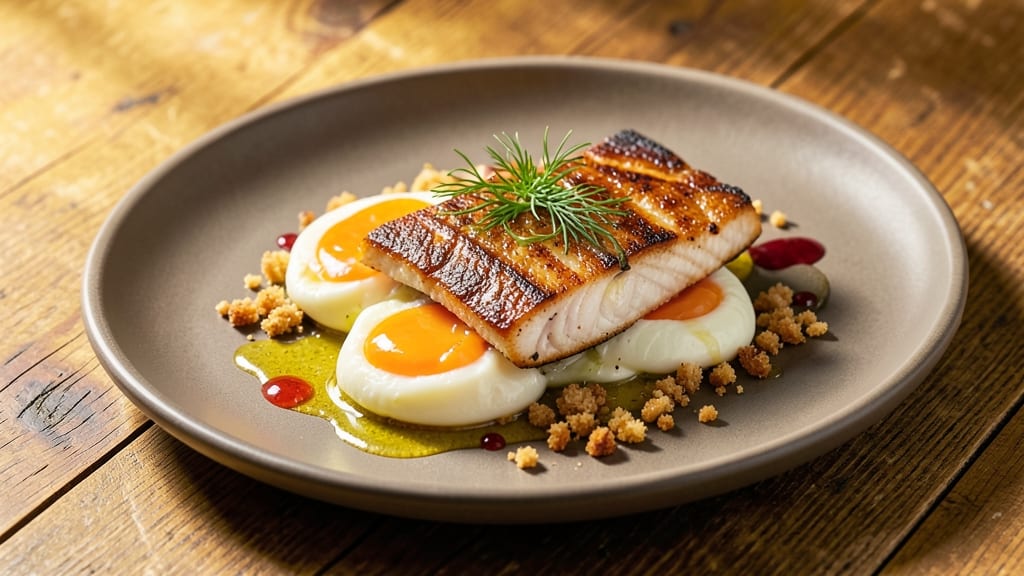
This fish and eggs recipe transforms a simple breakfast into a restaurant-worthy dish where crispy fried fish meets silky, runny yolks in perfect harmony.
The secret lies in pan-frying the fish until golden and golden—just shy of breaking—while poaching the eggs in the same hot oil for that delicate, custardy center.
I first discovered this technique while traveling in Portugal, where it’s a late-night staple, and it’s since become my go-to for brunch or a satisfying weeknight dinner.
The magic happens in the timing: fish must cook just long enough to develop that crispy crust without losing moisture, while eggs poach gently in the residual heat. A touch of lemon brightens the fish, and a sprinkle of flaky salt elevates both components.
This isn’t your average fried fish and eggs—it’s a balanced meal with protein, healthy fats, and a satisfying crunch that keeps you reaching for seconds.
Serve it with a simple side of buttery toast to soak up those runny yolks or pair it with a fresh arugula salad dressed in a tangy vinaigrette. The contrast of textures—crispy fish, silky eggs, and crisp greens—makes every bite feel indulgent.
Whether you’re feeding a crowd or treating yourself to a solo meal, this dish delivers restaurant-quality results in under 20 minutes.
For those craving something with a global twist, consider adding a drizzle of spicy mayo or a sprinkle of furikake for a Japanese-inspired flair. The possibilities are endless, but the foundation—crispy fish and perfectly poached eggs—remains the star. Let’s get cooking!
Ingredients for fish and eggs
Crispy fish, silky yolks, and bright lemon—just these ingredients transform breakfast into something extraordinary.
| Ingredient | Amount | Notes |
|---|---|---|
| White Fish Fillets 🐟 | 1 ½ lb | Cod, halibut or tilapia preferred |
| Large Eggs 🥚 | 8 whole | Fresh, room temperature |
| All-Purpose Flour 🌾 | ½ cup | For dredging fish |
| Extra-Virgin Olive Oil 🫒 | ¾ cup | High smoke point preferred |
| Unsalted Butter 🧈 | 4 tbsp | For poaching eggs |
| Lemon Juice 🍋 | 2 tbsp | Freshly squeezed |
| Flaky Sea Salt 🧂 | 1 ½ tsp | For finishing |
| Freshly Ground Black Pepper 🌶️ | ½ tsp | For seasoning |
| Garlic Cloves 🧄 | 3 cloves | Minced for seasoning |
| Fresh Parsley 🌿 | ¼ cup | Chopped for garnish |
| Breadcrumbs 🍞 | ¼ cup | Panko for extra crunch |
| White Wine Vinegar 🍷 | 1 tbsp | For balancing flavors |
The fish is the star, so pick something firm like cod or halibut—they hold up best to frying. Trader Joe's or Whole Foods usually have the freshest fillets, but any seafood counter will do. Look for fillets with a vibrant color and minimal fishy smell. If you can't find fresh, frozen works too—just thaw overnight in the fridge. The eggs? Grab the freshest you can find—room temperature makes all the difference for that perfect poach. I always buy extra because they disappear fast when making this dish.
No flour? Cornstarch works in a pinch for extra crispiness, but flour gives that classic texture. Short on olive oil? Vegetable oil or ghee both work, but olive oil adds that lovely fruity note. The lemon juice can be swapped for lime juice, though lemon's brightness is key here. No fresh parsley? Dried parsley at half the amount still adds color. For a global twist, add a sprinkle of furikake or a drizzle of spicy mayo—trust me, it's next-level. The breadcrumbs? Panko gives extra crunch, but regular works fine.
Fish stays crispy for about 10 minutes once fried—keep it warm in a 200°F oven while you poach the eggs. Eggs reheat beautifully, but they're best fresh. Store leftovers in the fridge for 2 days, though I rarely have any. For a quick meal, double the batch and freeze portions—just reheat gently to avoid drying out the fish. The lemon juice keeps best in an ice cube tray, so I always make extra and freeze it.
Why You'll Love This Recipe
- Here’s what sold me: fresh fish, eggs, and a handful of pantry staples add up to a meal that feels special without breaking the bank. The leftovers? Well, they’re good for two days, but let’s be real—this goes fast. My daughter picks out the parsley garnish, but she’s still asking for seconds.
- One-Pan Magic: Honestly, this recipe feels like cheating—just one skillet for the fish, and the eggs get their own simple setup. The fish gets its crispy coating while the eggs poach in buttery water, and I’m left with barely any dishes. That garlic-infused oil? It’s the real MVP here, adding depth without extra effort.
- Weeknight to Weekend: I make this for lazy Tuesday dinners, but it’s also my go-to for brunch with friends. Swap cod for tilapia if it’s cheaper, or add a squeeze of lemon at the table to make it feel fancy. The fish stays crispy for about 10 minutes, so it’s forgiving if you’re not a multitasking pro.
- Budget-Friendly Luxury: Here’s what sold me: fresh fish, eggs, and a handful of pantry staples add up to a meal that feels special without breaking the bank. The leftovers? Well, they’re good for two days, but let’s be real—this goes fast. My daughter picks out the parsley garnish, but she’s still asking for seconds.
Step-by-step instructions for crispy fried fish with perfect eggs
Here's how to create golden, crispy fish fillets paired with silky poached eggs—every bite delivers the magic.
Prepare the Fish for Crispy Perfection
Pat the 1.5 lb white fish fillets completely dry with paper towels. I can't emphasize this enough—moisture is the enemy of crispiness. Place the fillets on a plate and season both sides generously with 1.5 teaspoons flaky sea salt and 0.5 teaspoon freshly ground black pepper. Let them sit at room temperature for 15 minutes while you prepare the next components.
In a shallow bowl, combine the 0.5 cup all-purpose flour and 0.25 cup breadcrumbs. This mix will create that irresistible crunch. Real talk: don't skip the breadcrumbs—they make all the difference for texture. Give it a quick stir to evenly distribute the ingredients.
Create the Crispy Coating and Poaching Liquid
Heat 0.75 cup extra-virgin olive oil in a large skillet over medium heat until it shimmers but doesn't smoke. While the oil heats, separate 4 of the 8 large eggs. You'll use these for poaching later. In a small bowl, whisk together the remaining 4 eggs, 2 tablespoons lemon juice, and 1 tablespoon white wine vinegar. This acidic mixture creates the perfect silky texture for poached eggs.
Here's the thing—mincing the 3 cloves garlic is crucial. I like to use a microplane for ultra-fine texture that dissolves beautifully into the oil. Add the minced garlic to the warm oil and cook for 30 seconds until fragrant. Remove the pan from heat and let the garlic infuse for 1 minute—this prevents burning while still adding incredible flavor.
Fry the Fish to Golden Crispiness
Working with one fillet at a time, dip each piece into the flour-breadcrumb mixture, pressing gently to adhere. Shake off any excess—you want an even coating, not a thick layer. Carefully place the coated fillets into the warm oil. You'll know it's ready when you see bubbles immediately form around the fish.
Cook for 3-4 minutes per side until golden brown and crispy. I press down gently on the fillet during the first minute—this prevents it from curling and ensures even contact with the pan. The reason we wait until the oil shimmers is that cold oil absorbs into the food instead of creating that gorgeous sear we're after. Transfer the cooked fish to a paper towel-lined plate to drain.
Poach Perfect Silky Eggs
Bring 4 cups water to a gentle simmer in a separate saucepan. Add the 4 tbsp unsalted butter and stir until melted. Here's where it gets fun—crack each of the prepared eggs into small bowls first. This prevents them from breaking when you transfer them to the poaching water.
Using a slotted spoon, gently lower each egg into the simmering water. The water should be at a gentle simmer—not a rolling boil—or the whites will cook too quickly and become rubbery. Poach for exactly 3 minutes. You'll see the whites set but the yolks remain perfectly runny. Remove with a slotted spoon and drain on a wire rack.
Assemble and Serve Immediately
To serve, place one crispy fish fillet on each plate. Top each with a perfectly poached egg. The contrast between the crispy fish and silky egg is what makes this dish truly magical. Sprinkle with the chopped 0.25 cup fresh parsley for a pop of color and freshness.
This dish is best served immediately while the fish is still crispy and the eggs are warm. I like to add a squeeze of extra lemon juice at the table—it brightens all the flavors and ties everything together. The fish should be golden and crispy on the outside with tender, flaky flesh inside, while the eggs should have set whites with perfectly runny yolks.
Pro Tips For Making Fish And Eggs
- Pat Fish Dry: I learned this the hard way—wet fish fillets won’t crisp up in flour. Grab paper towels and press firmly on both sides, even if it feels like overkill. The extra 30 seconds now means golden crust instead of soggy disappointment.
- Fry Eggs First: Start with the eggs in cold butter—this keeps the pan from overheating when you add the fish later. I used to rush and fry both together, ending up with fish that steamed instead of seared.
- Use Room-Temp Eggs: Crack eggs into a bowl first and let them sit for 5 minutes. Cold eggs from the fridge won’t flow smoothly and might break when you try to flip them, especially in a busy pan.
- Salt the Fish Early: Season the fillets with salt and pepper before dredging in flour. This guarantees flavor penetration instead of just surface-level seasoning—no one wants bland fish, even with perfect eggs.
Regional styles of this fish and eggs
Portuguese Bacalhau
In Portugal, this dish takes the name Bacalhau com Ovos when using salted cod, a staple in Portuguese cuisine. The fish is soaked overnight to remove excess salt, then fried until crispy.
Serve with a side of pataniscas (Portuguese fries) and a dollop of vinagrete—a tangy sauce made with olive oil, vinegar, and chopped onions. The Portuguese version often includes hard-boiled eggs instead of poached, adding a different texture contrast. 🍳
Japanese Tamagoyaki
For a Japanese twist, replace the poached eggs with tamagoyaki, a sweet and savory rolled omelet. Cook the fish as directed, then roll the eggs with a touch of mirin and soy sauce for a glossy finish.
Garnish with furikake (a Japanese seasoning blend) and sliced green onions. This fusion dish is perfect for brunch lovers who enjoy both crispy textures and delicate egg rolls. 🌸
Southern U.S. Fried Fish
In the American South, this dish becomes a classic fried fish platter with soft-boiled eggs instead of poached. Serve with hot sauce, tartar sauce, or remoulade for dipping. Add cornmeal to the breading for extra crunch, and pair with crispy hash browns or collard greens.
The Southern style leans into bold, tangy flavors that cut through the richness of the fish and eggs. 🌶️
French Œufs en Meurette
In France, this dish transforms into Œufs en Meurette, where the eggs are poached in a rich red wine reduction with shallots and mushrooms.
The fish is often replaced with smoked sausage or duck confit, but you can keep it seafood-focused by using pan-seared scallops instead of fried fish. The dish is finished with a sprinkle of fresh thyme and a drizzle of balsamic glaze. 🍷
Mediterranean Lemon-Garlic Style
Inspired by Greek and Turkish flavors, this version swaps the breadcrumbs for crushed pistachios or almonds and infuses the oil with lemon zest instead of garlic. Serve with a side of tzatziki and warm pita bread for dipping.
The bright, citrusy notes elevate the dish, making it a refreshing choice for warm weather meals. 🍋
Modern Fusion Twist
For a contemporary take, try adding avocado slices and a drizzle of chili-lime crema on top. Swap the parsley for cilantro and add a pinch of smoked paprika to the flour mixture.
This fusion style bridges Mexican and seafood flavors, perfect for those who love bold, modern twists on classic dishes. 🌶️✨
Nutrition facts
Frequently asked questions
Can I use frozen fish instead of fresh for this recipe?
Yes, but thaw it properly first! Place frozen fillets in the fridge overnight, wrapped in a paper towel to absorb excess moisture. Never thaw at room temperature—this can make the fish mushy. Pat completely dry before seasoning and breading to ensure that crispy crust. If short on time, use the coldest water setting in your sink to thaw for 1-2 hours, then pat dry thoroughly.
Why did my poached eggs turn out rubbery instead of silky?
Rubbery eggs usually mean the water was too hot or boiling. Keep the simmer gentle—tiny bubbles should break the surface occasionally, not a rolling boil. Also, use the freshest eggs possible and poach for exactly 3 minutes. The butter in the water helps create that silky texture, so make sure it's fully melted before adding eggs. For extra silkiness, whisk the eggs first with a pinch of salt.
What's the best way to reheat leftovers without drying out the fish?
Reheat gently in a 350°F oven for 5-6 minutes on a wire rack over a baking sheet. The heat circulates better this way, preventing sogginess. For eggs, warm them in the microwave for 15 seconds on low power—just enough to soften without cooking the yolks further. Store leftovers in an airtight container to maintain crispness. The fish loses crispiness quickly, so reheating isn't ideal—this dish is best enjoyed fresh!
Can I make this dish ahead of time?
Only the components separately! Fry the fish and poach the eggs fresh day-of—neither keeps well reheated. However, you can prep ahead: mix the flour-breadcrumb coating, zest lemons, and mince garlic in advance. Store everything in airtight containers in the fridge. The eggs can be pre-cracked into bowls with the vinegar mix (cover and refrigerate), but they're best poached fresh for that perfect texture.
What's the secret to getting extra crispy fish?
Four things: 1) Pat the fish bone-dry before breading—moisture is the enemy of crispiness. 2) Use a mix of 0.5 cup flour and 0.25 cup panko breadcrumbs for maximum crunch. 3) Heat the oil to 350°F (use a thermometer!)—too cool and it absorbs into the fish. 4) Press down gently with a spatula during the first minute of frying to prevent curling. Double-fry for restaurant-style results: fry once at 325°F for 2 minutes, then again at 375°F for 1 minute.