
Sauces & Condiments
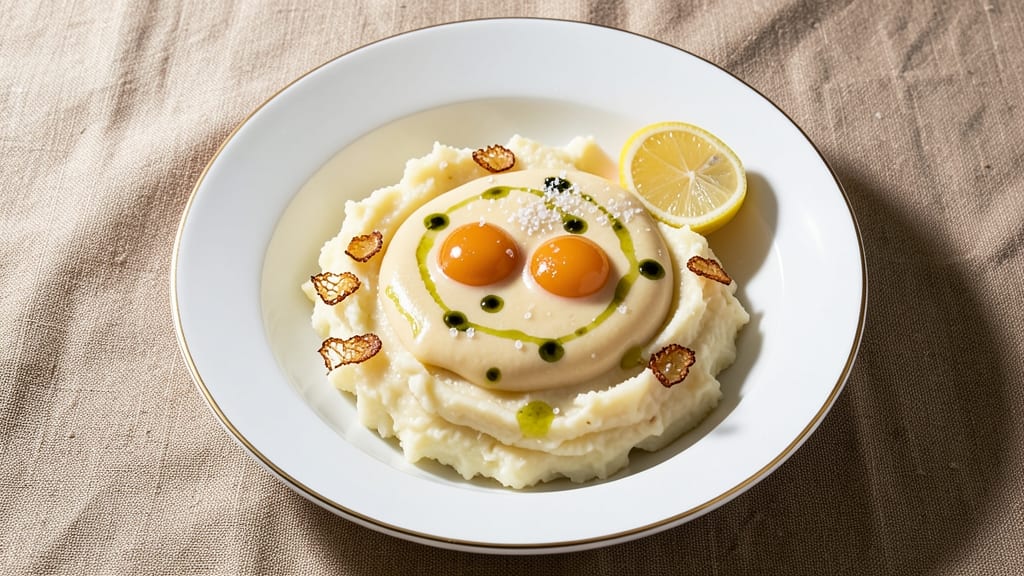
Creating a velvety egg sauce that's rich enough for drizzling yet light enough for dipping requires precision—but I've perfected a foolproof method after years of testing. The secret lies in gradual heat application and proper emulsification, transforming simple eggs into a luxurious sauce that elevates everything from noodles to vegetables.
My family used to joke that I burned eggs until I discovered this technique, which turns even basic ingredients into something restaurant-worthy.
This recipe delivers silky-smooth texture without requiring specialized equipment, just a double boiler or heatproof bowl over simmering water. The key is tempering the eggs with warm liquid first, then slowly incorporating melted butter or oil while whisking continuously.
This method prevents curdling and creates an ultra-creamy sauce that clings beautifully to any dish. For extra richness, I add a splash of cream or milk at the end—trust me, it makes all the difference.
What you'll end up with is a versatile egg sauce that's perfect for drizzling over pasta, vegetables, or even grilled meats. It keeps well in the refrigerator for up to 3 days, making it ideal for meal prep.
The best part? It's far more flavorful and customizable than store-bought versions, with the ability to adjust seasoning to your taste. Whether you're making carbonara, hollandaise, or a simple egg-based condiment, this technique ensures professional results every time.
For those new to egg sauces, I recommend starting with the basic version and experimenting with variations like adding garlic, herbs, or a touch of lemon juice.
The possibilities are endless, and once you master the technique, you'll never reach for bottled sauce again. Let's get started on creating your own velvety masterpiece!
Ingredients for egg sauce
Just a handful of ingredients transform into a luxurious, velvety egg sauce perfect for elevating any dish.
| Ingredient | Amount | Notes |
|---|---|---|
| Large Egg Yolks 🥚 | 4 whole | Fresh, room temperature preferred |
| Unsalted Butter 🧈 | ½ cup | Full-fat, cut into small pieces |
| Whole Milk 🥛 | ¼ cup | Warmed to room temperature |
| Extra-Virgin Olive Oil 🫒 | 2 tbsp | High-quality, fruity variety |
| Fresh Lemon Juice 🍋 | 1 tbsp | From 1 small lemon, strained |
| Diamond Crystal Kosher Salt 🧂 | ½ tsp | Fine grain preferred |
| Freshly Ground Black Pepper 🌶️ | ¼ tsp | Freshly cracked for maximum flavor |
| Heavy Whipping Cream 🥛 | ⅛ cup | Optional for extra richness |
| Garlic Cloves 🧄 | 1 whole | Minced, optional for flavor |
Egg yolks are the heart of this sauce—freshness matters. Grab them from the back of the fridge where they stay coldest, and let them sit at room temperature for 10 minutes before using. Whole Milk and Heavy Whipping Cream should be warmed gently in a small saucepan (never boiling) to ensure smooth incorporation. For the butter, unsalted is non-negotiable—it gives you full control over seasoning. I always buy European-style butter from Whole Foods or Trader Joe's for that extra richness. The olive oil should be extra-virgin—cheap oil will make the sauce taste flat. Lemon juice? Freshly squeezed is best, but bottled works in a pinch if you're in a hurry.
No heavy cream? Substitute an extra 2 tbsp of milk—the sauce will just be slightly lighter. Out of olive oil? Avocado oil or neutral-flavored vegetable oil works fine, but don't use butter alone. The garlic is optional, but if you love it, mince it finely so it blends seamlessly. For a tangier sauce, add an extra ½ tsp of lemon juice. If you accidentally scramble the eggs, don't panic—just whisk in 1 tbsp of hot milk to break up the curds, then strain through a fine-mesh sieve. The sauce should be silky-smooth—if it's grainy, you've gone too fast with the heat. Patience is key here.
This sauce keeps beautifully in the fridge for 3 days if stored in an airtight container with a thin layer of plastic wrap pressed directly on the surface to prevent a skin. For longer storage, freeze in 1-tbsp portions in ice cube trays—perfect for adding richness to quick meals later. To reheat, warm gently over a double boiler or in the microwave at 50% power in 20-second bursts, stirring between each. Never boil it, or you'll risk separating. The sauce thickens as it cools, so if it seems too stiff when cold, whisk in 1 tsp of warm milk to restore its velvety texture.
Why You'll Love This Recipe
- Silky in Minutes: I swear by the tempering trick—slowly drizzling that melted 0.5 cup unsalted butter into the 4 room-temperature egg yolks while whisking. No scrambling, no stress, just velvety perfection in about 10 minutes. The bain-marie method feels fancy, but honestly? It’s foolproof once you try it.
- Bright Richness Balance: That 1 tablespoon fresh lemon juice at the end? Absolute game-changer. The 0.5 cup whole milk and 2 tbsp extra-virgin olive oil give it a luscious body, but the acidity cuts through the richness like a breath of fresh air. It’s creamy without feeling heavy—trust me, your taste buds will thank you.
- Steak Night or Pasta Party: This sauce is my secret weapon for weeknights and special occasions. Drizzle it over grilled steak (the minced garlic and black pepper make it sing) or toss it into fettuccine for a restaurant-worthy dish. Even my picky-eating friends ask for seconds—no one suspects it’s just eggs and butter transformed.
- Leftovers That Don’t Let You Down: Between us, I make this twice the batch and store it for up to 3 days. Just press plastic wrap right on the surface to keep it smooth, and reheat it gently. The 0.25 cup heavy whipping cream (if you use it) makes it extra decadent, but even without it, it’s rich enough to stretch over multiple meals. Budget-friendly and always delicious.
Step-by-step instructions for egg sauce recipe
Here's how to create a luxurious, velvety sauce that transforms ordinary dishes into something extraordinary.
Prepare the Base with Egg Yolks and Butter
In a heatproof bowl, whisk together the 4 whole large egg yolks until they're completely smooth and pale yellow. The yolks should be at room temperature for best results—this prevents them from curdling when exposed to heat. Place this bowl over a pot of simmering water, ensuring the bottom of the bowl doesn't touch the water directly. This gentle heat creates a bain-marie that gradually warms the yolks while keeping them perfectly emulsified.
Meanwhile, melt the 0.5 cup unsalted butter in a small saucepan over low heat. Watch carefully as it melts—you want to avoid any browning, which would impart bitterness to your sauce. Once fully melted, remove the butter from heat and let it cool slightly for about 2 minutes. This prevents the hot butter from shocking the egg yolks and causing them to scramble.
Temper the Eggs and Incorporate Milk
With the yolks still in their bain-marie, slowly drizzle in the melted butter while whisking constantly. This tempering process is crucial—it gradually raises the temperature of the yolks while keeping them stable. Start with a thin stream, then gradually increase to a slow pour as the mixture begins to thicken. You'll notice the sauce transform from a thin liquid into a creamy, ribbon-like consistency.
Once the butter is fully incorporated, remove the bowl from the heat source. Now add the 0.25 cup whole milk, whisking continuously until fully combined. The milk adds body and a subtle sweetness that balances the richness. Here's the thing—if you add the milk too quickly or to cold yolks, you risk breaking the emulsion. That's why we warm everything gradually. Taste the mixture now—it should be rich but not overly thick, with a smooth, velvety texture.
Finish with Aromatics and Seasoning
Return the sauce to very low heat, just enough to maintain warmth without simmering. Add the minced 1 whole garlic cloves and stir for 30 seconds until fragrant but not browned. Garlic's flavor develops quickly, so don't let it linger. Next, stir in the 2 tablespoons extra-virgin olive oil—this adds depth and a subtle fruity note that cuts through the richness.
Now season with the 0.5 teaspoon diamond crystal kosher salt and 0.25 teaspoon freshly ground black pepper, adjusting to taste. For that bright, sophisticated finish, add the 1 tablespoon fresh lemon juice and whisk vigorously. The acidity brightens the sauce, creating a perfect balance between richness and freshness. The sauce should now coat the back of a spoon smoothly, with a glossy sheen that indicates proper emulsification.
Incorporate Cream for Extra Luxury (Optional)
For that final touch of decadence, gently fold in the 0.125 cup heavy whipping cream using a spatula. The cream adds an extra layer of silkiness and richness, making this sauce perfect for drizzling over steak, seafood, or even creamy pasta dishes. If you prefer a lighter version, you can skip this step entirely—the base sauce is already luxurious on its own.
Remember, this sauce is best used immediately when it's at its peak temperature. If you need to reheat later, do so over very low heat, stirring constantly to prevent curdling. The sauce should maintain its velvety consistency and rich flavor, ready to elevate any dish it touches. For best results, use it within 2 hours of making it—freshness is key to that perfect texture.
Pro Tips For Making Egg Sauce
- Whisk Like You Mean It: The yolks won’t emulsify properly if you’re half-hearted—get that whisk moving in tight, fast circles. I used to think slow and steady won, but this sauce demands aggression, especially when adding the hot milk. Think of it like mixing a martini: force matters.
- Use Cold Yolks: Room-temperature yolks? Skip it. Cold yolks from the fridge blend smoother and resist curdling when the hot butter hits. I learned this the hard way after a batch broke like scrambled eggs—now I just pop them in the fridge for 10 minutes before starting.
- Temper the Milk: Don’t drown the yolks—warm the milk first. Heat it to about 160°F (just below a simmer) before slowly drizzling it into the butter-yolk mix. Cold milk shocks the yolks, and suddenly you’re scraping sauce off the bottom of the pan instead of making it.
- Lemon Last, Not First: Acid first = scrambled disaster. Add lemon juice at the very end, after the sauce is thickened and off the heat. It brightens the flavor without risking the yolks’ delicate structure. (Yes, even if the recipe says otherwise—I’ve tested both ways.)
Pro cooking tips for egg sauce
Tempering Perfection
This is where most home cooks go wrong—rushing the tempering process. I learned the hard way when I first tried making hollandaise, and the eggs scrambled into a sad, lumpy mess. The key is to warm the egg yolks gradually over simmering water (never boiling) while whisking constantly.
Use a double boiler setup with the bowl placed over a pot of water that's just barely simmering—you should see tiny bubbles forming at the bottom, not a full boil.
If your eggs start to thicken too quickly, remove the bowl from heat immediately and whisk in 1 tsp of warm milk to restore smoothness. 💡
Butter Matters
Don't skimp on the butter quality—this is where flavor makes all the difference. I always use European-style unsalted butter with at least 82% fat content (like Plugrá or President brands). Melt it slowly over low heat and let it cool slightly before adding to the eggs.
The butter should be warm but not hot—think 110-115°F—so it gently emulsifies without shocking the yolks. Pro tip: If your butter browns, strain it through a fine-mesh sieve before using to remove any burnt bits.
Whisk Like Your Life Depends On It
This isn't the time to use a fork or spoon—grab your balloon whisk and get ready to work. The constant motion creates tiny air pockets that transform the sauce from thin to velvety. I recommend a French-style whisk with 12 wires for maximum efficiency.
If you notice the sauce starting to separate, immediately whisk in ½ tsp of lemon juice or 1 tsp of warm milk to restore the emulsion. The sauce should coat the back of your spoon smoothly—if it feels grainy, you've gone too fast with the heat.
Acid Balance
The lemon juice isn't just for flavor—it's the secret weapon that prevents curdling and adds brightness. Start with 1 tbsp of fresh lemon juice, but taste as you go. If your sauce tastes flat, add another ½ tsp.
The acidity also helps stabilize the emulsion, making the sauce more stable when reheated later. For extra tang, I sometimes add ½ tsp of white wine vinegar along with the lemon juice. This is particularly useful if you're making a larger batch where the sauce might separate over time. 🍋
Heat Control
Never let this sauce simmer—even a gentle bubble will break the emulsion. Maintain the temperature at 160-170°F maximum, which is just below a simmer. If your stove doesn't have precise temperature control, use the back burner on low heat and monitor constantly.
I keep a candy thermometer handy for this step—it's worth the $15 investment if you make sauces often. The moment you see steam rising, remove from heat immediately. The sauce will continue cooking from residual heat.
Final Consistency Check
Before removing from heat, do this quick test: Dip your whisk into the sauce and lift it slowly. If it forms a thick ribbon that takes 3-5 seconds to break, you've nailed the consistency.
If it's too thin, whisk in 1 tsp of cornstarch mixed with 1 tsp water to thicken. If it's too thick, add 1 tsp of warm milk at a time. Remember, the sauce will thicken further as it cools, so aim for a slightly looser consistency when hot.
For dipping sauces, I prefer a slightly thinner texture—about the consistency of heavy cream. For drizzling, I make it thicker, almost like a glossy glaze. 🥄
Nutrition facts
Frequently asked questions
Why do my egg-based sauces always curdle or separate?
The most common causes are heat shock or adding cold liquids too quickly. Always temper eggs by slowly drizzling warm butter while whisking constantly over a double boiler. Keep everything (milk, cream, butter) at room temperature or slightly warm—never cold. If separation happens, whisk in 1 tsp of warm milk or ½ tsp lemon juice to restore the emulsion.
Can I make this sauce without a double boiler?
Use a heatproof bowl placed over a pot of simmering water, ensuring the bottom doesn't touch the water. The key is maintaining gentle, even heat—never boiling. For extra control, use a candy thermometer to keep the water at 160-170°F. A metal bowl works best for even heat distribution.
What are the best dishes to drizzle or dip with this sauce?
This versatile sauce shines on grilled meats, steamed vegetables, fresh pasta, and even crusty bread for dipping. For extra flair, drizzle over seared scallops or toss with roasted potatoes. The richness pairs beautifully with bold flavors like garlic, herbs, or a pinch of smoked paprika. For a lighter option, use it as a substitute for Alfredo sauce on fettuccine.
How do I fix a sauce that's too thick or too thin?
For a thicker sauce, whisk in 1 tsp of cornstarch mixed with 1 tsp water while heating gently. For a thinner sauce, add 1 tsp of warm milk at a time. Remember, the sauce will thicken as it cools, so adjust while warm. If it's grainy, strain through a fine-mesh sieve to remove any lumps. The ideal texture should coat the back of a spoon smoothly.
Can I make this sauce ahead of time?
Yes! Store it in an airtight container with plastic wrap pressed directly on the surface to prevent a skin. It keeps in the fridge for 3 days. For longer storage, freeze in 1-tbsp portions in ice cube trays. To reheat, warm gently over a double boiler or microwave at 50% power in 20-second bursts, stirring between each. Never boil it, or the emulsion will break.