
Main Courses
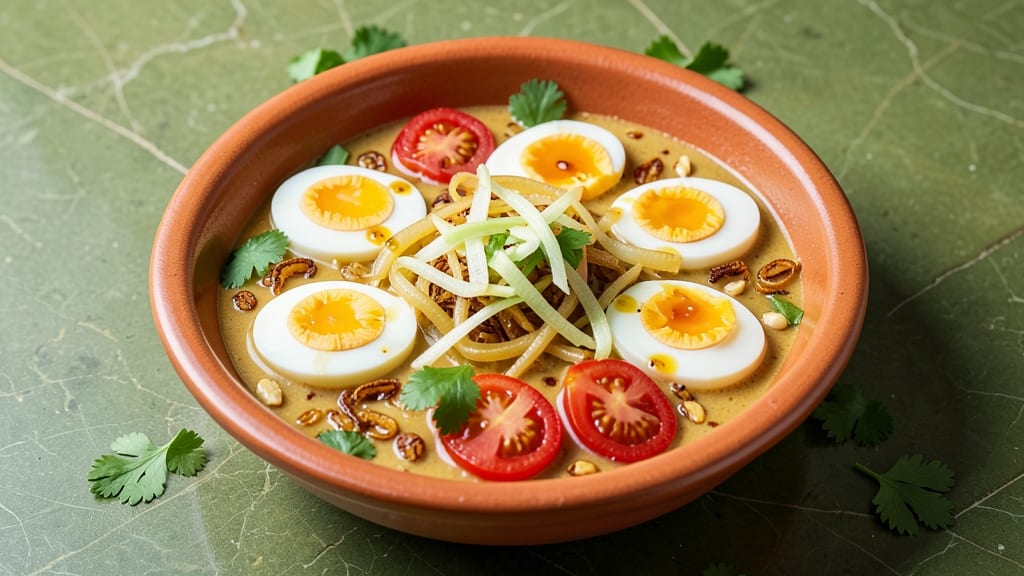
This egg kurma recipe transforms simple eggs into a rich, fragrant coconut curry that feels like a hug in every bite.
The secret lies in tempering whole spices and simmering the coconut gravy until it reaches that perfect velvety consistency—thick enough to coat the eggs but light enough to let their flavors shine through.
I first made this during a Portland winter when my husband Tom brought back coconut milk from a local Asian market, and it became an instant family favorite.
The dish starts with crispy fried onions that add a satisfying crunch to each spoonful, balancing the creamy coconut gravy. You'll need just a handful of pantry staples—coconut milk, tomatoes, ginger, garlic, and a blend of warm spices like cardamom and cinnamon—that work together to create layers of flavor.
The eggs soak up the aromatic sauce beautifully, making this a hearty yet comforting meal that pairs perfectly with steamed rice or warm roti.
What you'll end up with is a dish that's rich, aromatic, and impossibly comforting—each bite delivers tender eggs in a fragrant coconut gravy with just the right amount of spice.
The crispy fried onions add texture that keeps every mouthful interesting, while the spices create warmth that lingers long after the last bite. This is the kind of recipe that turns a simple weeknight dinner into something special without requiring hours in the kitchen.
Serve it with a side of basmati rice or naan to soak up every last drop of that delicious gravy. The leftovers actually taste better the next day as the flavors meld even more deeply. Let's get started on this fragrant, coconut-infused masterpiece!
Ingredients for egg kurma
A few pantry staples and fresh aromatics. Crispy onions meet creamy coconut gravy in every bite.
| Ingredient | Amount | Notes |
|---|---|---|
| Large Eggs 🥚 | 8 whole | Hard-boiled for curry |
| Full-Fat Coconut Milk 🥥 | 1 ½ cups | Canned, unsweetened preferred |
| Yellow Onions 🧅 | 1 ½ cups | Thinly sliced for frying |
| Ripe Tomatoes 🍅 | 2 medium | Chopped, preferably Roma |
| Fresh Ginger 🌿 | 1 inch | Peeled, grated finely |
| Garlic Cloves 🧄 | 6 cloves | Peeled, minced finely |
| Green Chilies 🌶️ | 2 whole | Slit lengthwise, seeds removed |
| Cardamom Pods 🌿 | 4 whole | Lightly crushed |
| Cinnamon Sticks 🌿 | 1 whole | 2-inch pieces |
| Vegetable Oil 🫒 | ½ cup | For frying onions |
| Salt 🧂 | 1 ½ tsp | Adjust to taste |
| Ground Black Pepper 🌶️ | ½ tsp | Freshly cracked |
| Fresh Cilantro 🌿 | ¼ cup | Chopped, for garnish |
| Lemon Juice 🍋 | 1 tbsp | Freshly squeezed |
The coconut milk is non-negotiable here—full-fat only for that rich, velvety texture. Thai Kitchen or Goya cans work perfectly, but if you've got a local Asian market, grab the coconut milk from a carton—it's fresher. The cardamom and cinnamon should be whole pods, not ground—lightly crushing them releases the oils without overpowering. For the onions, yellow or white work best, and slice them thinly so they crisp up nicely. I always fry them in batches to avoid sogginess.
No cardamom? Allspice or nutmeg at half the amount works in a pinch. Fresh ginger and garlic are ideal, but powdered ginger at one-third the amount gets you close. The green chilies can be swapped for red chilies or even a pinch of cayenne, but go easy—the curry should be fragrant, not fiery. Short on tomatoes? Tomato paste at half the amount works, but fresh is better. The eggs? Hard-boiled and peeled before adding to the curry, so they don't get rubbery.
This curry reheats beautifully—3-4 days in the fridge or 3 months frozen. I like to portion it into containers with extra gravy on top so it stays moist. The crispy onions lose their crunch when reheated, so I always fry a fresh batch when serving leftovers. Garnish with cilantro right before eating—it brightens everything up.
Why You'll Love This Recipe
- Minimal Chopping Required: I swear by this—just dice onions and ginger, then let the tomatoes soften while you boil the eggs. No finicky prep, no stress. The coconut milk does all the heavy lifting.
- Rich Without Effort: That velvety coconut milk transforms everything—eggs stay tender, tomatoes melt into sweetness, and ginger adds just enough kick. It’s like a hug in a bowl, honestly.
- Leftover Magic: Make a big batch and reheat it for days. The sauce thickens beautifully, and the eggs? Still perfect, even cold. My lazy Sunday lunches wouldn’t exist without this.
- Budget-Friendly Luxury: Onions, tomatoes, eggs—basic pantry staples. The coconut milk makes it feel fancy, but it won’t break the bank. (Yes, even on a Tuesday night.)
Step-by-step instructions for egg kurma recipe
Here's how to create a rich, fragrant coconut curry with perfectly crispy fried onions and tender hard-boiled eggs.
Hard-Boil the Eggs for Perfect Texture
Place the 8 whole large eggs in a saucepan and cover them with cold water by about 1 inch. Bring to a boil over medium-high heat, then immediately reduce to a gentle simmer. Cook for exactly 10 minutes—set a timer, this is critical. You want the yolks to remain slightly runny for that creamy texture when sliced.
Once timed, transfer the eggs to an ice bath for 10 minutes to stop the cooking process. Peel the eggs carefully under cool running water, then slice them into ½-inch thick rounds. Set aside—they'll be added at the very end to keep them warm and tender in the curry.
Fry the Onions Until Golden and Crispy
Heat 0.5 cup vegetable oil in a heavy-bottomed pan over medium heat. Add the 1.5 cups thinly sliced yellow onions in batches so they don't overcrowd the pan. Fry for 8-10 minutes, stirring occasionally, until they turn a deep golden brown and become crispy around the edges.
Real talk: This is where the magic happens. You'll know they're done when they release easily from the pan and have that irresistible crunch. Transfer the fried onions to a paper towel-lined plate to drain excess oil, but leave them in the warm oil for just a minute—the residual heat keeps them crispy when you add them back later.
Build the Spiced Coconut Curry Base
In the same pan (no need to wipe it clean—those onion bits add flavor), add 0.5 cup vegetable oil and set over medium heat. Add the 1-inch peeled and finely grated fresh ginger, 6 cloves minced garlic cloves, 2 slit green chilies, 4 lightly crushed cardamom pods, and 1 cinnamon stick. Sauté for 2-3 minutes until the raw aroma disappears and the spices release their fragrance.
Add the 2 medium chopped ripe tomatoes and cook for 5 minutes until they soften and turn into a thick paste. Pour in the 1.5 cups full-fat coconut milk and bring to a gentle simmer. Add 1.5 teaspoons salt and 0.5 teaspoon freshly cracked ground black pepper, then reduce heat to low and let it simmer uncovered for 15 minutes, stirring occasionally. This slow cooking allows the flavors to meld beautifully.
Finish with Eggs and Fresh Herbs
Gently stir in the sliced 8 whole large eggs and simmer for just 2 minutes—this warms them through without overcooking. Remove from heat and stir in the 1 tablespoon freshly squeezed lemon juice. The acidity brightens the flavors and balances the richness of the coconut.
Finally, sprinkle with 0.25 cup chopped fresh cilantro and the crispy fried onions you set aside earlier. Garnish with an extra sprinkle of black pepper. Serve immediately with steamed basmati rice or warm naan bread to soak up every last bit of that fragrant, creamy sauce.
Pro Tips For Making Egg Kurma
- Boil Eggs Together: Drop large eggs into a rolling boil all at once instead of one by one—this evens out cooking time and prevents some eggs from turning rubbery. I learned this the hard way when my first batch had one perfect egg and one gray, overcooked mess.
- Sauté Onions Slow: Cook onions until they’re deep golden, not brown—about 10-12 minutes on medium-low. Rushed onions burn and turn bitter, while slow-cooked ones caramelize and give the kurma that rich, sweet base. (Yes, even if you’re impatient like me.)
- Blend Tomatoes Dry: Drain excess water from chopped tomatoes before blending—wet tomato paste makes the kurma watery. Pat them with a towel or spread them on a tray to dry for 10 minutes first. Sounds weird, but it works.
- Simmer Gently After Eggs: Once the eggs are added, reduce heat to lowest possible and let the curry bubble softly for 5-7 minutes. High heat cracks the eggs and turns the sauce grainy. I skip this when I’m lazy, but the dish is noticeably better when I don’t.
Troubleshooting great egg kurma
Onions Too Soggy
If your fried onions turn out soggy instead of crispy, you likely overcrowded the pan or didn't fry them long enough. I fry mine in batches over medium heat for 8-10 minutes—never rush this step.
The golden color and easy release from the pan are your cues. For extra insurance, keep them warm in the residual oil for that final minute before transferring. 🔥
Gravy Too Thin
The coconut curry should coat the back of a spoon but remain silky. If yours turns watery, reduce the heat after adding coconut milk and let it simmer uncovered for the full 15 minutes.
The moisture will evaporate naturally. Pro tip: I sometimes add 1 tablespoon cornstarch mixed with cold water if it's still too thin, but only after removing the eggs.
Eggs Overcooked
Hard-boiled eggs added too early will turn rubbery. They should only simmer for 2 minutes at the very end. I set a timer to avoid overcooking—this keeps the yolks creamy.
If they look pale, they're perfect; if they're grayish, they've been in too long. The lemon juice at the end helps brighten their color too.
Spices Too Strong
Whole cardamom and cinnamon should be lightly crushed, not ground. If your curry tastes overpowering, reduce the amount next time—I use 4 cardamom pods and 1 cinnamon stick.
For extra control, toast the spices in the oil for just 1-2 minutes before adding other ingredients. This helps release their aroma without overpowering the dish. 🌿
Lemon Juice Needed?
Skipping lemon juice makes the curry taste flat. The 1 tablespoon of fresh lemon juice at the end brightens the coconut's richness and balances the spices. If you're out, a splash of vinegar works in a pinch, but fresh lemon is always better.
I keep a bowl of lemons on my counter just for this purpose.
Onion Oil Too Dark
If your fried onions turn dark brown or burnt, your oil was too hot. Maintain medium heat and stir frequently. I use a heavy-bottomed pan to prevent hot spots. If it happens, drain the onions immediately and start fresh—dark onions ruin the dish's visual appeal and flavor balance.
Nutrition facts
Frequently asked questions
Can I make this egg curry with store-bought hard-boiled eggs?
Freshly boiled eggs make all the difference! Store-bought eggs often have a different texture and may absorb too much liquid from the curry. If you must use them, pat them dry thoroughly and add them just 1 minute before serving to preserve their texture. Freshly boiled eggs stay creamy and absorb the coconut gravy beautifully.
How can I make this curry spicier?
For extra heat, add 1-2 chopped red chilies when sautéing the ginger-garlic paste, or stir in ½ teaspoon cayenne pepper with the coconut milk. If you love fiery flavors, try adding a pinch of chili flakes at the end. Remember, the green chilies already provide a mild kick—adjust gradually!
What's the best way to reheat leftovers?
Reheat gently in a saucepan over low heat with 1-2 tablespoons water to prevent drying. Stir occasionally and add fresh crispy fried onions at the end—they'll crisp up again. Avoid microwaving as it can make the gravy watery. The curry actually tastes better the next day as flavors meld!
Can I use coconut cream instead of coconut milk?
Coconut cream is thicker and richer, so use only 1 cup (instead of 1.5 cups) and add ½ cup water to maintain the right consistency. The flavor will be even more decadent, but the texture may be slightly heavier. For best results, stick to full-fat coconut milk for that perfect balance.
What if I don't have cardamom?
No problem! Replace 4 cardamom pods with ½ teaspoon ground cardamom or ¼ teaspoon allspice. For a floral note, add ¼ teaspoon rosewater (just a drop!) at the end. The dish will still be delicious—cardamom just adds that signature aromatic touch.