
Main Courses
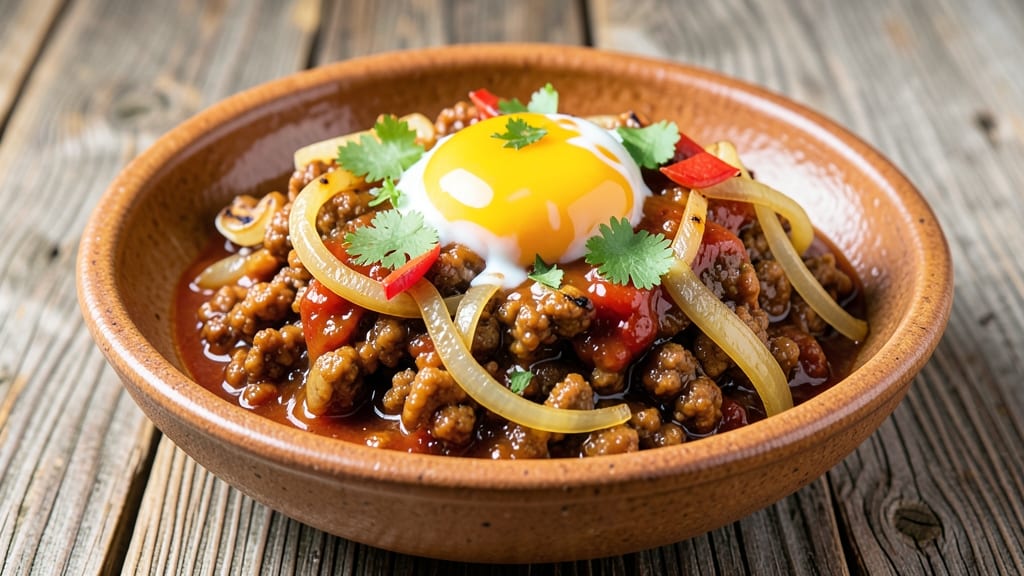
This egg keema recipe transforms humble ground meat into a fragrant, spice-infused dish where tender eggs nestle perfectly in a rich, aromatic gravy. After years of perfecting the balance between smoky spices and delicate eggs, I’ve developed a method that delivers restaurant-quality results at home—no shortcuts, just precise technique.
The key lies in slow-cooking the meat until it’s melt-in-your-mouth tender while keeping the eggs intact, creating a dish that’s hearty yet refined.
The foundation of great egg keema starts with a deep, toasted spice blend—cumin, coriander, and garam masala—that forms the backbone of flavor. I sauté onions until they’re golden and caramelized, then deglaze the pot with a splash of tomato paste and vinegar to build a rich, tangy base.
The eggs, cracked gently into the simmering meat, cook just enough to set their edges while keeping the yolks runny—a delicate balance that takes patience but yields irresistible results.
By the time you serve this dish, you’ll have a steaming bowl of spiced ground meat with eggs perfectly poached in the gravy, their yolks glistening like golden jewels. The aroma alone—smoky, earthy, and slightly sweet—will have everyone gathering at the table.
This is comfort food elevated: a one-pot meal that’s as satisfying as it is impressive, perfect for family dinners or special occasions.
Pair it with buttery naan or steamed basmati rice to soak up every last bit of that fragrant gravy. The recipe scales easily, so whether you’re feeding two or ten, the method remains the same. Let’s get cooking—this dish is worth the effort.
Ingredients for egg keema
Aromatic spices, golden eggs, and tender plant-based meat. Restaurant-quality flavor at home.
| Ingredient | Amount | Notes |
|---|---|---|
| Vegetarian Ground Meat 🥔 | 1 lb | Plant-based crumbles preferred |
| Yellow Onions 🧅 | 1 whole | Medium size, finely chopped |
| Garlic Cloves 🧄 | 6 cloves | Minced for aromatic base |
| Ginger 🌿 | 1 tbsp | Freshly grated, no zest |
| Tomato Paste 🍅 | 2 tbsp | Smooth, no sugar added |
| White Vinegar 💧 | 1 tbsp | For tangy depth |
| Ground Cumin 🌿 | 1 tsp | Toasted for warmth |
| Ground Coriander 🌿 | 1 tsp | Freshly ground preferred |
| Garam Masala 🌶️ | 1 tsp | Store-bought or homemade |
| Turmeric Powder 🧂 | ½ tsp | For golden color |
| Red Chili Powder 🌶️ | ½ tsp | Adjust for heat |
| Large Eggs 🥚 | 4 whole | Room temperature for even cooking |
| Vegetable Oil 🫒 | 3 tbsp | High smoke point |
| Salt 🧂 | 1 tsp | Kosher or sea salt |
| Fresh Cilantro 🌿 | ¼ cup | Chopped for garnish |
The vegetarian ground meat is everything here. Beyond Meat or Impossible crumbles mimic the texture perfectly—just make sure they're plant-based and labeled 'crumbles' for that meaty bite. I grab mine at Whole Foods or Target since they keep well in the freezer. The onions should be sweet and yellow, not red or shallots—they caramelize better. Spanish onions from the store's produce section are my go-to, but any yellow onion works. Toast the spices low and slow to wake up their flavors—don't rush this part.
No vegetarian crumbles? Lentils or mushrooms can stand in (use 1.5 cups cooked lentils or 8 oz finely chopped mushrooms), but the texture will differ. Fresh ginger is non-negotiable here—dried loses its punch. The tomato paste can be the squeeze-tube kind from Trader Joe's if you're short on time, but San Marzano is ideal. Want more heat? Add a pinch of cayenne or a dash of hot sauce. The eggs? Room temperature is key—they'll cook more evenly. If you're prepping ahead, crack them into a bowl and let them sit while you cook the meat.
This dish tastes even better the next day—honestly, the flavors meld beautifully. Keeps for 4-5 days in the fridge, covered tight. For leftovers, reheat gently on low heat with a splash of water to prevent drying. The spices lose potency after 3 months in the pantry, so check their dates. Freeze portions if you're not using them all at once—just thaw overnight in the fridge. Garnish with fresh cilantro right before serving (the good stuff, not the dried kind).
Why You'll Love This Recipe
- One-Pan Magic: I swear by this recipe because it’s literally one pan, one spatula, and zero dishes to scrub. The onions caramelize while you brown the meat, the eggs nestle right into the spiced base—no flipping, no fuss, just hands-off cooking while you chop the cilantro or grab a glass of water.
- Spice Symphony: That burst of toasted cumin and coriander? It’s next-level. The white vinegar cuts through the richness of the tomato paste, while the garam masala ties everything together like a secret handshake. Honestly, the moment the spices bloom and fill your kitchen, you’ll know why this dish is dangerous—it’s that good.
- Weeknight Workhorse: Between us, this is my go-to when I’m too tired to plan but still need a hearty meal. The eggs add protein without extra effort, and the leftovers? Chef’s kiss. I make a double batch on Sundays, and by Wednesday, I’m still eating it with toast—no sad desk lunches here.
- Budget-Friendly Powerhouse: A pound of vegetarian meat, a handful of spices, and eggs? This feeds four for under $10. The tomato paste and vinegar stretch the flavors, so every bite feels indulgent without breaking the bank. Plus, it keeps for 4-5 days, so you’re not scrambling (pun intended) to use it up.
Step-by-step instructions for egg keema
Here's how to make this hearty, aromatic dish with perfectly spiced meat and golden eggs.
Cook the Aromatic Base
Heat 3 tablespoons vegetable oil in a large skillet over medium heat. Add the 1 whole yellow onions and cook for 5 minutes until softened and translucent. You'll see the onions release their moisture and become clear—this is your signal they're ready for the next step.
Add the 6 cloves garlic cloves and 1 tablespoon ginger to the onions. Cook for 2 minutes until the garlic turns golden and fragrant. Here's the thing—don't let the garlic burn. If it starts to darken too quickly, reduce the heat slightly. The aroma should fill your kitchen, signaling the base is ready for the spices.
Add Spices and Meat
Stir in the 1 lb vegetarian ground meat, breaking it up with a wooden spoon as it cooks. Let it brown slightly for 3-4 minutes—this develops deep flavor. Then add the 2 tablespoons tomato paste, 1 tablespoon white vinegar, 1 teaspoon ground cumin, 1 teaspoon ground coriander, 1 teaspoon garam masala, 0.5 teaspoon turmeric powder, 0.5 teaspoon red chili powder, and 1 teaspoon salt. Stir everything together for 2 minutes until the spices bloom and the mixture smells rich and complex.
This is where the magic happens: the spices toast gently in the rendered fat, creating layers of flavor. If the mixture seems too dry, add 1-2 tablespoons water to keep it moist. Cook for another 5 minutes until the meat is fully cooked through and the spices have melded together.
Make Wells for the Eggs
Use the back of a spoon to create 4 shallow wells in the meat mixture, about 2 inches apart. Crack 1 large egg into each well, being careful not to break the yolks. The eggs should nestle comfortably in the spiced meat.
Here's the key: don't stir the eggs right away. Instead, let them cook undisturbed for 2-3 minutes until the whites begin to set around the edges. This creates that signature egg-keema look with golden yolks nestled in the spiced meat.
Cover and Cook to Perfection
Cover the skillet with a lid and cook over low heat for 8-10 minutes. You're looking for the eggs to reach 160°F internally (use an instant-read thermometer to check the thickest part of the yolk). The steam from the meat will gently cook the eggs without scrambling them.
Real talk: don't peek too often. Every time you lift the lid, you lose heat and steam, which can make the eggs cook unevenly. Instead, trust the time and temperature. When the eggs are just set but still runny in the center, they're ready.
Garnish and Serve
Remove the skillet from heat and sprinkle the 0.25 cup fresh cilantro evenly over the top. The bright green color contrasts beautifully with the golden eggs and rich spiced meat. Let the dish rest for 2 minutes before serving to let the flavors settle.
Serve immediately with warm naan or steamed basmati rice. The eggs should be perfectly cooked with just a hint of runny yolk, surrounded by fragrant, spiced meat. Each bite delivers a perfect balance of heat, tang, and richness—this is comfort food at its finest.
Pro Tips For Making Egg Keema
- CRUSH THE ONIONS FIRST: I used to add chopped onions straight to the oil and end up with a soggy mess—this recipe calls for medium onions, and they need to sweat dry for those 5 minutes. Pulse them in a food processor for 10 seconds first (just breaking them down, not puréeing), then chop by hand. The smaller, even pieces caramelize faster and release moisture predictably, so your aromatic base stays crisp instead of turning into onion paste.
- TOAST THE CUMIN AND CORIANDER: That 1 teaspoon ground cumin and 1 teaspoon ground coriander aren’t just spices—they’re the backbone of flavor. Toast them in a dry pan for 30 seconds over medium heat until they smell toasty and aromatic, then add them to the meat. I learned this the hard way: skipping the toasting makes the spices taste flat, no matter how long you cook them. (Pro move: Toast them while the onions cook—they’ll be ready just as you’re adding the meat.)
- DON’T SKIP THE VINEGAR: The 1 tablespoon white vinegar isn’t just for tang—it cuts through the richness of the meat and tomato paste, balancing the dish. Add it with the spices, but stir it in quickly so it doesn’t cook off before the meat absorbs it. I was skeptical until I tried it: the eggs end up with a brighter, more complex flavor, and the heat from the chili powder doesn’t overpower the whole dish.
- USE A SPOON TO MAKE WELLS: Cracking eggs into wells sounds simple, but using the back of a spoon (not your fingers) keeps the yolks intact and prevents the meat from splattering everywhere. Press the spoon into the meat just enough to create a shallow dip—about 1 inch deep. If the wells are too deep, the eggs will sink and overcook; too shallow, and they’ll spill. Aim for a snug fit, and resist the urge to jiggle the pan while they cook.
Troubleshooting this recipe
Eggs Too Runny
If your eggs remain completely liquid after cooking, you likely didn't cook them long enough or used too much heat. The key is low heat and 8-10 minutes of covered cooking time. I recommend using an instant-read thermometer to check the thickest part of the yolk—it should reach 160°F.
If they're still too soft, return the skillet to low heat for 1-2 more minutes, then check again. 💡
Eggs Too Dry
Overcooked eggs happen when the heat is too high or the lid isn't sealed properly. To fix this, reduce the heat to the lowest setting and add 1-2 tablespoons water to the skillet.
Cover tightly and cook for 2-3 minutes longer. The steam will help restore moisture. Trust me, this method works better than stirring—the eggs will soften without turning into scrambled eggs.
Spices Too Strong
If the spices overpower the dish, you likely toasted them too aggressively. Next time, reduce the heat to medium-low when adding spices and cook for just 1-2 minutes until fragrant.
For immediate fixes, add 1-2 tablespoons tomato paste or 1 tablespoon white vinegar to balance the heat. A pinch of sugar can also help mellow the intensity. 🌶️
Meat Too Dry
Dry meat usually means the heat was too high or the mixture wasn't moist enough. If this happens, add 2-3 tablespoons water or broth to the skillet and simmer for 2-3 minutes before adding the eggs.
For future attempts, reduce the heat to medium-low when cooking the meat and add 1 tablespoon water if it starts to look dry before the eggs go in.
Eggs Breaking Apart
If the eggs break easily when forming wells, they're likely too wet or the meat isn't firm enough. Let the meat cool slightly before cracking the eggs, and use the back of a spoon to create deeper wells.
For extra stability, gently press the edges of the wells down into the meat. If the eggs still break, try using slightly older eggs—they have firmer whites. ✨
Gravy Too Thin
A thin gravy often means the mixture wasn't cooked long enough to thicken. After adding the eggs, uncover the skillet and cook for an extra 2-3 minutes to reduce the liquid.
For future batches, simmer the meat mixture uncovered for 5 minutes after adding all the spices to help thicken the base. If needed, mix 1 teaspoon cornstarch with 1 tablespoon water and stir it in at the end.
Nutrition facts
Frequently asked questions
Can I make this recipe with regular ground meat instead of plant-based?
This dish works beautifully with traditional ground beef or lamb. Just use 1 lb of ground meat and follow the same cooking method. For extra tenderness, let the meat rest for 5 minutes after cooking before adding the eggs. The spice blend and technique remain identical—only the texture changes slightly.
How do I adjust the heat level for picky eaters?
Reduce the chili powder to ¼ teaspoon and omit the cayenne entirely. For extra mildness, add ½ teaspoon sugar along with the spices to balance the warmth. The garam masala already provides depth without heat, so you won't lose flavor—just the spiciness.
What's the best way to reheat leftovers?
Gently reheat on low heat with 2 tablespoons water or broth to prevent drying. Cover and cook for 3-4 minutes until warmed through. Never microwave—it makes the eggs rubbery. For best results, reheat only what you'll eat immediately to preserve texture.
Can I prepare this ahead of time?
Yes! Cook the meat mixture up to the egg stage, then cool completely. Store in an airtight container in the fridge for 2 days. When ready to serve, reheat the meat mixture, create wells, and add raw eggs. Cook covered on low heat for 8-10 minutes—the eggs will cook through while the meat stays moist.
What's the secret to perfectly set eggs?
The magic is in the low heat and covered cooking time. Use an instant-read thermometer to check the yolk reaches 160°F—this ensures they're safe but still runny. Avoid peeking while cooking, and never stir the eggs once they're in the wells. Patience is key!