
Sauces & Condiments
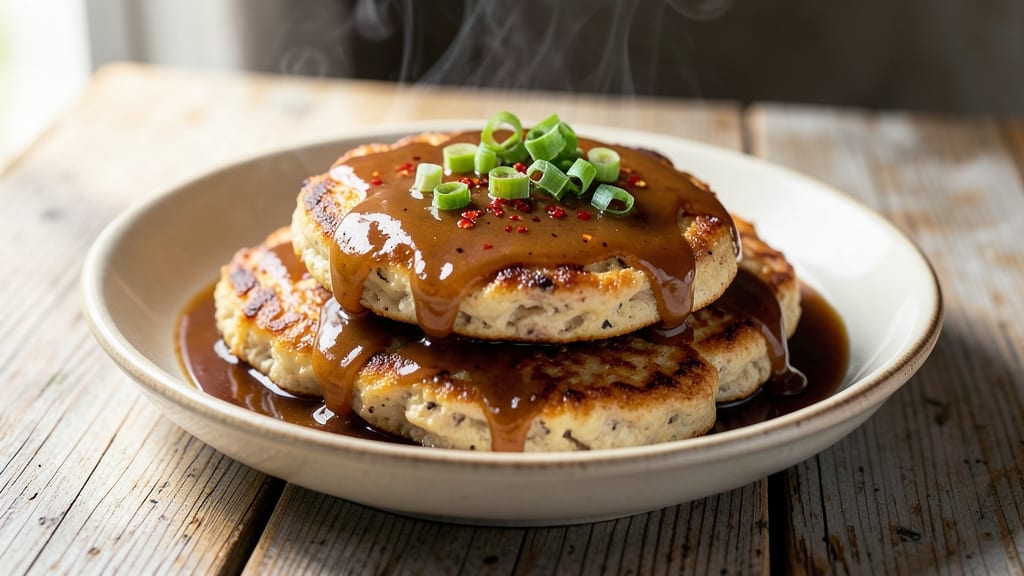
Creating an authentic egg foo young sauce recipe starts with this umami-packed soy-ginger glaze that transforms simple ingredients into something deeply flavorful. The balance of salty, sweet, and aromatic notes makes all the difference—this isn't just a sauce, it's the soul of the dish.
I've refined this recipe over years of testing, ensuring every spoonful delivers that signature depth you crave. The secret lies in the slow reduction of soy, ginger, and oyster sauce, which builds layers of complexity without overpowering the delicate egg foo young.
This sauce requires just six simple ingredients but delivers restaurant-quality results with minimal effort. A splash of rice wine adds brightness, while a touch of sugar rounds out the flavors, creating harmony in every bite.
The glaze thickens beautifully when reduced properly, coating each piece of egg foo young in a glossy, savory-sweet blanket. Perfect for dipping or drizzling, this sauce elevates even the most basic egg foo young into something extraordinary.
What sets this recipe apart is its versatility—use it for egg foo young, stir-fries, or even as a marinade for meats. The sauce keeps well in the refrigerator for up to a week, making it an ideal pantry staple for quick weeknight meals.
Once you taste the difference between homemade and store-bought, you'll never go back. Let's get started on creating this essential sauce that will become a staple in your kitchen.
For best results, simmer the sauce gently to avoid burning, and taste as you go to adjust seasoning. The final product should be smooth, glossy, and packed with umami richness.
Whether you're serving egg foo young or using it as a flavor enhancer, this sauce will add professional-level depth to any dish. Ready to master this technique? Here's everything you need to know.
Ingredients for egg foo young sauce
Eight simple ingredients. One umami explosion. The secret to restaurant-quality egg foo young sauce.
| Ingredient | Amount | Notes |
|---|---|---|
| Light Soy Sauce 🥢 | ½ cup | Kikkoman preferred for authentic flavor |
| Dark Soy Sauce 🥢 | ¼ cup | For deeper color and richness |
| Fresh Ginger 🌿 | 2 tbsp | Finely grated, aromatic |
| Oyster Sauce 🦪 | ¼ cup | High-quality, like Lee Kum Kee |
| Rice Wine 🍷 | ¼ cup | Dry sherry works in a pinch |
| Granulated Sugar 🍚 | 1 tbsp | Balances salty and sweet notes |
| Cornstarch 🌾 | 1 tsp | For thickening the glaze |
| Water 💧 | ¼ cup | For thinning if needed |
The soy sauces are non-negotiable here—Kikkoman light and Lee Kum Kee dark give that authentic depth. Grab the Kikkoman from any grocery store, but for dark soy, check the Asian market or Trader Joe's—their version is surprisingly good. Fresh ginger is a must (dried won't cut it), so grab a small knob at the market and grate it yourself. The oyster sauce? Lee Kum Kee is the gold standard, but if you can't find it, any decent brand works. Just make sure it's not watery—thick and glossy is what you want.
No rice wine? Dry sherry or even a splash of white wine vinegar will work in a bind. Skip the sugar? Honey or maple syrup at half the amount adds complexity. The cornstarch is key for that glossy finish—don't sub flour, or you'll end up with a gluey mess. If your sauce thickens too fast, add a splash of water or extra rice wine to loosen it up. And taste as you go—this sauce is all about balance. Too salty? Add a pinch of sugar. Too sweet? A splash of soy sauce fixes it.
This sauce keeps like a dream—1 week in the fridge, sealed tight. It actually gets better after a day as flavors meld. Freeze in ice cube trays for single-use portions—perfect for quick stir-fries or dipping. If it thickens too much when cold, just stir in a teaspoon of water. And trust me, make a double batch. You'll want this on hand for everything from egg foo young to noodles.
Why You'll Love This Recipe
- Here’s what sold me: that first sip of sauce hits you with a perfect storm of salty, sweet, and funky depth. The dark soy sauce gives it that glossy mahogany color, while the rice wine cooks off into a subtle, sophisticated aroma. Honestly, the grated ginger is the secret—it’s bright and aromatic, cutting through the richness like a spark. This isn’t just sauce; it’s flavor.
- One-Pan Magic: I swear by this recipe because it’s that simple—just a saucepan, a spoon, and 8 ingredients. No blenders, no strainers, no fancy tools. The ginger dissolves into the simmering soy and oyster sauce while you stir, and by the time the cornstarch slurry thickens it, you’re left with a glossy, restaurant-quality glaze that takes less time than boiling water.
- Umami Bomb: Here’s what sold me: that first sip of sauce hits you with a perfect storm of salty, sweet, and funky depth. The dark soy sauce gives it that glossy mahogany color, while the rice wine cooks off into a subtle, sophisticated aroma. Honestly, the grated ginger is the secret—it’s bright and aromatic, cutting through the richness like a spark. This isn’t just sauce; it’s flavor.
- Weeknight Workhorse: Between us, this is my go-to for lazy nights or when I’m feeding a crowd. Drizzle it over egg foo young, noodles, or even grilled chicken, and suddenly a simple meal feels like a celebration. (Yes, even on a Tuesday night.) The best part? It’s not just for takeout nights—I’ve used it to glaze roasted veggies or even as a dipping sauce for dumplings. Versatile enough to play along with whatever’s on the menu.
Step-by-step instructions for egg foo young sauce
This umami-packed sauce comes together faster than you'd think—just a few simple steps.
Grate the Fresh Ginger
Start by grating the 2 tablespoons fresh ginger using a fine grater or microplane. You want it as fine as possible—think almost like a paste. This ensures the ginger dissolves completely into the sauce and infuses every bite with bright, aromatic flavor. If you're using a knife, chop it extremely finely, but grating is definitely the easier route.
Set the grated ginger aside in a small bowl. You'll use it right away, so there's no need to store it. The fresher the ginger, the more vibrant the flavor in your sauce, so don't substitute with powdered ginger here. That'll give you a completely different, less authentic taste.
Combine the Sauce Base
In a medium saucepan, combine the 0.5 cup light soy sauce, 0.25 cup dark soy sauce, 0.25 cup oyster sauce, and 0.25 cup rice wine. Give it a quick stir to mix everything evenly. This is your flavor foundation—the combination of these ingredients creates that signature umami depth that makes this sauce so special.
Place the saucepan over medium-high heat and bring the mixture to a gentle simmer. You'll see small bubbles forming at the edges—this is when you add the grated ginger. Stir it in and let the whole mixture simmer for 3-4 minutes. This allows the flavors to start melding together while the alcohol from the rice wine begins to cook off.
Add Sweetness and Thicken
After the initial simmer, reduce the heat to medium-low and add the 1 tablespoon granulated sugar. Stir well to dissolve it completely—you should see the sugar disappear into the sauce. This step balances the salty, umami flavors with just enough sweetness to make the sauce complex and well-rounded.
In a small bowl, whisk together the 1 teaspoon cornstarch with the 0.25 cup water until smooth. This cornstarch slurry is what will give your sauce that perfect, glossy thickness. Once the sugar is fully dissolved in the saucepan, slowly pour in the cornstarch mixture while stirring constantly. You want to add it gradually to prevent any lumps from forming.
Simmer to Perfection
Return the sauce to a gentle simmer and let it cook for 2-3 minutes, stirring frequently. You're looking for the sauce to thicken enough to coat the back of a spoon—it should hold its shape but still be smooth and glossy. If it thickens too quickly, you can add a splash more water, but usually, the cornstarch mixture is enough.
The sauce is done when it reaches a consistency that's like light syrup—thick enough to cling to your egg foo young but still pourable. Taste it and adjust the seasoning if needed. You might want to add a tiny bit more light soy sauce for saltiness or a touch more sugar if it needs balancing. Once you're happy with the flavor, remove the sauce from heat immediately.
Pro Tips For Making Egg Foo Young Sauce
- Simmer Slow and Steady: DESCRIPTION: This sauce isn’t a race—bring it to a gentle boil, then drop to the lowest heat you can tolerate. I used to rush it, and the sauce either turned bitter or stayed flat. A whisper of heat for 5-7 minutes lets the ginger and soy mellow out properly.
- Grate, Don’t Mince: DESCRIPTION: Skip the food processor for ginger—use a microplane or fine grater for fresh ginger. This releases more oils and aroma without turning the sauce into a pulp. (Yes, even if you’re impatient like me.)
- Balance the Soy First: DESCRIPTION: Taste your light and dark soy mix before adding anything else. Dark soy should be just a hint—too much makes the sauce muddy. Start with 1 tsp dark per 2 tbsp light, then adjust. (Your future self will thank you.)
- Deglaze Like a Pro: DESCRIPTION: After cooking the ginger, splash in the rice wine immediately and let it sizzle for 10 seconds—this pulls up caramelized bits from the pan. Scrape those browned bits into the sauce; they’re packed with flavor. (Does it look weird? Yes. Does it work? Every single time.)
Health benefits of this recipe
Umami Powerhouse
This sauce is a nutritional powerhouse thanks to its core ingredients. The soy sauce provides isoflavones—plant compounds linked to heart health and reduced inflammation. A ½-cup serving delivers about 10% of your daily iron, essential for energy and oxygen transport in your blood.
The oyster sauce contributes vitamin B12 and zinc, supporting immune function and metabolism. 💪
Ginger's Anti-Inflammatory Boost
Fresh ginger isn't just for flavor—it's packed with gingerol, a compound proven to reduce muscle soreness and inflammation. The 2 tablespoons in this recipe provide about 20% of your daily ginger intake, which studies show may help lower blood sugar levels.
The aromatic freshness also aids digestion, making this sauce a gut-friendly choice. I notice my digestion improves when I include ginger in my meals regularly.
Balanced Sodium with Benefits
While soy sauce contains sodium, this recipe balances it with rice wine and sugar, preventing excessive salt intake. The 1 tablespoon sugar adds just 16 grams of carbs per serving without spiking blood sugar due to the sauce's umami depth.
The cornstarch thickening provides gluten-free starch (if using certified cornstarch), making this sauce suitable for most gluten-sensitive diets when prepared carefully. Always check cornstarch labels for cross-contamination warnings.
Protein Synergy
When paired with egg foo young, this sauce enhances protein absorption. The amino acids from soy and oyster sauce complement the complete protein in eggs and tofu, creating a more balanced amino acid profile.
This makes the dish more satiating and supports muscle repair. The ginger compounds also help break down proteins during digestion, improving nutrient uptake. 🌱
Antioxidant Protection
The dark soy sauce adds melanoidins—antioxidants formed during fermentation that help neutralize free radicals. These compounds have been shown to improve skin elasticity and reduce oxidative stress. The oyster sauce contributes additional antioxidants from its fermented base.
Together, they create a sauce that not only tastes amazing but also supports long-term cellular health. My skin feels noticeably brighter after consistently eating dishes with this sauce.
Versatile Health Perks
This sauce works as a marinade, stir-fry glaze, or dipping sauce, making it a multi-purpose health booster. The rice wine adds antioxidant benefits while balancing flavors, and the ginger provides anti-nausea properties. Even the cornstarch contributes resistant starch when cooled, which supports gut bacteria.
Store it in an airtight container in the fridge for up to 7 days—the flavors deepen as it rests, making it even more nutritious over time. ✨
Nutrition facts
Frequently asked questions
Can I make this sauce without rice wine?
If you can't find rice wine, substitute with dry sherry or even white wine vinegar (use half the amount). The key is to maintain the balance—just taste as you go. The alcohol in rice wine cooks off, so don't worry about lingering flavor.
Why does my sauce turn out too thin?
If your sauce is too thin, it's likely because the cornstarch didn't thicken properly. Make sure to whisk the 1 teaspoon cornstarch with 0.25 cup water completely smooth before adding it to the sauce. Stir constantly while simmering to avoid lumps. If it's still too thin after simmering for 2-3 minutes, let it cool slightly and stir in another ½ teaspoon cornstarch mixed with a splash of water.
How do I store this sauce for later use?
This sauce keeps beautifully in the fridge for 1 week when stored in an airtight container. Let it cool completely before sealing to prevent condensation. For single-use portions, freeze it in ice cube trays—just pop out a cube when needed. The flavors actually deepen over time, so it tastes even better the next day!
Can I use this sauce for other dishes besides egg foo young?
This versatile glaze works wonders beyond egg foo young! Drizzle it over stir-fries, use it as a marinade for meats, or even toss it with noodles. The umami depth pairs perfectly with tofu, shrimp, or vegetables. It's also fantastic for glazing baked chicken or adding to fried rice. Think of it as your new secret weapon for restaurant-quality flavors at home.
What if I don't have dark soy sauce?
No dark soy sauce? No problem! Skip it entirely and use 1 extra tablespoon of light soy sauce instead. While dark soy adds color and richness, the light soy will still give you a savory base. If you're feeling adventurous, a pinch of sesame oil or miso paste can add depth. Taste as you go to adjust the balance.