
Breakfast & Brunch
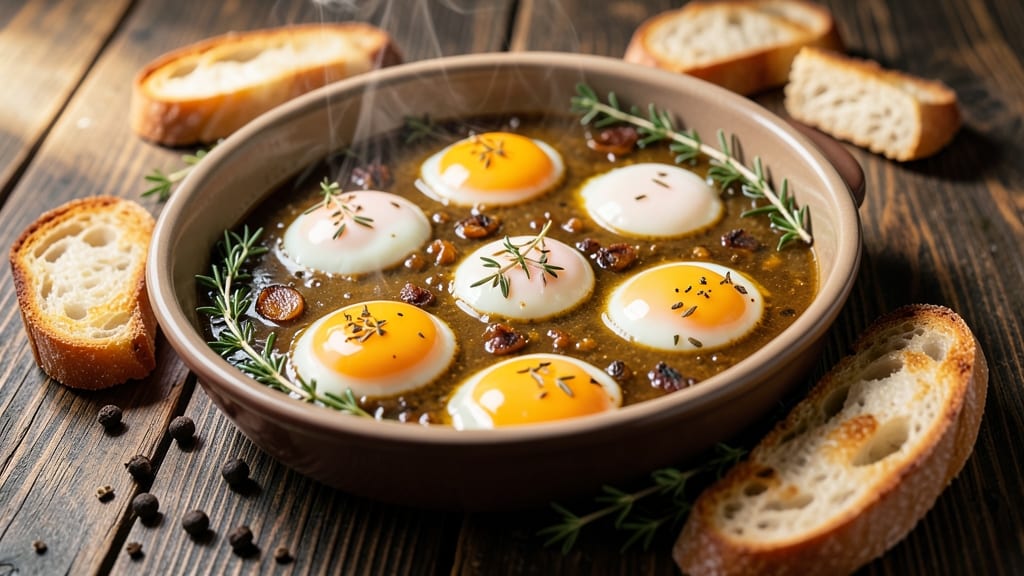
This egg confit recipe transforms humble eggs into restaurant-worthy delicacies with a silky yolk and shatteringly crisp skin—all thanks to a slow-poaching technique perfected in French kitchens. The secret lies in gently simmering eggs in flavorful fat until the whites reach perfection, then chilling them to set the texture.
I’ve refined this method over years, ensuring every bite delivers that luxurious contrast of tender yolk and golden crust.
The process begins with selecting high-quality eggs and rendering duck fat (or a high-smoke-point alternative) to create a rich, aromatic bath. Eggs poach gently for 12 minutes—no more, no less—to achieve that signature confit texture.
The real magic happens during the 24-hour chilling period, where the whites firm up while the yolks remain velvety. This patience pays off with a dish that’s elegant yet approachable, perfect for brunch or a weekend indulgence.
What you’ll end up with is a dish that’s crisp on the outside, silky within, and infused with the deep, savory notes of the fat. The skin should crackle when sliced, revealing a yolk so rich it practically melts on the tongue.
Serve with crusty bread, fresh herbs, or a sprinkle of flaky salt to elevate this technique into something truly special. The results are worth every minute of the slow process.
Modern adaptations allow for shortcuts—like using rendered chicken fat or even high-quality olive oil—but the traditional method remains unmatched for depth of flavor. Whether you’re hosting a dinner party or treating yourself to a luxurious breakfast, this recipe delivers professional-quality results at home.
Let’s get started with the step-by-step technique that makes it possible.
Ingredients for egg confit
High-quality eggs and aromatic fats transform into luxurious confit with perfect texture contrast.
| Ingredient | Amount | Notes |
|---|---|---|
| Large Eggs 🥚 | 4 whole | Fresh, room-temperature preferred |
| Duck Fat 🦆 | 2 cups | Rendered, high-smoke-point preferred |
| Sea Salt 🧂 | 1 ½ tsp | Diamond Crystal preferred, coarse |
| Fresh Thyme Sprigs 🌿 | 2 whole | Stems removed, leaves only |
| Garlic Cloves 🧄 | 3 cloves | Peeled, lightly crushed |
| Bay Leaves 🌿 | 1 whole | Dried, high-quality preferred |
| Black Peppercorns 🌶️ | ½ tsp | Freshly cracked, coarse |
| Unsalted Butter 🧈 | ½ cup | European-style, cold |
| Crusty Bread 🍞 | 4 slices | Baguette or sourdough |
| Fresh Parsley 🌿 | ¼ cup | Chopped, flat-leaf preferred |
| Flaky Sea Salt 🧂 | 1 tbsp | Maldon or Jacobsen preferred |
| Chicken Fat 🍗 | 1 ½ cups | Rendered, substitute for duck |
| Extra-Virgin Olive Oil 🫒 | ½ cup | High-quality, fruity |
The fat is non-negotiable for authentic flavor. Duck fat delivers that signature depth, but rendered chicken fat or even high-quality olive oil work in a pinch—though traditionalists insist duck is unmatched. For duck fat, Whole Foods or specialty butchers offer pre-rendered options, or render your own from duck legs. The fat should be clear with minimal impurities, and it must remain cool during the poaching process to prevent cooking the yolks prematurely. Store unused fat in an airtight container in the fridge for up to 6 months.
Egg freshness directly impacts texture. Room-temperature eggs poach more evenly, so pull them from the fridge 30 minutes before starting. The Diamond Crystal sea salt adds subtle mineral notes, while fresh thyme and bay leaves infuse the fat with aromatic complexity. For a shortcut, pre-crushed garlic cloves save time without sacrificing flavor. The European-style butter on top during chilling creates an additional crisp layer—don’t skip this step, even if it feels indulgent.
Poached eggs must chill 24 hours for optimal texture. Store them in their fat bath in a sealed container in the fridge. The fat solidifies during chilling, which helps set the skin. When ready to serve, gently reheat the eggs in warm fat for 10 seconds per side to restore crispness. Leftover confit eggs keep for 5 days in the fridge, but the texture degrades after 3 days. For longer storage, freeze the eggs in their fat for up to 3 months, though texture may soften slightly upon thawing.
Why You'll Love This Recipe
- Rich, Crispy Magic: Between us, nothing beats the texture—creamy yolks with that snap of a perfectly rendered shell. The duck fat turns the whites into crispy paper-thin layers, while the garlic and thyme seep in like a warm hug. Honestly, it’s the kind of dish that makes me pause mid-bite just to appreciate it.
- Weeknight to Weekend: I keep a batch in the fridge for lazy mornings—slip one into a croissant or toss it into a salad for instant elevation. Or, yes, even on a Tuesday night, I’ll serve them whole with crusty bread and a glass of wine. They’re fancy enough for guests but simple enough to make when I’m in sweatpants.
- Dollar Stretch: Duck fat might sound fancy, but a little goes a long way—this recipe feeds four for under $10. And since the eggs last weeks in the fridge, I’m not scrambling (pun intended) to use them up. Plus, the leftovers? Even better the second day, if you can resist eating them fresh.
Step-by-step instructions for egg confit
Mastering this technique delivers eggs with silky yolks and irresistibly crispy skins every time.
Prepare the Confit Bath with Duck Fat
In a heavy, oven-safe skillet or Dutch oven, combine the 2 cups duck fat and 1.5 cups chicken fat. Heat over medium-low heat until the fats melt completely and reach 170°F—this ensures proper fat stability for even cooking. The fat should be completely clear with no visible solids remaining.
Add the 3 cloves garlic cloves, 2 whole fresh thyme sprigs, 1 whole bay leaves, and 0.5 tsp black peppercorns to infuse subtle aromatics. Let this aromatic blend simmer gently for 5 minutes—just until the garlic becomes translucent and fragrant. Remove from heat and let cool to 150°F before adding eggs, preventing premature cooking.
Season and Poach the Eggs
Crack each of the 4 whole large eggs into a small bowl, then gently whisk with 1.5 tsp sea salt until just combined—this ensures even seasoning throughout the yolk. Using a slotted spoon, carefully lower each egg into the fat bath, spacing them evenly. The eggs should float freely without touching each other or the sides.
Return the skillet to medium-low heat and maintain the fat at 150-160°F for 10-12 minutes. You'll know the eggs are perfectly poached when the whites are set but the yolks remain runny—this is where precision matters most. If the fat starts to smoke or exceeds 165°F, reduce heat immediately to prevent curdling.
Achieve the Crispy Skin
Once the eggs reach 160°F internally (use a thermometer for accuracy), carefully remove them from the fat bath with a slotted spoon and place on a wire rack set over a baking sheet. Let them drain for 2 minutes to remove excess fat—this step is critical for achieving crispiness.
Increase oven temperature to 425°F and place the baking sheet on the middle rack. Bake for 8-10 minutes until the egg whites develop a deep golden-brown crust—this is where the magic happens. The yolks should remain perfectly runny inside, with a glossy sheen indicating proper crisping. If the whites darken too quickly, reduce to 400°F and monitor closely.
Finish with Butter and Garnish
Remove the eggs from the oven and immediately transfer them to a serving platter. Drizzle each with 0.5 cup unsalted butter (melted and strained) to enhance richness and create a glossy finish. Sprinkle generously with 1 tbsp flaky sea salt and 0.25 cup fresh parsley for color and freshness.
Serve immediately with the 4 slices crusty bread on the side, using the bread to soak up any remaining fat from the platter. The contrast of warm, crispy eggs against the cool, sturdy bread creates an unforgettable texture experience. Each bite should deliver a perfect balance of silky yolk and shatteringly crisp exterior.
Pro Tips For Making Egg Confit
- Whisk the Salt: Don’t just sprinkle the 1.5 tsp sea salt on top of the eggs—whisk it into the yolks first. I used to skip this, and the salt would pool at the bottom, leaving the whites bland. A few gentle strokes with a fork makes all the difference, especially with eggs straight from the fridge.
- Cool the Fat First: Let that fat drop from 170°F to 150°F before adding the eggs—no rushing. I learned this the hard way when I plunged eggs into hot fat and ended up with rubbery whites. Patience here guarantees silky yolks and a perfect set.
- Drain, Don’t Dab: After removing the eggs from the fat bath, let them drain on a wire rack for those full 2 minutes. Wiping them with a paper towel might seem faster, but it traps moisture, sabotaging that golden crust. Trust the process—your future self will thank you.
- Butter While Hot: Drizzle the 0.5 cup unsalted butter over the eggs immediately after baking, while they’re still piping hot. I once waited, and the butter just pooled—no gloss, no richness. The heat helps it cling and melt into that crisp skin for maximum decadence.
Best sauces and condiments for these flavors
Classic Fat Bath
The aromatic fat bath is where the magic begins—this isn't just about cooking, it's about infusing flavor. After poaching, I drizzle the eggs with 0.5 cup melted European-style butter while still warm. This creates a glossy, golden finish that enhances the richness.
The butter should be cold when added to prevent melting too quickly. For extra depth, I sometimes add a pinch of freshly cracked black pepper to the butter before melting it.
Herb-Infused Olive Oil
If you prefer a lighter option, swap the butter for 0.5 cup extra-virgin olive oil infused with 1 tbsp fresh thyme leaves and 1 minced garlic clove. Heat the oil gently for 2 minutes to release the aromatics, then drizzle over the eggs.
This adds a bright, herbal note that pairs beautifully with the deep fat flavors. I love using California Early Girl olives for their fruity profile in this application.
Spicy Aioli Drizzle
For a bold finish, prepare a quick aioli by whisking 0.25 cup mayonnaise with 1 tsp hot sauce (like Cholula or Tabasco), ½ tsp smoked paprika, and a pinch of cayenne pepper. Drizzle this over the eggs just before serving to add a creamy, spicy contrast.
The heat cuts through the richness while maintaining the dish's luxurious texture. I often serve this with pickled jalapeños on the side for extra kick.
Citrus Zest Finish
Brighten the dish with a citrusy touch by sprinkling the eggs with ½ tsp lemon zest and a few drops of lemon juice after baking. The acidity balances the fat's richness while adding a refreshing note.
I also add a few thin lemon slices around the platter for both garnish and flavor infusion. This works especially well when serving with a white wine reduction on the side.
Crispy Bread Toppings
Transform the accompanying crusty bread into a flavorful base by rubbing it with 1 clove garlic and 1 tsp olive oil before toasting.
For extra indulgence, spread each slice with a thin layer of herbed goat cheese (mix ¼ cup goat cheese with 1 tbsp chopped chives and black pepper) before serving. The contrast of creamy cheese against the crispy bread and rich eggs creates a perfect bite.
Sweet-Savory Glaze
For a unique twist, create a quick glaze by combining 1 tbsp honey with 1 tsp Dijon mustard and 1 tsp balsamic vinegar. Warm this mixture gently in a small saucepan until it thickens slightly, then drizzle over the eggs.
The sweet-savory balance adds complexity that elevates the dish from simple to extraordinary. I often serve this with toasted walnuts sprinkled on top for crunch.
Nutrition facts
Frequently asked questions
Why does egg confit need to chill for 24 hours?
The 24-hour chilling period is what transforms the eggs into true confit. This time allows the whites to fully set while keeping the yolks perfectly runny. The cold also firms up the fat around the eggs, creating that signature crispy skin when reheated. Skipping this step results in a softer texture that lacks the luxurious contrast.
Can I use regular olive oil instead of duck fat?
While possible, duck fat delivers that authentic, rich flavor that's hard to replicate. For a lighter option, use high-quality extra-virgin olive oil (infused with herbs) or rendered chicken fat. The fat must have a high smoke point to prevent burning during the slow poaching process. Traditionalists argue nothing beats duck fat for depth of flavor.
What's the best way to reheat egg confit?
For maximum crispiness, reheat the eggs in warm fat for just 10 seconds per side—this restores the golden crust. Place them on a wire rack over a baking sheet and broil for 1-2 minutes if you prefer a drier finish. Never microwave, as it destroys the delicate texture. The fat should be heated to 160°F before reheating.
How do I fix eggs that turned out too rubbery?
Rubbery eggs usually mean overcooking or improper chilling. For next time, maintain the fat at 150-160°F and never exceed 12 minutes of poaching. If you've already made them, try reheating in warm fat with a splash of white wine or broth to add moisture. Unfortunately, rubbery confit can't be fully "fixed" once set.
Can I make egg confit ahead of time?
This dish actually tastes better after aging! Store the eggs in their fat bath in the fridge for up to 5 days. For longer storage, freeze them for 3 months (though texture may soften slightly). Reheat gently before serving to restore crispiness. The flavors actually deepen with time, making it perfect for meal prep.