
Side Dishes
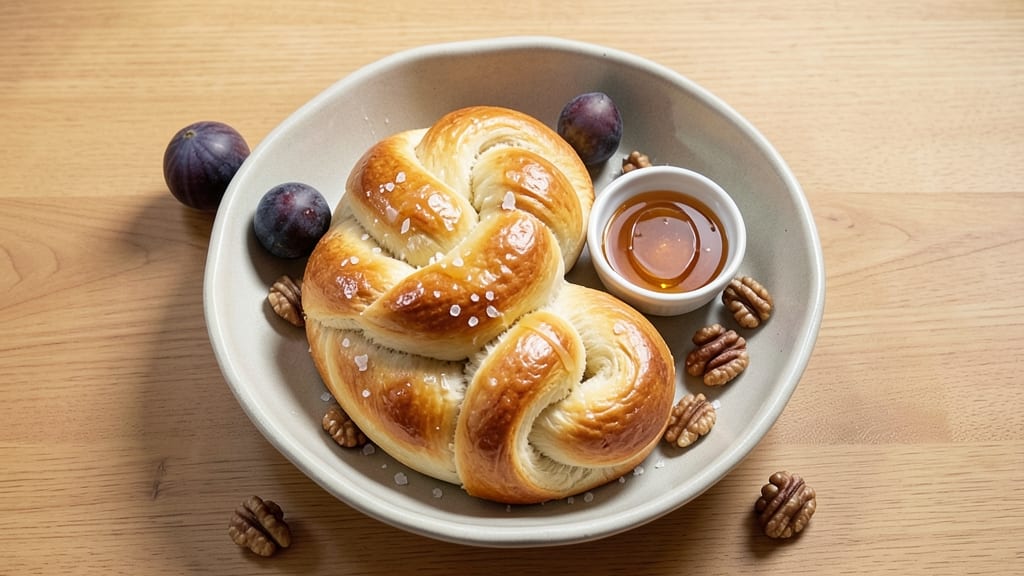
This egg challah recipe transforms your kitchen into a bakery with its golden, braided loaf that smells like fresh-baked goodness. The secret lies in a rich dough enriched with eggs and butter, creating layers of tenderness that beg to be sliced and shared.
I’ve perfected the technique over years—kneading just enough to develop gluten, letting it rise slowly for that signature softness, and braiding it with confidence for that classic appearance.
What makes this recipe stand out is its beginner-friendly approach without sacrificing tradition. You’ll work with simple ingredients—flour, eggs, sugar, and yeast—but the method ensures professional results. The egg wash gives that signature glossy finish, while proofing at the right temperature guarantees a light, airy crumb.
Every step is designed to build your skills, even if you’ve never shaped a loaf before.
By the time it emerges from the oven, you’ll have a warm, fragrant loaf with crisp edges and a tender interior, perfect for breakfast, brunch, or as a sweet accompaniment to savory meals.
The braided pattern isn’t just decorative—it’s a tradition that adds texture and visual appeal. This recipe delivers restaurant-quality results with minimal fuss, proving that homemade bread can be both impressive and foolproof.
For extra indulgence, try adding honey, raisins, or seeds to the dough before shaping. The variations are endless, but the foundation remains the same: a soft, buttery loaf that tastes like comfort in every bite. Let’s get started on creating your perfect challah.
Ingredients for egg challah
Simple pantry staples transform into a golden, buttery loaf with just a few key ingredients.
| Ingredient | Amount | Notes |
|---|---|---|
| All-Purpose Flour 🌾 | 5 cups | Plus 1 tbsp for dusting |
| Large Eggs 🥚 | 6 whole | Room temperature preferred |
| Unsalted Butter 🧈 | 1 cup | Cold, cubed for dough |
| Granulated Sugar 🍚 | ¼ cup | Plus 1 tbsp for dough |
| Active Dry Yeast 🍞 | 2 ¼ tsp | Or 1 packet instant yeast |
| Warm Water 💧 | ½ cup | 110°F for yeast activation |
| Diamond Crystal Kosher Salt 🧂 | 1 ½ tsp | Adjust to taste |
| Honey 🍯 | 1 tbsp | For yeast feeding |
| Egg Yolks 🥚 | 2 whole | For egg wash |
| Milk 🥛 | 1 tbsp | For egg wash richness |
| Poppy Seeds 🌻 | 1 tbsp | Optional, for topping |
| Sesame Seeds 🌿 | 1 tbsp | Optional, for topping |
The flour is your foundation—King Arthur or Gold Medal work best for that tender crumb. I buy mine in bulk at Whole Foods since it stays fresh longer. For the butter, Plugrá or Land O’Lakes are my go-tos—they handle the cold dough better than some store brands. The eggs should be large and cold when you start, but let them warm up to room temp before mixing. Yeast is non-negotiable here—Fresh yeast works if you can find it, but active dry is foolproof. Just make sure it’s not expired, or you’ll be waiting forever for that dough to rise.
No honey? Maple syrup at the same amount works in a pinch, though it’ll add a different depth. Short on poppy seeds? Toasted sesame seeds or crushed pistachios give a similar crunch. The milk in the egg wash can be swapped for heavy cream if you want extra richness, but whole milk keeps it balanced. If your dough feels too sticky, add flour 1 tbsp at a time—don’t overdo it, or it’ll get tough. And for the love of challah, don’t skip the egg wash—that’s what gives it that golden, bakery-fresh shine.
This dough keeps in the fridge for 2 days and freezes beautifully for 3 months. Shape it ahead and refrigerate overnight for even better flavor. The braided loaf stays fresh for 3 days at room temp, wrapped in a clean kitchen towel. For extra indulgence, brush the warm loaf with melted butter—trust me, it’s worth the extra minute. And if you’re feeling fancy, save the egg wash scraps to make a quick custard or crème brûlée.
Why You'll Love This Recipe
- No-Knead Magic: I swear by this dough—just mix, let it rise, and shape. No standing at the counter for hours, just 10 minutes of hands-off waiting while the yeast does all the work.
- Rich, Buttery Crust: That golden-brown exterior? Pure egg-and-butter bliss. The sugar caramelizes just enough to give it a subtle sweetness without overpowering the tender, pull-apart interior.
- Shabbat Star: Here’s what sold me—it’s my go-to for Friday nights. Serve it warm with honey or jam, and suddenly you’ve got a showstopper that feels fancy but takes less time than takeout.
- Budget Breakfast Hero: Between us, this keeps my wallet happy. A single batch stretches to four breakfasts, and the eggs + butter make it feel indulgent without costing a fortune. Leftovers? Toasted the next morning? Heaven.
Step-by-step instructions for egg challah
Here's how to create a golden, braided loaf with layers of buttery richness and tender crumb.
Activate the Yeast for Maximum Rise
In a small bowl, combine the 0.5 cup warm water (110°F) with the 2.25 tsp active dry yeast and 1 tbsp honey. Let it sit for 5-10 minutes until it becomes frothy and bubbly—this confirms your yeast is alive and ready to work. The honey here not only feeds the yeast but also adds subtle sweetness that carries through the dough.
I like to use a kitchen scale for accuracy here, but if you're measuring by volume, make sure your water is truly warm but not hot—above 120°F and you'll kill the yeast. The mixture should smell slightly sweet and yeasty, not flat or sour. If it doesn't bubble after 10 minutes, start over with fresh yeast.
Mix the Dough and Knead Until Elastic
In the bowl of a stand mixer fitted with the dough hook, combine the 5 cups all-purpose flour, 1.5 tsp diamond crystal kosher salt, and 0.25 cup granulated sugar. Mix on low speed just to distribute the dry ingredients, then add the yeast mixture and 6 whole large eggs (room temperature). With the mixer running on low, gradually add the 1 cup cold, cubed unsalted butter—this keeps the butter from melting too quickly and creating a sticky mess.
Once everything is incorporated, increase the speed to medium and knead for 5-7 minutes until the dough pulls away from the sides of the bowl and forms a smooth, elastic ball. You'll know it's ready when it springs back slowly when poked—this elasticity is what gives challah its signature chew. If the dough feels too sticky, add 1 tbsp flour at a time until it comes together cleanly.
First Rise and Shaping the Braid
Lightly grease a large bowl with a bit of the 1 cup unsalted butter (melted), then place the dough inside. Cover with a clean kitchen towel and let it rise in a warm place for 1-2 hours, or until it has roughly doubled in size. The dough should feel light and airy when pressed gently—this is your cue that the gluten has relaxed and the yeast has done its job.
Once risen, turn the dough out onto a lightly floured surface and divide it into 3 equal pieces. Roll each piece into a 12-inch log, then gently braid them together by placing the first log on the work surface, adding the second at a slight angle, and weaving the third over and under. The braid should be tight but not forced—think of it like a delicate dance rather than a wrestling match. This shaping is what gives challah its iconic appearance and texture.
Second Rise and Egg Wash for Shine
Place the braided loaf on a parchment-lined baking sheet and cover it loosely with the towel again. Let it rise for another 30-45 minutes until it puffs up noticeably. This second rise is crucial—it ensures the braid holds its shape and the crumb remains light. Preheat your oven to 350°F while the dough rises; this gives the oven time to stabilize and ensures even baking.
In a small bowl, whisk together the 2 whole egg yolks, 1 tbsp milk, and an additional 1 tbsp granulated sugar for the egg wash. This mixture will give your challah that gorgeous golden-brown finish and add a touch of sweetness to the crust. Brush the wash generously over the loaf, making sure to get into the crevices of the braid. Sprinkle the 1 tbsp poppy seeds and 1 tbsp sesame seeds evenly over the top—these add texture and a nutty contrast to the soft dough.
Bake to Perfection and Rest Before Slicing
Bake the challah for 25-30 minutes, or until it's deeply golden brown and sounds hollow when tapped on the bottom. The internal temperature should reach 190°F—this ensures the center is fully baked but still tender. If the top browns too quickly, tent the loaf with aluminum foil to prevent over-browning while it finishes baking.
Remove the challah from the oven and let it cool on a wire rack for at least 30 minutes before slicing. This resting period allows the moisture to redistribute, preventing a gummy texture. The loaf should be warm to the touch but not hot—this is when it's at its peak for serving. Slice it diagonally for those classic challah triangles, and enjoy it fresh with a pat of unsalted butter or a drizzle of honey.
Pro Tips For Making Egg Challah
- Proof at Room Temp: Skip the fridge—let your yeast rise in a warm spot (like a turned-off oven with the light on) for 10-15 minutes before mixing. I used to toss it straight into cold ingredients, and the dough took forever to activate. Warmth gets things moving faster, and your egg challah won’t taste like it’s dragging its feet.
- Soften Butter Properly: For egg challah, butter should be soft but not melted—press your finger into it, and it should dent slightly. If it’s too firm, the dough gets tough; if it’s liquid, the texture turns greasy. I learned this the hard way when my first batch collapsed like a sad soufflé.
- Handle Eggs Gently: Whisk the eggs just until combined—no need for stiff peaks or overbeating. Overmixed eggs make the dough tough, and you’ll end up with a dense, chewy challah instead of that light, airy pull. Think "smooth, not stiff," and you’re golden.
- Shape Loosely First: Don’t stress the perfect braid until the dough is fully proofed. Shape it loosely into a log, let it rise again, then braid it—this prevents tearing and gives you that classic, elegant look without the struggle. (Yes, even if you’re impatient like me.)
Serving suggestions for this egg challah
Breakfast Brilliance
Serve warm slices of this egg challah with a pat of unsalted butter melting on top—it’s the ultimate weekend breakfast. I like to pair it with scrambled eggs and crispy bacon for a hearty meal.
The buttery richness of the challah balances the savory flavors perfectly. For extra indulgence, drizzle with local honey or spread with cream cheese and a sprinkle of everything bagel seasoning. 🥞
Brunch Showstopper
Transform your brunch spread with this loaf as the star. Toast slices lightly and serve with fresh berries and whipped cream for a sweet treat. I often make mini versions to serve alongside quiches and sausage patties—everyone reaches for seconds.
The poppy and sesame seeds add a delightful crunch that elevates the presentation. For a modern twist, serve with avocado toast and a sprinkle of flaky salt.
Savory Pairings
Don’t limit this to sweet occasions! Use it to soak up flavors in savory dishes. Tear warm slices into French onion soup or serve alongside roasted chicken with herb butter. The soft texture contrasts beautifully with crispy roasted vegetables.
For a Jewish deli vibe, serve with pastrami sandwiches or matzo ball soup—the sweetness of the challah balances the rich, savory flavors. 🍗
Dessert Reinvention
Turn your challah into a dessert by slicing it thin and layering with Nutella, mascarpone cream, and fresh strawberries for a no-bake tiramisu-style treat. For a warm dessert, drizzle with caramel sauce and top with vanilla ice cream.
I also love making challah French toast—dip slices in an egg-milk-cinnamon mixture and cook until golden. The egg-rich dough makes it extra tender and delicious.
Gift-Worthy Presentation
Wrap a warm loaf in a linen napkin and tie it with twine for a beautiful gift. I often include a small jar of homemade jam or a block of artisanal butter for a complete package.
For a festive touch, dust with powdered sugar or drizzle with melted chocolate. The golden braid looks stunning on a wooden board, making it perfect for holidays or special occasions. 💛
Leftovers Reinvented
Use day-old challah in creative ways to avoid waste. Make challah croutons by cubing and tossing with olive oil, garlic powder, and Parmesan cheese, then baking until crispy. Or, blend dried slices into breadcrumbs for meatballs or meatloaf.
For a quick snack, toast slices and spread with peanut butter and banana slices. The dough stays fresh for 3 days at room temperature, so get creative before it goes stale!
Nutrition facts
Frequently asked questions
Why does this recipe use so many eggs?
The eggs create a rich, tender crumb that's signature to this style of braided bread. Each egg adds moisture and fat, giving the dough its signature softness and that golden, buttery finish. The extra yolks in the egg wash also create that glossy, bakery-style crust.
Can I make this without a stand mixer?
Knead the dough by hand for 8-10 minutes on a lightly floured surface until it becomes smooth and elastic. Work in short bursts to avoid overheating the dough. The key is to develop the gluten properly—when the dough springs back slowly when poked, it's ready.
What if my braid falls apart when baking?
This usually happens if the dough wasn't properly rested between rises or if you braided too tightly. Let the dough rise completely (until puffy) before shaping, and handle it gently when braiding. If it starts to unravel in the oven, simply reshape it with a spatula—it'll still bake beautifully.
How can I add flavor variations?
Try mixing in 1 tbsp cinnamon with the sugar for warmth, or fold in ½ cup raisins or chocolate chips before shaping. For a savory twist, replace the sugar with 1 tsp garlic powder and add 1 tbsp dried herbs to the dough. The egg-rich base makes it versatile!
Can I use this dough for other shapes?
Yes! Instead of braiding, try shaping into round boules, mini loaves, or even challah rings. The dough's richness works beautifully for any form. For extra flair, sprinkle with everything bagel seasoning or crushed nuts before baking.