
Main Courses
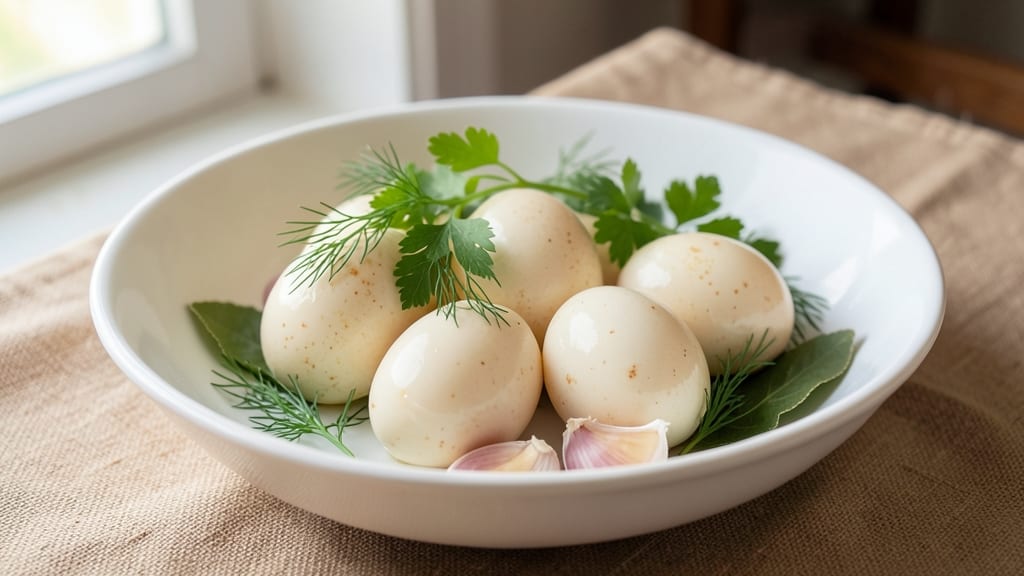
Perfectly silky yolks and tender whites are yours with this simple egg boil recipe without the old bay seasoning—no fuss, just flawless results. This herb-infused brine method eliminates guesswork, delivering consistent results whether you prefer soft, medium, or hard-boiled eggs.
The secret lies in precise timing and a simple vinegar solution that ensures effortless peeling.
What sets this technique apart is its adaptability—no special equipment or complicated steps required. A basic pot, water, and a few pantry staples transform ordinary eggs into restaurant-quality bites.
The herb-infused brine adds subtle depth without overpowering the natural egg flavor, while the vinegar creates a gentle acidity that prevents cracking and makes peeling a breeze.
You'll end up with eggs that are silky in the center, firm to your preferred texture, and effortlessly peeled—no stubborn membranes clinging to the shells. This method works for breakfast, salads, or deviled eggs, and the same technique applies to any egg size.
The key is patience and precision, both of which pay off in perfect results.
Ready to elevate your boiled eggs from basic to exceptional? Here's everything you need to know to achieve flawless texture and presentation every time.
Ingredients for egg boil recipe without old bay seasoning
Pantry essentials meet herbaceous sophistication for flawless boiled eggs every time.
| Ingredient | Amount | Notes |
|---|---|---|
| Large Eggs 🥚 | 12 whole | Room temperature for even cooking |
| White Vinegar 💧 | ¼ cup | Distilled for best results |
| Fresh Dill Sprigs 🌿 | 4 whole | Stems removed, chopped |
| Fresh Parsley Sprigs 🌿 | 4 whole | Stems removed, chopped |
| Garlic Cloves 🧄 | 2 cloves | Smashed, skin on |
| Bay Leaves 🍃 | 2 whole | Standard dried leaves |
| Kosher Salt 🧂 | 1 ½ tbsp | Diamond Crystal preferred |
| Ice Cubes ❄️ | 4 cups | For immediate shock cooling |
| Water 💧 | 4 cups | Filtered preferred |
| Extra-Virgin Olive Oil 🫒 | 2 tbsp | For post-boil finishing |
The eggs are the foundation, so prioritize large, fresh eggs—look for shells with minimal cracks and a vibrant, unblemished appearance. Whole Foods or local farmers markets carry the highest quality, but any reputable grocery store will suffice. Room temperature eggs cook more evenly, so take them out of the fridge 30 minutes before boiling. The vinegar and herbs work together to create a balanced brine: white vinegar prevents cracking and enhances peeling, while fresh dill and parsley add aromatic depth without overpowering the delicate egg flavor. For the garlic, smashed cloves infuse more flavor than minced, and leaving the skin on prevents burning. Penzeys or bulk spice sections offer superior quality for bay leaves—avoid pre-crumbled varieties which lose potency quickly.
No fresh herbs? Dried dill and parsley work at one-third the amount, though the flavor will be subtler. Substitute lemon juice for vinegar if needed—use the same quantity, but reduce salt slightly as lemon has its own salinity. Running out of garlic? One clove of garlic powder mimics the aroma, though texture will differ. For a vegetarian-friendly approach, ensure eggs are organic or cage-free. The olive oil finishing touch isn't mandatory but elevates presentation—opt for a fruity, extra-virgin variety like California Early Harvest for best results. Prefer hard-boiled eggs? Increase boiling time by 30 seconds per minute (e.g., 11 minutes for hard).
Store uncooked eggs in their original carton in the coldest part of your fridge—this maintains optimal texture. The herb-infused brine can be prepped 1 day ahead and stored in an airtight container in the refrigerator. Cooked eggs should be shocked in ice water immediately after boiling to halt cooking and preserve texture. They'll keep in the fridge for 5 days when submerged in fresh cold water. For meal prep, peel and portion into containers with a light drizzle of olive oil—they reheat beautifully in the microwave for 15 seconds. Freezing isn't recommended as it alters texture, but you can freeze the herb brine separately for up to 3 months.
Why You'll Love This Recipe
- Here’s what sold me: I can make a full batch on Sunday, and these eggs stay fresh for days. Toss them in salads, slice them over toast with a little salt, or just eat them straight up—they’re always a hit. And because the brine can be prepped ahead, it’s basically a set-it-and-forget-it situation. Perfect for when you’re too busy to think, but still want food that doesn’t taste like a shortcut.
- No-Chop Shortcut: I’ll be real—this is one of those recipes where you’re basically rewarded for doing the bare minimum. The herbs just need a quick chop (and honestly, I often just tear the sprigs with my fingers), and the rest is hands-off. Twenty minutes later, you’ve got eggs that look like they came from a fancy deli.
- Herb Magic: That garlic and dill combo? It’s like a little flavor party in your mouth. The vinegar brightens everything up, but the real star is how the herbs infuse the eggs themselves—not just the water. You get that fresh, garden-fresh taste in every bite, and the bay leaves add this subtle earthy depth that makes it taste way more special than plain boiled eggs.
- Meal Prep MVP: Here’s what sold me: I can make a full batch on Sunday, and these eggs stay fresh for days. Toss them in salads, slice them over toast with a little salt, or just eat them straight up—they’re always a hit. And because the brine can be prepped ahead, it’s basically a set-it-and-forget-it situation. Perfect for when you’re too busy to think, but still want food that doesn’t taste like a shortcut.
Step-by-step instructions for herb-infused brine eggs
Aromatic herbs and precise technique create silky yolks and vibrant whites every time.
Prepare the Herb-Infused Brine Solution
In a large pot, combine the 4 cups water and 1.5 tablespoons kosher salt, stirring until fully dissolved. Add the 2 smashed garlic cloves, 2 bay leaves, 4 chopped fresh dill sprigs, and 4 chopped fresh parsley sprigs. Bring to a gentle simmer over medium heat for 2 minutes, allowing the herbs to steep and infuse the liquid with their bright flavors. This aromatic base ensures your eggs develop subtle herbal notes without overpowering the natural taste.
Remove from heat and let the brine cool to room temperature—approximately 20 minutes. The herbs should remain submerged, continuing to release their oils into the liquid. This step is critical; a properly infused brine prevents flat whites and ensures vibrant color. If you're impatient, place the pot in an ice bath to speed up cooling, but don't rush—herbs need time to work their magic.
Add Vinegar and Eggs for Perfect Texture
Once the brine has cooled, stir in the 0.25 cup white vinegar. This acidifies the water, helping the eggshells release more easily and preventing cracking during cooking. Gently lower the 12 room-temperature large eggs into the brine using a slotted spoon—place them in a single layer to ensure even cooking. The vinegar also contributes to that signature bright white we all love.
Return the pot to medium-low heat and maintain a temperature of 180°F—just below a gentle simmer. Use a candy thermometer for precision; boiling water creates uneven cooking and tough yolks. Let the eggs cook for 10 minutes at this temperature, which guarantees perfectly set whites while keeping the yolks silky and vibrant. The herbs will continue to flavor the water as the eggs cook, creating a subtle aromatic profile.
Shock Cool and Finish with Olive Oil
Prepare an ice bath by filling a large bowl with 4 cups ice cubes and 2 cups cold water. Using the slotted spoon, carefully transfer the eggs to the ice bath for 5 minutes. This rapid cooling stops the cooking process instantly, locking in the perfect texture. The contrast between the hot eggs and cold water also helps set the whites more firmly while preserving the yolks' creaminess.
Drain the eggs and transfer them to a clean bowl. Drizzle with 2 tablespoons extra-virgin olive oil while still warm, gently tossing to coat each egg lightly. The oil adds a luxurious finish and prevents the whites from drying out. Let the eggs sit at room temperature for 10 minutes before peeling—this makes the shells slide off effortlessly, revealing the vibrant whites and perfectly set yolks underneath.
Pro Tips For Making Egg Boil Recipe Without Old Bay Seasoning
- Skip the Boil: DESCRIPTION: That 180°F mark isn’t just a suggestion—it’s the non-negotiable sweet spot. I used to eyeball it and ended up with rubbery yolks or undercooked whites. A candy thermometer costs pennies and saves you from second-guessing. Once you hit that temp, keep it steady—no bubbles, no drama, just even cooking.
- Chop Herbs Fine: DESCRIPTION: Those dill and parsley sprigs won’t infuse worth a damn if you leave them in big chunks. Stem removal is key, but chopping them small lets the flavor seep into the brine like it’s supposed to. I learned this the hard way—my first batch tasted like I’d forgotten the herbs entirely.
- Don’t Rush the Brine: DESCRIPTION: Twenty minutes of cooling isn’t just a suggestion—it’s when the herbs actually work their magic. I know, I know, you’re eager to get to the eggs. But rushing it means the water won’t be flavorful enough, and your eggs will taste like… well, plain boiled eggs. Trust the process.
- Toss with Oil Warm: DESCRIPTION: That olive oil isn’t just for show—it’s the secret to eggs that don’t dry out or stick to your fingers. Toss them while they’re still warm (not scorching, just off the ice bath), and the oil will cling like it’s supposed to. Cold eggs? You’ll be peeling oil off your hands instead of your eggs.
Make-ahead tips for egg boil recipe without old bay seasoning
Prep Ahead Brine
Make your herb-infused brine the night before to save time—just store it in an airtight container in the fridge. The flavors deepen overnight, creating more complex notes when you cook the eggs the next morning.
I always prep mine after dinner so it's ready for breakfast. This also lets you adjust the seasoning if needed—taste the cooled brine before adding eggs. 💡
Batch Cooking
Double the recipe and cook two batches at once using two pots. Maintain 180°F in each pot for consistent results. I use this trick for meal prep—cook 24 eggs at once, then peel and store them submerged in cold water in the fridge for up to 5 days.
The herb flavors stay vibrant, and you'll have perfect eggs ready for salads or snacks all week. ❄️
Peeling Shortcuts
For easier peeling, add the eggs to the ice bath immediately after cooking—this stops the cooking process and makes the shells slide off effortlessly. I also find that gently tapping the eggs on a hard surface (like my countertop) before peeling helps break the membrane.
Store peeled eggs in a bowl of cold water in the fridge to keep them fresh for up to 3 days. 🥚
Freezer-Friendly Brine
Need to store the herb brine longer than a day? Freeze it in ice cube trays for up to 3 months. Thaw overnight in the fridge before using—just add fresh water to reach the original volume.
I keep frozen brine cubes in a labeled bag in my freezer for quick egg-cooking days. Just remember to adjust the water ratio when using frozen brine. ❄️
Egg Prep Timeline
Take eggs out of the fridge 30 minutes before cooking to ensure even heat distribution. I set a timer so they're ready when the brine is cooled.
For meal prep, peel and portion eggs into containers with a light drizzle of olive oil—they reheat beautifully in the microwave for 15 seconds when needed. This keeps them moist and ready for quick breakfasts or salads. 🕒
Herb Substitutions
Short on fresh herbs? Use dried dill and parsley at one-third the amount, or swap in thyme or rosemary for a different aromatic profile. I've even used lemon zest in place of herbs for a bright citrus note.
The key is balancing the flavors—adjust to taste before adding the eggs. This flexibility makes the recipe adaptable to whatever you have on hand. 🌿
Nutrition facts
Frequently asked questions
Why does the recipe use vinegar instead of Old Bay seasoning?
The 0.25 cup white vinegar serves two key purposes: it acidifies the water to help eggshells release more easily (preventing cracking) and creates that signature bright white we all love. Unlike Old Bay, vinegar doesn't add spice—it's purely functional here, while the herbs provide aromatic depth without overpowering the egg's natural flavor. The combination ensures perfect texture and vibrant color.
Can I adjust the cooking time for softer or firmer eggs?
For softer yolks, cook at 180°F for 9 minutes instead of 10. For firm yolks, extend to 11 minutes. The key is maintaining that precise temperature—boiling water creates uneven cooking. Use a candy thermometer to monitor, and remember the ice bath stops cooking instantly, locking in your preferred texture.
What's the best way to peel these eggs without the membrane sticking?
After the 5-minute ice bath, gently tap each egg on your countertop to crack the shell all over. Then roll it between your palms under running water—the shells will slide right off. For stubborn membranes, use a spoon to gently pop them free. The olive oil finishing step also makes peeling easier by keeping the whites moist. This method works even with older eggs!
Can I make this recipe with fewer eggs or herbs?
Yes! Scale the recipe down by half: use 6 eggs, 2 cups water, 0.5 tbsp salt, 1 sprig each of dill/parsley, 1 garlic clove, and 1 bay leaf. Maintain the same proportions—180°F temperature and 10-minute cook time—for consistent results. The herb-to-egg ratio ensures flavor balance, so don't skip them entirely unless you prefer plain boiled eggs.
How do I store leftover herb-infused eggs?
Store peeled eggs submerged in cold water in an airtight container in the fridge for up to 3 days. For whole eggs in shells, keep them in their original carton. The herb flavors remain vibrant when refrigerated. To reheat, microwave peeled eggs for 15 seconds—they'll stay moist and delicious. The olive oil coating helps preserve texture during storage.