
Breakfast & Brunch
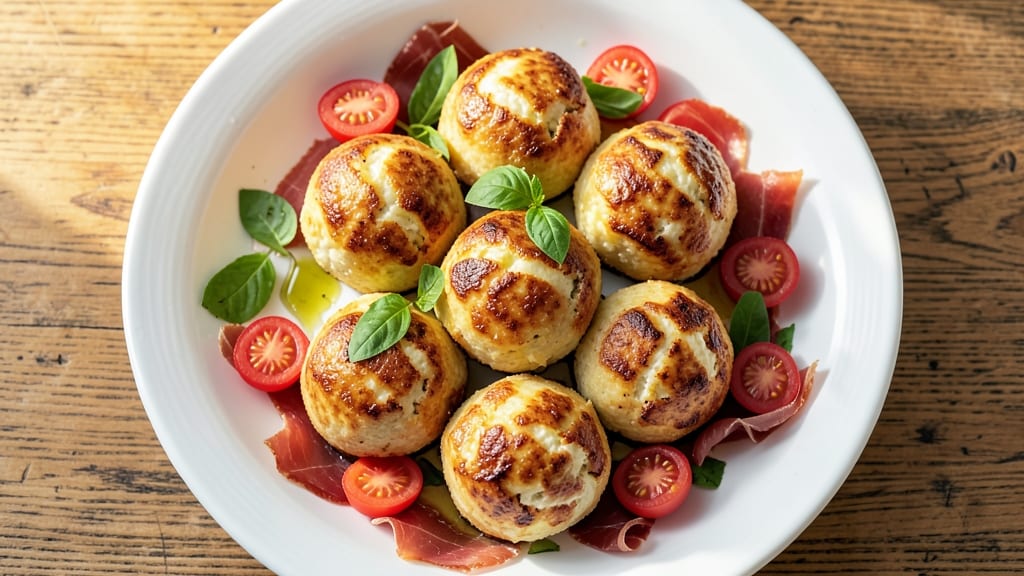
This egg balls recipe delivers the perfect balance of a crispy golden exterior and a creamy ricotta heart that melts in your mouth—just like the ones you’d find in Southeast Asian bakeries.
The secret lies in the batter’s precise ratio of flour, eggs, and water, combined with the right frying technique to achieve that signature crunch without losing tenderness inside. I’ve perfected this method over years of testing, ensuring every bite is satisfyingly textured.
The batter starts simple—just eggs, flour, water, and a pinch of salt—but the magic happens when you incorporate ricotta for that velvety center. Frying in small batches at the right temperature guarantees a crispy shell that stays light and airy, never greasy.
This recipe delivers restaurant-quality results with just a few pantry staples and 15 minutes of active prep time, making it ideal for breakfast, brunch, or even a snack.
By the time you serve these golden, bite-sized treats, you’ll have a dish that’s both elegant and effortless—perfect for dipping in sweet chili sauce or peanut sauce. The contrast of the creamy ricotta against the crispy exterior creates a texture that’s impossible to resist.
Whether you’re feeding a crowd or treating yourself, this recipe is designed to impress without the fuss.
For extra versatility, you can adjust the filling to suit your taste—add cheese for a richer flavor or keep it classic with just ricotta. The method works equally well for frying or steaming, so you can adapt it to your preferred cooking style.
Let’s get started on creating these irresistible egg balls!
Ingredients for egg balls
Pantry staples and a few specialty touches create these irresistible egg balls with crispy shells and creamy centers.
| Ingredient | Amount | Notes |
|---|---|---|
| Large Eggs 🥚 | 4 whole | Room temperature for best batter |
| All-Purpose Flour 🌾 | 1 cup | Sifted for smooth batter |
| Water 💧 | ½ cup | Room temperature preferred |
| Ricotta Cheese 🧀 | 1 cup | Whole-milk for creaminess |
| Vegetable Oil 🫒 | 2 cups | High smoke point for frying |
| Salt 🧂 | ½ tsp | Fine sea salt preferred |
| Granulated Sugar 🍚 | 1 tbsp | Optional for slight sweetness |
| Sweet Chili Sauce 🍶 | ½ cup | For dipping, store-bought or homemade |
| Peanut Butter 🥜 | ¼ cup | Creamy, for peanut sauce |
| Lime Juice 🍋 | 1 tbsp | Freshly squeezed for brightness |
| Garlic Cloves 🧄 | 2 cloves | Minced for peanut sauce |
| Sesame Seeds 🌾 | 1 tsp | Toasted for garnish |
| Green Onions 🧅 | 2 whole | Thinly sliced for garnish |
The ricotta is the star here—whole-milk gives you that ultra-creamy texture, while part-skim can make them gummy. Trader Joe's and Whole Foods carry the best whole-milk ricotta, but any brand works if it's fresh. For the oil, vegetable or canola are perfect—they won't overpower the flavor like olive oil might. If you're feeling fancy, toast your sesame seeds in a dry pan for 30 seconds before using—they'll have way more flavor. The eggs should be room temperature, so take them out of the fridge 30 minutes before you start.
No ricotta on hand? Cottage cheese blended smooth works in a pinch (drain it first to remove excess liquid). Short on peanut butter? Almond butter or tahini gives a similar nutty base. The sweet chili sauce can be swapped for plum sauce or even honey-sriracha mix if you're in a bind. For the peanut sauce, if you can't find fresh lime, bottled lime juice with a pinch of sugar will do. And if you're feeling adventurous, add a dash of soy sauce to the peanut sauce for extra depth—trust me on this.
These keep surprisingly well—2 days in the fridge if stored in an airtight container, though they're best fresh. For freezing, fry them first, then store in a single layer before transferring to a bag. They'll last up to 3 months frozen, though the texture might get a little softer after thawing. Pro tip: Re-fry for 30 seconds in oil after thawing to restore that crispy exterior. The peanut sauce keeps for 1 week in the fridge, so make extra—it's perfect on sandwiches too.
Why You'll Love This Recipe
- Same recipe, different vibes: fried up for a lazy Tuesday or baked for a potluck. Toss them in marinara for dinner, or serve with lemon aioli for a fancy-ish snack. (No one will guess how little effort they took.)
- No-Fuss Batter: I swear by this mix—just eggs, flour, water, and a splash of ricotta. No measuring cups, no fancy techniques, just crack, whisk, and go. (Yes, even when I’m half-asleep at 7 AM.)
- Creamy Crisp Magic: That golden crust gives way to a pillowy ricotta center—like a bite-sized hug. Honestly, the contrast is what makes it ridiculous good, and I’ve tried a lot of egg-based snacks.
- Weeknight to Party: Same recipe, different vibes: fried up for a lazy Tuesday or baked for a potluck. Toss them in marinara for dinner, or serve with lemon aioli for a fancy-ish snack. (No one will guess how little effort they took.)
Step-by-step instructions for egg balls recipe
Here's how to create perfectly balanced egg balls with a crispy exterior and creamy ricotta center.
Prepare the Batter for Crispy Egg Balls
In a medium bowl, whisk together the 4 whole large eggs until the yolks and whites are fully combined and the mixture is smooth. Add the 1 cup all-purpose flour, 0.5 teaspoon salt, and 1 tablespoon granulated sugar, whisking until just combined and no dry flour remains. This step is crucial for creating a light, crispy exterior.
Slowly pour in the 0.5 cup water while whisking continuously to avoid lumps. The batter should be thin but coat the back of a spoon—similar to pancake batter consistency. If it's too thick, add a splash more water; if too thin, whisk in a teaspoon more flour. This creates the perfect balance for frying.
Gently fold in the 1 cup ricotta cheese until evenly distributed. The ricotta will give your egg balls that creamy, gooey center while keeping them light. Don't overmix—just combine until the ricotta is evenly distributed throughout the batter.
Fry the Egg Balls to Golden Perfection
Heat the 2 cups vegetable oil in a deep skillet or Dutch oven to 350°F—this is the ideal temperature for achieving a crispy exterior without burning. Use a thermometer to monitor the oil temperature carefully, as it's crucial for consistent results.
Using a spoon or small ice cream scoop, carefully drop rounded tablespoon-sized portions of batter into the hot oil. Work in batches to avoid overcrowding, which will lower the oil temperature and make the egg balls greasy rather than crispy. Fry for 3-4 minutes per side, turning gently with a slotted spoon, until they're deep golden brown and cooked through.
As you fry, you'll notice the egg balls puff up slightly—this is normal and indicates they're cooking properly. Remove them with a slotted spoon and drain on a paper towel-lined plate. The residual heat will help set the interior while keeping that perfect crispy exterior.
Prepare the Peanut Sauce for Dipping
In a small saucepan, combine the 0.25 cup peanut butter, 0.5 cup sweet chili sauce, 1 tablespoon lime juice, and 2 minced garlic cloves. Cook over medium-low heat, stirring constantly with a silicone spatula, until the mixture is smooth and heated through—about 2-3 minutes. The sauce should coat the back of a spoon but remain pourable.
If the sauce thickens too much, add 1-2 teaspoons water to reach your desired consistency. Taste and adjust seasoning with additional sweet chili sauce if needed. This sauce is what brings all the flavors together—sweet, spicy, tangy, and nutty—making every bite of your egg balls complete.
Assemble and Garnish for Presentation
While the fried egg balls are still warm, transfer them to a serving platter. Thinly slice the 2 whole green onions and sprinkle them evenly over the egg balls for a fresh, vibrant garnish. Then, lightly toast the 1 teaspoon sesame seeds in a dry skillet over medium heat for 1-2 minutes until fragrant, and sprinkle them over the top for added texture and aroma.
Serve the egg balls immediately with the warm peanut sauce on the side for dipping. The contrast of crispy egg balls with the creamy ricotta center and rich peanut sauce creates a truly satisfying bite. If you prefer, you can also drizzle a little extra sweet chili sauce on top for added zing.
Optional Double-Fry for Extra Crispiness
For egg balls with an even crispier exterior, let them cool slightly after the first fry, then fry them again for 1-2 minutes in fresh hot oil at 375°F. This second fry ensures maximum crispiness while keeping the creamy ricotta center intact. Serve immediately after the second fry while they're piping hot.
This optional step is perfect if you're serving these egg balls as an appetizer or sharing with guests—everyone will be impressed by how crispy and delicious they are. The double-fry method is worth the extra effort for special occasions.
Pro Tips For Making Egg Balls
- Rest the Dough: Let the ricotta-flour mixture sit for 15 minutes before shaping—this relaxes the gluten and keeps your egg balls from cracking when frying. I learned this the hard way after watching my first batch fall apart in the oil.
- Use Cold Oil: Heat your oil to 350°F (175°C), but don’t let it smoke. Cold oil burns faster and makes the outside tough before the inside cooks. A thermometer is worth it here—trust me, your taste buds will notice.
- Drain Ricotta Well: Press ricotta in a sieve lined with paper towels for 10 minutes before mixing. Wet ricotta adds moisture that weakens the structure, leading to greasy, dense egg balls. (Yes, even if you’re in a hurry.)
- Roll Tight, Fry Fast: Pack the mixture firmly into balls—no loose centers—and fry in batches of 2-3. Overcrowding drops the oil temp, making them absorb oil instead of crisping. Small batches = golden perfection.
Troubleshooting great egg balls
Batter Too Thick?
If your batter feels too thick after whisking, it’s likely from overmixing or using too much flour. I’ve found that adding 1 teaspoon warm water at a time while whisking restores the right consistency—aim for a thin but spoonable texture like pancake batter.
Overmixing develops gluten, making the egg balls dense rather than crispy. If you accidentally add too much flour, whisk in 1 tablespoon water to loosen it back up. 💧
Greasy Egg Balls?
Greasy egg balls usually mean the oil temperature dropped too low from overcrowding. Always fry in small batches (no more than 4-5 balls at a time) to maintain the 350°F oil temperature. Use a deep skillet or Dutch oven—shallow pans cause uneven cooking.
If the oil smokes excessively, it’s too hot; if it’s bubbling gently, it’s perfect. A thermometer is non-negotiable for consistent results. ⚡
Ricotta Too Watery?
If your ricotta releases too much liquid, drain it in a fine-mesh strainer lined with cheesecloth for 10-15 minutes before mixing into the batter. For extra insurance, pat it dry with a paper towel. Watery ricotta can make your egg balls gummy inside.
If you’re in a pinch, blend cottage cheese (drained) until smooth—it works almost as well. The goal is a thick, creamy filling that holds its shape. 🧀
Egg Balls Not Puffing?
Puffing happens when steam builds inside the egg balls during frying. If yours stay flat, your oil might be too hot (above 375°F) or the batter too thick. Try reducing the oil temperature to 350°F and ensure your batter coats the back of a spoon.
A light hand when dropping batter into the oil also helps—avoid overcrowding, which steals heat and prevents proper expansion. Patience is key here! 🔥
Sauce Too Thick?
If your peanut sauce thickens too much while cooking, thin it with 1 teaspoon water at a time until it’s smooth and pourable. For extra richness, stir in ½ teaspoon soy sauce or 1 teaspoon honey while heating.
The sauce should cling to the back of a spoon but still coat the egg balls lightly. If it separates, whisk vigorously to re-emulsify. Taste as you go—balance is everything! 🍶
Storage Issues?
Egg balls lose crispiness when stored improperly. For short-term fridge storage (up to 2 days), place them in a single layer on a wire rack inside an airtight container to prevent sogginess.
For freezing, fry them first, then store in a single layer before transferring to a freezer bag. Re-fry from frozen for 30 seconds at 375°F to restore crispiness. Never store them in the fridge with moisture—it’s the enemy of crunch! ❄️
Nutrition facts
Frequently asked questions
Can I make these egg balls without ricotta?
If you don’t have ricotta, blend 1 cup of drained cottage cheese until smooth for a similar texture. For a lighter version, try 1 cup of mashed potatoes mixed with 2 tablespoons of melted butter—it adds creaminess without heaviness. The key is keeping the filling thick and cohesive.
Why do my egg balls turn out dense instead of crispy?
Dense egg balls usually mean overmixing the batter or using too much flour. Whisk just until combined—no lumps, but no stiff peaks either. The batter should be thin enough to coat the back of a spoon. Also, ensure your oil stays at 350°F and fry in small batches to maintain temperature. Overcrowding steals heat, leading to greasy, dense results.
How do I adjust the peanut sauce for spice preferences?
Start with the base recipe, then tweak to taste. For more heat, add ½ teaspoon cayenne pepper or a dash of chili flakes. Prefer sweetness? Stir in 1 teaspoon honey or maple syrup. Balance is key—taste as you go! The sauce should complement the crispy egg balls, not overpower them.
Can I bake these instead of frying?
Baking won’t give the same crispy texture, but you can try! Spread batter in ½-inch rounds on a parchment-lined baking sheet, brush with oil, and bake at 375°F for 12-15 minutes until golden. For extra crunch, broil for 1-2 minutes at the end. They’ll be softer inside but still delicious—great for a healthier twist.
What’s the best way to reheat leftover egg balls?
For maximum crispiness, reheat in a 350°F oven for 5-7 minutes on a wire rack. Alternatively, fry for 30 seconds in fresh oil until golden again. Microwaving works in a pinch, but they’ll lose crunch—best avoided. Always reheat from room temperature for even cooking.